

Tet Nguyen Dan (Lunar New Year) is an occasion to enjoy reunion meals with family and friends, and a time to rest after a long year of hard work.
Tet Nguyen Dan (Lunar New Year) is an occasion to enjoy reunion meals with family and friends, and a time to rest after a long year of hard work.
However, unhealthy eating and lifestyle habits during the holidays can significantly impact our health. Therefore, to start the new year effectively and healthily, a comprehensive health check is crucial, helping you detect and address potential health problems promptly.
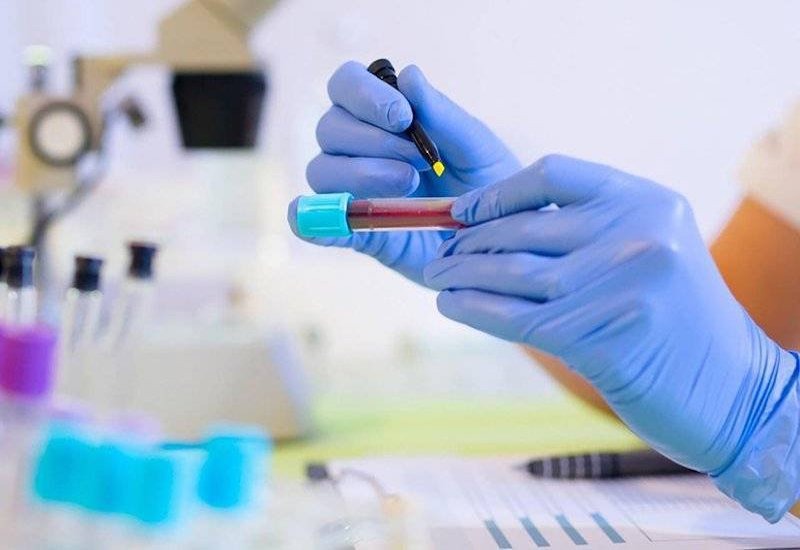 |
| Measuring blood glucose levels can help detect the risk of diabetes early. |
The Tet feast, with traditional dishes like banh chung (sticky rice cake), fatty pork, gio cha (pork sausage), pickled onions, etc., is indispensable during the holiday, but it often contains a lot of oil, starch, and sugar.
In addition, the consumption of alcohol at parties, coupled with a sedentary lifestyle due to the extended holiday, can all cause numerous health problems.
An unbalanced diet can easily lead to weight gain, increased bad cholesterol (LDL), increased triglycerides in the blood, and even cause diseases such as fatty liver disease, diabetes, or metabolic disorders.
In particular, excessive alcohol consumption can increase the metabolic and detoxification burden on the liver, leading to liver cell damage such as elevated liver enzymes and hepatitis, while also negatively affecting cardiovascular and digestive functions.
Furthermore, a sedentary lifestyle during Tet, such as sitting watching TV, playing cards, or prolonged rest, causes excess energy to be converted into accumulated fat, especially visceral fat. This not only leads to weight gain but also reduces blood circulation, causes muscle weakness, and increases the risk of chronic diseases such as atherosclerosis.
Furthermore, the habit of staying up late or not getting enough sleep during Tet (Lunar New Year) disrupts the circadian rhythm, affects hormones in the body (such as cortisol), and reduces immunity and concentration. These problems often don't show immediate symptoms but silently impact health over the long term.
After the Lunar New Year holiday, regular health checkups are extremely important to ensure your body is in optimal condition. This is not only a way to assess your overall health status, but also helps detect abnormalities early, allowing for timely intervention. Regular health checkups also help you develop a long-term health care plan and ensure a healthy new year.
When undergoing routine health checkups, especially after the Lunar New Year holiday, you should pay attention to the following groups of tests: Blood lipids: Total cholesterol, LDL, HDL, and triglyceride levels are important tests to assess blood lipid levels. A high-fat diet during the Lunar New Year can increase cholesterol and the risk of atherosclerosis.
Blood glucose (HbA1c): Measuring blood glucose levels helps detect the risk of diabetes early. This is especially important if you consume a lot of sweets and sugary drinks during Tet (Vietnamese New Year).
Uric acid: A uric acid test helps detect the risk of gout, especially if you consume a lot of red meat, seafood, and alcohol during Tet (Lunar New Year).
The liver is directly affected by alcohol consumption and a high-fat diet. Indicators to check include: ALT and AST (liver enzymes): Elevated liver enzymes can be a sign of hepatitis or liver damage due to alcohol and a high-fat diet.
GGT: This level is usually elevated when the liver is damaged by alcohol or when there is a bile duct obstruction.
Bilirubin: A bilirubin test helps assess the liver's excretory capacity and determine its health status.
A salty diet and high consumption of processed foods during Tet (Lunar New Year) can damage the kidneys. Indicators to check include: Creatinine and Urea: Assessing kidney filtration rate to detect early signs of kidney failure.
Electrolyte panel (Na+, K+, Cl-): Detects water and electrolyte imbalances, helping to check kidney function and overall health.
In addition, people should also have an abdominal ultrasound: This helps detect abnormalities in the liver (fatty liver), gallbladder (gallstones), or kidneys.
Urine test: Checks for urinary tract infections, dehydration, or kidney disease.
Thyroid function tests (TSH, FT4): Assess the status of the thyroid gland, especially important for those with irregular eating habits during the Lunar New Year holiday.
After the Lunar New Year holiday, returning to a healthy diet and a scientific lifestyle is essential for long-term health protection.
Regular health checkups help you proactively monitor your health, detect abnormalities early, and make timely adjustments. Make it a habit to have regular checkups and maintain a balanced lifestyle to start the new year with a healthy and energetic body.
Source: https://baodautu.vn/loi-khuyen-ve-viec-kiem-tra-suc-khoe-sau-nghi-tet-d244068.html
![[Photo] Prime Minister Pham Minh Chinh receives Lao Minister of Education and Sports Thongsalith Mangnormek](/_next/image?url=https%3A%2F%2Fvphoto.vietnam.vn%2Fthumb%2F1200x675%2Fvietnam%2Fresource%2FIMAGE%2F2025%2F12%2F16%2F1765876834721_dsc-7519-jpg.webp&w=3840&q=75)


![[Photo] Prime Minister Pham Minh Chinh receives the Governor of Tochigi Province (Japan)](/_next/image?url=https%3A%2F%2Fvphoto.vietnam.vn%2Fthumb%2F1200x675%2Fvietnam%2Fresource%2FIMAGE%2F2025%2F12%2F16%2F1765892133176_dsc-8082-6425-jpg.webp&w=3840&q=75)
![[Live] 2025 Community Action Awards Gala](/_next/image?url=https%3A%2F%2Fvphoto.vietnam.vn%2Fthumb%2F1200x675%2Fvietnam%2Fresource%2FIMAGE%2F2025%2F12%2F16%2F1765899631650_ndo_tr_z7334013144784-9f9fe10a6d63584c85aff40f2957c250-jpg.webp&w=3840&q=75)
![[Image] Leaked images ahead of the 2025 Community Action Awards gala.](/_next/image?url=https%3A%2F%2Fvphoto.vietnam.vn%2Fthumb%2F1200x675%2Fvietnam%2Fresource%2FIMAGE%2F2025%2F12%2F16%2F1765882828720_ndo_br_thiet-ke-chua-co-ten-45-png.webp&w=3840&q=75)













































![[Photo] Prime Minister Pham Minh Chinh attends the Vietnam Economic Forum 2025](https://vphoto.vietnam.vn/thumb/402x226/vietnam/resource/IMAGE/2025/12/16/1765893035503_ndo_br_dsc-8043-jpg.webp)


































Comment (0)