

GĐXH - Persimmons have an average glycemic index of 70, which is considered a medium glycemic index. Therefore, people with diabetes should eat this fruit in moderation...
Will eating crunchy persimmons raise blood sugar levels for people with diabetes?
The peak persimmon season usually runs from September to December each year. The best persimmons are those harvested in the middle of the season, when they are both crunchy and intensely sweet and fragrant.
According to research, a single persimmon can contain 70 calories. Persimmons are 80% water and 18.6% carbohydrates. In addition, persimmons are a rich source of fiber. One persimmon can contain an amount of fiber equivalent to one-fifth of the recommended daily fiber intake.
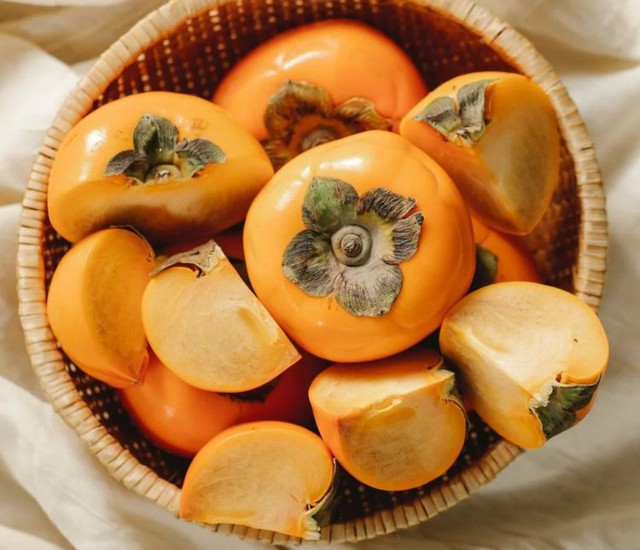
Illustrative image
Persimmons are also rich in vitamin B6, which helps form blood cells, regulate blood sugar levels, and plays an important role in the immune system.
Persimmons have a glycemic index of 70, which is considered average. Therefore, people with diabetes should eat this fruit in moderation. They should regularly check their blood sugar levels to achieve the desired blood sugar reduction.
How should people with diabetes eat persimmons properly?
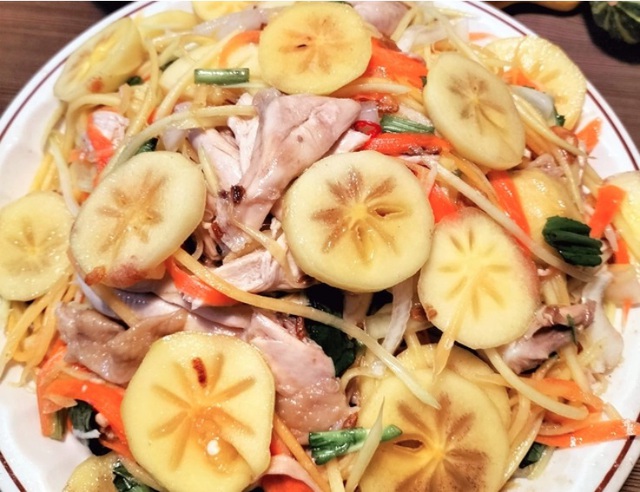
Illustrative image
Doctors advise diabetic patients to be cautious when eating persimmons. Because persimmons contain 10.8% sugar, mostly simple disaccharides and monosaccharides (glucose, fructose, sucrose), they are easily absorbed into the bloodstream and can cause an increase in blood sugar levels.
Therefore, if you eat persimmons, you should consider reducing your intake of other sugary foods throughout the day to ensure your health. Your blood sugar is stable.
Additionally, people with diabetes should eat fresh, ripe, deep-red persimmons and limit their consumption of crunchy, sugary varieties. When eating, remember to peel the persimmons thoroughly to avoid the harmful effects of chemicals they may contain.
People with diabetes and the following conditions should limit their consumption of persimmons.
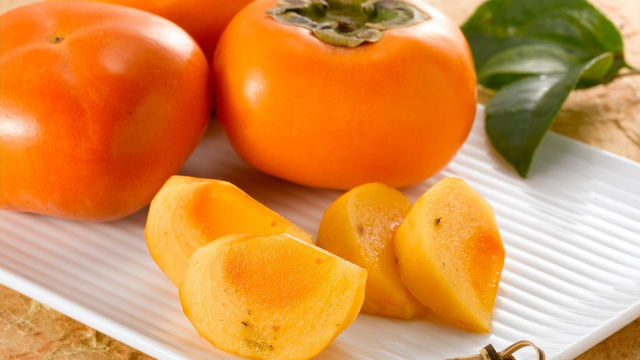
Illustrative image
- Persimmons are not suitable for people with iron-deficiency anemia because they contain a lot of tannins which combine with iron to form a precipitate, hindering the absorption of iron from food. Additionally, persimmons should not be eaten while taking iron supplements.
- Because persimmons contain a lot of tannins and fiber, people with stomach ulcers often feel uncomfortable, bloated, and have indigestion after consuming them. Therefore, people with stomach ulcers should limit their persimmon consumption.
According to Traditional Chinese Medicine, fresh persimmons are slightly cooling in nature and can lower blood pressure. Therefore, they should not be used by people who are debilitated, have low blood pressure, suffer from chronic fatigue, or women who have recently given birth.
Note: Do not eat persimmons on an empty stomach, as tannins can easily precipitate and form complexes under the influence of stomach acid. The best time to eat persimmons is after a meal or when your stomach is full.
Source: https://giadinh.suckhoedoisong.vn/loai-qua-ngot-thom-dang-ngon-re-nhat-cho-nguoi-benh-tieu-duong-can-biet-dieu-nay-khi-an-de-on-dinh-duong-huyet-172241112150555928.htm


![[Photo] Closing Ceremony of the 10th Session of the 15th National Assembly](/_next/image?url=https%3A%2F%2Fvphoto.vietnam.vn%2Fthumb%2F1200x675%2Fvietnam%2Fresource%2FIMAGE%2F2025%2F12%2F11%2F1765448959967_image-1437-jpg.webp&w=3840&q=75)
![[Photo] Prime Minister Pham Minh Chinh holds a phone call with the CEO of Russia's Rosatom Corporation.](/_next/image?url=https%3A%2F%2Fvphoto.vietnam.vn%2Fthumb%2F1200x675%2Fvietnam%2Fresource%2FIMAGE%2F2025%2F12%2F11%2F1765464552365_dsc-5295-jpg.webp&w=3840&q=75)











































![[OFFICIAL] MISA GROUP ANNOUNCES ITS PIONEERING BRAND POSITIONING IN BUILDING AGENTIC AI FOR BUSINESSES, HOUSEHOLDS, AND THE GOVERNMENT](https://vphoto.vietnam.vn/thumb/402x226/vietnam/resource/IMAGE/2025/12/11/1765444754256_agentic-ai_postfb-scaled.png)












































Comment (0)