

GĐXH – This type of leaf has been proven to contain many nutrients, such as liver tonic and blood sugar lowering properties. Whether eaten fresh or brewed into a tea, it's very good for health, and using it in cooking makes it even more nutritious. You can refer to the following recipes.
Using fresh fig leaves or drinking fig leaf tea are both beneficial.
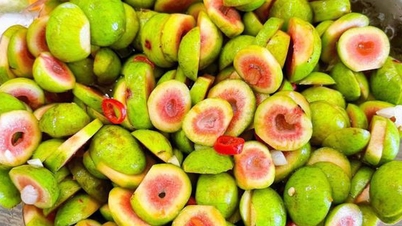
Fig leaves are a common and safe ingredient in Vietnam because they grow naturally with minimal use of growth stimulants. Fig leaves are not only used as a side dish in salads but are also known in traditional medicine as a remedy.
According to traditional medicine practitioner Bui Dac Sang ( Hanoi Traditional Medicine Association), fig leaves, whether eaten directly or dried and brewed into a tea, are beneficial for health. They have a cooling nature, a sweet and slightly astringent taste, and are effective in nourishing the blood, promoting urination, reducing inflammation, and clearing phlegm. One of the beneficial effects of fig leaves is that they help lower blood sugar levels and increase insulin production, making them popular for preventing complications in people with diabetes.
The World Health Organization (WHO) has suggested that patients use fig leaves to support the treatment of diabetes. Drinking a glass of fig leaf tea every morning can help stabilize blood sugar and effectively prevent diabetic complications.
Furthermore, fig leaves have long been considered a liver tonic because they help detoxify the liver and cool the body effectively. People in the past used dried fig leaves to make tea for daily consumption. Traditional medicine practitioner Bui Dac Sang shared a commonly used remedy for liver heat: 30g of fig leaves, 30g of Artemisia capillaris, 20g of Spatholobus parviflorus, 50g of Centella asiatica, and Panax notoginseng are boiled together and drunk as a tea substitute.
Fig leaves have been shown to contain many nutrients beneficial to health, such as vitamins, calcium, fiber, and minerals like sodium, manganese, zinc, copper, magnesium, and potassium. With its high potassium content, fig leaves are also effective in controlling high blood pressure and reducing bad cholesterol levels. Lowering excess fat in the blood reduces the risk of cardiovascular diseases such as heart attacks and strokes.
Delicious dishes made with fig leaves.
Fig leaves are a type of herb used as a spice to enhance the flavor and aroma of many dishes, especially when served with salads, pickles, or spring rolls. To take advantage of the benefits of fig leaves, you can refer to this delicious recipe.
Vegetarian spring rolls
Ingredients for vegetarian spring rolls (nem thính chay):
- 2 king oyster mushrooms
- A small handful of mung bean vermicelli
- Fig leaves, lemon leaves
- Garlic,
- Hearing
- Seasoning powder, fish sauce, pepper, chili
Making:
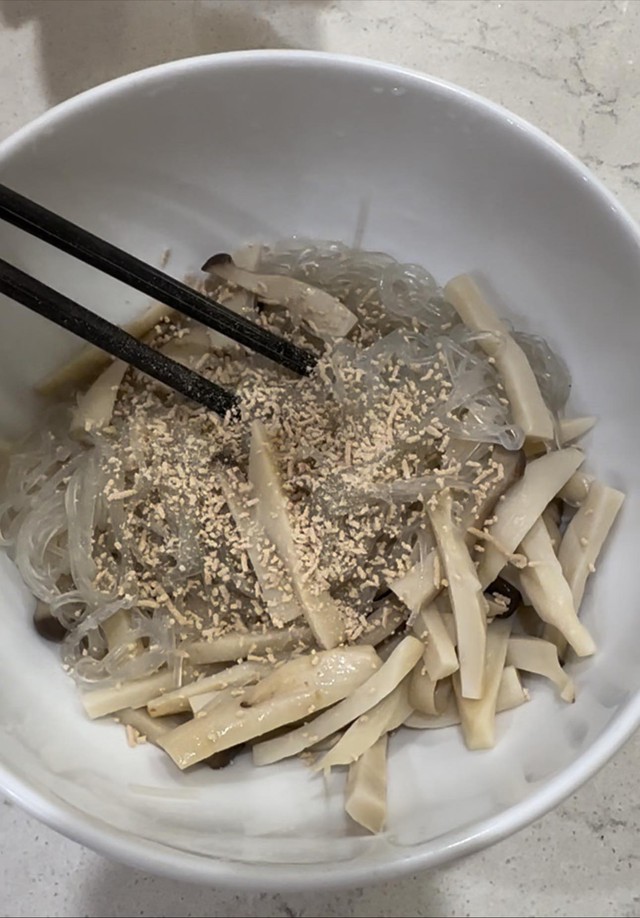
Cut the king oyster mushrooms in half, then slice them into thin strips about two finger lengths long. Boil them, squeeze out the excess water, and drain. Soak the mung bean vermicelli in boiling water until soft, then cut it into bite-sized pieces.
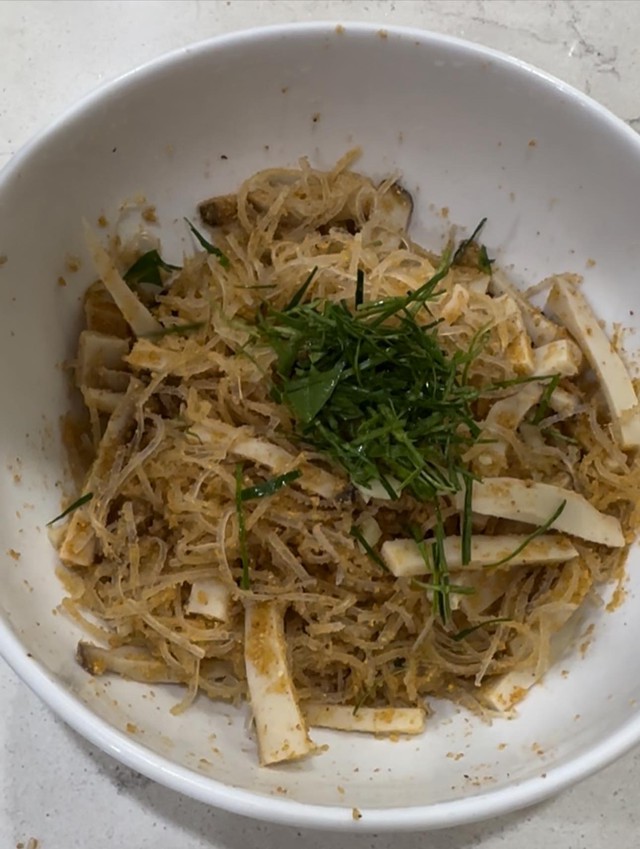
Next, mix the vermicelli and mushrooms together, then add minced garlic, chili peppers, 2 tablespoons of seasoning powder, 1 teaspoon of vegetarian fish sauce, and pepper. Mix well to allow the flavors to infuse. Finally, sprinkle with roasted rice powder and mix well, then add chopped kaffir lime leaves.
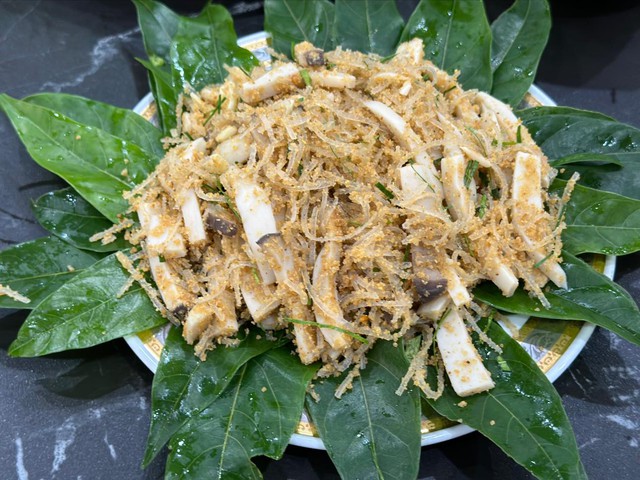
When eating, wrap it in fig leaves; without these leaves, the dish will lose its flavor.
Source: https://giadinh.suckhoedoisong.vn/loai-la-co-nhieu-o-nuoc-ta-an-tuoi-hay-uong-nuoc-deu-rat-tot-dung-trong-mon-an-nay-cang-them-bo-duong-172241205144837117.htm

























































































Comment (0)