


A male patient residing in Dinh Hoa district, Thai Nguyen province, recently died from a Streptococcus suis infection after nearly three days of treatment at Thai Nguyen Central Hospital.
According to the epidemiological investigation, on the evening of August 6th, Mr. NVH (born in 1974), residing in Phuong Tien commune, Dinh Hoa district, ate cooked blood pudding at a neighbor's house. Around 9 PM that same day, Mr. H. experienced symptoms of fever and frequent loose stools.
 |
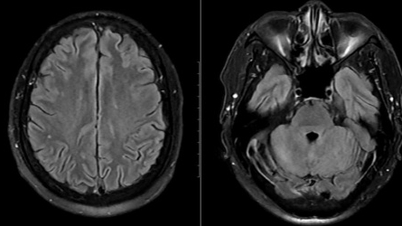
| Illustrative image. |
Early the next morning, he continued to experience headaches, dizziness, nausea, etc., so his family took him to Dinh Hoa District General Hospital where he was diagnosed with septic shock, stroke, essential hypertension, chronic kidney failure, and other conditions.
On the morning of August 7th, Mr. H. was transferred to Thai Nguyen Central Hospital in a state of slow consciousness, Glasgow score of 13, pale skin and mucous membranes, accompanied by generalized cyanosis, conjunctival hemorrhage, shortness of breath (30 breaths/minute), and blood pressure of 100/60 mmHg. The diagnosis was septic shock due to gastrointestinal infection.
Test results showed that patient H. tested positive for Streptococcus suis bacteria. After nearly three days of treatment, Mr. H. passed away on the afternoon of August 9th.
Previously, on August 3rd, information from the Quang Xuong District Health Center in Thanh Hoa province confirmed that a person had died in the area due to consuming raw pig blood soup, leading to a Streptococcus suis infection.
In Hanoi , according to the Hanoi Center for Disease Control (CDC), two cases of streptococcal infection were recorded last week. Thus, since the beginning of 2024, the city has recorded six cases of streptococcal infection.
Regarding streptococcal infections, the Intensive Care Unit of the National Hospital for Tropical Diseases received a 57-year-old male patient (from Yen Bai province) who was transferred from Yen Bai Provincial General Hospital with a diagnosis of septic shock suspected due to streptococcal infection.
According to Dr. Pham Van Phuc, Deputy Head of the Intensive Care Unit, before being admitted to the hospital, the patient was still performing his daily work of slaughtering pigs.
However, just 3 hours after slaughtering the pig (around 10 am), the patient developed a fever and fatigue, followed by abdominal pain and severe vomiting. The patient was admitted to a nearby medical facility and then transferred to Yen Bai Provincial General Hospital, where they were diagnosed with septic shock suspected to be caused by Streptococcus suis.
From 2:00 AM on June 17th, the patient developed rapidly worsening necrotic hemorrhagic rashes on the skin accompanied by respiratory failure. An endotracheal tube was inserted, and the patient was transferred to the Intensive Care Unit in critical condition.
Upon admission, the patient presented with generalized edema, multiple necrotic purpura throughout the body and face, multiple organ failure, liver and kidney damage, and coagulation disorders.
The patient was diagnosed with septic shock suspected to be caused by Streptococcus suis and was prescribed continuous hemodialysis and other procedural interventions.
Dr. Phuc shared that recently, the Central Hospital for Tropical Diseases has frequently received and treated cases of streptococcal infections that have been transferred from the hospital.
Many patients arrive at the hospital in critical condition, with multiple organ failure and severe blood clotting disorders. Some patients recover but have to have their fingertips or toes amputated due to necrosis…
Swine streptococcal disease is caused by the bacterium Streptococcus suis. Swine streptococcal infection is rare in humans. However, people can become infected and develop the disease through contact with sick pigs or products from sick pigs.
Streptococcus suis can be transmitted to humans through contact with sick or infected pigs via minor lesions or scratches on the skin of people who slaughter, process, or eat undercooked pork or raw blood from sick or infected pigs.
Streptococcus suis has been found in many parts of the world where pigs are raised. The bacteria commonly reside in the upper respiratory tract, especially in the nose and throat, as well as in the digestive and reproductive tracts of pigs.
In humans, the most common manifestation is purulent meningitis (96%), with common symptoms such as fever, headache, vomiting, stiff neck, and altered consciousness. 68% of purulent meningitis cases present with tinnitus and hearing loss.
In severe cases, it can rapidly progress to septic shock syndrome, circulatory collapse, hypotension, severe coagulation disorders, generalized necrotizing purpura, embolism, multiple organ failure, coma, and death.
To prevent streptococcal infection in pigs, doctors advise that cooking pork thoroughly is very important. Do not eat pork from dead pigs, and avoid raw or undercooked dishes, especially raw pig blood soup. Use protective equipment (gloves) when slaughtering and processing raw pork.
Source: https://baodautu.vn/lien-tiep-ca-benh-tu-vong-do-lien-cau-khuan-d222153.html





































































































Comment (0)