


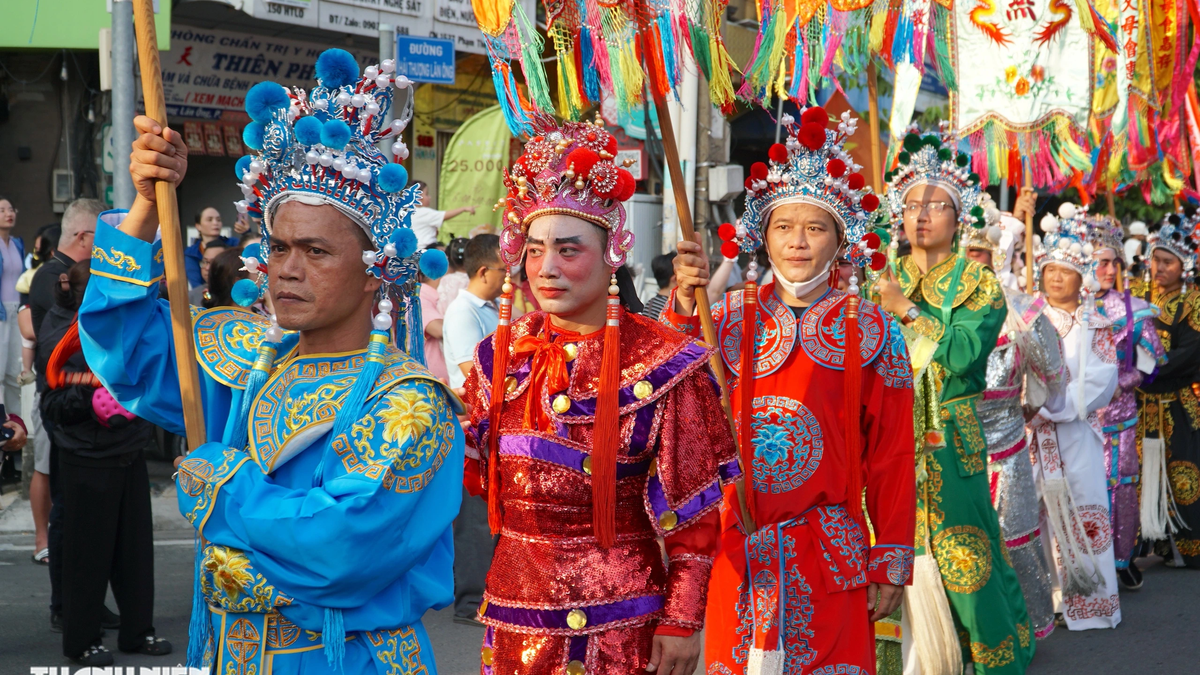
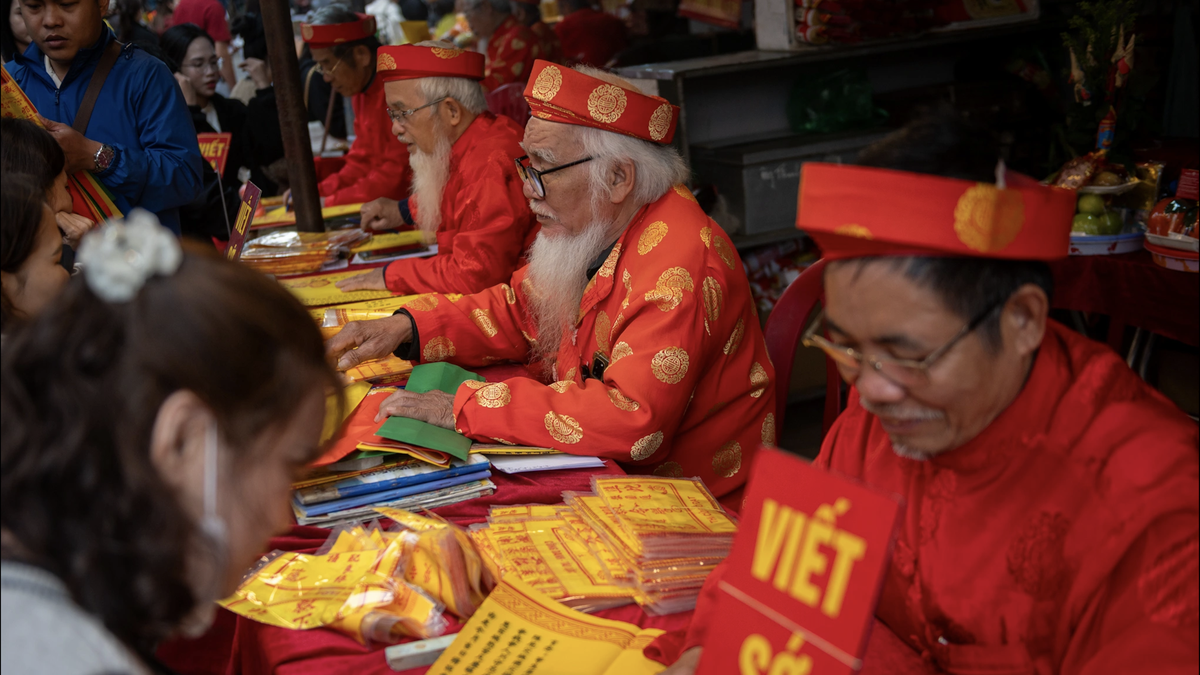
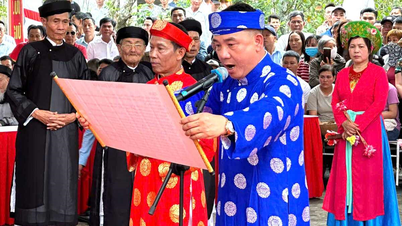
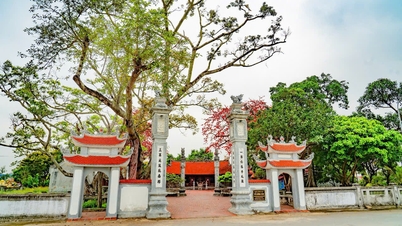
The historical sites and complexes in Quang Ninh province serve as the main spaces for local communities to practice their rich and unique festival heritage.
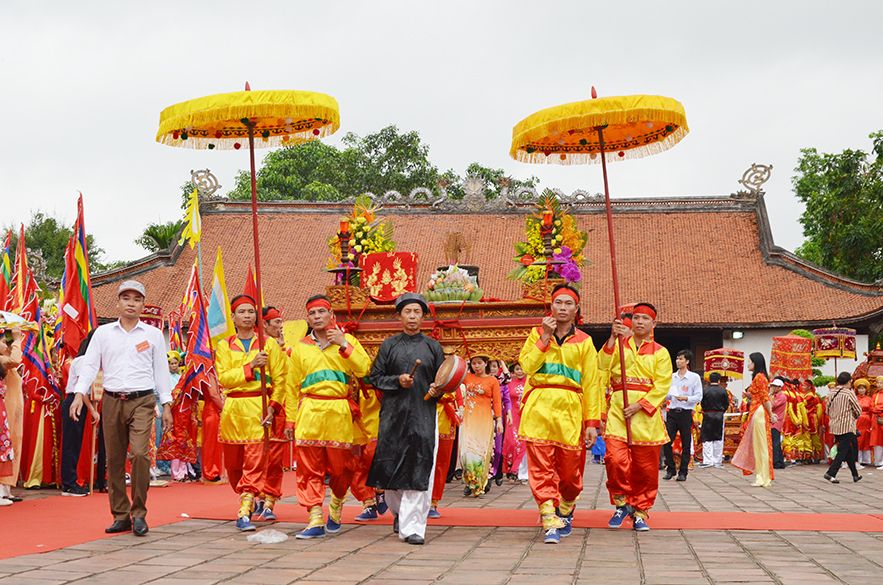
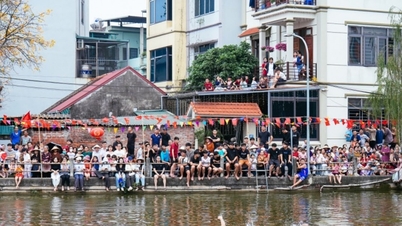
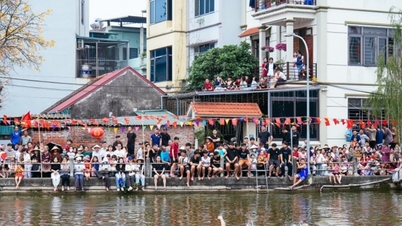
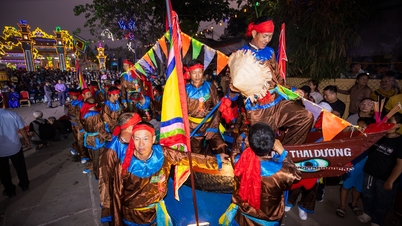
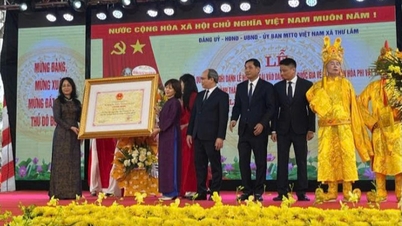
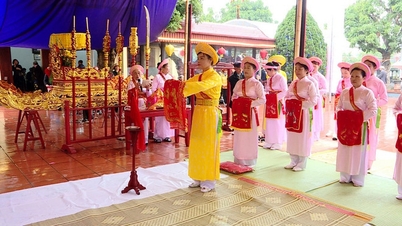
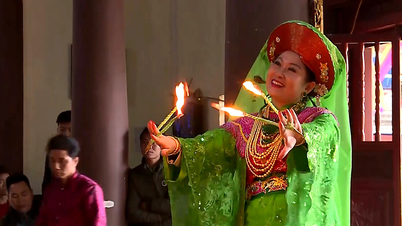
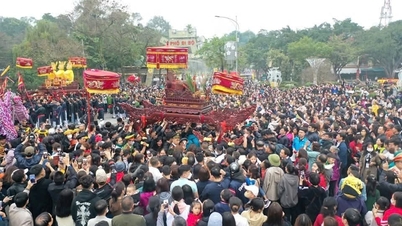
According to statistics from the Department of Culture and Sports , the province currently has 636 historical sites/clusters of sites, including 8 special national-level sites, 56 national-level sites, 101 provincial-level sites, and 471 unclassified sites. Of these, Quang Yen town has 219 historical and cultural sites, accounting for approximately one-third of the total number of sites in the province. Notably, Quang Yen town has 3 festivals recognized as national intangible cultural heritage, with 2 of them – the Tien Cong Festival and the Bach Dang Festival – taking place in historical sites. In addition, there are regional-scale festivals such as: the Dai Ky Phuc festivals at 14 village communal houses, village temple festivals (at 20 temples), the ancestral feast ceremonies of 23 Tien Cong clan ancestral halls, along with 70 festivals at various historical sites, temples, shrines, and ancestral halls.
Ha Long City currently has 10 prominent festivals, including the Long Tien Pagoda Festival, the Ba Men Temple Festival, the Tran Quoc Nghien Temple Festival, the Dai Ky Phuc Dinh Nghe Van Yen Festival, and the Giang Vong Temple Festival... most of which take place at historical sites. To promote the heritage value of these festivals, Ha Long City is urgently completing the management and planning of historical sites, projects, and works related to the renovation of these sites, and strengthening state management of activities surrounding festivals and temples. Ha Long City is determined to become a city of flowers and festivals, an attractive tourist destination in all four seasons.
The Yen Tu, Vinh Nghiem, and Con Son - Kiet Bac historical and scenic complex comprises over 70 sites, including 4 special national historical sites. Quang Ninh province has the Yen Tu historical and scenic area in Uong Bi City and the Tran Dynasty temples and tombs in Dong Trieu City. According to Professor Le Hong Ly, President of the Vietnam Folk Arts Association, based on the geographical location of the Yen Tu mountain range, folk festivals in this area are not limited to the region but form a chain of festivals throughout the Yen Tu range, spanning the provinces of Hai Duong , Bac Giang, and Quang Ninh.
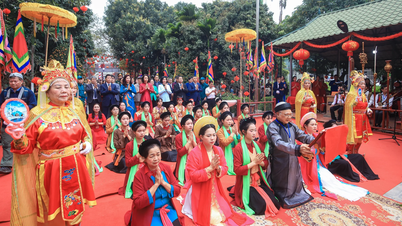
In Quang Ninh province alone, related to Yen Tu and the Tran Dynasty culture, we can point to festivals such as: the An Sinh Temple Festival, festivals of villages along the Yen Tu mountain range, the Bach Dang Festival, the Long Tien Pagoda Festival, the Cua Ong Temple Festival, and the Cai Bau Pagoda Festival. Therefore, folk festivals, like other forms of folk festivals, are not confined to one location but spread across a large area, connecting various places to form a highly attractive spiritual and cultural space. Moreover, these festivals are not simply religious festivals like pilgrimages to Buddhist sites, but are numerous folk festivals taking place around the historical sites in this area, creating an attractive cultural and religious space.
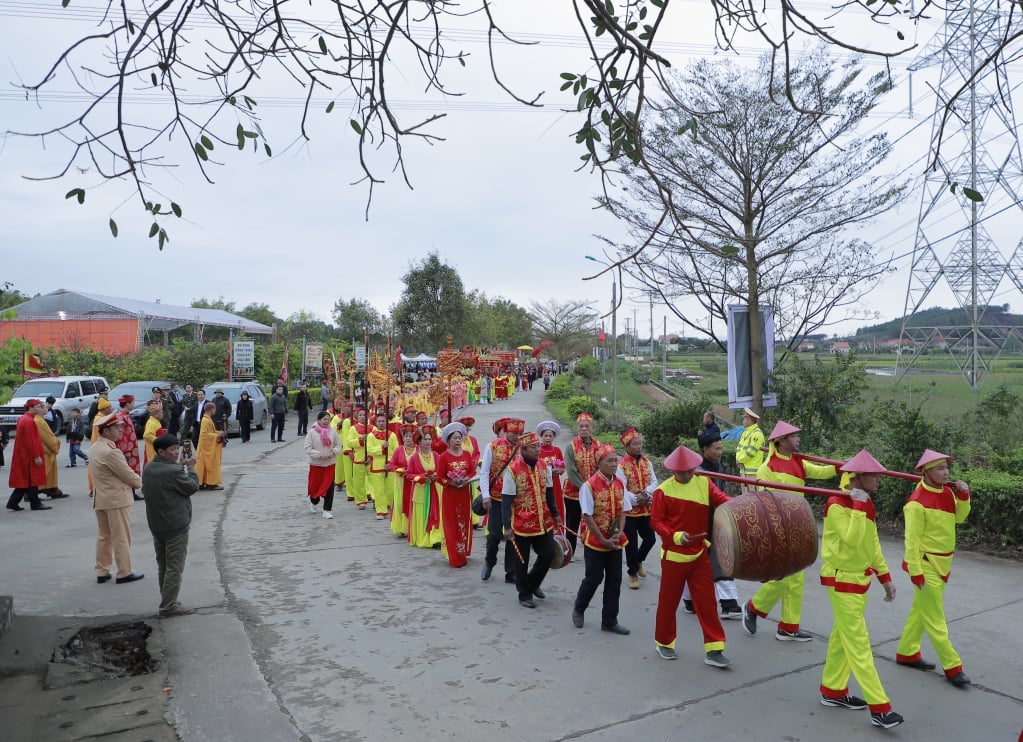
Another distinctive feature is that most of the aforementioned festivals are closely linked to the maritime environment, meaning many are held at historical sites along the coastal and island areas of Quang Ninh. Unlocking the potential of these festivals, combined with other heritage values, will create an endogenous cultural resource and bring about a new look, creating strengths in economic development, specifically in festival tourism, cultural industries, heritage economy, and marine economy. This is an advantage for developing a heritage-based economy combined with the advantages bestowed by nature. This includes promoting the value of festival heritage within the cultural space of the Northeast coastal and island region.
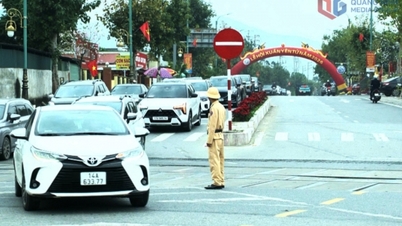
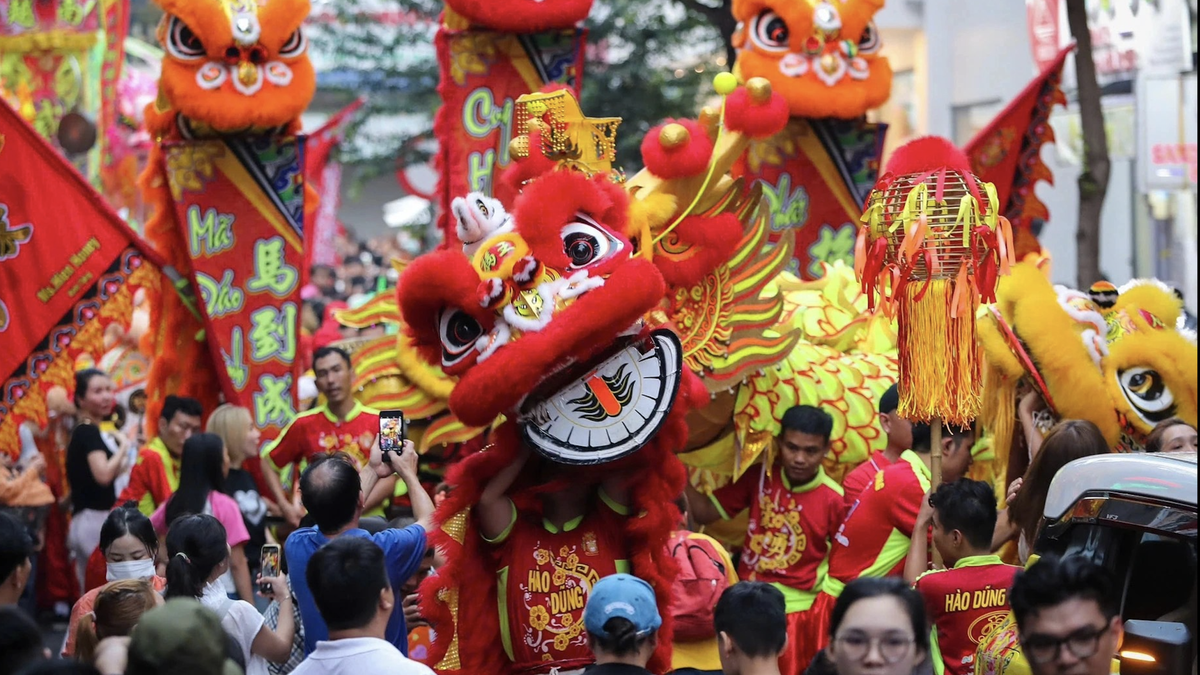
In the early days of the year, the number of tourists flocking to historical sites and participating in festivals in the province increased dramatically, putting pressure on transportation infrastructure, environmental sanitation, and public order. Therefore, strengthening the management of historical sites and festivals became an urgent necessity. The Department of Culture and Sports, local authorities, and the Management Boards of historical sites have intensified propaganda efforts to encourage people visiting historical sites and festivals to behave in a civilized manner; they have also conducted on-site inspections and organized cultural, sports, and traditional festival activities. As a result, festivals are now organized in accordance with traditional cultural identity, in a civilized and orderly manner, without any offensive images occurring during the festivals.
Source



















































Comment (0)