October Wonders: Two Brilliant Meteor Showers and a Supermoon Awaiting Vietnamese People
Báo Thanh niên•01/10/2024
In October, Vietnamese people get to witness many fascinating celestial phenomena.
According to the Hanoi Astronomical Society (HAS), the October sky, featuring two spectacular meteor showers as well as a supermoon, will be a highly anticipated astronomical spectacle for Vietnamese people.
1. New Moon (October 3rd)
The moon will be on the same side of the Earth as the sun and will not be visible in the night sky. This occurs at 1:51 AM (Vietnam time). This is the best time of the month to observe faint objects such as galaxies and star clusters because there is no moonlight to interfere.
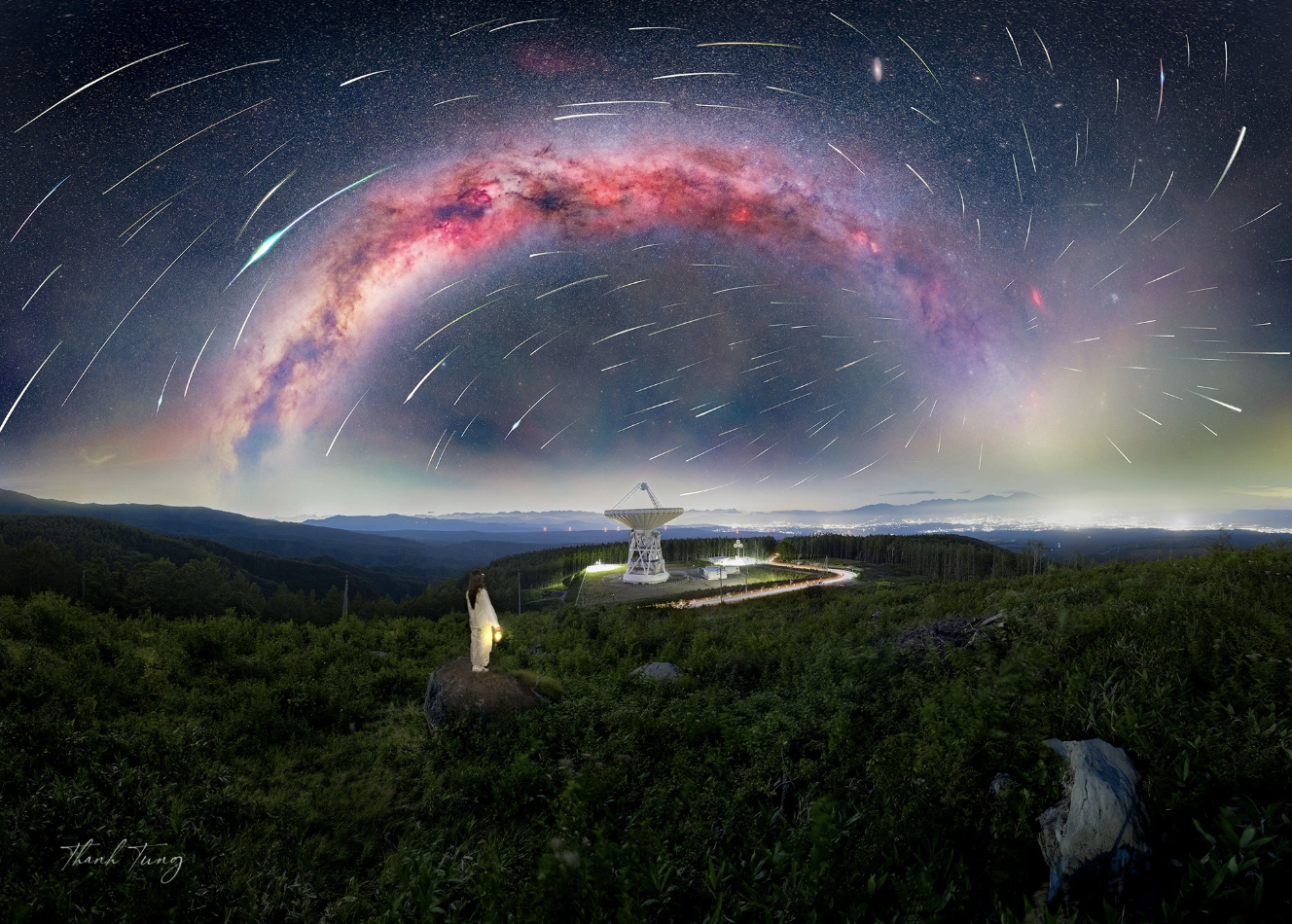
Get ready for the meteor shower this October!
PHOTO: THANH TUNG
2. Draconids meteor shower (October 7th)
The Draconids are a minor meteor shower with a rate of only about 10 meteors per hour. They are created by dust particles left behind by comet 21P Giacobini-Zinner, first discovered in 1900. The Draconids are unusual in that the best viewing is in the early evening rather than the early morning like most other meteor showers. The shower occurs annually from October 6th to 10th and peaks this year on the night of the 7th. The second crescent moon will ensure a dark sky in the early evening for a good display. With patience, you can still catch a few good moments. The best viewing will be in the early evening from a location away from city lights. The meteors will radiate from the constellation Draco, but can appear anywhere in the sky.
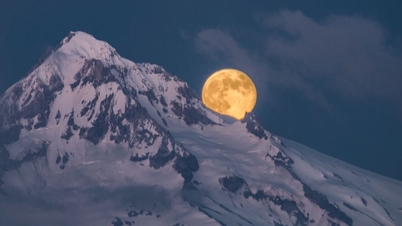
3. Full moon, supermoon (October 17th)
The moon will be on the opposite side of the Earth because the sun and its face will be fully illuminated. This occurs at 6:28 PM (Vietnam time). This full moon was called the Hunter's Moon by the early Native American tribes because at this time of year leaves are falling and game is lively and everyone is ready to hunt. This is also the second of three supermoons of 2024. The moon will be closest to Earth and may appear slightly larger and brighter than usual.
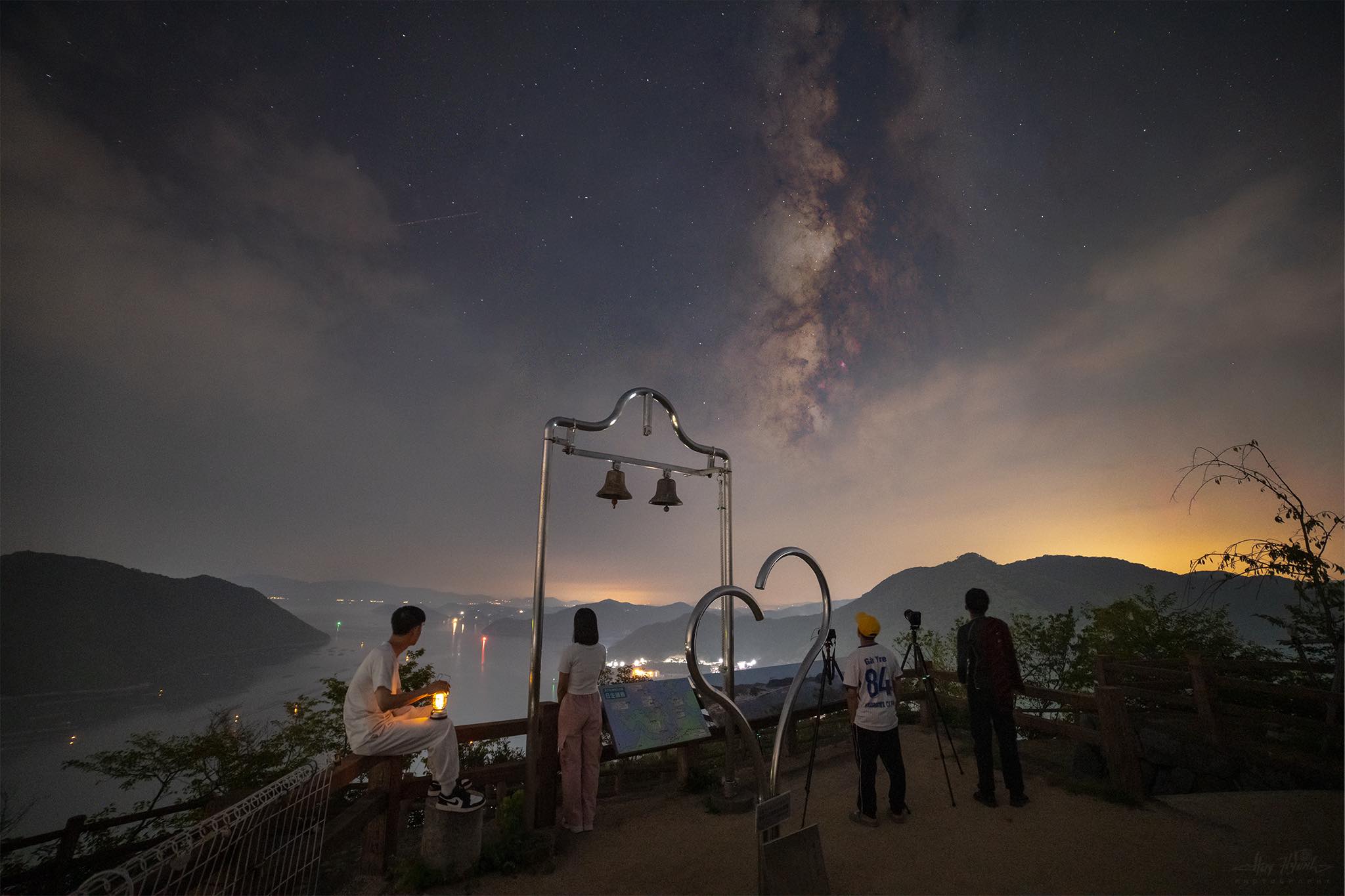
The October night sky holds many interesting things.
PHOTO: HUY HYUNH
4. Orionids Meteor Shower (October 21-22)
The Orionids are an average meteor shower producing up to 20 meteors per hour at its peak. They are created by dust particles left behind by Halley's Comet, and have been known and observed since ancient times. The meteor shower occurs annually from October 2nd to November 7th. This year's peak will be on the night of October 21st and the early morning of October 22nd. The crescent moon will obscure most of the fainter meteors this year. But with patience, you can still catch a few good moments. The best viewing will be from a dark location after midnight. The meteors will radiate from the constellation Orion but can appear anywhere in the sky.




![[Photo] Prime Minister Pham Minh Chinh holds a phone call with the CEO of Russia's Rosatom Corporation.](/_next/image?url=https%3A%2F%2Fvphoto.vietnam.vn%2Fthumb%2F1200x675%2Fvietnam%2Fresource%2FIMAGE%2F2025%2F12%2F11%2F1765464552365_dsc-5295-jpg.webp&w=3840&q=75)
![[Photo] Closing Ceremony of the 10th Session of the 15th National Assembly](/_next/image?url=https%3A%2F%2Fvphoto.vietnam.vn%2Fthumb%2F1200x675%2Fvietnam%2Fresource%2FIMAGE%2F2025%2F12%2F11%2F1765448959967_image-1437-jpg.webp&w=3840&q=75)





















































































Comment (0)