

A UNESCO study revealed that 6 out of 10 key opinion leaders (KOLs) do not verify information before posting.
The United Nations Educational , Scientific and Cultural Organization (UNESCO) warns that KOLs (Key Opinion Leaders) urgently need support in verifying information before posting and disseminating it to their followers in order to reduce the spread of misinformation online.
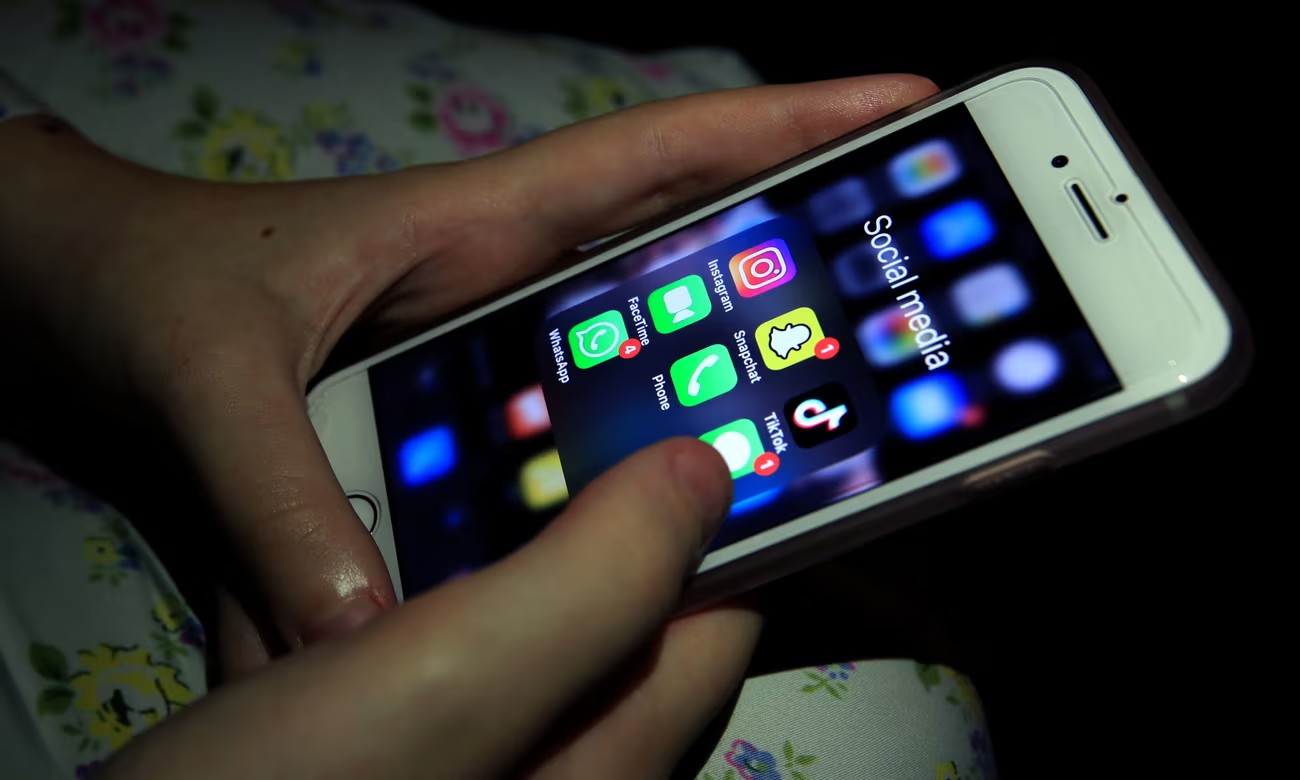
According to a UNESCO report, two-thirds of online content creators said they do not verify the accuracy of information, leaving both themselves and their followers vulnerable to misinformation. They also do not frequently use authoritative sources such as official documents or government websites. These findings highlight the urgent need for fact-checking training for KOLs.
The most common source of information for KOLs is "personal experience/meetings," followed by self-research or discussions with knowledgeable people on the topic, and then official and unofficial sources.
A UNESCO study indicates that 4 out of 10 creators cite the “popularity” of an online news source – measured by the number of likes and views – as a key indicator of its credibility.
The report indicates that creators are not rigorously verifying information, suggesting a need to improve their information literacy skills.
UNESCO, in collaboration with the Knights of the American Press Center at the University of Texas, is offering a free, month-long course for KOLs to "become a trusted voice online." In this course, creators learn how to fact-check information and create content about elections or crises. Nine thousand influencers have registered for the course.
UNESCO media training expert Adeline Hulin said that some KOLs (Key Opinion Leaders) were surprised to learn that their content could be considered journalistic news. Journalist and KOL Salomé Saqué shared that many creators are unfamiliar with journalistic practices and need a better understanding of the impact their content has on their audience. More and more journalists should use social media to spread their work.
Nearly half of the creators contacted by UNESCO revealed they had only partial knowledge of regulations regarding free speech, defamation, and copyright in their home country. More than a quarter of creators were unaware of regulations related to their work. Only half of creators disclosed clearly who sponsored, donated, or raised funds for their audience. In the US and UK, the group is required to inform users if their posts are sponsored.
UNESCO's conclusions are based on a survey of 500 content creators from 45 countries and territories, mostly in Asia and Europe. Most participants were under 35 years old and had a maximum of 10,000 followers. They were primarily active on Instagram and Facebook. About a quarter of them had as many as 100,000 followers.
(According to The Guardian)
Source: https://vietnamnet.vn/unesco-kol-can-duoc-dao-tao-khan-cap-ve-kiem-chung-thong-tin-2346034.html

















































































Comment (0)