

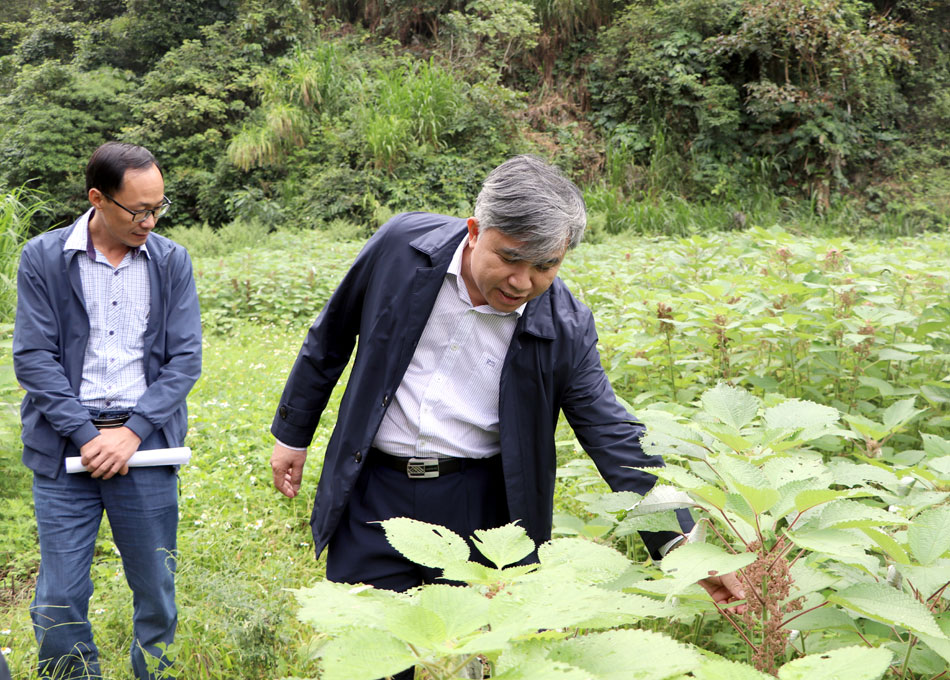
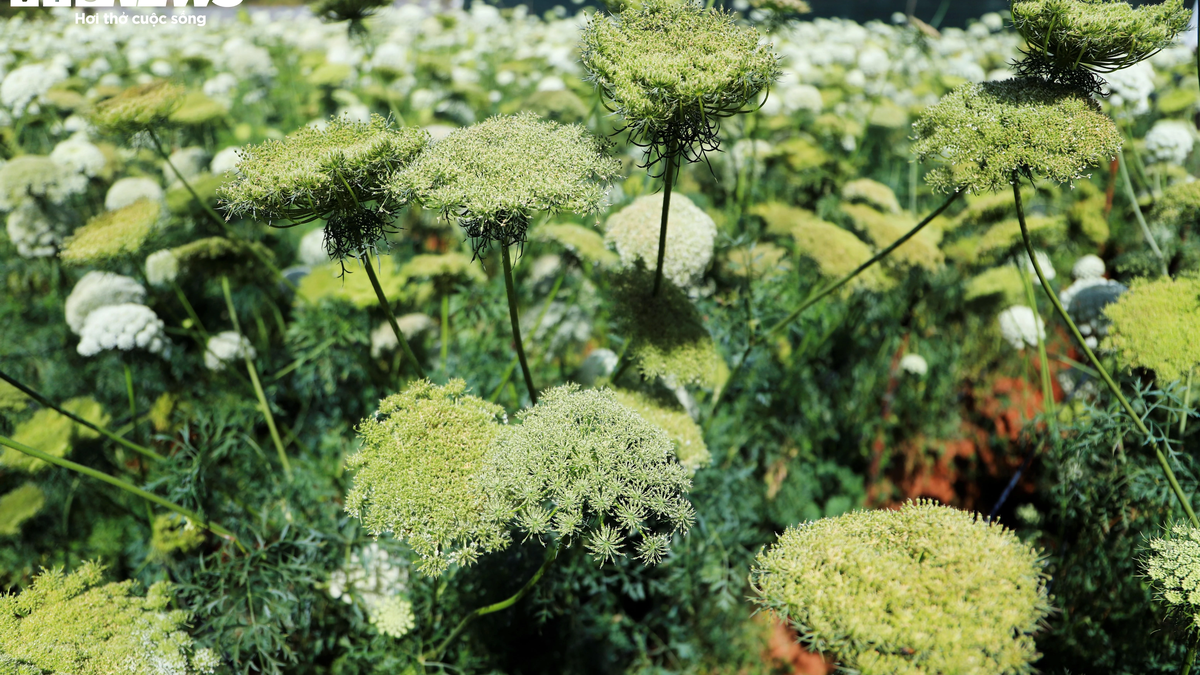
In 2023, Tủa Chùa district converted nearly 357 hectares of low-yield rice land to cultivate crops such as cassava, taro, and ramie. A typical example is the family of Mr. Sùng A Trù in Cáng Phình village, Lao Xả Phình commune. Previously, they grew upland rice, but the yield was low. They then switched to growing corn, but the prices were also unstable. After receiving information and training from commune officials on ramie cultivation techniques, his family converted 1 hectare of upland rice land to ramie cultivation.
Mr. Tru said: "Due to the suitable soil and climate, and proper technical care, the ramie plants are growing very well, and we have harvested several crops. On average, my family earns 60-80 million VND per year. Importantly, participating in the cooperative model ensures a guaranteed market for our products, preventing the situation of a bumper harvest leading to low prices."
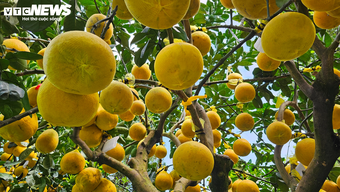
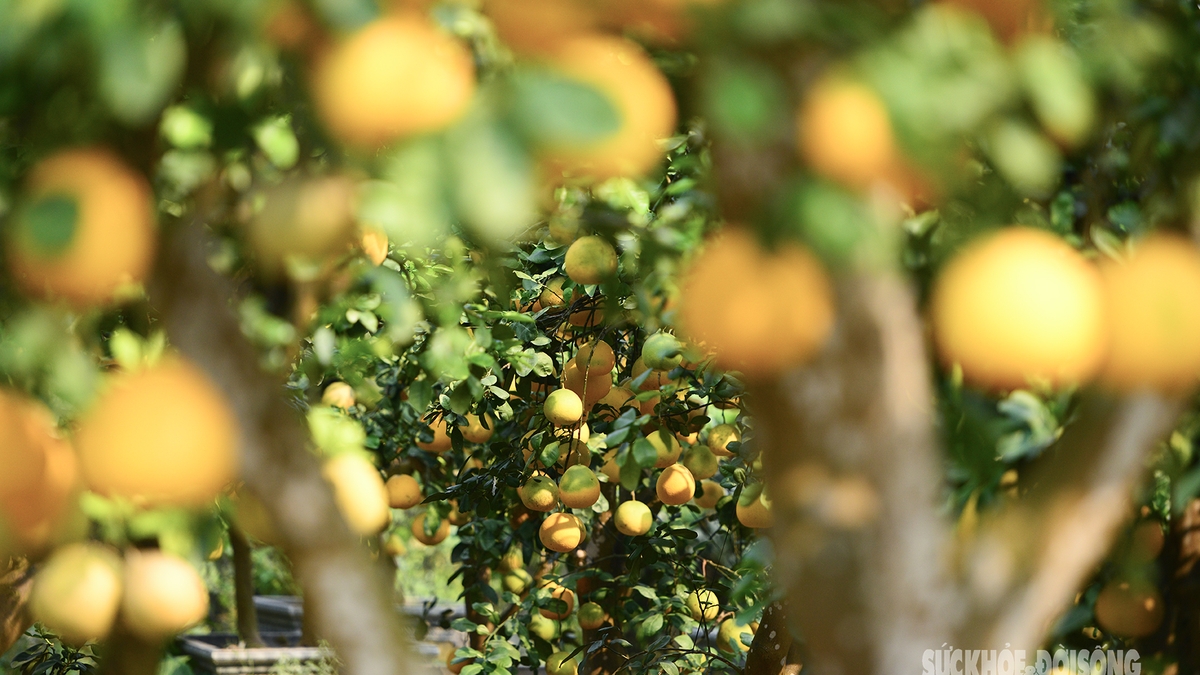
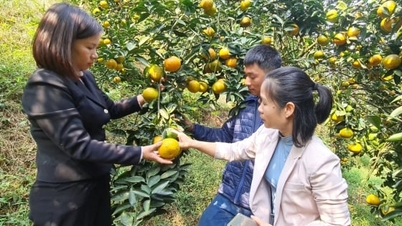
In Tuan Giao district, in 2023, the district authorities promoted and encouraged people to convert nearly 300 hectares of low-yield rice land to other crops such as fruit trees and macadamia nuts. In Pu Nhung and Rang Dong communes, while previously people only focused on growing corn and upland rice, in recent years, with the guidance and encouragement of the local Party committee and government, households have gradually switched to growing fruit trees such as mangoes, green pomelos, pineapples, and jackfruit. To date, Pu Nhung (100 hectares) and Rang Dong (50 hectares) have become concentrated fruit-growing areas in Tuan Giao district.
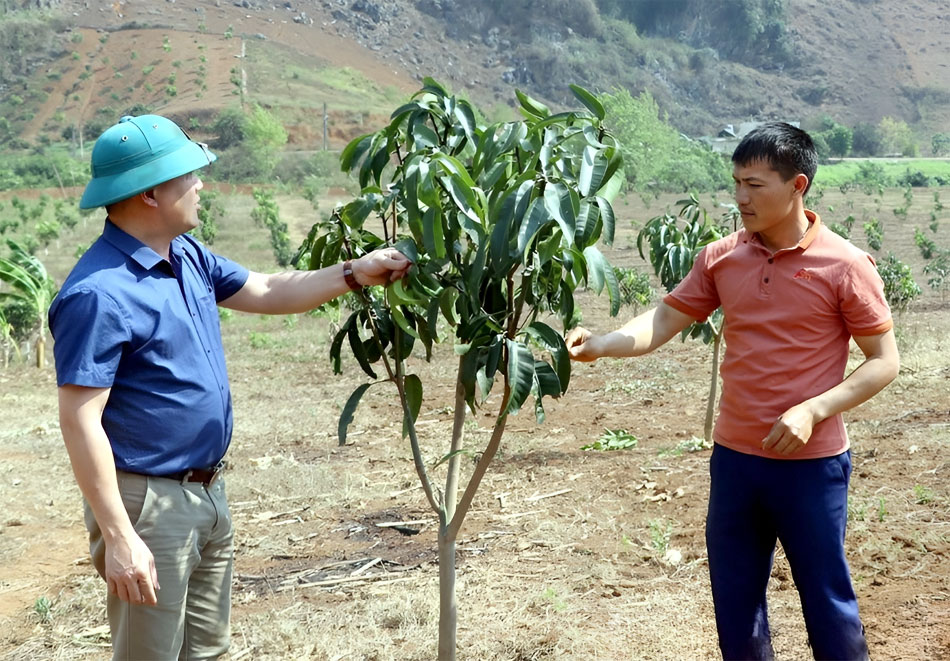
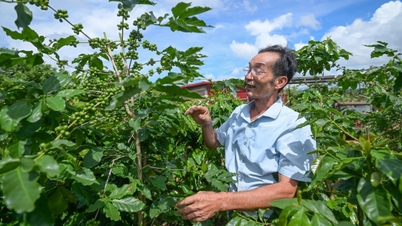
Mr. Bui Huu Van, from Rang Dong village, Rang Dong commune, is a prime example of successful crop restructuring that has yielded high economic returns. Prior to 2017, Mr. Van's family primarily cultivated upland rice, which was inefficient. In 2018, after receiving guidance and encouragement from officials of the Department of Agriculture and Rural Development of Tuan Giao district on crop restructuring, and with support in terms of seeds, fertilizers, and product distribution, Mr. Van's family switched to growing mangoes. Their mango orchard is now yielding harvests. Recognizing the effectiveness of this, many households in the village have joined and formed a cooperative for linked production.
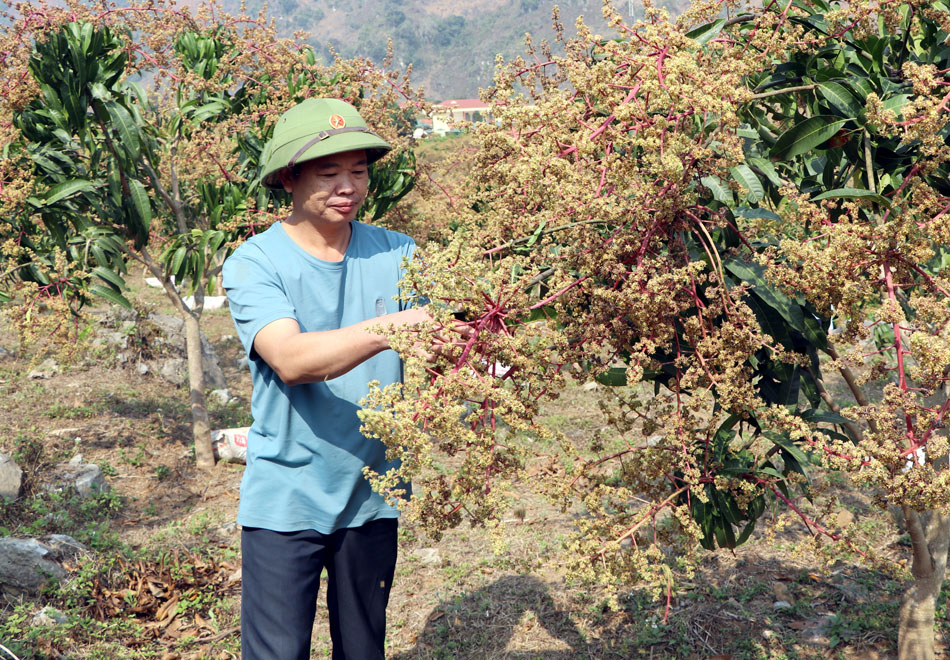
Over the years, local authorities in the province have actively promoted and encouraged people to change the crop structure and improve land use efficiency. In 2023 alone, the total area of converted rice land exceeded 2,434 hectares (including double-cropping rice paddy land, single-cropping rice paddy land, and upland rice paddy land); an increase of 851 hectares compared to 2022. Of this, over 987 hectares were converted to annual crops (ginger, taro, cassava, fodder grass, etc.); and over 1,447 hectares were converted to perennial crops (fruit trees, medicinal plants, macadamia trees, etc.). The majority of the converted areas were upland rice paddy land, accounting for 94.85% of the total area. The area converted to annual crops was over 987 hectares, and to perennial crops over 1,447 hectares. The land converted to annual and perennial crops has helped people stabilize their income (depending on the type of crop, it increases 3 to 5 times compared to upland rice cultivation); some concentrated areas for fruit trees, macadamia trees, etc., have been formed, and the lives of farmers have gradually improved.
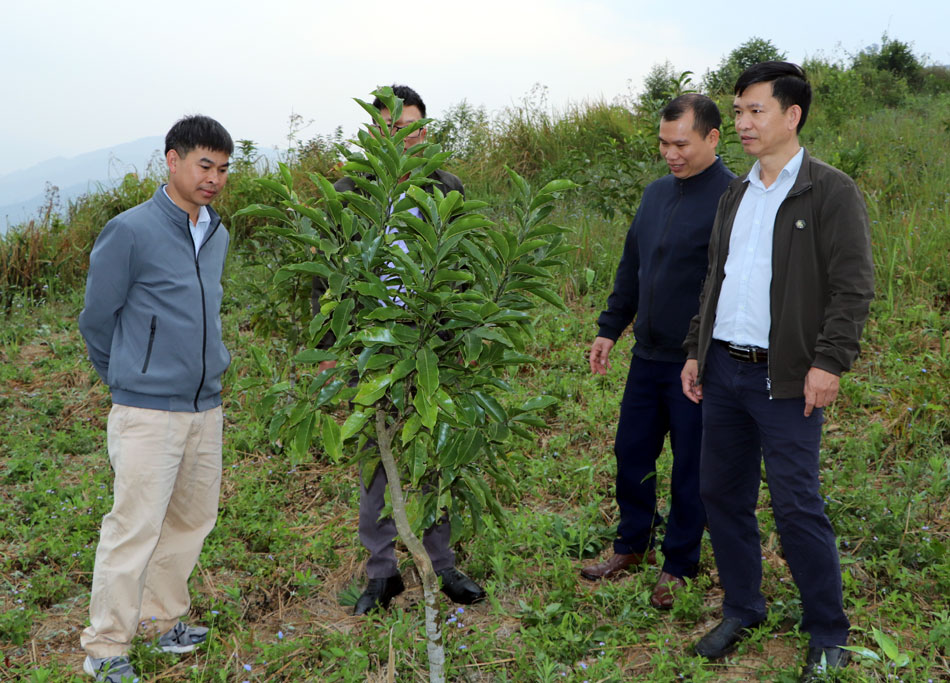
However, the restructuring of crop patterns on rice land still faces many difficulties. A segment of the population still relies heavily on state investment and support; the mobilization of funds from organizations, businesses, and households to participate in crop restructuring remains limited. The converted areas are still small and fragmented, failing to fully utilize the potential, productivity, and quality of the crops to meet market demands; the level of farming techniques and the application of scientific and technological advancements in production among the people are still limited; and post-harvest processing is still underdeveloped.
In 2024, the entire province is expected to convert over 866 hectares of land. Of this, 544 hectares will be converted to annual crops, and over 322 hectares to perennial crops. To improve land use efficiency, the Department of Agriculture and Rural Development proposes that the Crop Production Department recommend to the Ministry of Agriculture and Rural Development to continue investing in building models applying science and technology and transferring advanced techniques to ethnic minorities and areas with special difficulties; and to support attracting businesses from within and outside the province to invest in building small and medium-sized processing facilities suitable to the production conditions of mountainous provinces.
Source


























































Comment (0)