


More than 20 years ago, Cam Kim commune was still an isolated island. A rickety ferry carried me across the alluvial plains, full of reed fields, in the late afternoon sun. The reeds grew naturally, and when the fibers were mature enough, they were harvested and woven into mats. I walked along the wet, sandy riverbank. From tiny depressions in the sand, small creatures like the "mai mai" (also spelled "mai mai") emerged, looking around bewildered. They resembled freshwater crabs, but were as small as the tip of a chopstick, making them look quite amusing.
The southerly wind... blows the clouds.
According to local people's descriptions, the "may may" resembles a baby crab, usually living in brackish water at the end of rivers. This species has small legs, a body the size of a chopstick tip, and a silvery-white color. Typically, people catch them when they run ashore during low tide.
My friend, a true native of Kim Bong, spoke in a secretive tone: "The 'còi' in that folk song means scrawny, poor. As for 'khoai lang mắm mạy' (sweet potato and fermented fish sauce), you'll find out later."
Rows of coconut trees sway, their reflections shimmering on the water's surface. Perhaps due to its proximity to the river mouth, Kim Bong is renowned for its abundance of aquatic life. This has influenced the eating habits and culinary culture of the local community. The fermented fish paste (mắm mày mạy) is considered a culinary innovation of this impoverished land surrounded by water.
In Kim Bong village, nobody calls it "catching the fish," it's more accurate to call it "hunting for the fish" in our local dialect. When the southerly wind blows along the riverbank, every household prepares their tools to go fishing for the fish. The main purpose is to buy fish sauce and other food to eat throughout the year. If there's any surplus, they sell it at the market…
The wide riverbanks are often home to many rice paddies. And the way the villagers here harvest rice is quite unique! They only bring a hoe to dig ditches, place a trough made of banana leaves in it to catch the rice, make a fence, and a large basket to hold the rice. For longer trips, they use a rowboat to cross the river. Each boat trip carries about 2-3 people.
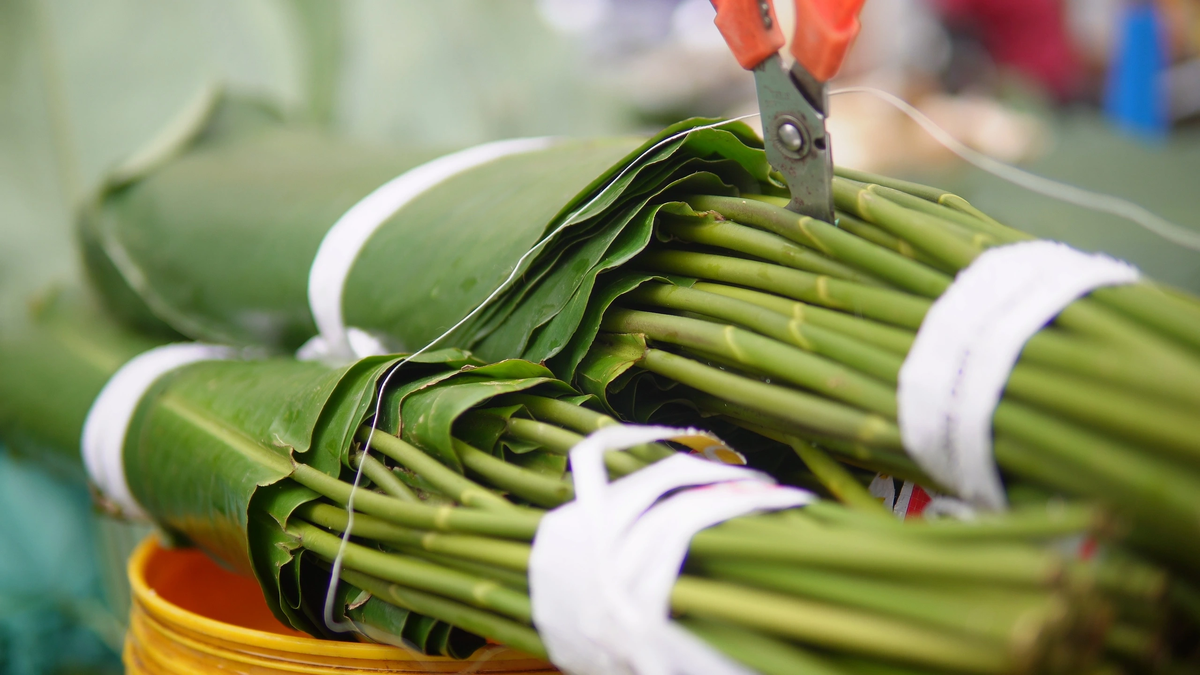
When the river water begins to recede, revealing shallow mounds of water, the tiny crustaceans emerge from the ground and crawl to the water's edge. Knowing this characteristic of these small crustaceans, the person catching them digs a trench about a handspan deep, takes a banana leaf, cuts a section about 1 meter long, bends it, and pins both ends together before placing it in the trench. When the crustaceans crawl out of their burrows to drink water, they will fall onto the banana leaf and cannot climb back up because the banana leaf is slippery.
Fish sauce during difficult times
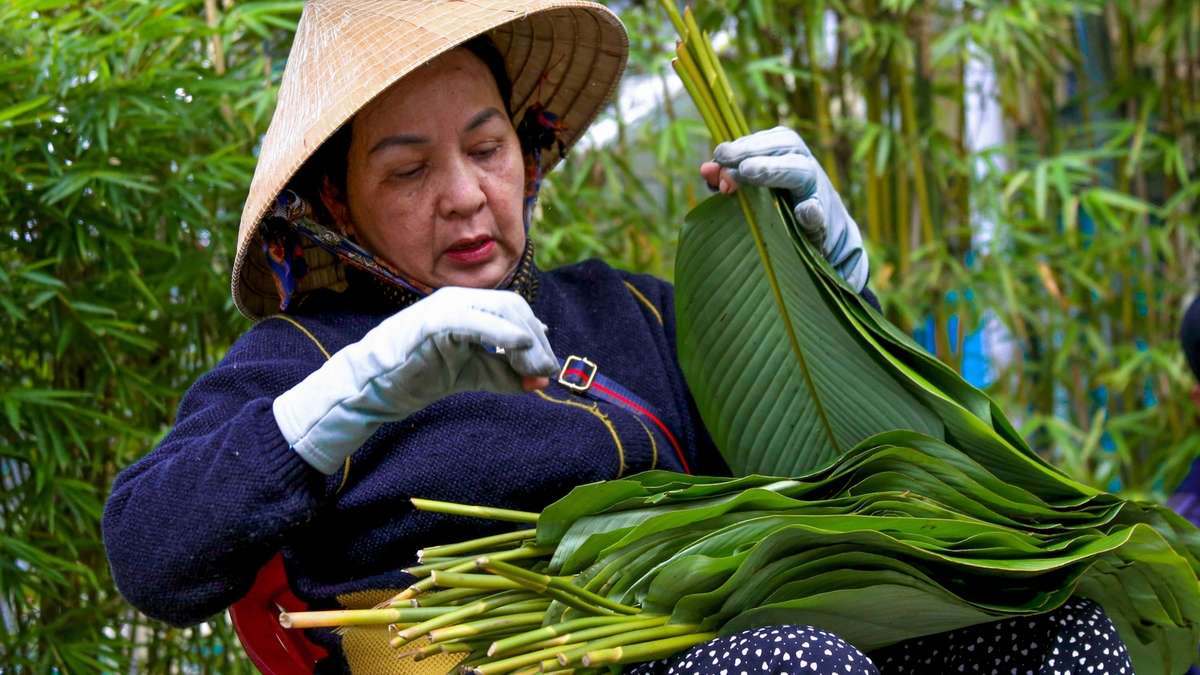
The trough made from the sheath of old banana trees looks simple but requires a lot of effort. Usually, in the morning, they have to cut down the banana trees, separate the sheaths, and bundle them together in preparation for going out to fish at noon. The people of Kim Bong cut the sheaths at both ends of the banana tree and fold them skillfully to make the trough.
After placing the banana leaf trough in the ditch, they then used the halved banana leaves to create a curved fence to lure the birds towards the trough. That completes the trap. All that remains is to leisurely stroke their beards and wait for the birds to fall into the trough…
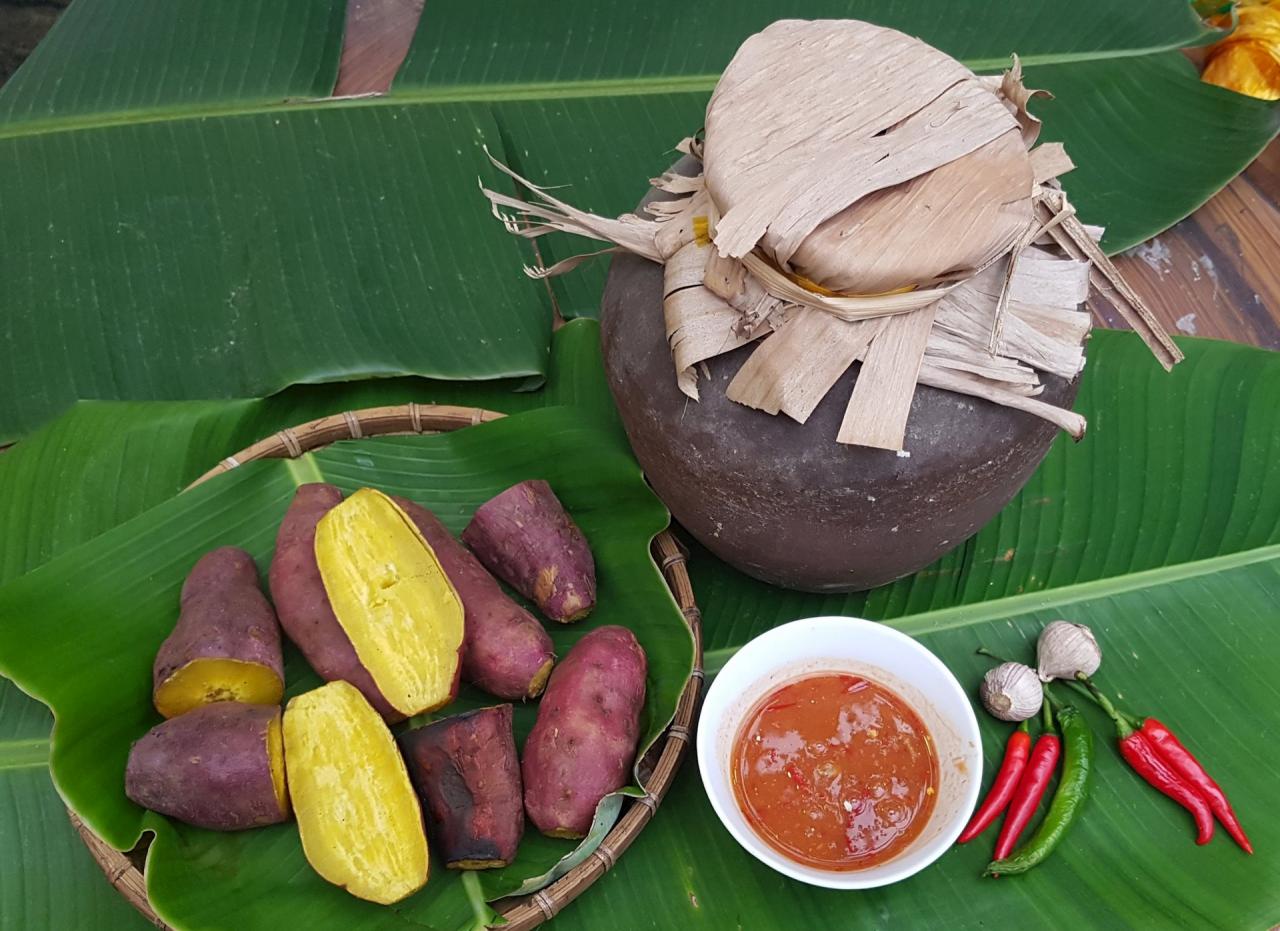
That evening, I was treated to a dish of "mắm mạy"—a type of fermented fish paste that the people of Kim Bồng and Cẩm Kim villages "value more than gold." My friend even whispered, "Mắm mạy is very rare these days; you have to run around the village begging for that much." For the whole meal of four, there was only a tiny bowl of this fish paste, so everyone ate sparingly to savor the flavors.
Similar to making fermented crab paste, the rice stalks are brought home, pounded in a stone mortar, and the juice is extracted. This mixture is then put into a jar, and a little salt and finely chopped fresh ginger are added.
Experienced fish sauce makers all agree that using rainwater to filter the fish sauce gives it a particularly delicious aroma and flavor.
If you want to eat it quickly, leave it in the sun for a few days or place it on a rack above the kitchen stove; after a few days, the fermented fish paste will be fragrant with the aroma of golden sunshine and red fire.
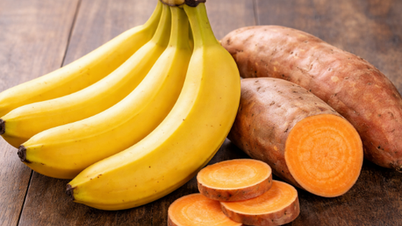
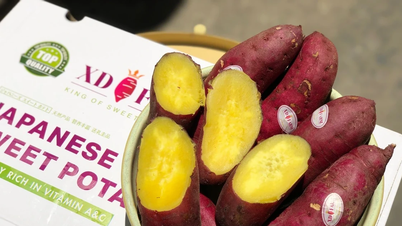
If you want to preserve it for a long time, bury the fermented sweet potato deep in the ground in a corner of the garden; after two or three months, dig it up to eat gradually... Fermented sweet potato is delicious with vermicelli, steamed fish, or rice; you can't swallow it fast enough. Especially during the lean season when there's no more rice in the bin, this dish of sweet potato-fermented sweet potato is considered a... specialty.
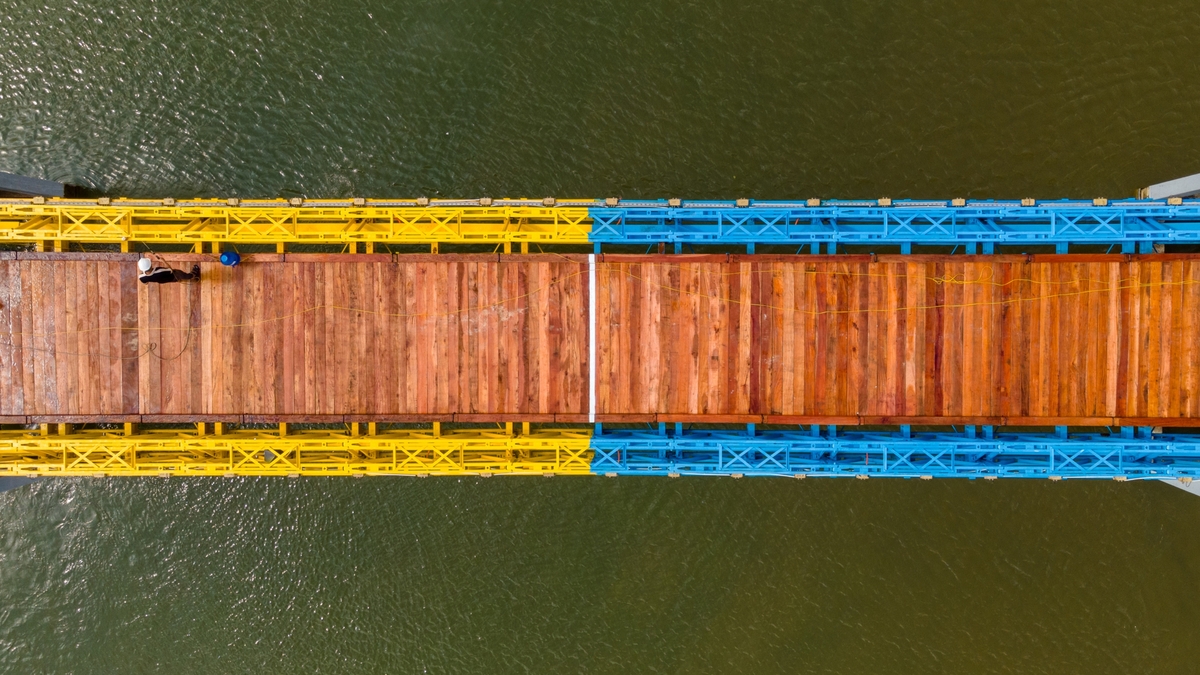
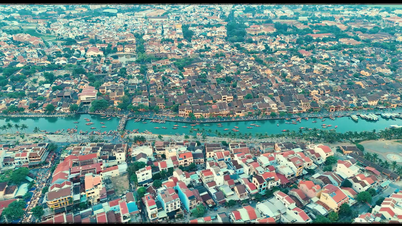
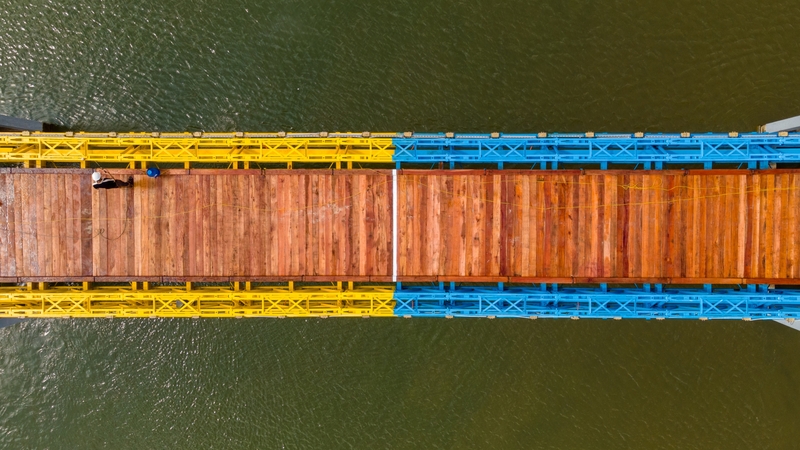
It's probably been a long time since I last returned to Cam Kim. The oasis, surrounded on all sides by the Thu Bon River, has now donned a tourist charm. The village is now prosperous and modern. The bridge across the river has made the ferry crossings of yesteryear a thing of the past.
There are so many reasons why the once-nostalgic fermented fish paste (mắm mạy) has disappeared from the culinary map of Kim Bồng, Cẩm Kim. When I visited his home, my now-old friend nodded regretfully: "Finding a bowl of this fermented fish paste to eat these days would be harder than... reaching heaven!"
Source

![[Photo] Prime Minister Pham Minh Chinh presides over a meeting of the Steering Committee for the construction of the nuclear power plant.](https://vphoto.vietnam.vn/thumb/1200x675/vietnam/resource/IMAGE/2026/02/13/1770947038316_dsc-1534-jpg.webp)










































































Comment (0)