'The hardest part of salary reform is not having money, now we have it'
Báo Thanh niên•27/05/2024
According to Minister of Labour, Invalids and Social Affairs Dao Ngoc Dung, salary reform has been in preparation for over 20 years. The biggest challenge of salary reform is the lack of funds, but this time, as reported by the Government , 680,000 billion VND has been set aside.
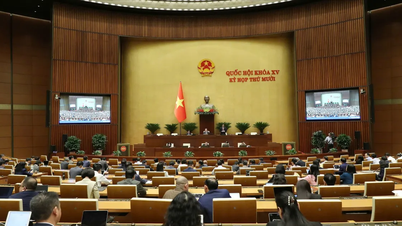
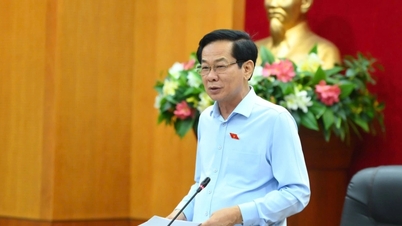
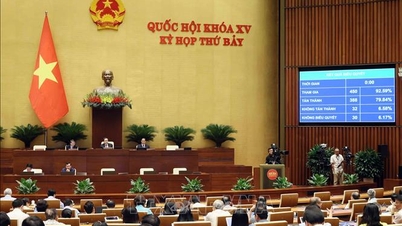
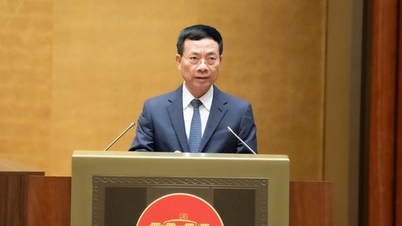
In his concluding remarks at the discussion session on the amended Social Insurance Law on the afternoon of May 27th, Minister of Labor, Invalids and Social Affairs Dao Ngoc Dung stated that Vietnam's social insurance system is still very young compared to the rest of the world , having only been in existence for 29 years, while some countries have had it for several hundred years.
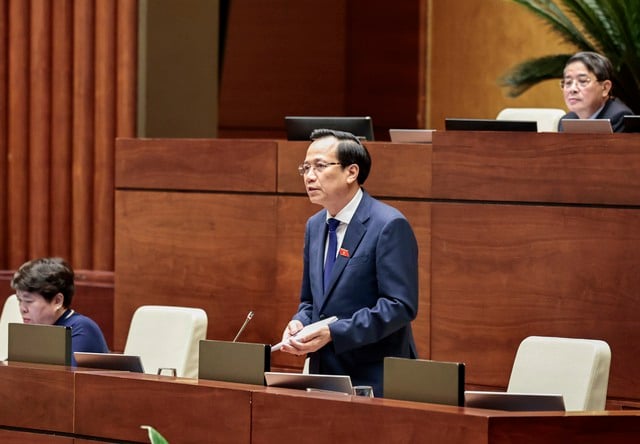
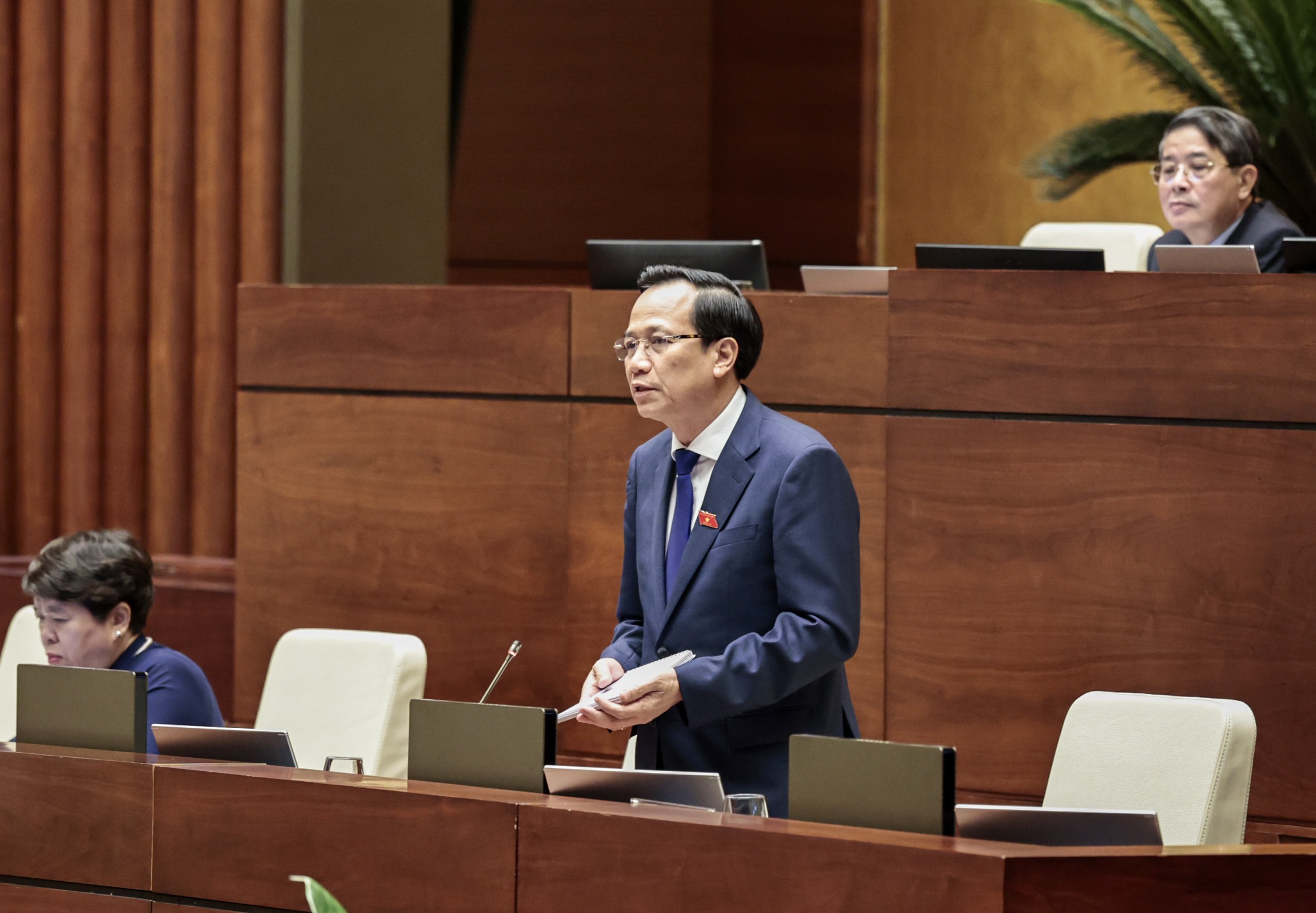
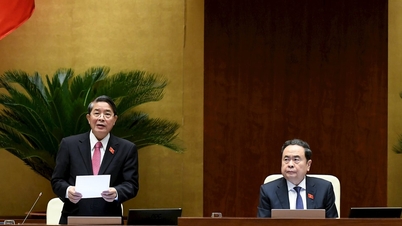
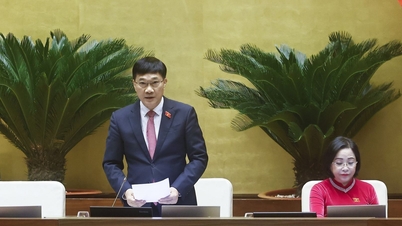
Minister of Labour, Invalids and Social Affairs Dao Ngoc Dung gave his explanation at the end of the discussion session on May 27.
GIA HAN
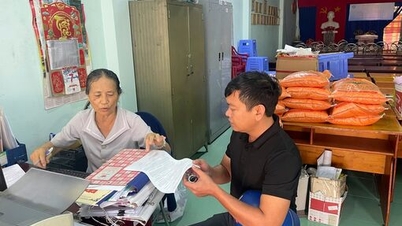
The majority of workers choose to withdraw their entire social insurance contribution in a lump sum.
Regarding the concerns raised by delegates about receiving a lump-sum social insurance payment, Mr. Dung stated, "This is the most sensitive issue in the law, a complex matter." However, this issue has a solid political basis stemming from Resolution 28 of the Central Committee, discussed over two National Assembly sessions. "The biggest goal of receiving a lump-sum social insurance payment is to simultaneously achieve the long-term social security goals of the country. It ensures that the elderly retiree receive a pension, but also takes into account the current living conditions of workers who wish to withdraw their social insurance. Each person has different circumstances, and for various reasons, they withdraw and then contribute again," the Minister of Labor, Invalids and Social Affairs stated. Why does the draft law need to include a provision for a lump-sum social insurance payment, even though it is not in the laws of other countries, especially developed countries? According to Minister Dung, this stems from the needs of the workers themselves. Resolution 93/2015/QH13 was created to address the situation, but it cannot be removed now due to the social consequences. According to Minister Dung, the government proposed two options for a one-time social insurance withdrawal, consulted with international organizations, and held research workshops to discuss solutions. On May 22, the government met to hear opinions and finalized these two options. "After consideration, experts assessed that combining the two options would only add disadvantages instead of advantages. Therefore, the government proposed to the Standing Committee of the National Assembly and the National Assembly to allow the selection of one of the two options," Mr. Dung said. The Minister of Labor, Invalids and Social Affairs also cited that the drafting agency had widely consulted with workers. Reports from five localities with the highest withdrawal rates in the Southeast region showed that the vast majority chose option 1, with very few choosing option 2.
The sick leave and maternity fund's revenue is insufficient to cover expenses.
Regarding the suggestion to increase benefits under the sickness and maternity policy, the Minister of Labor, Invalids and Social Affairs stated that this is a short-term fund, not a long-term one, with the highest level of sharing among all funds. "However, in practice, the fund has been in deficit in recent years, with revenue not covering expenses. The expenditure/revenue ratio in 2017 was negative 2.13%, in 2019 it was negative 2.85%, and it will only balance revenue and expenditure in 2023. Although this is a legitimate aspiration, increasing the policy would not guarantee immediate revenue collection. Further increases at this time are inappropriate because the balance has not yet been achieved," Minister Dao Ngoc Dung stated, adding that there must be a balance between policy, benefits, and the fund's ability to balance revenue and expenditure. Regarding mandatory social insurance participation, Resolution 43 aims for 60% coverage by 2030, so expanding social insurance is inevitable. All developed countries require mandatory tax and social insurance contributions. According to Minister Dung, those who are clearly qualified and meet the criteria should be stipulated directly in the law. However, the current labor market is very flexible, with individuals having many different relationships, "working for one employer during the day and another at night; if it's rigidly defined in the law, it won't be effective." Therefore, he proposed delegating the authority to the National Assembly Standing Committee to make decisions for greater flexibility.
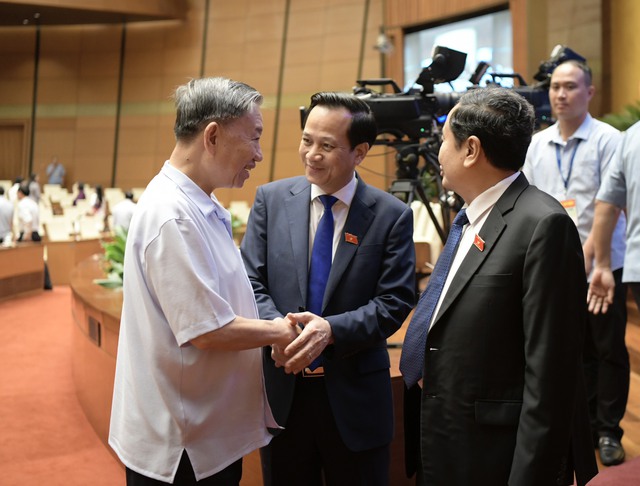
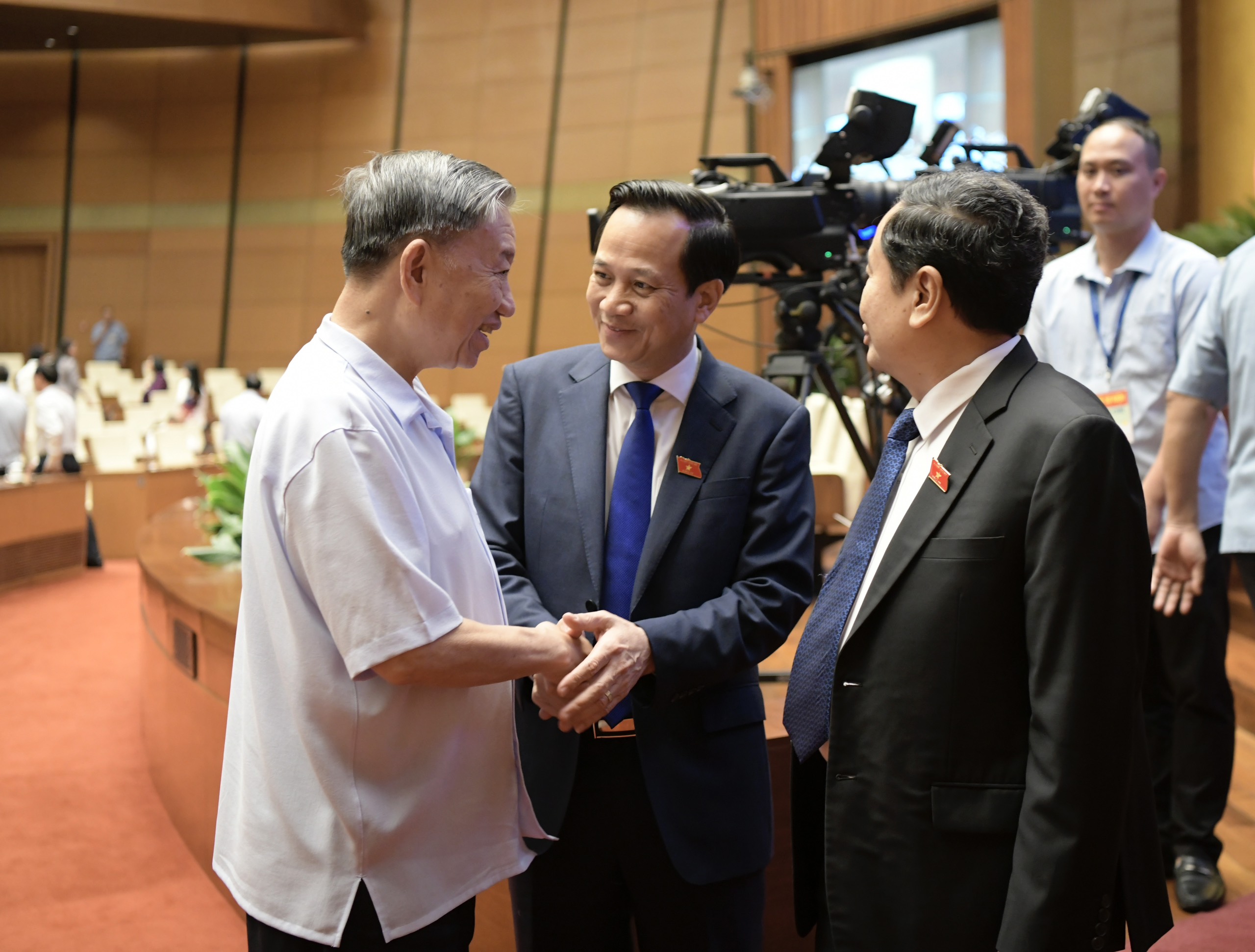
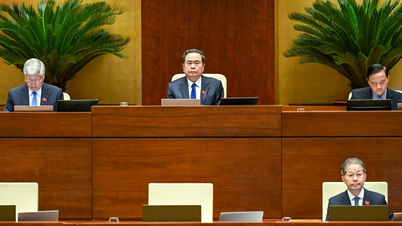
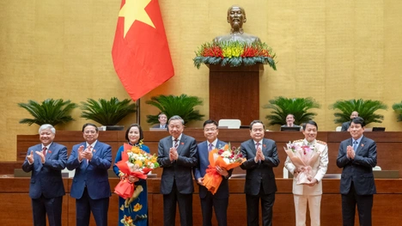
President To Lam, National Assembly Chairman Tran Thanh Man, and Minister Dao Ngoc Dung at the session.
GIA HAN
Regarding salary reform, the leaders of the Ministry of Labor, Invalids and Social Affairs stated that preparations have been underway for over 20 years. "The biggest challenge in salary reform is the lack of funds, but this time we have the money. The government reports that it has allocated 680,000 billion VND for salary increases," Mr. Dung stated. However, salary reform remains a new and complex issue. The core of salary reform is paying salaries based on job positions, which must be defined by three factors: stability, longevity, and regularity. Addressing concerns from many delegates about the "reference level," the Minister of Labor, Invalids and Social Affairs explained that the "reference level" is essentially a new concept replacing the base salary, as Resolution 27 clearly states the abolition of the base salary. Accordingly, the reference level is calculated based on the CPI and actual costs. "If Resolution 27 remains in effect and is not immediately repealed, the current base salary of 1.8 million VND will continue to be used. Later, whatever amount Resolution 27 increases, that will still be the base salary and the reference level. Applying this reference level will be more long-term, in case the base salary is abolished," Mr. Dung stated.
The government has proposed two options for withdrawing social insurance contributions in a lump sum: Option 1 only allows those who participated in social insurance before the law takes effect (expected July 1, 2025) to withdraw their social insurance contributions in a lump sum. Those who participated after this date will not be allowed to withdraw. The conditions for this group to be eligible are: 12 months of not being subject to mandatory social insurance, not participating in voluntary social insurance, and having contributed to social insurance for less than 20 years, and submitting a request to receive a lump-sum social insurance payment. Option 2 allows employees to withdraw their social insurance contributions in a lump sum, but not exceeding 50% of the total time they have contributed to the retirement and death benefit fund. The remaining time contributed to social insurance will be preserved for the employee to continue participating in and receiving social insurance benefits.

















































































Comment (0)