

Diverse, unique
Ninh Binh cuisine is known for its abundance and sophistication, with diverse preparation methods. Besides the signature dishes, each region boasts its own famous delicacies, becoming local specialties. Many dishes have even been immortalized in poetry and folk songs, embodying the spirit and sentiment of the people of the ancient capital.
While Nho Quan is famous for its mountain-flavored delicacies like ant egg sticky rice, forest honey, and golden flower tea, Gia Vien scores points with dishes from the lowland rice paddies such as stuffed snails, straw-grilled fish, and shrimp paste. It's no wonder that the folk verse "If you want to eat crab and stuffed snails, marry your daughter to a man from the lowland rice paddies" still circulates, referring to the abundance and diversity of local produce, and subtly reflecting the hardworking and resilient character of the people in the lowland rice paddies.
Heading south in the province, visitors are immersed in tea and pineapple hills, teeming with a myriad of fruits and produce. Particularly noteworthy is Ba Trại green tea – a renowned local delicacy, as the saying goes: "The wise drink Trại tea. The foolish drink Me tea. If you don't listen to your mother, drink Bồng Lạng tea."
In Yen Mo district, the famous dishes include pork sausage with eggs, rice cakes, and Yen Mac spring rolls, leaving diners captivated and exclaiming, "Holding a gourd of wine and a handful of spring rolls, I'm so engrossed I forget your words…". Yen Khanh district boasts various types of cakes. Kim Son district is famous for its pork leg salad, eel salad, vermicelli with meatballs, and rice wine.
Hoa Lu District boasts dishes such as goat meat, crispy rice, royal snakehead fish, and Tong Truong perch. Among these, Ninh Binh goat meat was once recognized by the Vietnam Record Center as one of the 50 Vietnamese specialties.
In addition, Ninh Binh city has also developed food streets and avenues, attracting many diners from near and far. Examples include Street 8 food street, Van Giang breakfast street, and the Hoa Lu Old Town food area.
According to Mr. Nguyen Thanh Long, Head of the Restaurant Branch of the Provincial Tourism Association, the appeal of the culinary culture of the ancient capital lies not only in the diversity and richness of flavors and colors of the dishes, but also in the knowledge, techniques, professional secrets, and stories surrounding them, reflecting the rich historical and cultural heritage of each region and land.
Sophistication lies not only in taste but also in the choice of how to eat – which dishes go well together, which foods are in season… Often, through these small details, both the diner and the cook demonstrate the accumulated wisdom and refinement of culinary culture.
Elevating the culinary traditions of our homeland.
Ninh Binh is a region with a tropical monsoon climate, and its topography includes mountains, hills, plains, rivers, swamps, and coastal areas. Therefore, it is home to a diverse and abundant variety of plants and animals, creating a wonderful source of natural ingredients for the cuisine of the ancient capital. Furthermore, Ninh Binh is located at the intersection of many cultures, bearing the characteristics of a rice-farming civilization. Throughout their lives and development, the people of Ninh Binh have absorbed and preserved culinary values based on the traditions passed down from their ancestors.
Through the influence of modern trends, the dishes of Ninh Binh, the ancient capital, have been transformed, stylized, and refined into more exquisite and artistic forms. Beyond meeting the daily culinary needs of the people, Ninh Binh's cuisine is being elevated and prepared to serve diners as local specialties. Exploiting the potential of its cuisine in tourism development is one of the priority directions to be pursued.
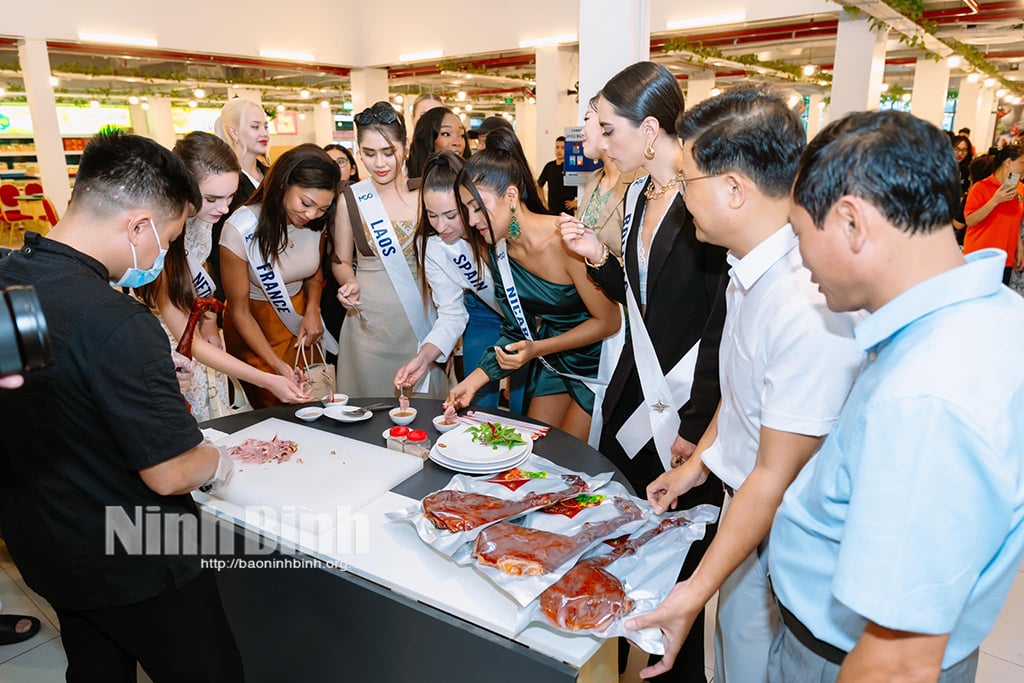
Mr. Vu The Binh, Chairman of the Vietnam Tourism Association, said: Culinary tourism is becoming a fairly popular type of tourism in many countries, including Vietnam. There, tourists not only get to experience food and drinks, but also the cultural identity and life of the community at the destination.
Possessing a rich and diverse culinary tradition, along with the finest aspects of preparation and enjoyment accumulated over thousands of years of history, Ninh Binh has the potential to develop culinary tourism. "Ninh Binh needs to consider its cuisine as a form of heritage to develop strategies for preservation, enhancement, and development. This should focus on emphasizing cultural stories, historical narratives, and the stories behind the craft to breathe life into each dish," Mr. Binh added.
In recent times, businesses and localities have also leveraged culinary traditions to develop tourism, such as participating in fairs, organizing traditional food festivals, building tours to explore and experience rural tourism, and cooking with locals. Thanks to these initiatives, tourists have the opportunity to enjoy regional specialties and gain a deeper understanding of the culture, history, and daily life of the local communities.
Notably, Ninh Binh was the first locality to establish a Restaurant Association within the Vietnamese tourism industry. This is one of the efforts demonstrating solidarity and determination to build and develop the restaurant sector, making Ninh Binh cuisine even more prominent on the national culinary map.
According to Mr. Pham Duy Phong, Deputy Director of the Department of Tourism, exploiting the strengths of the local cuisine will contribute to providing tourists with enjoyable and fulfilling experiences when they visit the ancient capital. This direction will contribute to promoting agricultural tourism and rural tourism, aiming for sustainable development.
Over the past period, the Department has also collaborated with units, organizations, and culinary experts to research and recreate the cultural space of ancient royal cuisine, especially the dishes of the emperors and kings in the ancient capital of Hoa Lu. The Ninh Binh Tourism and Culinary Festival will be held soon, which will include a competition for royal offerings, providing an opportunity to preserve and promote the culture, history, and especially the culinary essence of the ancient capital.
Minh Hai
Source: https://baoninhbinh.org.vn/khai-thac-am-thuc-co-do-de-phat-trien-du-lich/d20240925214828422.htm


![OCOP during Tet season: [Article 4] Elevating local products](/_next/image?url=https%3A%2F%2Fvphoto.vietnam.vn%2Fthumb%2F402x226%2Fvietnam%2Fresource%2FIMAGE%2F2026%2F01%2F29%2F1769652810578_2935-z6982071462129_649e82db06fb2f2ea701388b1f5f5b0b-173322_176-185229-202804_457.jpeg&w=3840&q=75)


![OCOP during Tet season: [Part 3] Ultra-thin rice paper takes off.](/_next/image?url=https%3A%2F%2Fvphoto.vietnam.vn%2Fthumb%2F402x226%2Fvietnam%2Fresource%2FIMAGE%2F2026%2F01%2F28%2F1769562783429_004-194121_651-081010.jpeg&w=3840&q=75)

![OCOP during Tet season: [Part 2] Hoa Thanh incense village glows red.](/_next/image?url=https%3A%2F%2Fvphoto.vietnam.vn%2Fthumb%2F402x226%2Fvietnam%2Fresource%2FIMAGE%2F2026%2F01%2F27%2F1769480573807_505139049_683408031333867_2820052735775418136_n-180643_808-092229.jpeg&w=3840&q=75)



Comment (0)