

According to Assoc. Prof. Dr. Do Van Dung - Head of the Public Health Department, Ho Chi Minh City University of Medicine and Pharmacy, three groups of nutrients that are good for the brain and should be increased for students preparing for exams are iron, iodine, and DHA.

Assoc. Prof. Dr. Do Van Dung - Photo: Provided by the interviewee
To prepare for upcoming exams, students need to balance nutrition, exercise, rest, and also increase their intake of brain-boosting foods.
DHA
DHA plays a crucial role in the formation of nerve cell membranes. Therefore, this substance supports brain development, including memory, learning, behavior, repairing damaged nerve cells, protecting eyesight, and supporting positive emotions.
The main foods rich in DHA are oily fish such as mackerel, sardines, salmon, anchovies, and herring. Eat at least two servings of oily fish a week.
Other good foods containing ALA, a precursor to DHA and EPA, include: certain nuts (walnuts, pumpkin seeds, etc.); leafy green vegetables, such as kale; spirulina; and oils from flaxseed and rapeseed.
Iron
Iron is an essential component of hemoglobin in red blood cells, which carries oxygen to the brain to meet the energy needs of brain cells. Iron is necessary for normal nerve function. Iron deficiency can lead to anemia, weakness, and a reduced ability to fight infections.
Main iron-rich foods include red meat, liver, legumes (lentils, green beans, etc.), leafy green vegetables, and occasionally bread and cereals can be added.
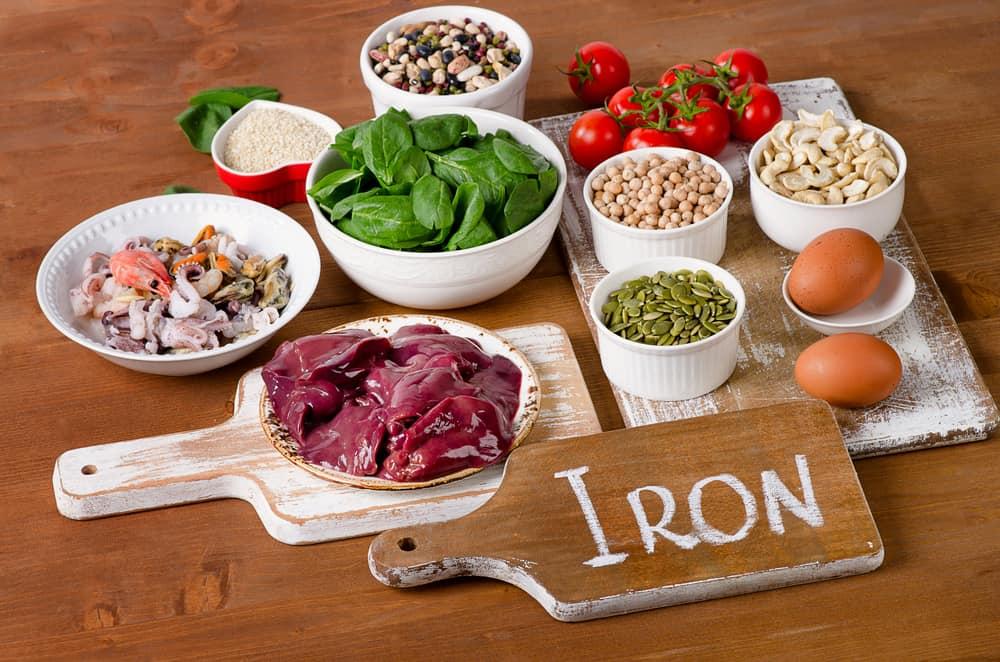
Red meat, liver, and legumes are foods rich in iron - Photo: Ho Chi Minh City Nutrition Center
Iodine
Iodine is a crucial component of thyroid hormones, which are essential for brain development and function in adults. Significant iodine deficiency can cause hypothyroidism, which can lead to cretinism and severely impair brain development.
But even mild iodine deficiency during pregnancy can restrict a child's brain development, leading to lower intelligence and poorer social skills as they grow older.
Main foods rich in iodine: Seafood, meat, dairy, and some cereals.
In general, regarding nutrition, you should eat healthy, varied foods and drink enough water (about 2 liters/day); avoid foods that negatively affect the body: too much sugar and carbohydrates, too much fat, too much sweets, etc.
For students during exam season, two additional points regarding diet are important: easily digestible and familiar foods; and food safety and hygiene.
Get enough sleep, and exercise regularly.
In addition to the essential nutrients and brain-boosting substances mentioned above, students need to have an active lifestyle and be physically fit.
Physical activity improves blood circulation and concentration. A healthy and positive lifestyle helps students maintain a positive mindset, think more positively, and foster creativity in their studies.
Children also need to get enough sleep. Eight hours of sleep is ideal for brain rest. Good quality sleep improves cognitive abilities. Conversely, poor quality sleep increases anxiety and fatigue.
 When will exam season finally be less stressful?
Source: https://tuoitre.vn/hoc-sinh-an-gi-de-co-duong-chat-tot-nhat-cho-mua-thi-20250303173801417.htm


![[Image] Vietnam's colorful journey of innovation](/_next/image?url=https%3A%2F%2Fvphoto.vietnam.vn%2Fthumb%2F1200x675%2Fvietnam%2Fresource%2FIMAGE%2F2025%2F12%2F14%2F1765703036409_image-1.jpeg&w=3840&q=75)





























































![[Image] Vietnam's colorful journey of innovation](https://vphoto.vietnam.vn/thumb/402x226/vietnam/resource/IMAGE/2025/12/14/1765703036409_image-1.jpeg)































Comment (0)