

Recently, Khanh Hoa province piloted a Key Performance Indicator (KPI) system to measure the quality of work of its officials, civil servants, and public employees.
Recently, Khanh Hoa province piloted a Key Performance Indicator (KPI) system to measure the quality of work performed by its officials, civil servants, and public employees. This is an important step in improving the efficiency of management and the quality of service provided by the local government apparatus.
KPIs (Key Performance Indicators) were developed in the United States in the 1980s, but it wasn't until 1992 that this method was widely adopted. Since then, KPIs have been applied by many countries, businesses, agencies, and organizations around the world , including Vietnam. However, the KPI sets have been modified to suit the scale, operation, goals, and requirements of each organization.
How do other countries apply KPIs in public administration ?
Some government agencies in the United States have adopted KPIs to measure job performance by applying the "Balanced Scorecard" (BSC) criteria.
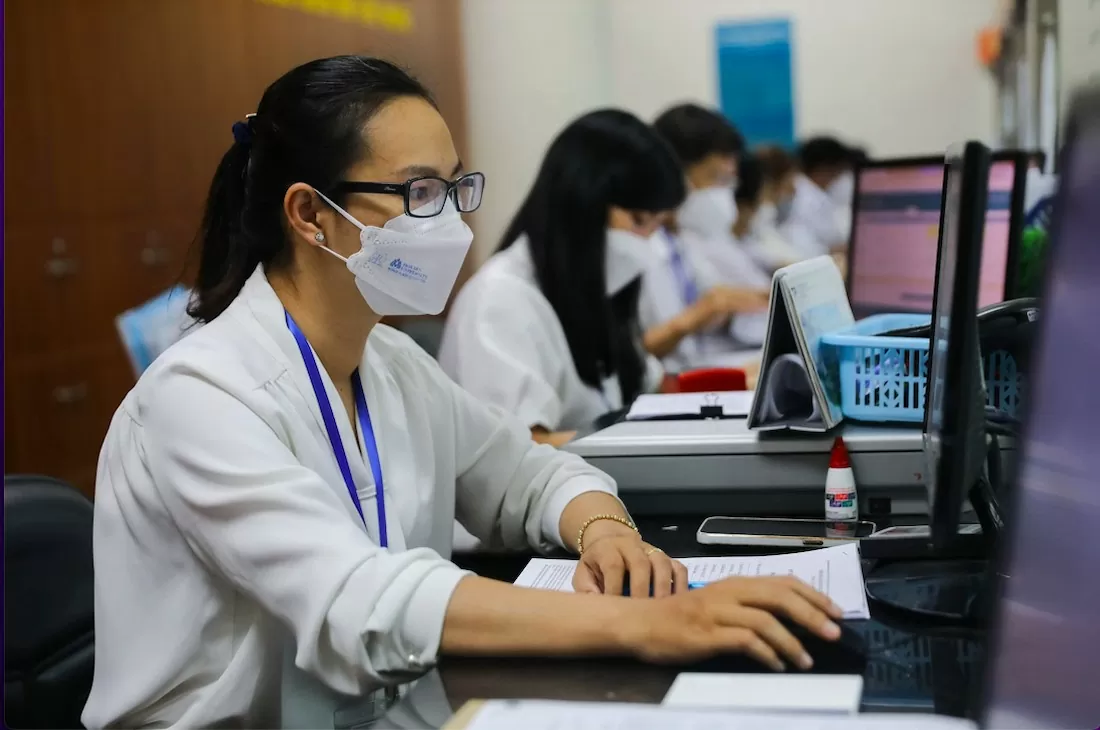 |
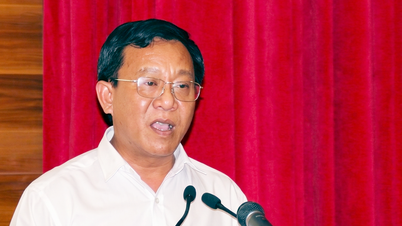
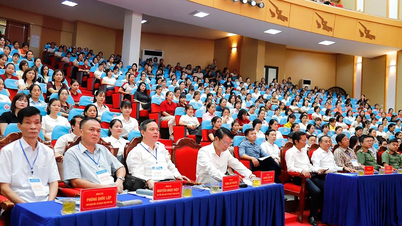
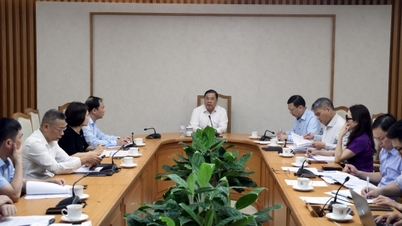
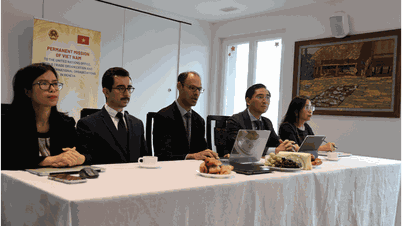
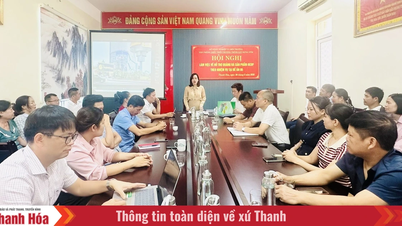
| Khanh Hoa province is piloting the application of KPIs for its staff, civil servants, and public employees. (Illustrative image) |
For example, the U.S. Office of Budget and Administration (OSHA) saw federal agencies reduce administrative costs by approximately 5% within the first two years after implementing the Balanced Scorecard (BSC). Agencies were able to allocate budgets more effectively, with about 90% of government programs completed on time and meeting budget targets (compared to 75% before implementing the BSC).
Singapore is also a prime example of applying KPIs to improve the performance of its officials and civil servants. The Singaporean government has developed a KPI-based performance evaluation system called the "Public Service Performance Framework." This system includes indicators such as the quality of public services, citizen satisfaction, and the ability to respond quickly and effectively to problems. Notably, in Singapore, KPIs not only assess work performance but also consider factors such as creativity and innovation. This motivates officials and civil servants to maximize their creativity and improve work processes.
In Japan, the government uses metrics such as processing time, citizen satisfaction, and budget spending efficiency to ensure transparency and effectiveness. One important method is the PDCA (Plan - Do - Check - Act) system, which helps to continuously monitor and improve public policies. For example, in the transportation sector, Japan aims to reduce train delay rates (Plan), implement real-time monitoring technology (Do), evaluate data on delays (Check), and adjust maintenance steps or train schedules to optimize efficiency (Act). By applying KPIs and PDCA, Japan can quickly adjust policies, improve public administration efficiency, and provide better services to its citizens.
What can Khanh Hoa learn from international experience?
Currently, Khanh Hoa is in the process of developing KPI evaluation criteria. Therefore, experiences from international sources can help Khanh Hoa create a complete, optimized, and feasible set of tools to evaluate and improve the work efficiency of officials, civil servants, and public employees, as well as the quality of service provided by the state administrative apparatus in the future.
Khanh Hoa could study Japan's experience in applying the PDCA cycle to continuously monitor and improve administrative procedures, such as shortening the time for issuing business licenses.
Alternatively, we could build a civil servant evaluation system that is not only based on performance but also encourages creativity in the workplace, following the Singapore model. In addition, the US Balanced Scorecard (BSC) model could help optimize budgets and ensure public projects are completed on schedule.
The application of the KPI system in evaluating the productivity and work capacity of officials and civil servants in Khanh Hoa demonstrates a strong commitment to administrative reform. However, to be truly effective, the system needs flexibility in developing KPI indicators, combined with rigorous training and supervision, and learning from the experiences of other countries. Only then can the quality of work of officials and civil servants be improved, promoting the sustainable development of local government.
The Japanese PDCA model: PDCA (Plan - Do - Check - Act) is a popular quality management model, widely adopted in Japan to improve work performance in both the public and private sectors. It is an iterative process designed to help organizations continuously improve efficiency and service quality. The steps include: Plan: Identify the problem to be solved, set specific goals, and develop an implementation plan. For example, the government might aim to reduce the time it takes to process administrative documents by digitizing the document reception process. Do (Execution): Implement the plan exactly as outlined. When applying the online registration system, Japanese agencies test the process on a small group before expanding it. Check (Check, evaluate): Compare actual results with targets, identify strengths and weaknesses. For example, after 3 months of implementing online registration, the Tokyo government collected feedback from citizens to assess satisfaction levels. Action (Improvement Action): Based on the assessment, adjust the process to optimize efficiency. When many records are found to be erroneous due to incorrect information entry, the system needs to be improved by adding an automatic error checking function. |
Source: https://congthuong.vn/khanh-hoa-thi-diem-kpi-hoc-gi-tu-kinh-nghiem-quoc-te-376115.html
![[Photo] The heat at the fireworks display site on the opening night of the Da Nang International Fireworks Festival 2026](https://vphoto.vietnam.vn/thumb/1200x675/vietnam/resource/IMAGE/2026/05/27/1779889741485_ndo_br_z7872039145157-fecaba5112f39e8352544099d7ef4738-5140-jpg.webp)


![[Photo] The courage of new recruits of Brigade 144 on the training ground.](https://vphoto.vietnam.vn/thumb/1200x675/vietnam/resource/IMAGE/2026/05/27/1779881651341_anh-man-hinh-2026-05-27-luc-18-32-52.png)





















































![[Photo] The courage of new recruits of Brigade 144 on the training ground.](https://vphoto.vietnam.vn/thumb/402x226/vietnam/resource/IMAGE/2026/05/27/1779881651341_anh-man-hinh-2026-05-27-luc-18-32-52.png)























Comment (0)