


Tobacco smoke can linger on surfaces for a long time, and contact with these surfaces increases the risk of cancer, fatty liver disease, and pulmonary fibrosis.
Tobacco smoke can cling to surfaces, objects, and fabrics in a room—on floors, walls, clothes, furniture, toys, curtains, beds, and carpets. Even after quitting smoking, tobacco smoke residue persists for months, even years. A 2014 study by the University of California Riverside showed that secondhand smoke can remain on surfaces, especially fabrics and furniture, for 19 months.
Secondhand smoke enters the body in three ways: ingestion, inhalation, and absorption. You can swallow nicotine and other chemicals from cigarette smoke if you touch a smoke-covered surface and then put your hands to your mouth. Children can ingest them by putting objects contaminated with cigarette smoke in their mouths.
Cigarette smoke releases pollutants into the air, and people can inhale these harmful substances that cling to fabrics, pillows, curtains, etc. Nicotine and other chemicals remaining after smoking can be absorbed through the skin. Children have thinner skin, so they are at higher risk of developing these diseases than adults.
Secondhand smoke contains nicotine and chemicals such as arsenic, benzene, butane, cyanide, and formaldehyde, which increase the risk of cancer and other diseases.
Cancer : According to a 2014 review by the University of York, UK, based on 80 studies, secondhand smoke can react with common indoor and airborne pollutants to form new toxins with a higher potential for causing disease. For example, nitrous oxide (produced from fuel combustion and wastewater emissions) when mixed with chemicals in secondhand smoke creates nitrosamines, which cause cancer of the lungs, liver, mouth, stomach, and esophagus.
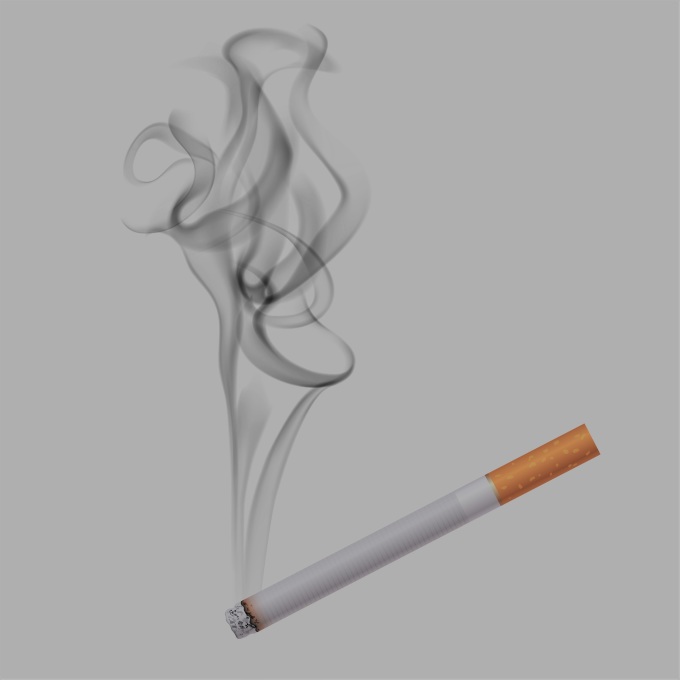
Cigarette smoke contains chemicals that are harmful to health. Photo: Freepik
Coronary thrombosis : Frequent exposure to secondhand smoke can increase the risk of blood clots. A 2015 study by Western University School of Health Sciences in the US indicated that smoking and exposure to secondhand smoke increase the risk of acute coronary thrombosis, which obstructs blood flow to the heart and can cause heart attacks.
Fatty liver disease : Absorbing cigarette smoke stimulates the accumulation of fat in liver cells, increasing the likelihood of developing fatty liver disease. Over time, this can progress to cirrhosis and liver cancer.
Hyperactivity : According to a 2014 study by the University of California, USA, on 50 children, passive smoking was linked to hyperactivity in children. This may be because nicotine in cigarette smoke acts as a stimulant to the central nervous system.
Slow wound healing : A 2016 study by the University of California, USA, showed that exposure to toxins in secondhand smoke on surfaces delays and reduces wound healing because they disrupt the normal wound healing processes. Chemicals in cigarette smoke impair the wound's ability to deposit collagen, alter inflammatory responses, and reduce angiogenesis, leading to slower healing.
Insulin resistance : According to the Lawrence Berkeley National Laboratory in the US, passive smoking causes oxidative damage and reduces insulin receptors on pancreatic cells, increasing the risk of insulin resistance, leading to type 2 diabetes.
Pulmonary fibrosis : Inhaling or inhaling secondhand smoke affects collagen production in the smaller airways (bronchioles) and air sacs (alveoli) of the lungs, leading to pulmonary fibrosis (thickening and scarring of lung tissue). This can exacerbate respiratory problems in people with asthma, chronic obstructive pulmonary disease, and cystic fibrosis. It also affects the normal development of children's lungs.
To avoid these risks, smoking should be avoided indoors or in cars, and awareness of the dangers of this product should be increased. If there is a smoker in the house, walls, furniture, children's toys, fabrics, etc., should be regularly cleaned with detergent and hot water.
Mai Cat (According to Very Well Health )
| Readers can ask questions about cancer here for doctors to answer. |
Source link







































































































Comment (0)