

According to Dr. Huynh Tan Vu, a specialist in Traditional Medicine and lecturer at the Ho Chi Minh City University of Medicine and Pharmacy, the transition between seasons brings fluctuating temperatures, with unpredictable hot and cold spells and alternating sunshine and rain, making people with weak immune systems more susceptible to illness.
Maintain good health by increasing physical activity to improve your physical condition. Eat a balanced diet with all the necessary nutrients to boost immunity, especially foods rich in vitamins, green vegetables, fresh fruits, and warming spices like ginger, garlic, turmeric, pepper, and cinnamon. According to Dr. Vu, spices are one of the natural remedies that help boost immunity, and have been used and passed down through generations for centuries.
Ginger
Ginger is a plant commonly used as a spice in cooking and as a medicinal herb. According to modern medicine, ginger has many effects on the respiratory, digestive, circulatory, musculoskeletal, and nervous systems, among others. It possesses strong anti-inflammatory properties, which are crucial for cardiovascular health. Therefore, using ginger helps prevent respiratory diseases.
Ginger's anti-inflammatory properties also help support the treatment of arthritis, rheumatism, gout, and many other musculoskeletal problems. Ginger also helps reduce stress, anxiety, dizziness, and soothe headaches, among other benefits.
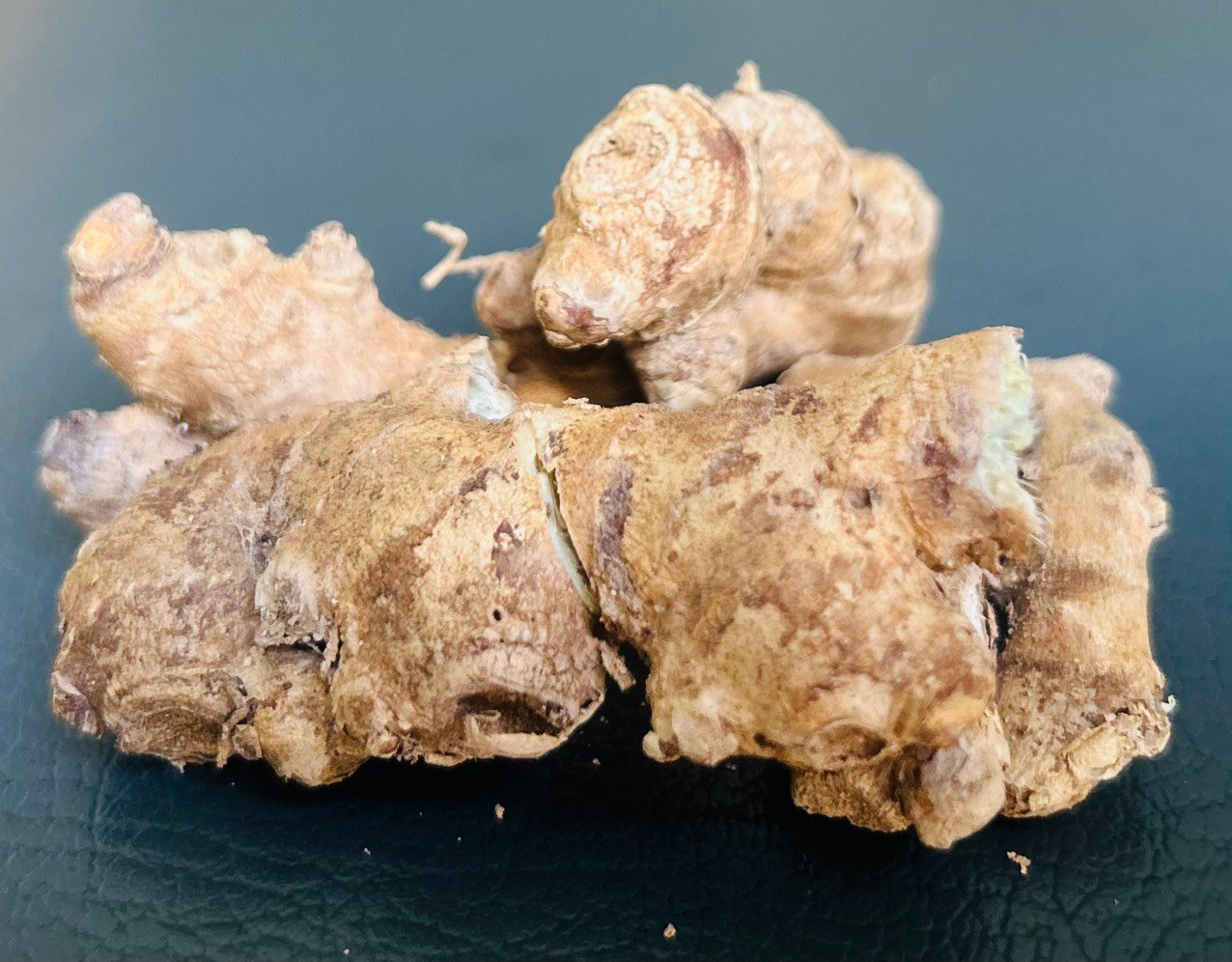
Ginger has strong anti-inflammatory properties.
Cinnamon
Cinnamon is a warming spice. Its main components include cinnamaldehyde and potent polyphenol antioxidants with anti-inflammatory, antibacterial, and antiviral properties.
In particular, cinnamon contains higher antioxidant properties than both mint and ginger. Therefore, cinnamon is also an effective herb for boosting the immune system, helping to prevent and reduce the symptoms of colds. According to traditional medicine, cinnamon has the effect of tonifying fire, restoring yang, warming the kidneys and spleen, clearing blood vessels, and eliminating cold accumulation.
Garlic
Garlic is an indispensable spice in daily meals. "Garlic contains three main active compounds: allicin, liallyl sulfide, and ajoene. Allicin is the strongest and most important active compound in garlic. Allicin is not present in garlic naturally. However, when sliced or crushed, the alliin present in garlic transforms into allicin. Allicin is a very powerful natural antibiotic," Dr. Vu explained.
Garlic and garlic products have many beneficial uses, such as fighting cancer, preventing atherosclerosis, and possessing antibacterial and antifungal properties.
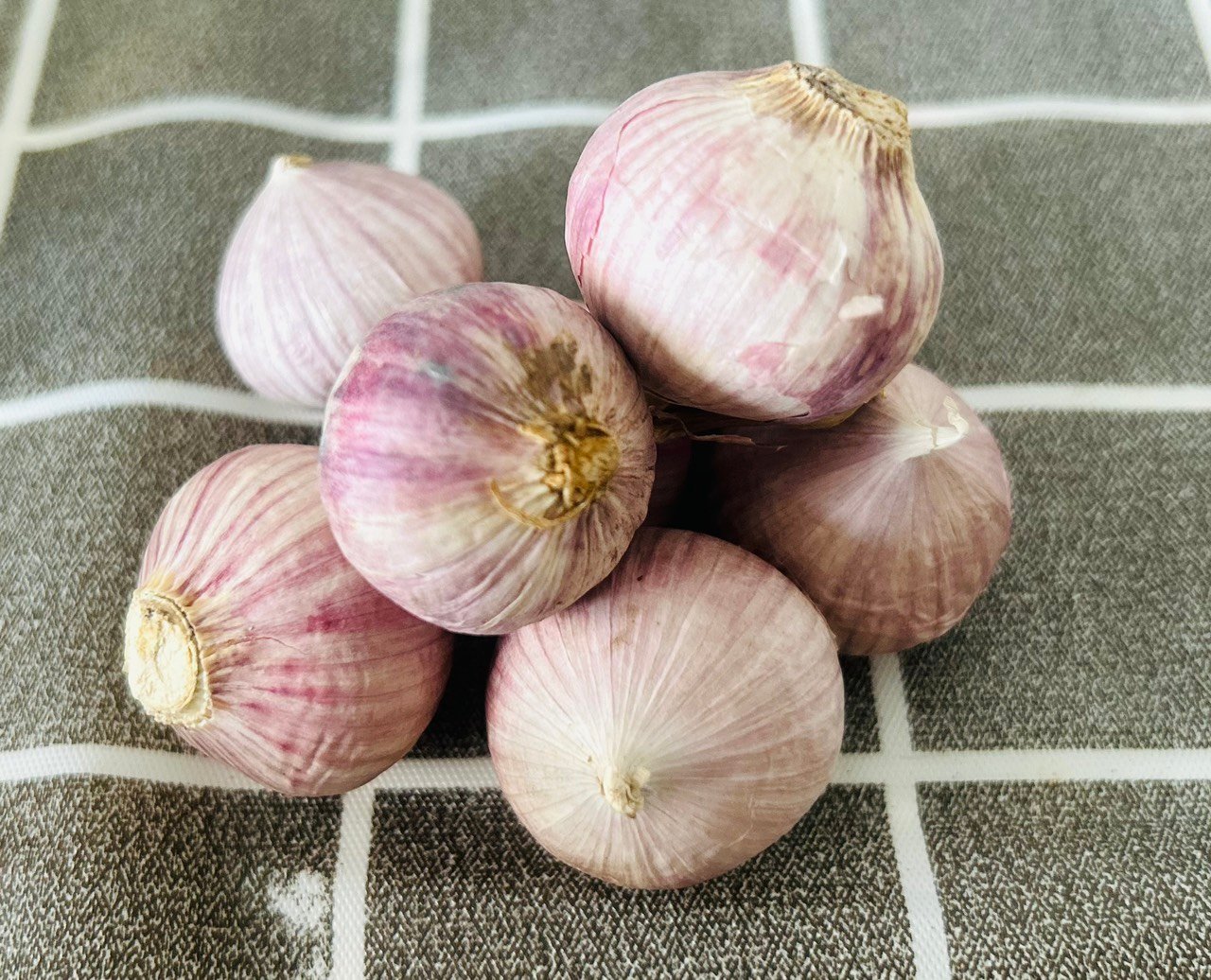
Allicin in raw garlic, when thinly sliced and crushed, helps boost immunity.
Turmeric
Turmeric is widely grown in Vietnam for use as a spice and medicine. The turmeric root is the part used as a medicinal ingredient. The main component of turmeric is curcumin, which has effective anti-inflammatory and antioxidant properties. In addition, curcumin is used to effectively reduce pain and inflammation in osteoarthritis.
"Many studies show that using curcumin from turmeric can activate T and B cells, enhance the body's antibody response, and thus support a healthy immune system. Therefore, supplementing with curcumin from turmeric helps create a strong barrier against flu and cold symptoms," Dr. Vu explained.
Black pepper
Black pepper is a commonly used spice in cooking. It contains substances such as essential oils, piperine, and chavicine, among others. Piperine is a very powerful antioxidant.
When ingested, piperine has anti-inflammatory properties, inhibits bacterial attack, and reduces pain, thus helping to fight infections in the respiratory and digestive tracts, reduce joint swelling and inflammation, and address dental problems such as cavities and gingivitis. Thanks to its warming properties, it can prevent bloating and gas.
According to traditional medicine, peppercorns have expectorant, carminative, analgesic, antibacterial, and anti-cold properties.
Source link


![[Photo] General Secretary To Lam receives the Special Envoy of General Secretary and President of China Xi Jinping](/_next/image?url=https%3A%2F%2Fvphoto.vietnam.vn%2Fthumb%2F1200x675%2Fvietnam%2Fresource%2FIMAGE%2F2026%2F01%2F30%2F1769759383835_a1-bnd-5347-7855-jpg.webp&w=3840&q=75)


![OCOP during Tet season: [Part 3] Ultra-thin rice paper takes off.](/_next/image?url=https%3A%2F%2Fvphoto.vietnam.vn%2Fthumb%2F402x226%2Fvietnam%2Fresource%2FIMAGE%2F2026%2F01%2F28%2F1769562783429_004-194121_651-081010.jpeg&w=3840&q=75)

![OCOP during Tet season: [Part 2] Hoa Thanh incense village glows red.](/_next/image?url=https%3A%2F%2Fvphoto.vietnam.vn%2Fthumb%2F402x226%2Fvietnam%2Fresource%2FIMAGE%2F2026%2F01%2F27%2F1769480573807_505139049_683408031333867_2820052735775418136_n-180643_808-092229.jpeg&w=3840&q=75)




Comment (0)