

According to Associate Professor Dr. Nguyen Chu Hoi, the option of merging coastal provinces and cities with provinces in river basins will be effective in developing the marine economy .
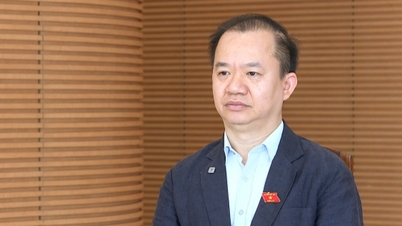
As an expert in marine economics, Associate Professor Dr. Nguyen Chu Hoi - Permanent Vice President of the Vietnam Fisheries Association, Member of the 15th National Assembly - affirmed: The plan to merge coastal provinces/cities with provinces in corresponding river basins will certainly bring efficiency, effectiveness, and productivity in the development of the marine economy.
His comments below, shared with a reporter from the Industry and Trade Newspaper, will shed more light on this issue.
The sea is an advantage.
- Sir, what are the outstanding geographical features of Vietnam, and how have these impacted the country's economic development policies?
Associate Professor Dr. Nguyen Chu Hoi : Three-thirds of Vietnam is sea; for every 1 square kilometer of land, there are nearly 3 square kilometers of exclusive economic zone; for every 100 square kilometers of land, there is 1 kilometer of coastline; more than 114 river mouths flow into the sea from our mainland territory, and every 20 kilometers of coastline, there is a large river mouth. Along with more than 3,000 large and small islands distributed in clusters and island chains in the coastal waters and two offshore archipelagos, Hoang Sa and Truong Sa.
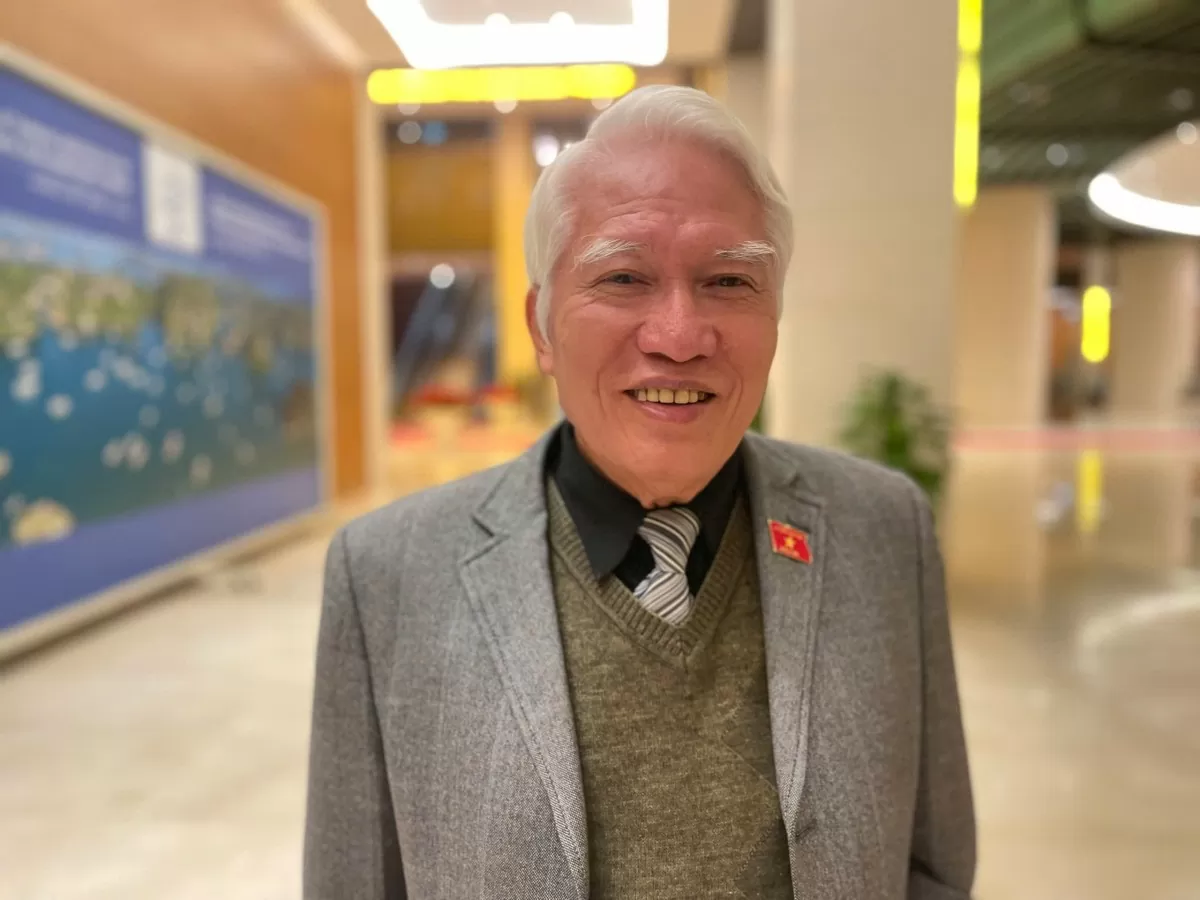 |
| Assoc. Prof. Dr. Nguyen Chu Hoi - Standing Vice President of the Vietnam Fisheries Association, Member of the 15th National Assembly. Photo: Pham Thang |
This is a fundamental characteristic of our country's territorial differentiation, creating diversity in marine and coastal landscapes and natural resources, laying the foundation for the potential development of a strong and sustainable marine economy.
Throughout the long history of nation-building and national defense, the sea has always been a space for the survival and development of the nation, intimately connected to our people for generations, and today continues to be a direct source of livelihood for more than 20 million people living in coastal areas and on islands.
Leveraging its advantages, the Party and State of Vietnam have always recognized the sea as a crucial and inseparable element in the strategy for socio-economic development and ensuring national security and defense.
As a major maritime nation situated along the East Sea – considered the "crossroads" of the world – Vietnam has a narrow landmass (no location is more than 500 km from the sea). Due to this horizontal structure, the entire land territory of Vietnam is influenced by the "maritime element," encompassing both natural and developmental factors. This creates a "seafront" advantage, facilitating trade and international economic integration, but also presents a significant security and defense threat from the sea.
50% of the population lives in coastal provinces.
- How have these characteristics shaped the living spaces, economies, and cultures of different regions and localities, sir?
Associate Professor Dr. Nguyen Chu Hoi: Administratively, currently 28 out of 63 provinces and centrally-administered cities nationwide have coastlines, with 12 island districts and 53 island communes. Of these, 10 are coastal island districts and 2 are offshore island districts: Hoang Sa and Truong Sa.
The natural area of the 28 centrally-controlled provinces/cities with coastlines covers approximately 136,887 km² , equivalent to 35.6% of the country's total natural area. Their population is nearly 50 million people, accounting for about 51% of the country's total population, including approximately 25 million workers (in 2020).
Of all the islands mentioned above, only about 70 are inhabited (excluding tourists), with a total population of over 300,000 people. The average population density on the islands is 100 people/ km² , compared to the national average of 315 people/ km² .
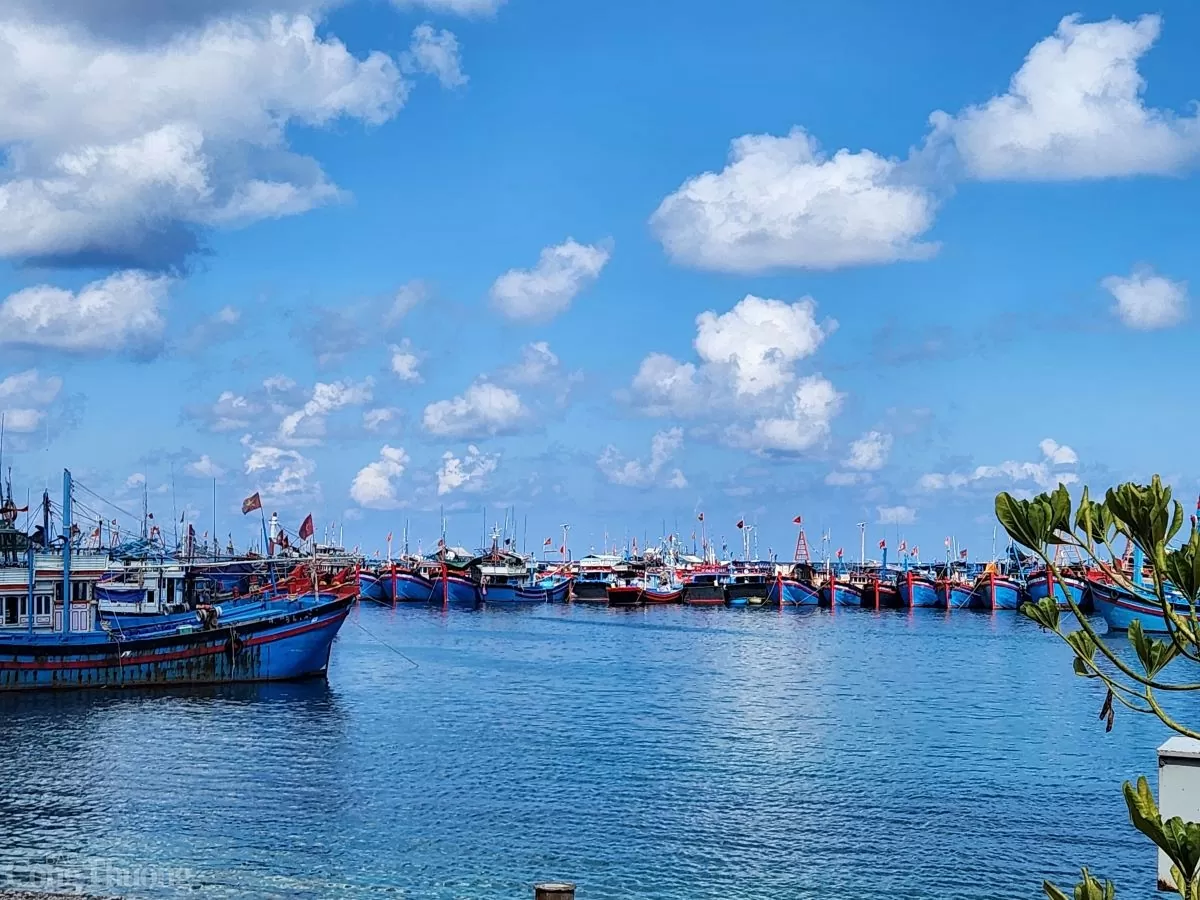 |
| Fishing villages have been established in the Spratly Islands. Photo: Thu Huong |
A large number of remaining islands are inhabited only by living organisms, and many small islands remain in a pristine, wild state with high conservation potential and favorable conditions for the development of eco-economy and green (island) marine economy.
In particular, many of the aforementioned island districts have important legal positions because they contain points within the system of landmarks that define the "baseline" for calculating the width of our country's territorial sea.
These residents form close-knit communities, contributing to the formation of Vietnam's distinctive maritime culture and exercising "civil sovereignty" over the country's seas and islands.
Thus, from the perspective of territorial differentiation, our country has three essential interconnected development areas: mountains and forests, plains, and seas and islands.
Besides the two internationally and regionally significant deltas of the Red River and the Mekong River, there is also a narrow strip of plain running along the coast, an integral part of the coastal zone—identified as a dynamic economic region of the country, with a profound ripple effect on the inland economy. Furthermore, the island districts are considered centers of offshore maritime economic and service activities, combined with the construction of maritime defense units, acting as an "extended arm" to link maritime economic development with ensuring national defense and security in the islands.
The aforementioned development perspectives and policies are clearly outlined in the Strategy for Sustainable Development of Vietnam's Marine Economy to 2030, with a vision to 2045, and continue to be realized in the context of the revolution to reorganize and streamline the political system of our country, preparing for the nation's rise to a new era.
Facilitating regional connectivity
- With the policy of merging provinces and localities, how do you view the situation in relation to coastal provinces and regions?
Associate Professor Dr. Nguyen Chu Hoi : Recently, with the spirit of "running and queuing at the same time," in an unprecedentedly short period, under the decisive and effective leadership of the Politburo, the Secretariat, and General Secretary To Lam, the organizations and apparatuses of the Party, the National Assembly, the Government, the Fatherland Front, and mass organizations and social groups... nationwide have been consolidated, achieving the set goals and gaining the people's approval and trust.
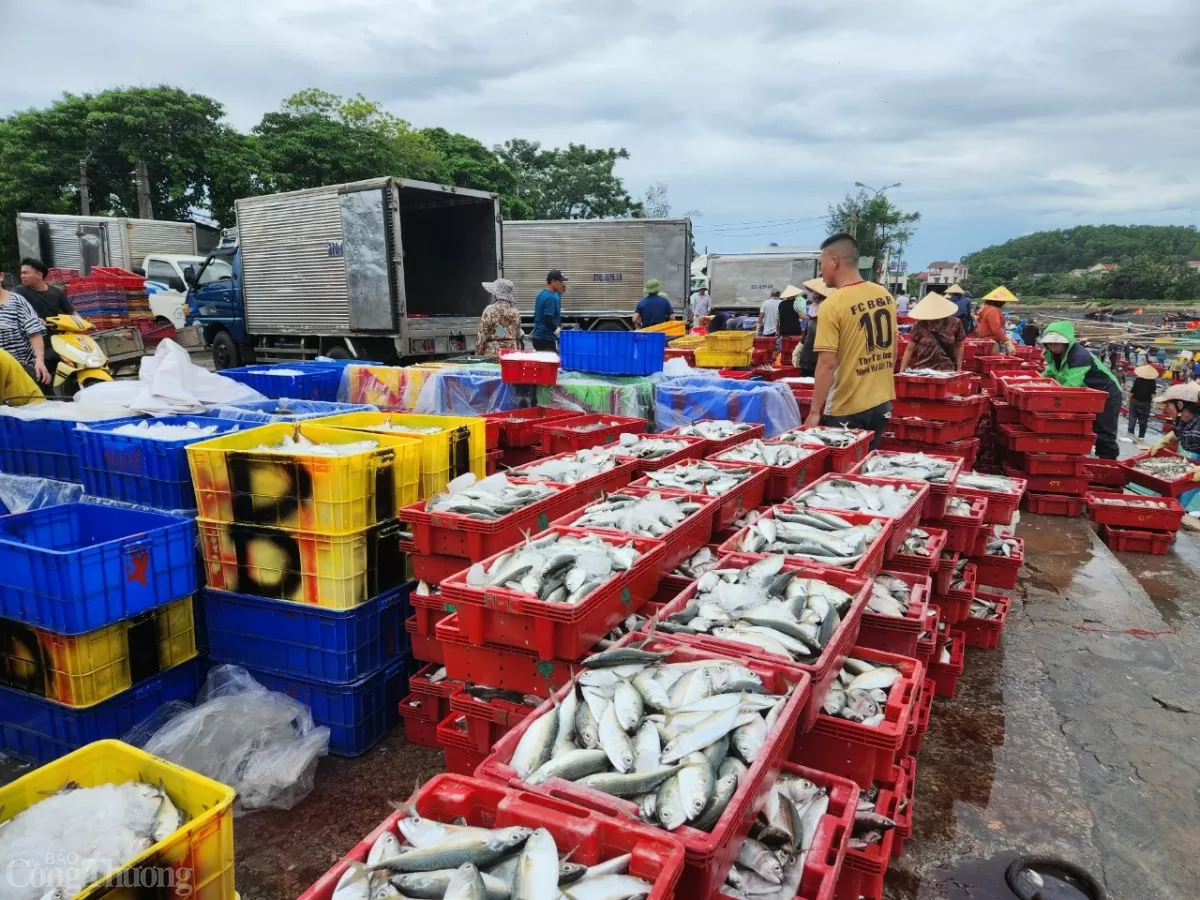 |
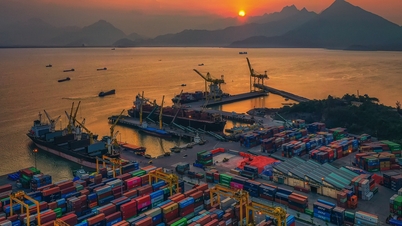
| The marine economy has become a major driving force in growth and development in coastal provinces. Photo: Thu Huong |
With a synchronized, comprehensive, and thorough approach, the Central Party Committee has promptly summarized and drawn lessons learned, and is now directing the "rapid" implementation of the restructuring and streamlining of local levels (provinces and communes) and the elimination of district-level organizations.
Essentially, this reorganization of provinces and centrally-administered cities (and at the grassroots level) is a "territorial reorganization" approach for rapid, efficient, and sustainable development in the context of a "flat world" with the increasingly strong intervention of digital transformation and artificial intelligence (AI).
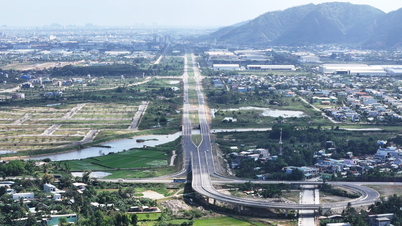
The selection of the merger option is based on the principle of leveraging regional advantages, respecting core values, and promoting interconnectedness and interaction between natural and ecological units (for example, river basins linked to coastal and island areas) to create a new space and development potential, minimizing conflicts in resource utilization and conflicts of interest caused by overlapping or fragmentation by different administrative entities.
The merger should facilitate regional linkages in development, cultural integration, unleash existing resources, and promote decentralization and delegation of power, while enhancing the ability to link economic development with environmental protection and ensure national security and defense "from mountainous to coastal areas".
Based on the aforementioned principles, the option of merging coastal provinces/cities with provinces in corresponding river basins will certainly bring efficiency, effectiveness, and productivity to the development of the marine economy.
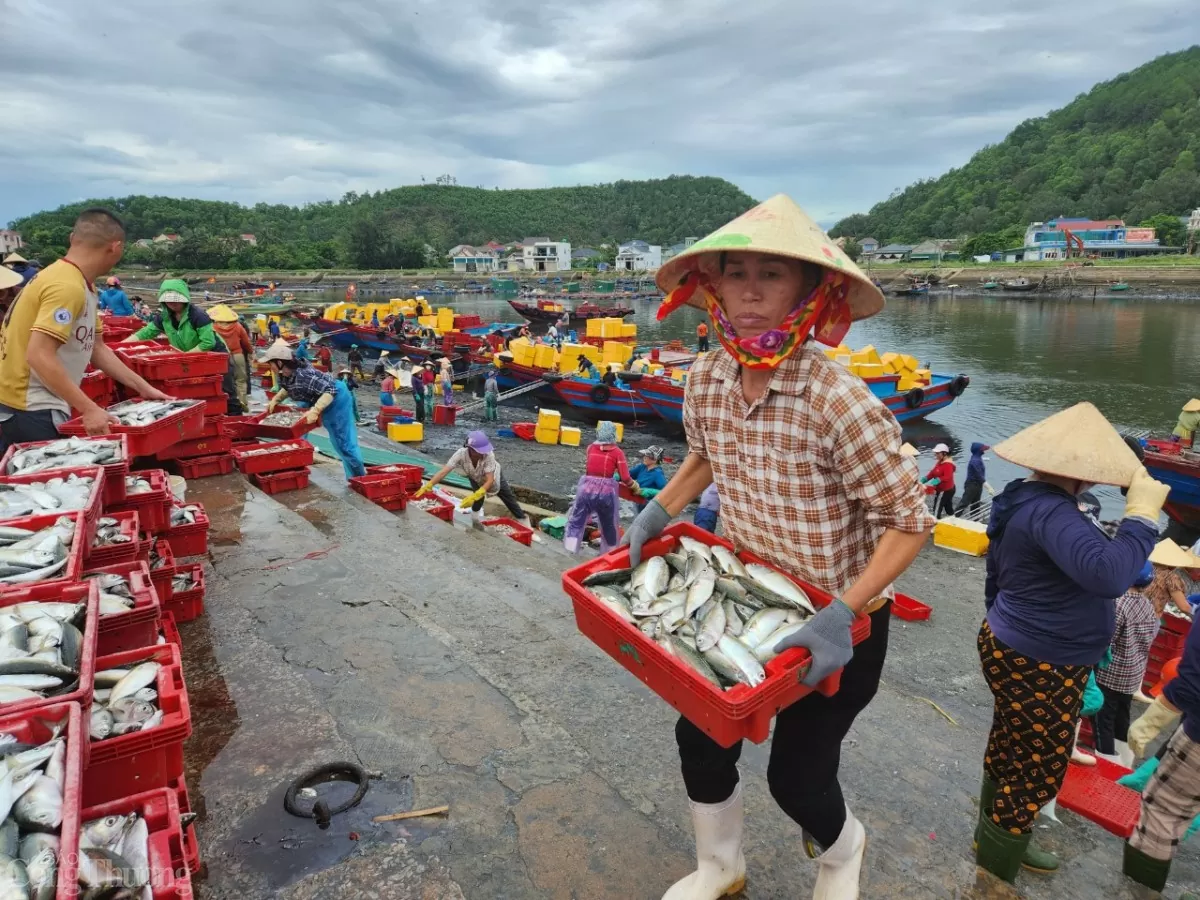 |
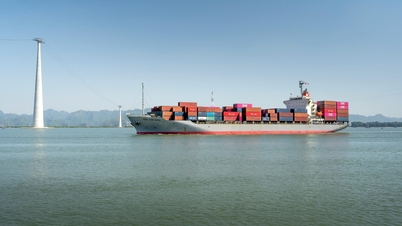
| Mergers contribute to boosting the maritime economy. (Illustrative image: Thu Huong) |
It creates a new territorial unit with similarities, capable of enhancing regional values, exploiting the transboundary nature of natural-ecological regions in regional linkages, and mitigating the "development syndrome" in some coastal provinces.
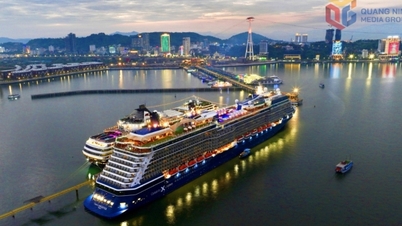
This also helps to unify state governance for the newly merged coastal provinces, creating a more open, free space and attracting more investment for marine economic development in the future.
Thank you very much, sir!
Source: https://congthuong.vn/sap-nhap-tinh-goc-nhin-tu-kinh-te-bien-378907.html
![[Photo] Prime Minister Pham Minh Chinh attends the inauguration ceremony of the Vietnam Space Center.](https://vphoto.vietnam.vn/thumb/1200x675/vietnam/resource/IMAGE/2026/03/13/1773397068038_ndo_br_dsc-3366-jpg.webp)

![[Photo] Ho Chi Minh City decorated with flags and flowers ahead of election day.](https://vphoto.vietnam.vn/thumb/1200x675/vietnam/resource/IMAGE/2026/03/13/1773392076518_anh-man-hinh-2026-03-13-luc-15-53-29.png)
































































Comment (0)