

These seeds contain many nutrients that are good for the user's health.
Besides sesame seeds and chia seeds, there is another seed that is considered a "superfood" for human health. That is flax seeds.
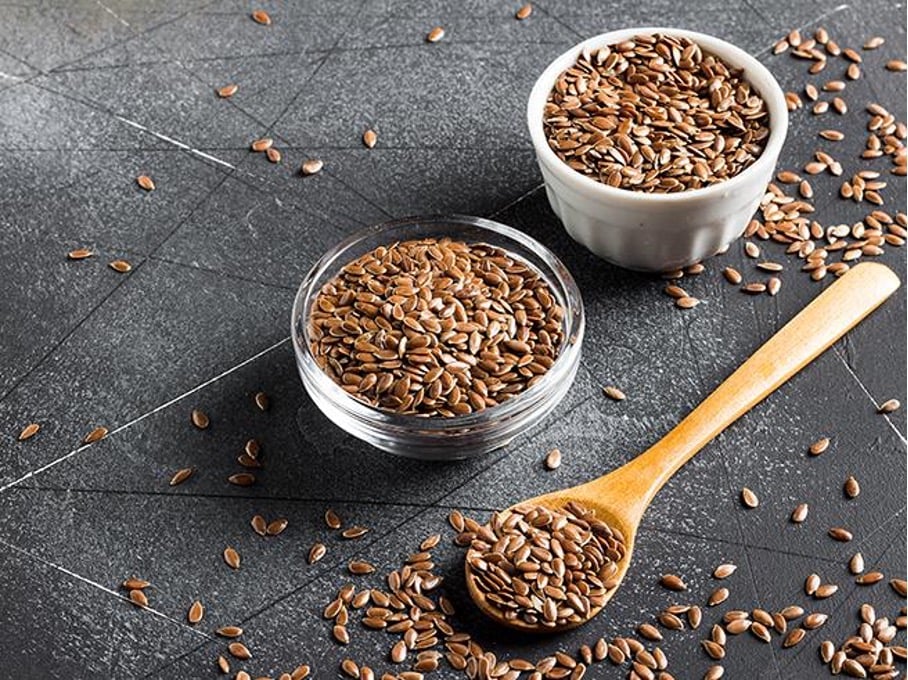
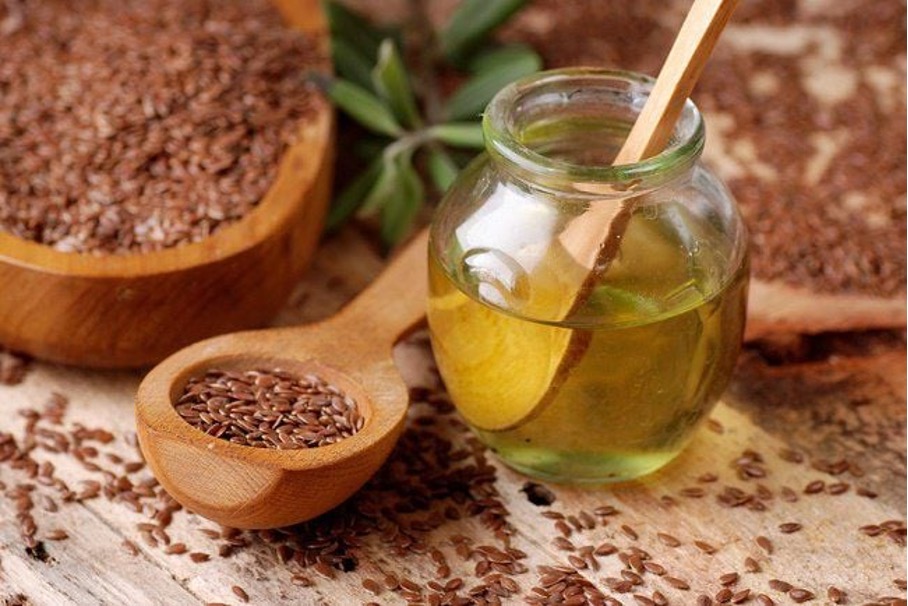
Flaxseeds, also known as flax seeds, are the seeds of the plant Linum usitatissimum. Flaxseeds are small, brown or yellow in color. The flax plant is 1-4 cm long, upright, and has alternate leaves. Compared to sesame and chia seeds, flaxseeds are larger, harder, and more brittle. They are commonly available in seed, oil, powder, tablet, capsule, and flour forms for convenient use.
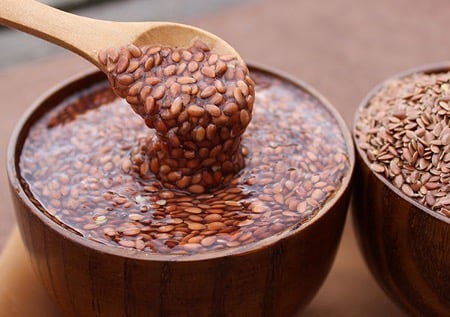
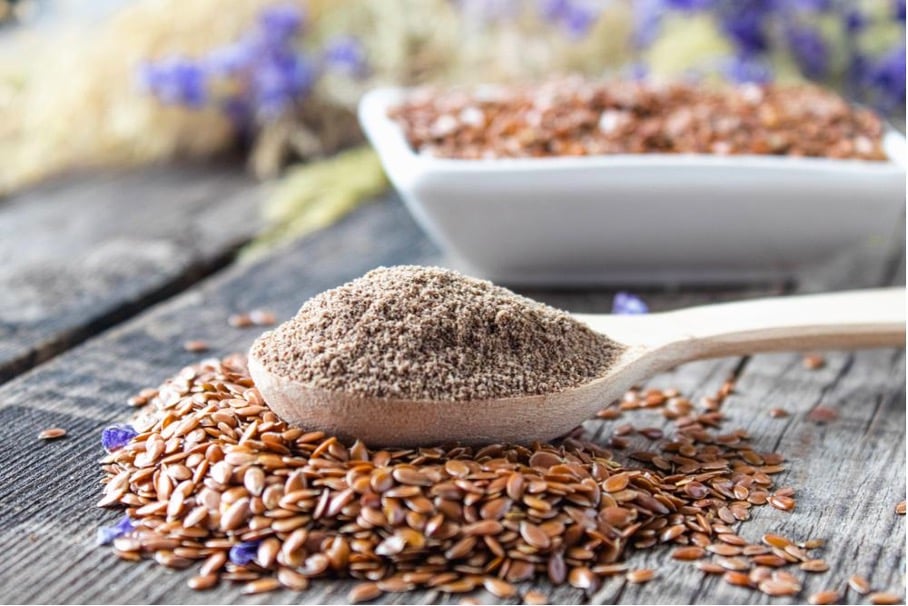
Flaxseed is called a "superfood" because it contains abundant nutrients, more than some vegetables and even fatty fish. According to the U.S. Department of Agriculture , about 7g of flaxseed powder contains 37.4 calories, 1.28g of protein, 2.95g of fat, 1.91g of fiber, 17.8mg of calcium, and many other antioxidants. In particular, the amount of omega-3 fatty acids found in flaxseed is said to be higher than in salmon, which may help prevent dangerous diseases.
If you're not yet familiar with all the benefits of flax seeds, you can find more information below:
Cancer prevention
The first benefit of flax seeds is cancer prevention. Nutritionists and scientists have discovered effective anti-cancer compounds such as lignans and polyphenols in these seeds.
Polyphenols, in particular, have been shown to help control certain types of cancer, including breast cancer. Lignans are also effective antioxidants. Along with their high fiber content and omega-3 fatty acids, these seeds help improve overall health and reduce the incidence of cancer in humans.
Blood sugar control
The blood sugar-controlling benefits of flax seeds have been demonstrated by scientists. Accordingly, this seed helps reduce insulin resistance, a major factor in type 2 diabetes, thanks to its abundant fiber content. This slows down the absorption of food, preventing the rapid absorption of carbohydrates that cause blood sugar spikes.
In addition, flaxseed can naturally lower blood pressure by 2 mmHg, which can reduce the risk of stroke by up to 14% and the risk of coronary heart disease by up to 6%.
Improve cardiovascular health
The phytosterol fatty acid content in flaxseed can compete with cholesterol for absorption in the digestive tract. The omega-3 fatty acids also provide strong anti-inflammatory effects. Therefore, the amount of healthy fats increases while bad fats are reduced, thus better protecting the cardiovascular system.
Weight management
Another benefit of flax seeds is weight loss. According to experts, these seeds are high in fiber, which helps people feel full longer, reduces cravings, and supports digestive health, preventing constipation. Furthermore, the choline in flax seeds plays a role in improving brain function.
Skin and hair care
Flaxseed also contains ALA, a fatty acid that is certified to provide essential fatty acids and B vitamins, effectively supporting hair and skin health. Therefore, incorporating flaxseed into your diet can help reduce dryness, flaking of the skin, and frizzy, brittle hair.
Supports digestion
Flax seeds contain both soluble and insoluble fiber. Soluble fiber slows down digestion, thereby regulating blood sugar and lowering cholesterol. Insoluble fiber softens stools, preventing constipation and improving digestion.
Some delicious dishes made with flax seeds.
Some ways to prepare flax seeds that you can choose to make for yourself and your family include: making smoothies, baking with cookies, mixing with fruit and vegetable salads, and mixing with oatmeal.
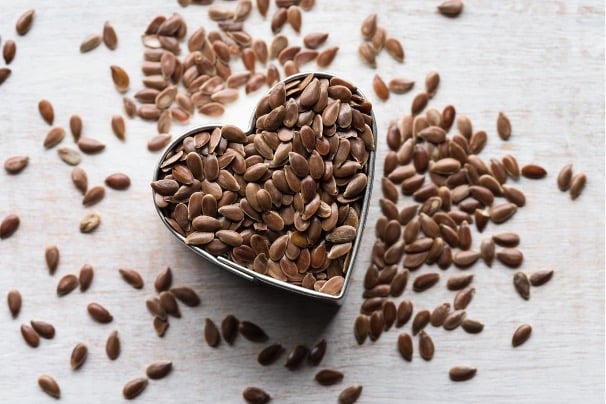
Notes on using flax seeds
Although flax seeds offer numerous health benefits, users should still keep the following points in mind:
- Flax seeds should be ground into a fine powder before use to avoid affecting digestion.
- Flax seeds should be stored in airtight, dark-colored jars, away from sunlight, to avoid affecting their quality.
- Do not consume raw or undercooked flax seeds.
- Do not eat too many flax seeds; you should only consume a maximum of about 50g of flax seeds per day.
- Pregnant women, breastfeeding women, people with blood clotting disorders, breast cancer patients, and those allergic to flaxseed should not consume this type of seed.
Source: https://giadinh.suckhoedoisong.vn/1-loai-hat-duoc-vi-la-sieu-thuc-pham-tot-hon-nhieu-loai-ca-beo-giup-kiem-soat-duong-huyet-khoe-da-muot-toc-172241110110231007.htm






































































Comment (0)