

Circular 29, which regulates extracurricular tutoring, has generated significant public and teacher interest as it aims to address the actual needs of students and parents. Many teachers also agree with the new regulations.
"Extra tutoring and supplementary classes within schools will have to change significantly."
On December 30, 2024, the Minister of Education and Training signed and issued Circular 29/2024/TT-BGDĐT regulating supplementary teaching and learning, effective from February 14, 2025, with many new points compared to the current regulations in Circular 17/2012/TT-BGDĐT.
Mr. Nguyen Van Duong, a teacher at Phu Xuyen A High School in Phu Xuyen district, Hanoi, said: "Extra tutoring and supplementary teaching are actually a need for both teachers and students. Teachers aim to increase their income, while students want to improve their exam performance. That's a societal need."
When Circular 29 comes into effect, extracurricular tutoring within schools will have to change significantly. Teachers with strong professional skills and a good appeal to students won't have too much to worry about. They will contact or somehow have someone else register centers under their name, potentially creating an opportunity for them to significantly increase their income.
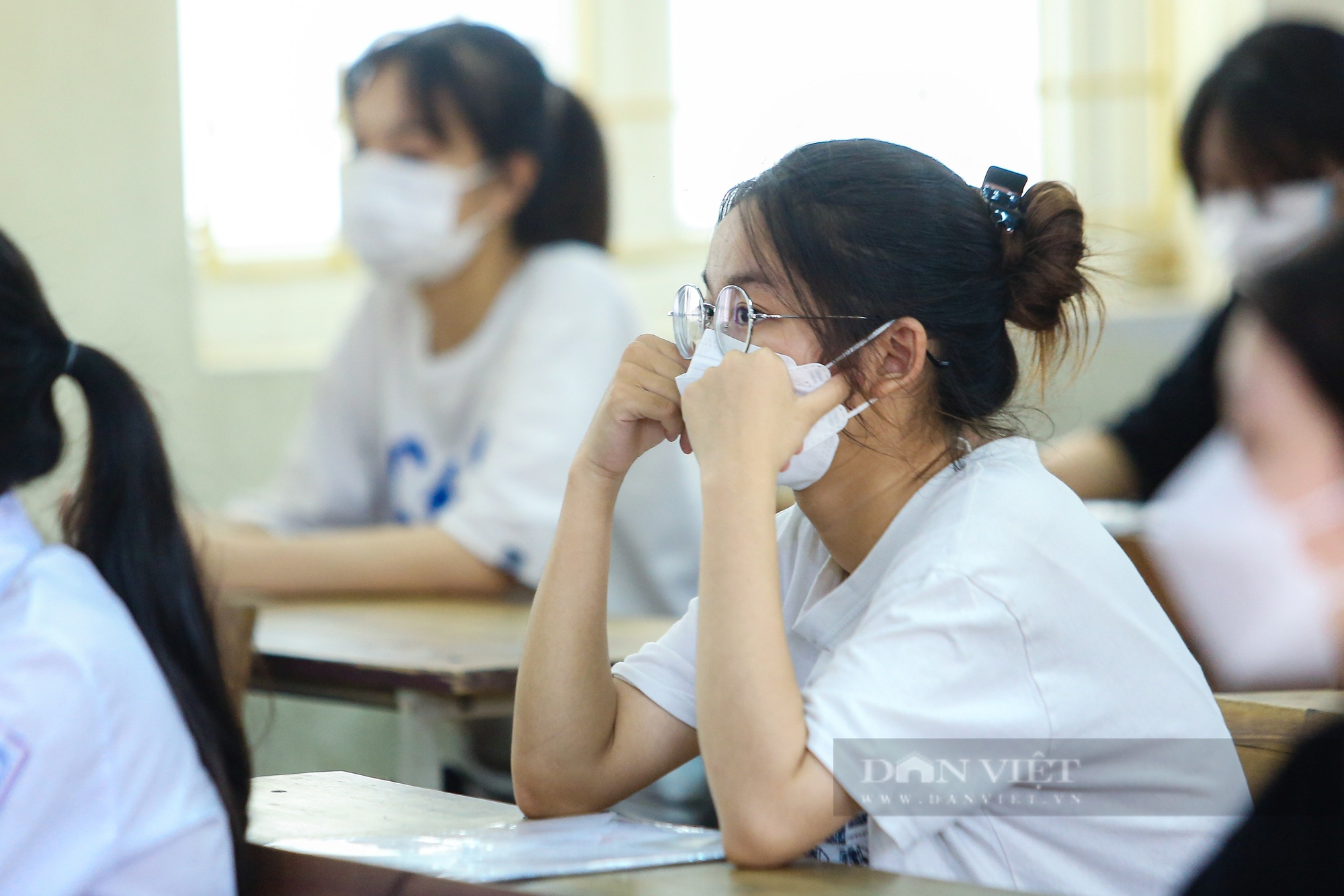
New regulations on tutoring and supplementary classes have attracted public attention. (Illustration photo: Pham Hung)
Teachers who haven't built a strong reputation or gained popularity may not be accepted by tutoring centers, resulting in a loss of revenue from this activity. The biggest beneficiaries are the students, who will have the option to study with teachers they like, thus increasing effectiveness. However, this also leads to higher, even very high, tuition fees that many families cannot afford.
We also need to pay attention to how these centers are managed and operated, to avoid situations where children are forced to enroll in the centers (i.e., just a change of location; previously, the tutoring sessions were in classrooms at the school, now they are in classrooms at the center). Which specific authority is responsible for this control? What is the mechanism for handling violations, or is it simply a matter of appealing to the self-discipline of the center owners?
I believe the root of the problem doesn't lie in whether the tutoring classes are run by the school or by a tutoring center. If teachers' salaries were high enough, they wouldn't bother tutoring anymore because they also need time to deepen their professional skills, take care of their families, and themselves. Students wouldn't face so much pressure to pass exams and get into university, and they wouldn't sacrifice their childhood to bury themselves in these tutoring classes. They would have the opportunity to pursue their passions and discover their own abilities…”
Mr. Nguyen Minh Dat, a teacher in Ho Chi Minh City, said: "This regulation is very correct in that it prohibits paid tutoring for students within the school and prohibits tutoring outside of school for students already taught in class. This will put an end to the practice of many teachers pressuring students to attend extra classes for money. All students will have equal access to education when paid tutoring within the school is eliminated."
Instead, weaker students receive free tutoring; gifted students receive advanced training. Schools and teachers must fulfill their responsibilities and obligations to the students. Talented teachers can teach at tutoring centers, which will attract other students and is a way to earn money legitimately while also enhancing the teacher's status.
However, offering free tutoring for the 10th grade entrance exam and the high school graduation exam is not satisfactory. Teachers need money for breakfast, gas, and other expenses, so few would teach for free.
Another concern is, when teachers teach students in groups, and recruit students from the classroom to teach at the center, who supervises, and how? For example, Mr. A opens a center and hires Ms. B to teach. Does Ms. B's principal have the authority to inspect Mr. A's center?
Another teacher also expressed their opinion: "Circular 29 is correct, but it's more suitable for central areas. In rural and remote areas, it's disadvantageous for both students and teachers. Teachers who want to teach extra classes find it difficult to open centers because they have to rely on others and deal with the related legal procedures. If students attend extra classes outside of school, the cost will be high, and many families who cannot afford it will not send their children. Many children who don't attend extra classes will be left at home without supervision, making them more susceptible to social vices."
Manage, don't prohibit.
In response to public concerns, the Ministry of Education and Training stated: Tutoring is a legitimate need for both teachers and students. However, in reality, some students, despite not wanting to, are forced to attend extra classes organized by their own teachers and schools. Some students attend extra classes simply to avoid feeling left out from their peers, to avoid feeling guilty towards their teachers, or even to prepare for tests. Excessive tutoring leaves students with no time for rest, self-study, and applying knowledge. The practice of some teachers "forcing" students they teach in regular classes to attend extra classes also negatively impacts the image of teachers in the eyes of students, parents, and society.
Based on the above reality and the requirement to "abandon the mindset of banning what cannot be managed, " the Ministry of Education and Training developed Circular 29 with the spirit of not prohibiting tutoring but identifying the causes in order to develop appropriate and effective management methods.
The circular aligns with modern educational trends and the 2018 General Education Program. The 2018 General Education Program specifies the number of lessons per subject and sets out the learning objectives for each subject, making them appropriate for students' abilities. The Ministry of Education and Training also grants schools autonomy in developing their own plans to ensure effectiveness, with teachers focusing on innovating teaching methods to achieve the goals of the 2018 General Education Program, which is to develop students' competencies.
Therefore, in principle, schools and teachers adhering to the prescribed class schedule can ensure that students acquire the necessary knowledge and meet the requirements of the educational program. In addition to the scheduled class time, schools should organize various recreational activities, sports training, drawing lessons, music lessons, etc., to encourage student participation.
Associate Professor Dr. Nguyen Xuan Thanh - Head of the Secondary Education Department, Ministry of Education and Training, emphasized that a new point in this Circular is that the Ministry of Education and Training stipulates three categories of students who are not allowed to receive fees for extra tutoring in schools: students whose academic results in subjects are below the required level; students selected by the school for advanced training; and students preparing for graduation exams and entrance exams.
Thus, the school and teachers adhering to the prescribed class schedule have ensured that students acquire the necessary knowledge and meet the program's learning objectives. If students do not meet the requirements, the school is responsible for providing additional instruction, also known as remedial teaching. The same applies to students selected for advanced training and those preparing for final exams, as part of the school's plan.
Furthermore, teachers need to guide students on how to self-study and independently explore to absorb the content learned in class, avoiding the need for extra tutoring that focuses on cramming knowledge and is ineffective. The Ministry of Education and Training's restriction on three categories of students receiving extra tutoring within schools aims to create schools that do not offer such services.
Source: https://danviet.vn/thong-tu-29-siet-day-them-hoc-them-giao-vien-dong-tinh-nhung-ban-khoan-ve-co-che-quan-ly-20250116063559527.htm







































































Comment (0)