


Weight loss encourages eating multiple meals throughout the day, so people don't need to avoid snacks and should opt for healthy, low-calorie foods.
If snacking is a cause of weight gain and can lead to diseases such as cancer, cardiovascular disease, and stroke, people need to consider the composition of their meals based on the following principles: whether there are still foods high in salt, fat, and sugar, and what their diet plan is. From there, people can adjust their meals to ensure necessary nutrition while minimizing energy intake.
The reason is that snacks are still necessary if main meals are more than 4 hours apart, to prevent hunger and fatigue. At the same time, snacks help curb cravings, prevent overeating at the next meal, control blood sugar levels, and ensure adequate nutrition for the body. People who want to build muscle should snack regularly and exercise more.
If there's no need for snacking, and meals are scientifically planned for weight loss, people can skip afternoon snacks. However, it's essential to follow a nutritionally balanced diet, including a balanced lunch with protein from lean meats and fiber from vegetables and whole grains to avoid sudden drops in blood sugar that can lead to afternoon cravings. For example, a meal could consist of 25% brown rice, 50% leafy vegetables and fruits, and 25% chicken, fish, or lean meat.
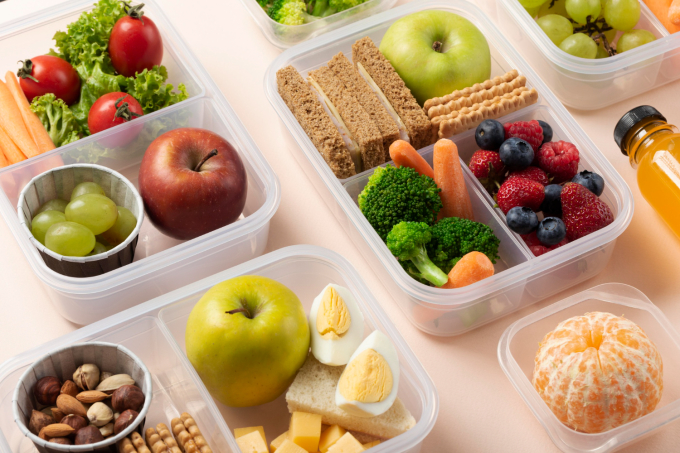
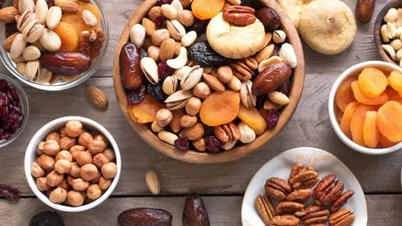
A snack box rich in fiber and vitamins. Photo: Freepik
Snacking sometimes occurs due to boredom or habit. In such cases, people should keep themselves busy to distract their bodies from cravings, such as taking a walk, exercising, or doing a favorite activity. If you are genuinely hungry, choose a healthy snack high in fiber or protein, such as a piece of fresh fruit or low-fat yogurt, a handful of unsalted nuts, or whole-grain crackers.
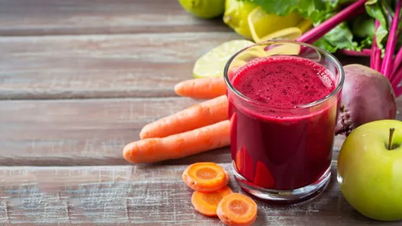
Sometimes, hunger is mistaken for thirst, so you can try low-calorie drinks to curb your appetite, such as diluted juice or a cup of hot tea.
Healthy snacking methods
Many people who enjoy fried or sugary snacks are shocked to discover that these foods contain the same amount of sugar as a bowl of rice. Therefore, these meals are not considered snacks, but rather full meals.
If you still want to snack, you can follow these guidelines:
type of food | Component options | Alternatives |
Milk tea | - Contains little to no sugar. - It is mixed with fresh milk as a substitute for non-dairy creams. - No side dishes are provided. - If you're having toppings, choose herbal jelly or aloe vera jelly as they have fewer calories than tapioca pearls. | A container of plain, low-fat yogurt and a piece of fruit. Reason: These foods contain less sugar and saturated fat but are high in fiber. |
French fries or other types of crackers | - Check the nutrition information sheet to ensure the fat and sodium content is low. | - Fruits or vegetables, baked potatoes. - Crispy biscuits or roasted nuts - Carrots or cucumbers with peanut butter. Reason: These foods are low in calories, saturated fat, and sodium, but high in fiber. Nuts also contain plenty of unsaturated fats, which are good for cardiovascular health. |
Chocolate bar and dessert | - Eat at least 70% dark chocolate, instead of milk chocolate. This could be a 25g piece of chocolate. Reason: Dark chocolate has a higher antioxidant content, lower sugar content, and doesn't cause a sudden spike in blood sugar like milk chocolate. - Check if cocoa is the main ingredient. | - Make your own chocolate avocado mousse by mixing ripe avocado with unsweetened cocoa powder and refrigerating. Reason: These foods contain less sugar and saturated fat but are high in fiber. |
Cakes, croissants, muffins, cream cakes, and donuts | It's best to choose varieties made from whole wheat flour or whole grains, with added nuts. Alternatively, choose a cake without cream or sugar topping, and reduce the amount of sugar in the ingredients. | Whole-grain toast, or served with a spread of nut butter and a little avocado. |
Chile (According to Channel News Asia )
Source link





































































Comment (0)