

People looking to lose weight often cut carbohydrates from their diets and replace them with meat, but a new study suggests that eating more plant-based foods instead may lead to longer-term weight retention or loss.

A diet rich in fruits and vegetables, with a balanced intake of all nutrient groups, is the most beneficial way to eat for your health.
According to a study published in JAMA Network Open , people following low-carbohydrate diets that rely primarily on animal protein gain more weight over time compared to those who eat foods such as non-starchy vegetables and whole grains.
"Not all low-carbohydrate diets are equally effective in long-term weight management," Dr. Qi Sun, associate professor in the Department of Nutrition at Harvard School of Public Health , told reporters.
People following a low-carbohydrate diet typically limit starchy foods like bread, pasta, or starchy vegetables like potatoes and beans, and instead obtain the necessary calories from protein- and fat-rich foods.
Many studies have shown a link between low-carbohydrate diets and rapid weight loss, but few studies have examined how eating plans affect weight in the long term.
Binkai Liu, a research assistant in the Department of Nutrition at Harvard University, shared: "Our research goes beyond the simple question of 'To eat carbohydrates or not to consume carbohydrates?' It dissects low-carbohydrate diets and provides insight into how the components of these diets can affect health over many years, not just weeks or months."
The relationship between weight and a low-carbohydrate, plant-based protein diet.
The study, which collected data from 123,000 participating healthy healthcare professionals, began in the 1970s and 1980s.
The study participants were all aged 25 to 65 and followed low-carbohydrate diets. Over 80% of the participants were women, and the majority were white.
Researchers analyzed reports that participants filled out every four years about their eating habits and weight. They then divided the participants into groups based on their eating patterns.
Researchers have found a significant association between slower weight gain over the long term and diets that emphasize plant-based foods as well as healthy carbohydrates and fats.
On the other hand, they found a link between diets high in animal products or refined carbohydrates and weight gain over time. This association was particularly pronounced in participants under 55 years of age who were overweight, obese, or relatively sedentary.
Sun said: "Our findings could change how people think about popular low-carbohydrate diets, suggesting that public health initiatives should continue to promote dietary patterns that emphasize healthy foods such as whole grains, fruits, vegetables, and low-fat dairy products."
Toby Amidor, a registered dietitian, told Health magazine: "This study mirrors previous research aimed at promoting healthy foods, including whole grains, fruits, vegetables, legumes, and other healthy foods when following a low-carbohydrate diet."
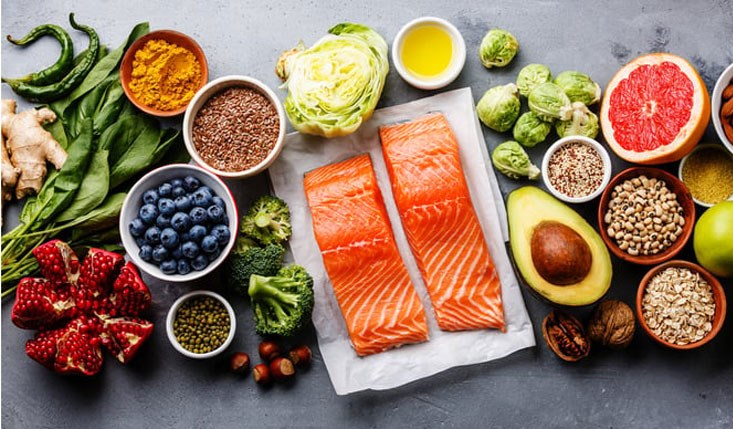
Avocados, fish, berries... high in protein and low in carbohydrates are beneficial for people who want to lose weight - Illustration
The benefits of a plant-based diet.
If you are following a low-carbohydrate diet, adding plant-based foods to your diet may offer long-term benefits in preventing weight gain.
Sharon Palmer, author of "The Plant-Based Plan to Beat Diabetes," told Health magazine: "Plant-rich diets are packed with fiber, healthy fats, micronutrients, and phytochemicals that have antioxidant and anti-inflammatory effects."
Much of the research has linked the Mediterranean diet, an eating pattern that emphasizes healthy fats and plant-based foods, not only to weight loss but also to numerous other health benefits, such as a reduced risk of heart disease, stroke, chronic diseases like diabetes, and some cancers.
Some studies suggest it may even boost brain health in older adults.
In fact, research has shown that adding a small amount of lean, minimally processed animal protein can support maintaining a slim figure.
A 2015 study in the journal Food and Nutrition Research concluded that people who supplemented their vegetable-rich diets with poultry had a lower risk of being overweight or obese. Furthermore, research from 2019 also found a link between fish consumption and a reduced risk of developing obesity.
It's important to note that incorporating some animal products into your diet doesn't negate the benefits of a plant-based diet and doesn't mean you won't be able to lose weight.
What can I do to eat more healthy foods?
You might think of vegetables like broccoli, lettuce, and zucchini when it comes to plant-based foods, but a low-starch, plant-based diet isn't simply about eating leafy greens and other non-starchy vegetables—although those are certainly nutritious choices. There are many more foods to choose from.
Avocado : This fruit is low in starch and high in healthy fats and fiber. Nuts: rich in fiber, healthy fats, and relatively low in starch.
Tofu : A plant-based food that is high in protein and low in carbs, it can be added to many different dishes.
Low-starch fruits: Berries, plums, peaches, and apricots are all relatively low-starch fruits that you can enjoy in moderation.
Some people may need to avoid certain foods in their diet; for example, those with thyroid disorders may need to limit their intake of goiter-inducing foods such as raw cruciferous vegetables.
You can also find ways to plan your meals so you don't miss out on essential nutrients that are primarily found in animal protein: vitamin B12, iron, calcium, and omega-3 fatty acids.
Source: https://tuoitre.vn/giam-can-bang-cach-an-nhieu-tinh-bot-thay-cho-thit-20250123090427038.htm
![[Image] Leaked images ahead of the 2025 Community Action Awards gala.](/_next/image?url=https%3A%2F%2Fvphoto.vietnam.vn%2Fthumb%2F1200x675%2Fvietnam%2Fresource%2FIMAGE%2F2025%2F12%2F16%2F1765882828720_ndo_br_thiet-ke-chua-co-ten-45-png.webp&w=3840&q=75)

![[Photo] Prime Minister Pham Minh Chinh receives Lao Minister of Education and Sports Thongsalith Mangnormek](/_next/image?url=https%3A%2F%2Fvphoto.vietnam.vn%2Fthumb%2F1200x675%2Fvietnam%2Fresource%2FIMAGE%2F2025%2F12%2F16%2F1765876834721_dsc-7519-jpg.webp&w=3840&q=75)
![[Photo] Prime Minister Pham Minh Chinh receives the Governor of Tochigi Province (Japan)](/_next/image?url=https%3A%2F%2Fvphoto.vietnam.vn%2Fthumb%2F1200x675%2Fvietnam%2Fresource%2FIMAGE%2F2025%2F12%2F16%2F1765892133176_dsc-8082-6425-jpg.webp&w=3840&q=75)

![[Live] 2025 Community Action Awards Gala](/_next/image?url=https%3A%2F%2Fvphoto.vietnam.vn%2Fthumb%2F1200x675%2Fvietnam%2Fresource%2FIMAGE%2F2025%2F12%2F16%2F1765899631650_ndo_tr_z7334013144784-9f9fe10a6d63584c85aff40f2957c250-jpg.webp&w=3840&q=75)






















































































Comment (0)