

Will raising prices drive tourists abroad?
The Ministry of Transport is seeking feedback on amendments to several articles of Circular No. 17/2019 on the price framework for passenger transport services on domestic routes. The proposed ceiling for airfare is expected to increase from 50,000 VND to 250,000 VND depending on the flight route.
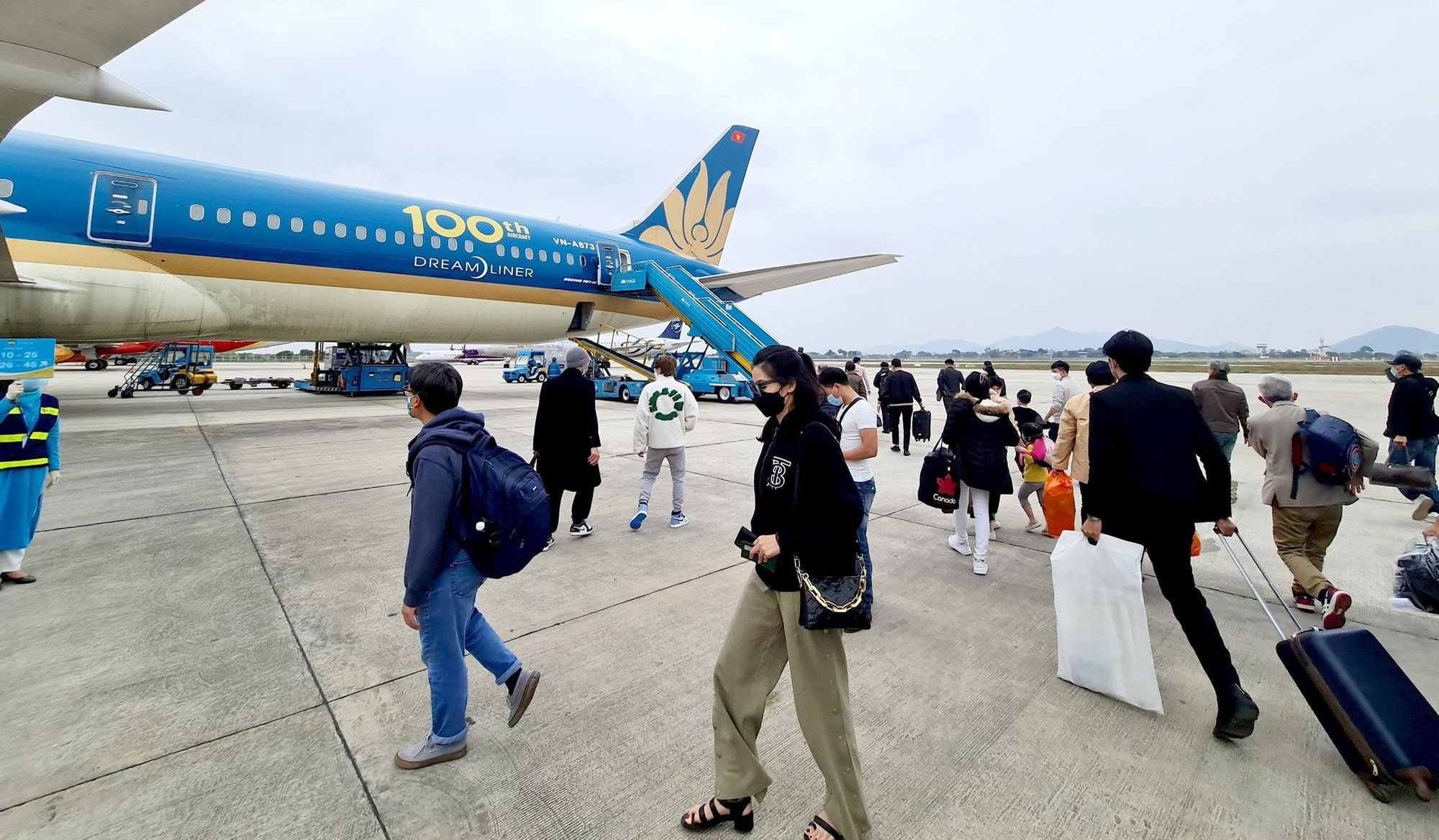
Whether airfares are currently high or low is a matter of debate.
Specifically, for routes from 500 km to under 850 km, the price ceiling increased by 50,000 VND/one-way ticket, from 2.2 million VND to 2.25 million VND, a 2.27% increase. For routes from 850 km to under 1,000 km, the price ceiling increased from 2.79 million VND to 2.89 million VND/one-way ticket (a 3.58% increase). For routes from 1,000 km to under 1,280 km, the Ministry of Transport proposed a maximum price of 3.4 million VND/one-way ticket, 200,000 VND higher than the current regulation (a 6.25% increase). Finally, for routes of 1,280 km or more, a price of 4 million VND/one-way ticket is proposed, 250,000 VND higher than the current regulation of 3.75 million VND. This group is also the one proposed to see the biggest price increase, at 6.67%.
"Customers who come to inquire about tours are still hesitant between domestic and international tours. If this draft is approved, airfares will continue to rise, and they will decide to travel abroad immediately," said Mr. Nguyen Minh Man, Director of Communications and Marketing at TST Tourist Company, expressing his opinion as soon as the draft from the Ministry of Transport was issued.
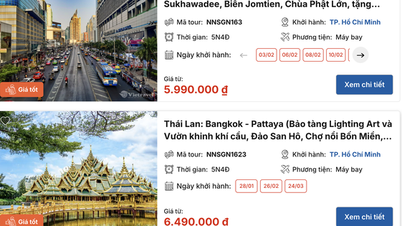
This concern is evident because Mr. Man had personally received complaints from customers in Hanoi who inquired about tours to Phu Quoc during the recent April 30th - May 1st holiday. Upon hearing the price, customers immediately reacted and demanded to be redirected to areas closer to Hanoi. In reality, the price of a 3-4 day Hanoi - Phu Quoc tour is currently over 10 million VND, equivalent to a high-quality 5-day tour to Thailand, with airfare accounting for approximately 60%. Many domestic tours offered by TST Tourist have also had to adjust their price lists due to fluctuating airfares, with some routes seeing increases of up to 40%.
"Instead of eagerly preparing for the biggest tourist season of the year like every year, this year's peak summer season remains uncertain due to waiting for the final move from airlines. If prices are too high, people in Hanoi won't fly to Phu Quoc, Nha Trang, or Da Lat anymore; they'll drive to Quang Ninh, Hai Phong, or go to the Northeast or Northwest to enjoy the beaches and mountains. However, it's clear that their demand for combining beach fun and relaxation in Phu Quoc hasn't been met. Or, if they switch to going abroad, the travel companies won't 'die'; they'll still have customers, tours, and money. Ultimately, only the customers, the destinations, and Vietnam's domestic tourism suffer," Mr. Man analyzed.
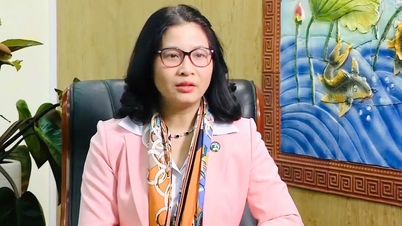
From another perspective, Ms. Pham Phuong Anh, Deputy General Director of Vietnam Tourism Media Joint Stock Company, analyzed that if an airline sets prices too high, people will switch to other airlines or cancel their trips, forcing ticket prices to automatically decrease. This has happened during several recent peak travel periods, especially the April 30th - May 1st holiday. Airfares skyrocketed 1-2 months before the holiday, but then unexpectedly "reversed" at the last minute to stimulate demand before the "deadline".
The aforementioned situation is changing the travel habits of tourists. Customers are increasingly inclined to wait until closer to their departure date to buy tickets. This makes it difficult for travel companies to proactively manage their services. Even independent travelers who don't go on tours are at a disadvantage. While booking flights closer to the departure date might offer cheaper prices, hotel prices may increase or desired rooms may be unavailable.
"Furthermore, airfare accounts for about 40% of the tour price. High tour prices lead to customers booking slowly or switching to traveling abroad instead. In that case, travel companies will have to return the booking series to the airlines or hotels, continuing the vicious cycle of discounted tickets and uncertain tour sales," Ms. Phuong Anh worried.
Are airplanes only for the rich?
While travel companies are anxiously monitoring every move by airlines, the leaders of Vietravel Airlines consider this proposal to be one that closely reflects the actual situation of the industry, given the significant fluctuations in input costs compared to the price ceiling framework issued eight years ago.
Based on Vietravel Airlines' performance over the past few years, the average ticket price for flights operated by the airline has always been below the ceiling price set by Circular 17 issued in 2015. "During the early part of the 2023 summer peak season, Vietravel Airlines recorded a more than 18% decrease in airfare connecting Ho Chi Minh City and Hanoi to major tourist cities such as Phu Quoc/Quy Nhon/Da Nang compared to the same period last year," a representative of the airline stated, asserting that the information about high summer airfares from some sources is inaccurate and does not reflect the actual market situation or the overall picture of the entire flight network as defined by Circular 17 issued in 2015.
"Increasing the price ceiling will allow airlines to have a wider margin for adjusting ticket prices, helping them to be more proactive in flexibly balancing competitive ticket prices while still meeting fluctuating input costs, as has been the case recently," a leader of Vietravel Airlines stated.
In an interview with Thanh Nien newspaper , Mr. Nguyen Quoc Ky, Chairman of the Board of Directors of Vietravel Corporation, stated that it is necessary to recalculate and stratify transportation systems in society into different levels. Specifically, air travel is inherently a high-cost, high-safety mode of transportation. The investment cost for a single aircraft can reach up to 100 million USD, plus operating costs, safety standards, and fuel costs, which have increased from 30% to 50% currently. Therefore, it is necessary to stratify customer segments based on their ability to accept the price of this mode of transport. Customers who cannot accept the high price will switch to trains, or even lower, to cars. This would both help businesses in each segment operate and compete according to market mechanisms and avoid conflicts between different modes of transportation.
"Due to the difficult economic situation, businesses have to cut costs to the maximum, tightening all expenses to the lowest level, in order to offer low-cost airfares so that passengers who usually travel by train can afford to fly. This is also a way for low-cost airlines to 'liquidate' the railway system, especially on short routes of around 300-400 km. If this continues, neither the aviation nor the railway sectors will survive," Mr. Ky said.
According to Mr. Ky, air travel demand often fluctuates seasonally and depending on events. For example, during the Lunar New Year, flights between Ho Chi Minh City and Hanoi are usually fully booked, but the return flights are almost empty, sometimes only reaching a 20-30% occupancy rate. Airlines then have to calculate the combined costs of both flights and divide them to determine the appropriate ticket price. This is why airfares during peak seasons are high and cannot be reduced. Furthermore, in other countries, travelers often plan well in advance and book their trips early to secure lower airfares. If they wait until the last minute to buy tickets, rushing to travel at that time, they have to accept higher prices.
If you want to travel by plane, plan early and accept higher prices. If you want to travel during the holidays on a more reasonable budget, choose trains or cars. Without a tiered system, transportation will be both expensive and will overload the tourism infrastructure, reducing its quality.
Mr. Nguyen Quoc Ky
Source link



































































Comment (0)