

 |
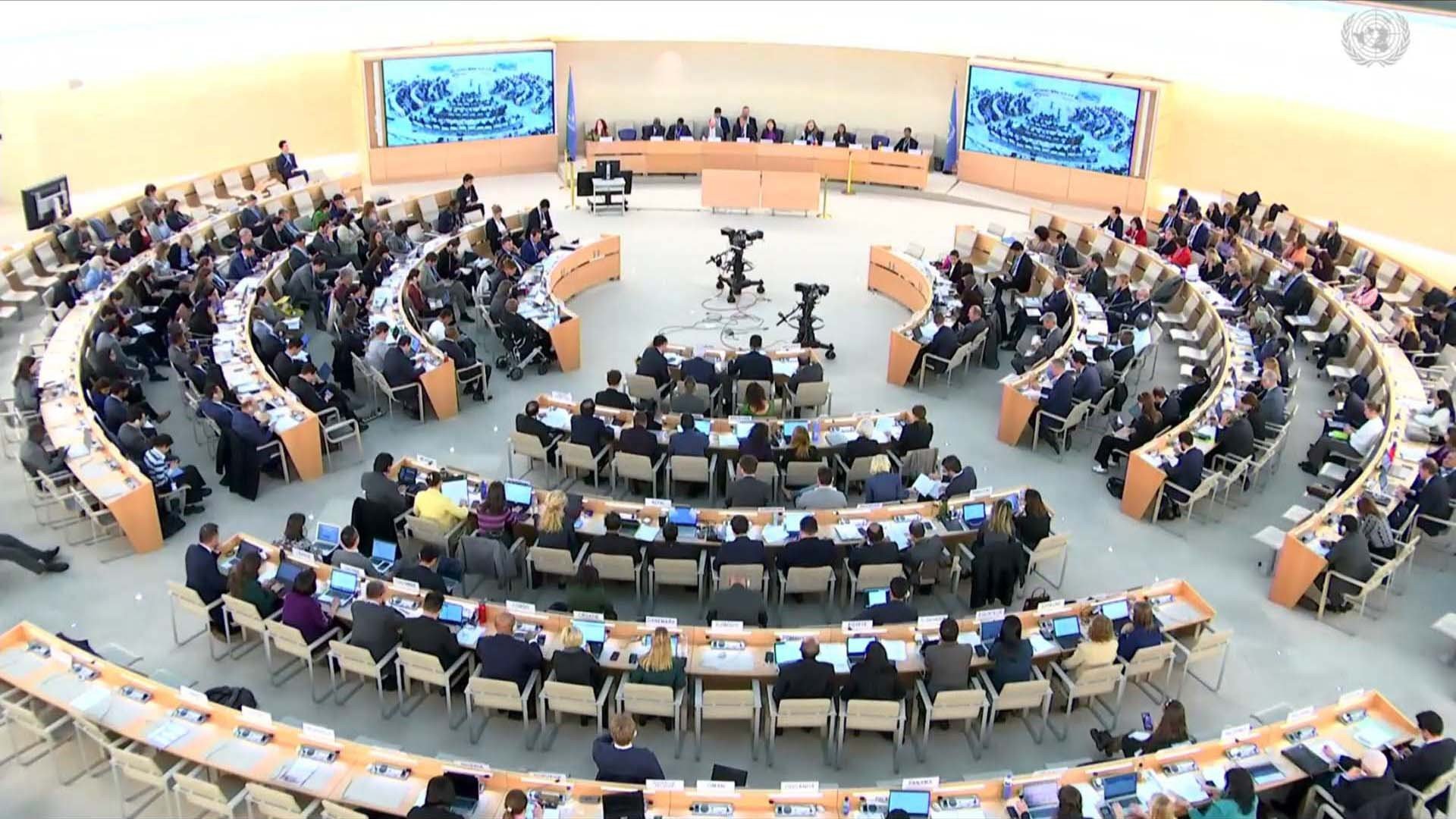
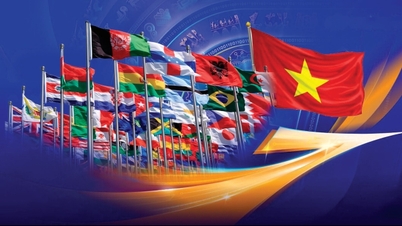
| The United Nations Human Rights Council adopted a resolution proposed and drafted by Vietnam commemorating the 75th anniversary of the Universal Declaration of Human Rights and the 30th anniversary of the Vienna Declaration and Programme of Action. (Photo: QT) |
The United Nations Human Rights Council (HRC) resolution on commemorating the 75th anniversary of the Universal Declaration of Human Rights (UNHRC) and the 30th anniversary of the Vienna Declaration and Programme of Action, proposed and drafted by Vietnam, was adopted by consensus at the 52nd session of the HRC on April 3, 2023.
A common measure for all nations
The Universal Declaration of Human Rights was adopted by the UN General Assembly on December 10, 1948, in Paris, France. The drafting of this Declaration took place from 1947-1948, following a decision by the UN Human Rights Committee (the predecessor of the Human Rights Council, established in 2006), with contributions from many legal scholars and diplomats from various countries and regions of the world, including several female delegates.
The content of the Universal Declaration of Human Rights, proclaimed by the UN General Assembly, serves as a common benchmark for all peoples and nations to assess the implementation of fundamental human rights and freedoms, which are natural rights. This ensures that every individual and social group always remembers this Declaration, strives to promote respect for fundamental human rights and freedoms through dissemination and education , and, through national and international measures, endeavors to ensure the effective recognition and implementation globally of these rights and freedoms for all citizens in UN member states and their territories (as noted in the Preamble to the Universal Declaration of Human Rights).
| "The Universal Declaration of Human Rights is the first global international document and the foundation of international law on human rights, along with the emergence of subsequent international treaties that specifically regulate human rights widely recognized throughout the world." |
The TNQTNQ (International Human Rights Act) has now been translated into 555 languages and is continuing to be translated into more languages to enhance the dissemination, promotion, and protection of human rights.
The Universal Periodic Resolution on Human Rights (UPR) comprises 30 articles, which recognize fundamental human rights as natural rights, including personal rights such as: the right to life, liberty, equality, and freedom from discrimination; the right not to be enslaved; the right not to be tortured; the right to equality before the law; the right to social security, a dignified standard of living, and the right to care for mothers and children... At the same time, the UPR also limits rights and freedoms, outlines the obligations of individuals to society, and prohibits the abuse of rights and freedoms for purposes contrary to the goals and principles of the UN.
The Universal Declaration of Human Rights (UNHCR) is the first global international document and the foundation of international law on human rights. Along with the subsequent international treaties that specifically regulate human rights, these are widely recognized throughout the world, including nine fundamental conventions: the Convention on the Elimination of All Forms of Racial Discrimination of 1965 (CERD), the International Covenant on Civil and Political Rights of 1966 (ICCPR), and the Convention on Economic, Social and Cultural Rights of 1966 (ICESCR). Convention on the Elimination of All Forms of Discrimination Against Women of 1979 (CEDAW), Convention Against Torture and Other Cruel, Inhuman or Degrading Treatment or Punishment (1984), Convention on the Rights of the Child (1989), Convention on the Protection of the Rights of All Migrant Workers and Members of Their Families (1990), Convention on the Protection of All Persons from Forced Disappearance (2006), Convention on the Rights of Persons with Disabilities (2007).
The International Covenant on Human Rights (IHR) has a forward-looking vision and noble values, reflecting the will of UN member states to respect and implement human rights. The IHR has affirmed the fundamental and inviolable values of humanity, creating a foundation for international human rights law and guiding countries and humanity towards a peaceful, just, and prosperous world.
After 75 years since its creation, the Universal Declaration of Human Rights continues to be recognized by countries around the world and the international community as a historical document of significant importance for the recognition and protection of human rights worldwide, as affirmed in the preamble of the aforementioned commemorative resolution of the Human Rights Council earlier this year.
A Declaration Comes to Life
The International Cooperation on Human Rights (ICR) has immense and far-reaching significance and impact in promoting the development of international and national legal frameworks, institutions, international and national agendas, as well as practices for promoting and protecting human rights worldwide. The following are some of the most notable achievements:
The International Cooperation on Human Rights (ICR) has promoted the development and improvement of the international legal framework as well as national laws, human rights mechanisms, and the concretization and development of the content of human rights in many fields to protect specific human rights in general and the rights of vulnerable groups, such as women, children, ethnic minorities, people with disabilities, and migrants…
At the international level, a series of international human rights treaties have been developed, including Conventions and Protocols, forming the international legal framework for the implementation of human rights in various fields globally; inspiring movements for the liberation of colonial peoples, movements to abolish racism, and promoting social justice; and fostering the creation of a system of international human rights mechanisms, including international bodies, mechanisms, and standards to guarantee and promote human rights.
Countries have made tremendous progress in implementing human rights in a wide range of areas around the world, as recognized in the Universal Periodic Review of Human Rights and related international treaties, contributing to improvements in living standards, health, education, employment, and social security for people worldwide.
Human rights, along with peace, security, and development, are one of the three pillars of the UN; they have become a central focus in global dialogue on peace, security, and development. Numerous policies, programs, and activities by state agencies, the UN, specialized international organizations, and non-governmental organizations have been implemented to improve living conditions and enhance the quality of life for all citizens. A notable achievement is the adoption by government leaders at the UN General Assembly of the Millennium Development Goals (MDGs) for 2015 and the Sustainable Development Goals (SDGs) for 2030 (the UN 2030 Agenda).
It is important to emphasize that the implementation and achievements of the previous MDGs and current SDGs are closely and firmly linked to ensuring and promoting human rights in practice…
However, the Universal Declaration of Human Rights (UHR) still has limitations that create certain difficulties in its implementation. These include the fact that UHRs are not legally binding and lack effective enforcement mechanisms. Therefore, compliance with UHRs depends on the will and voluntary commitment of each nation, as well as the specific commitments of a nation in the relevant international treaty. UHRs do not fully reflect the diversity and richness of values, perspectives, and traditions regarding human rights around the world.
In addition, several new rights have recently been promoted through international political declarations or within the legal systems of various countries, such as the rights of LGBT (lesbian, gay, bisexual, or transgender) people, the right to live in a healthy environment, etc. Recognizing these rights, supplementing the Universal Declaration of Human Rights, is an essential requirement of the global situation over the past 75 years and for the period to come, in order to reflect the diversity, richness, and development of human rights.
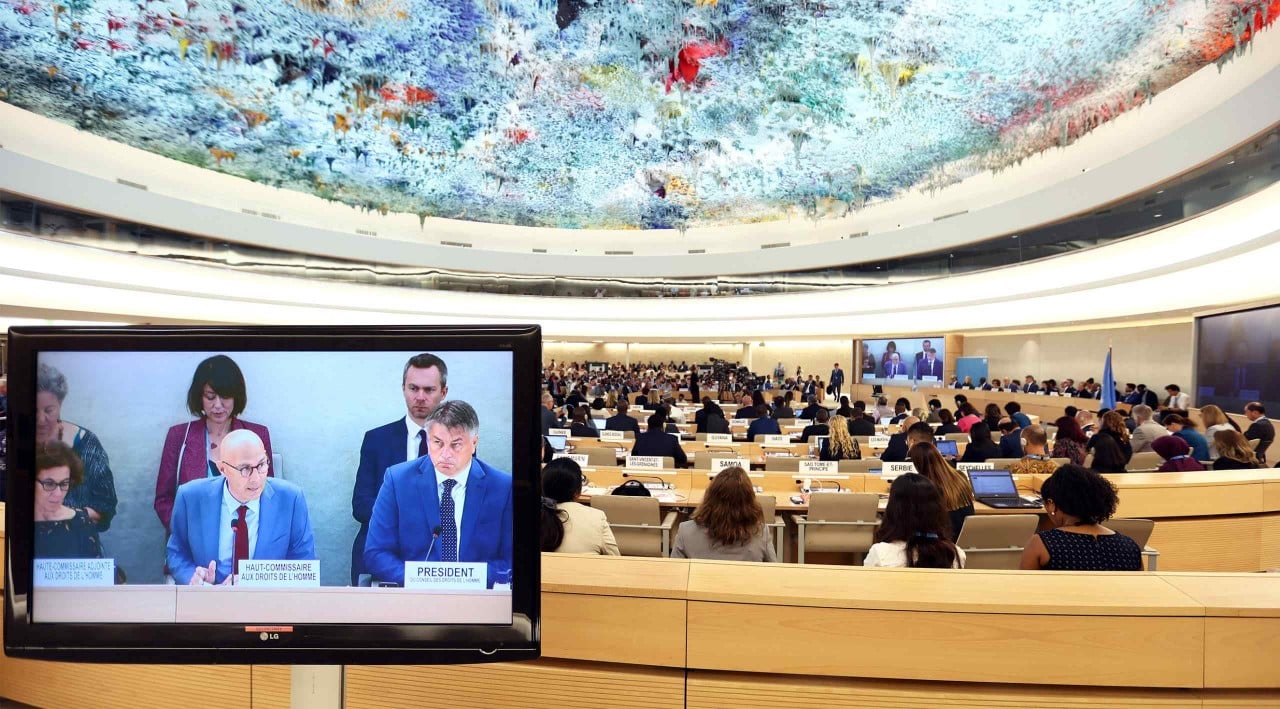 |
| UN High Commissioner for Human Rights Volker Turk delivers the opening remarks at the 54th session of the UN Human Rights Council (HRC) in Geneva, Switzerland. (Source: AFP) |
Challenges remain, and efforts are still needed.
Seventy-five years after the adoption of the Universal Declaration of Human Rights, human rights are recognized as one of the core values of humankind and as one of the important criteria for evaluating the development of a nation and region.
Common human rights issues facing countries include the following, which are among the biggest challenges currently facing the world:
Firstly, differences in the perception of human rights standards still exist among countries, groups of countries, regions, and even among citizens within a nation, mainly due to differences in socio-economic development levels, historical, political, cultural, religious, belief, customs, and traditions. This leads to different viewpoints, practices, and priorities regarding the promotion and protection of human rights. This requires countries to improve policies, laws, education, and dissemination of human rights based on the International Covenant on Human Rights and relevant international conventions…
Secondly, urgent global challenges such as climate change, natural disasters, wars, conflicts, terrorism, epidemics, migration, human trafficking, cybersecurity, food security, and biosecurity exacerbate inequality, racial discrimination, gender discrimination, and unfairness, especially in access to vaccines and medical equipment, and the digital divide. These issues have significantly impacted the enjoyment of human rights for millions of people worldwide, affecting their lives, health, property, and dignity.
Thirdly, the challenges and potential risks of human rights violations in the context of advanced technological development such as information technology, digital technology, artificial intelligence, and the changing trends and new demands on human rights, although these advanced technological developments bring many opportunities and benefits to people… require countries and international organizations to have policies and measures to regulate, manage, balance related interests and ensure human rights.
Fourth, subversive activities exploiting human rights issues by ill-intentioned and extremist organizations and individuals, through the dissemination of false reports, undermine the credibility of the progress in human rights that many developing countries have strived to achieve. These activities have, to some extent, negatively impacted the international community's perception of the human rights efforts of developing countries.
Fifth, awareness and capacity for promoting and protecting human rights still have certain limitations in the implementation of laws, policies, and socio-economic and cultural programs, especially for vulnerable population groups at the local and national levels. This requires continued improvement and strengthening to ensure more effective implementation.
Besides the general challenges to human rights, there are also specific human rights issues arising in certain countries and regions around the world. These challenges stem from human rights hotspots caused by political crises, armed conflicts, violence, and terrorism, where countries still hold differing views on assessment and solutions. For example, the human rights situation in Myanmar, Sri Lanka, and several other countries remains unresolved, requiring relevant countries, regional organizations, the Human Rights Council, and the UN to make more concerted efforts to find appropriate solutions to comprehensively address and improve the human rights situation in these hotspots.
Source



























































































Comment (0)