


Direct payment for rare medicines from the Health Insurance Fund.
Deputy Minister of Health Tran Van Thuan has just signed and issued Circular 22/2024/TT-BYT (Circular 22/2024) regulating the direct payment of costs for medicines and medical equipment to people with health insurance cards, which clearly states the conditions, criteria and payment limits.
Accordingly, the circular stipulates the conditions and benefit levels under which the Health Insurance Fund will directly reimburse the costs of medicines and medical equipment within the scope of coverage for patients with health insurance cards.
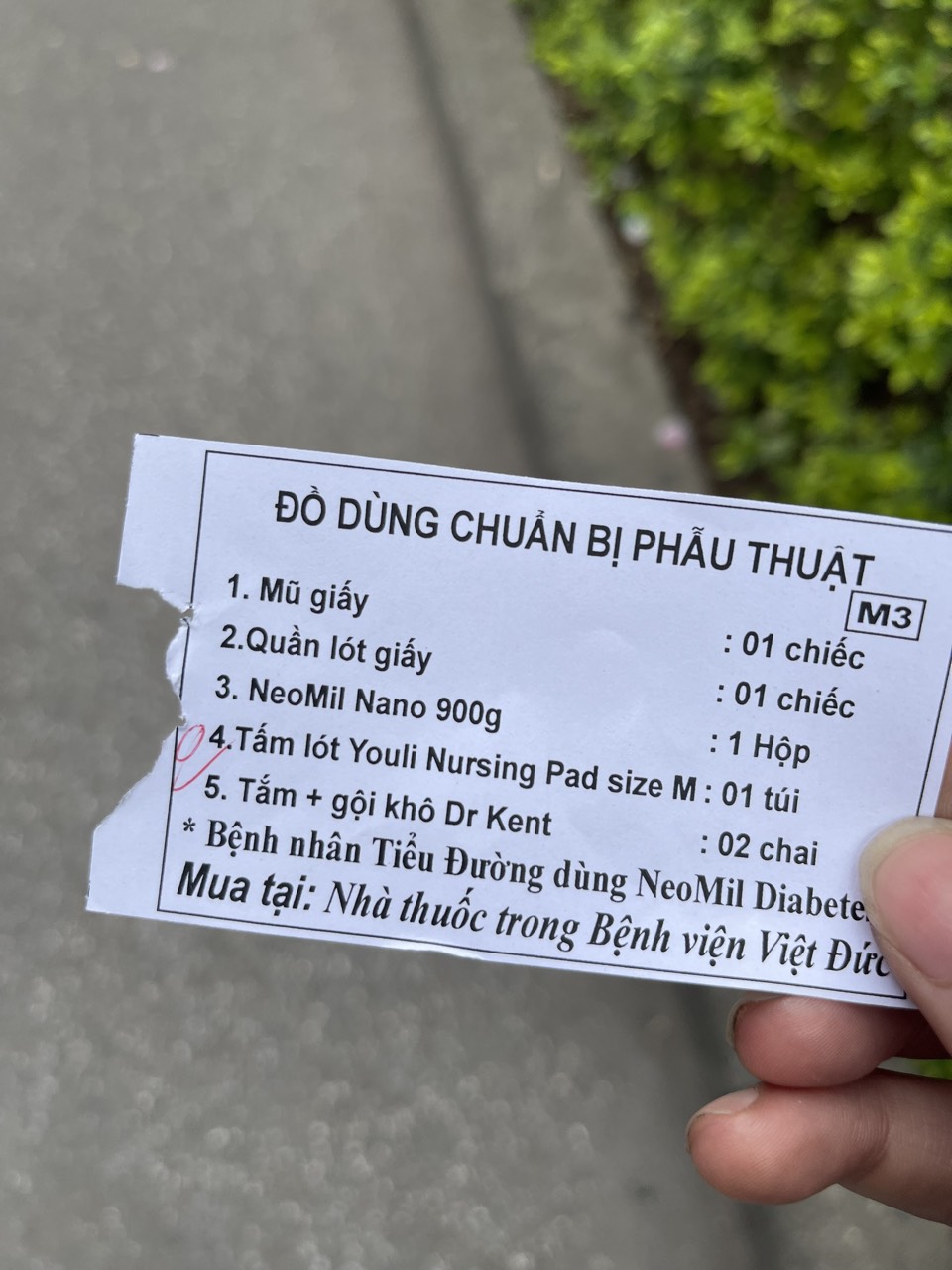
Patients covered by health insurance are directly reimbursed by the Health Insurance Fund for medications and medical supplies within the scope of coverage when the health insurance medical facility experiences shortages.
Cases covered by reimbursement for medicines and medical devices include: medicines on the list of rare medicines issued with Circular No. 26/2019/TT-BYT dated August 30, 2019, of the Minister of Health regulating the list of rare medicines.
Medical devices of category C or D, excluding personal medical devices and medical devices listed as medical devices that can be bought and sold as ordinary goods.
Regarding payment conditions, Circular 22/2024 clearly states that at the time of prescribing medication or ordering medical equipment, the following conditions must be met: the medical facility must not have the medication or medical equipment in stock because it is currently in the process of selecting a contractor according to the approved contractor selection plan.
At the same time, the medical facility does not have substitute medications (no commercially available medications containing the same active ingredient as the one prescribed to the patient, or medications with the same active ingredient but at different concentrations, dosages, formulations, or routes of administration, and which cannot be substituted for the patient's prescription).
Regarding medical devices, patients covered by health insurance are reimbursed when the health insurance-covered medical facility does not have the medical device prescribed for the patient and there is no alternative medical device available.
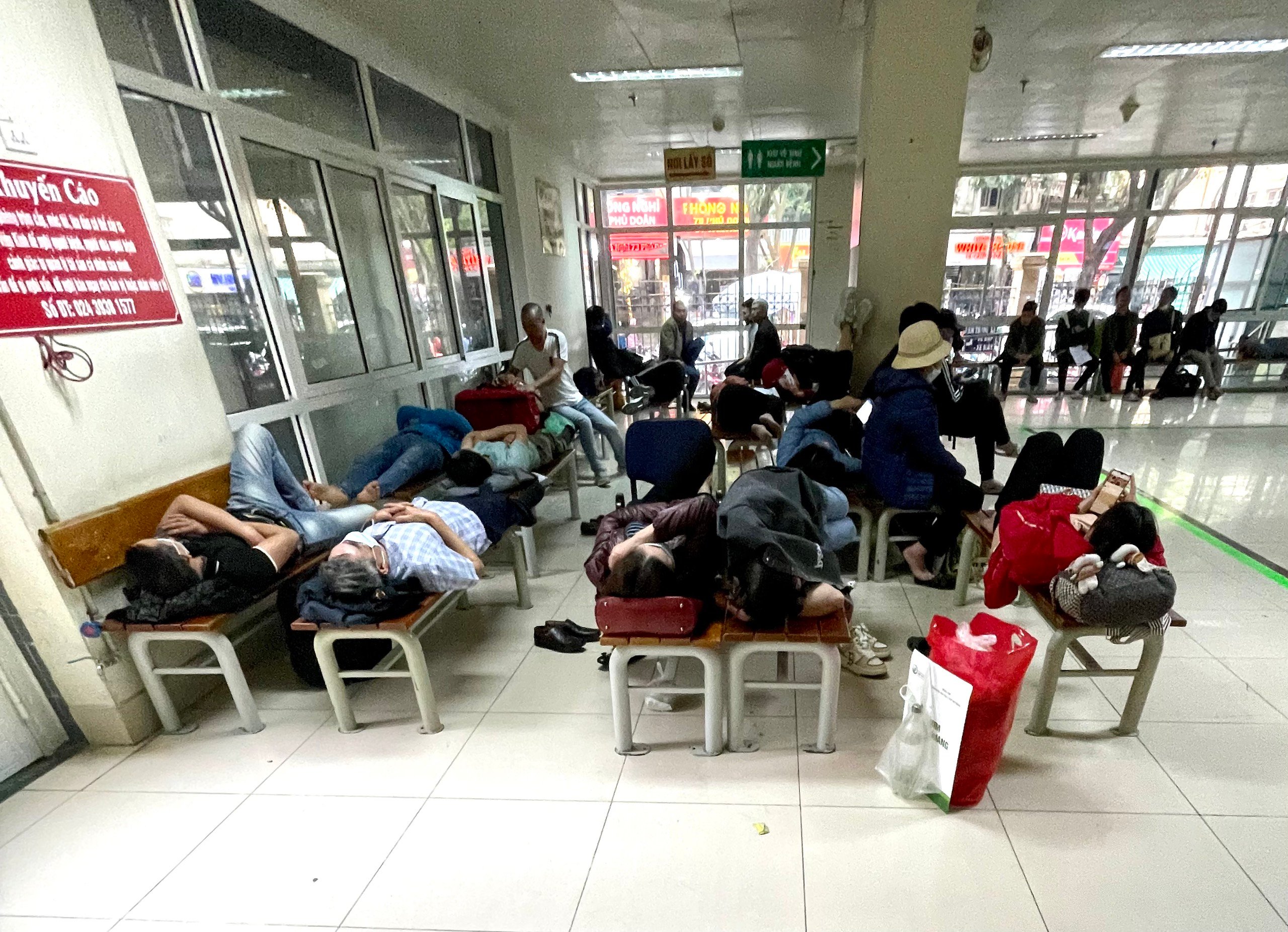
Hospitals must ensure an adequate supply of medicines and medical supplies; and avoid abuse in prescribing medications or medical equipment that patients can purchase themselves.
Prescribed medications and medical devices must be within the scope of expertise of the medical facility and the medical examination and treatment costs must have been covered by health insurance at one of the medical facilities nationwide. Furthermore, the prescribed medications and medical devices must fall within the scope of benefits for the insured individual.
It is unacceptable to profit by prescribing medications that patients purchase themselves.
Circular 22/2024 also clearly states that medical facilities must ensure there is no abuse or profiteering in prescribing medications or medical equipment that patients purchase themselves.
The patient or their legal representative is responsible for the legality and completeness of the documents required for direct payment.
Provincial and city health departments should strengthen supervision, inspection, and auditing of procurement to ensure the availability of medicines and medical equipment for medical examination and treatment under health insurance at medical facilities under their management; and handle medical facilities that do not meet the requirements or are involved in the supply of medicines and medical equipment in accordance with the law.
At the same time, strengthen inspection and supervision of medical examination and treatment facilities under management authority to ensure that there is no abuse or profiteering in prescribing medications and medical equipment for patients to self-purchase; strictly handle violations in accordance with the law.
The Ministry of Health also requires heads of medical examination and treatment facilities to be responsible for organizing guidance and consultation on patients' rights and levels of health insurance coverage; and to provide specific information to patients about the unavailability of medicines and medical equipment.
From the perspective of healthcare professionals, the Ministry of Health requires that they avoid abuse and profiteering in prescribing medications and instructing patients to self-purchase drugs and medical equipment.
Reimbursement rates for patients with health insurance who purchase medications and medical equipment themselves.
According to Circular 22/2024, the Social Insurance agency will directly pay patients according to the following regulations:
For medications: the basis for calculating the reimbursement amount is the quantity and unit price recorded on the invoice purchased by the patient at the pharmaceutical business. If the medication has regulations regarding reimbursement rates and conditions, those rates and conditions will be followed.
For medical devices (including reusable medical devices): The basis for calculating the payment amount is the quantity and unit price recorded on the invoice issued by the patient at the medical device retailer. In cases where a medical device has a specified payment limit, the payment must not exceed the limit stipulated for that device.
The unit price of medicines and medical equipment used as a basis for determining the payment amount must not exceed the payment unit price at the most recent time for the medicines and medical equipment that were awarded through a tender at the medical facility where the patient received medical examination and treatment.
In cases where medicines and medical equipment have not been successfully bid on at the medical facility where the patient received examination and treatment, the unit price used as the basis for determining the level of health insurance reimbursement will be the valid results of the contractor selection process, in the following order of priority: results of national-level centralized procurement or price negotiation; results of local-level centralized procurement within the area.
In cases where the cost of medicines and medical equipment is included in the price of medical examination and treatment services: social insurance will deduct this cost from the medical examination and treatment service fees covered by health insurance at the medical facility.
Source: https://thanhnien.vn/quyen-loi-bao-hiem-y-te-moi-nhat-duoc-thanh-toan-truc-tiep-chi-phi-thuoc-185241020095620599.htm


![[Photo] Prime Minister Pham Minh Chinh visits and extends New Year greetings to former Party and State leaders and offers incense to the esteemed predecessors.](https://vphoto.vietnam.vn/thumb/1200x675/vietnam/resource/IMAGE/2026/02/14/1771078465521_dsc-2411-jpg.webp)







































































Comment (0)