


The tourism industry, having just recovered from the Covid-19 pandemic, was unexpectedly hit hard by Typhoon No. 3. With its intense force and devastating power, the typhoon caused significant damage to tourist areas, destinations, cruise ships, and accommodation facilities throughout the province. However, with the spirit of "the greater the difficulty, the stronger the determination and effort to overcome," the tourism industry promptly addressed the damage caused by the storm and reopened to tourists immediately after Typhoon Yagi passed.
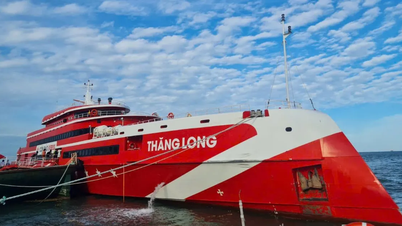
Currently, there are approximately 500 tourist boats operating in Ha Long Bay, transporting visitors to various attractions and offering overnight stays. According to a report from the Department of Transport, Typhoon No. 3 caused the sinking of 27 tourist boats and 4 transfer vessels, and damaged dozens of other boats. In addition, infrastructure at tourist destinations in the bay also suffered significant damage due to the storm.
Besides property damage, hundreds of tons of debris, including aquaculture rafts and other post-storm waste, drifted across Ha Long Bay after the storm. To restore the clean and beautiful image of the heritage site, the Ha Long Bay Management Board launched the "3-Day Ha Long Bay Cleanup Campaign," involving over 50 vehicles and nearly 200 officials, staff, and soldiers from the Ha Long Bay Management Board, the provincial armed forces, and tourism service businesses operating in the bay. Hundreds of rafts and hundreds of cubic meters of various types of waste, such as branches, leaves, styrofoam floats, and household waste, were collected and processed. With the support of various agencies and units, and the joint efforts of numerous officials, soldiers, and businesses, the problem of waste causing unsightly pollution after the storm has been largely resolved, restoring a clean and beautiful landscape to the heritage bay.
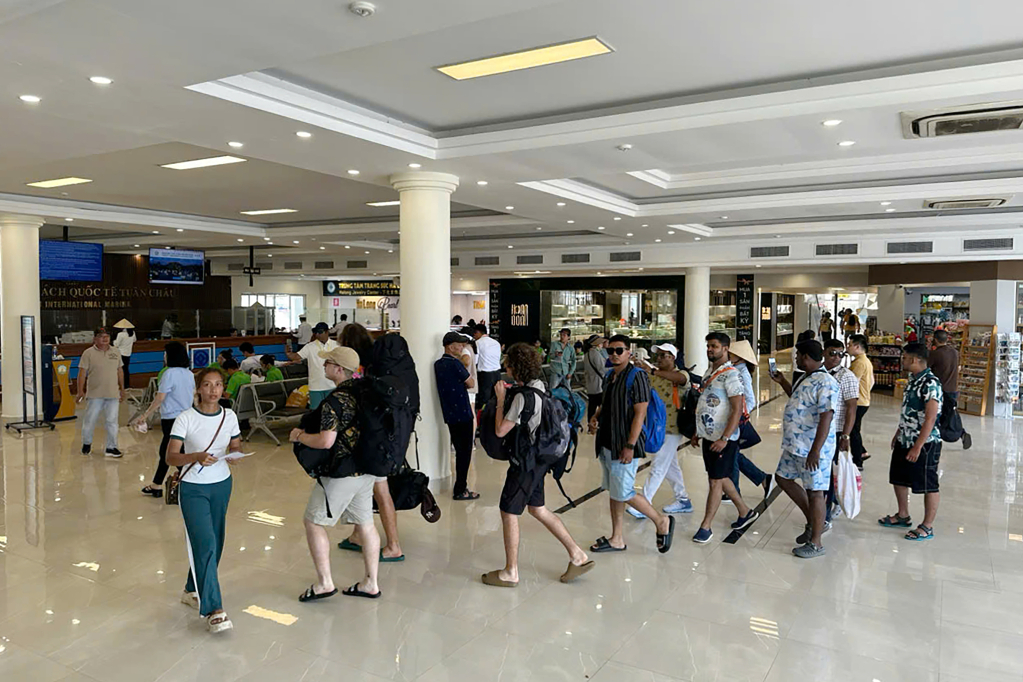
For tourist boats, ship owners quickly repaired damage, ensuring the safety of their vessels and preparing to welcome tourists to Ha Long Bay. Port infrastructure was also urgently repaired, with appropriate plans in place to receive tourists. Tourism service businesses took advantage of the opportunity to restore production and business activities. Immediately after the storm, over 350 tourist boats and overnight cruise ships resumed operations, meeting the needs of tourists. Nearly 90% of tourist boats at Ha Long International Cruise Port and Tuan Chau International Cruise Port have stabilized their operations and are welcoming passengers again.
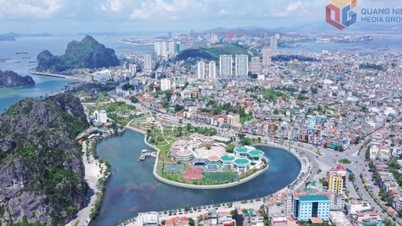
In just a short time, during the urgent recovery efforts following Typhoon No. 3, Ha Long Bay, a World Heritage Site and natural wonder, has welcomed and served tourists visiting its routes, attractions, and overnight stays. Currently, all locations are basically safe and ready to welcome and serve tourists. With high efforts and determination to quickly restore tourism activities after the typhoon, two weeks after the storm, Ha Long Bay welcomed nearly 40,000 tourists, of which nearly 90% were foreign visitors from South Korea, India, Europe, and America.
Along with other tourist destinations in the province, the Yen Tu historical and scenic site also suffered heavy damage from Typhoon No. 3. However, with a determination to quickly stabilize operations, the managing units here promptly addressed the consequences, ensuring safe conditions. The reception of people and tourists visiting Yen Tu for sightseeing and Buddhist worship was restored to normal within just a few days after the storm, ensuring smooth and safe operations.
Following Typhoon No. 3, tourist areas and destinations throughout the province are urgently working to repair the damage, determined to welcome tourists back and restore tourism activities as soon as possible. Despite suffering heavy losses from the typhoon, Quang Ninh remains determined to achieve its goal of welcoming 19 million tourists in 2024, including 3.5 million international visitors.
Source
















![[Photo] Prime Minister Pham Minh Chinh presides over a meeting of the Steering Committee for the construction of the nuclear power plant.](https://vphoto.vietnam.vn/thumb/1200x675/vietnam/resource/IMAGE/2026/02/13/1770947038316_dsc-1534-jpg.webp)













































Comment (0)