

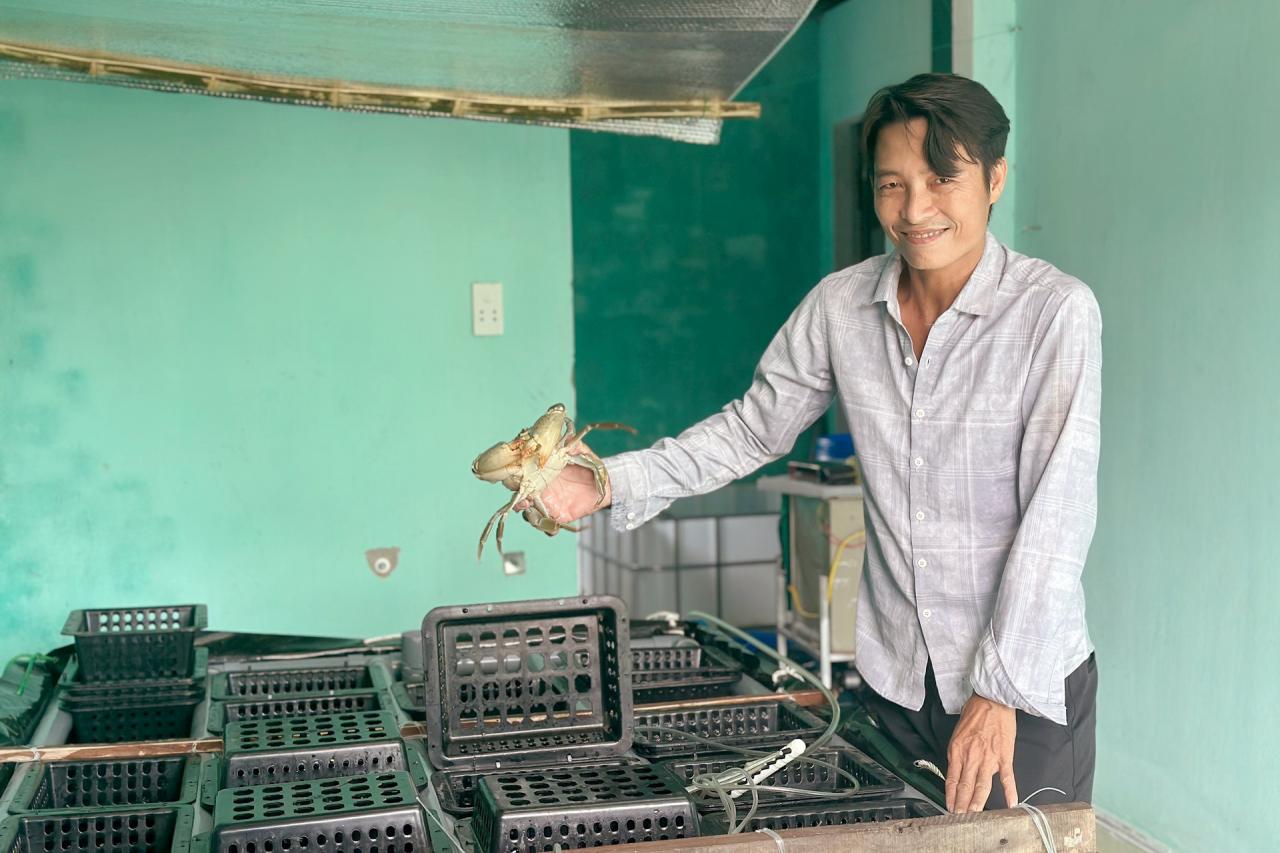
Find your own path.
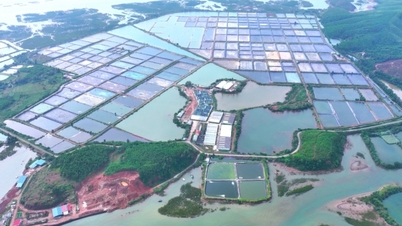
Along the Yangtze River, for many years, people have been digging ponds to raise shrimp and crabs, using brackish water from the Yangtze River that has been contaminated with salt. Dong's family owns a small grocery store and doesn't raise shrimp and crabs like the people around them.
Dong's house is located by the river, so he understands the hardships and risks of shrimp farming. The unpredictable climate and constantly changing water currents cause shrimp and crabs to suffer from many diseases that are difficult to control. Because they draw water from the river, the indicators frequently fluctuate, which is detrimental to the shrimp and crabs.
"In the South, they have favorable conditions for shrimp farming because the weather is basically stable. In Central Vietnam, sometimes it's scorching hot, over 40 degrees Celsius, then it drops below 20 degrees Celsius in the evening. The tides are also erratic, and the salinity, pH, and alkalinity levels vary constantly. My friends and I raise shrimp, and sometimes I feel like we're gambling... with the weather. Of course, there are times when the weather and prices are favorable and business is good, but I've also seen quite a few failures. Trying to maintain a large number of shrimp in the pond to minimize disease means using a lot of medication, and as a result, the quality of the shrimp and crabs doesn't meet expectations," said Mr. Dong.
[VIDEO] - Mr. Dong shares about the risks and uncertainties in shrimp and crab farming in Quang Nam :
While browsing the internet, he came across a model for raising crabs on land. He was fascinated by the small enclosures where crabs were raised in plastic boxes, all controlled by machinery, and the water continuously treated with advanced microbiological technology. Notably, this model requires only a small area, has low investment costs, and can successfully raise crabs.
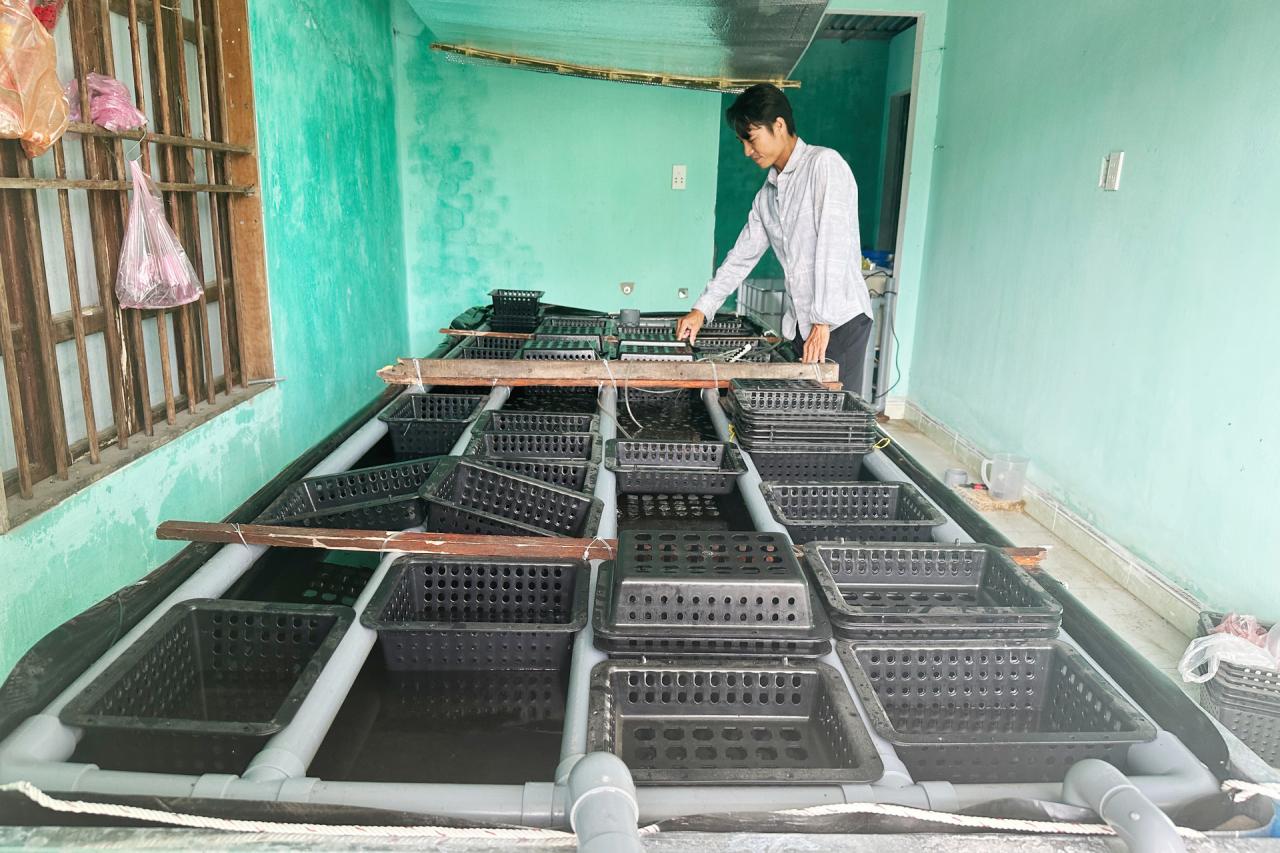
After several months of research, utilizing his family's abandoned house, he bought water pipes, erected a tarp, and ordered measuring instruments and equipment to assemble a prototype.
"This land-based crab farming method already exists in Singapore and Thailand, but it has only recently been standardized. I just followed their methods, in the spirit of correcting mistakes as they occur. Of course, some issues need to be adjusted to suit the natural conditions of Quang Nam."
Le Ngoc Dong
Water control is important.
After successfully assembling a system of four water reservoirs for crab farming, including: a main reservoir with over 50 cages containing more than 50 juvenile crabs; a reservoir for treating feed residue with microorganisms; a disinfection reservoir; and a settling reservoir. These reservoirs are interconnected, with water flowing continuously like a river, but each step is carefully controlled and monitored.
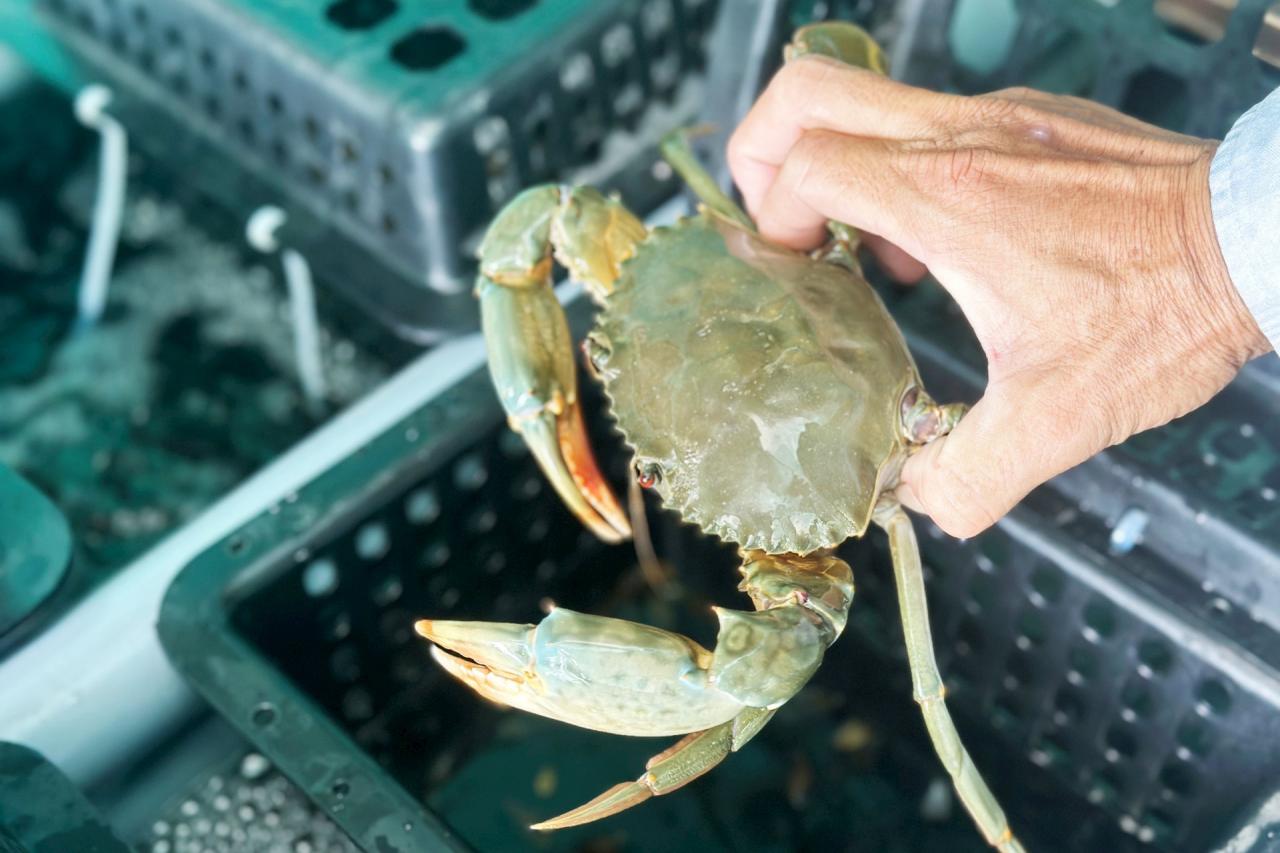
Mr. Dong started a pilot project raising 50 juvenile crabs imported from Ca Mau province in February 2023. To date, after several attempts to fix technical problems, 5 crabs have died, while the rest are growing and developing normally.
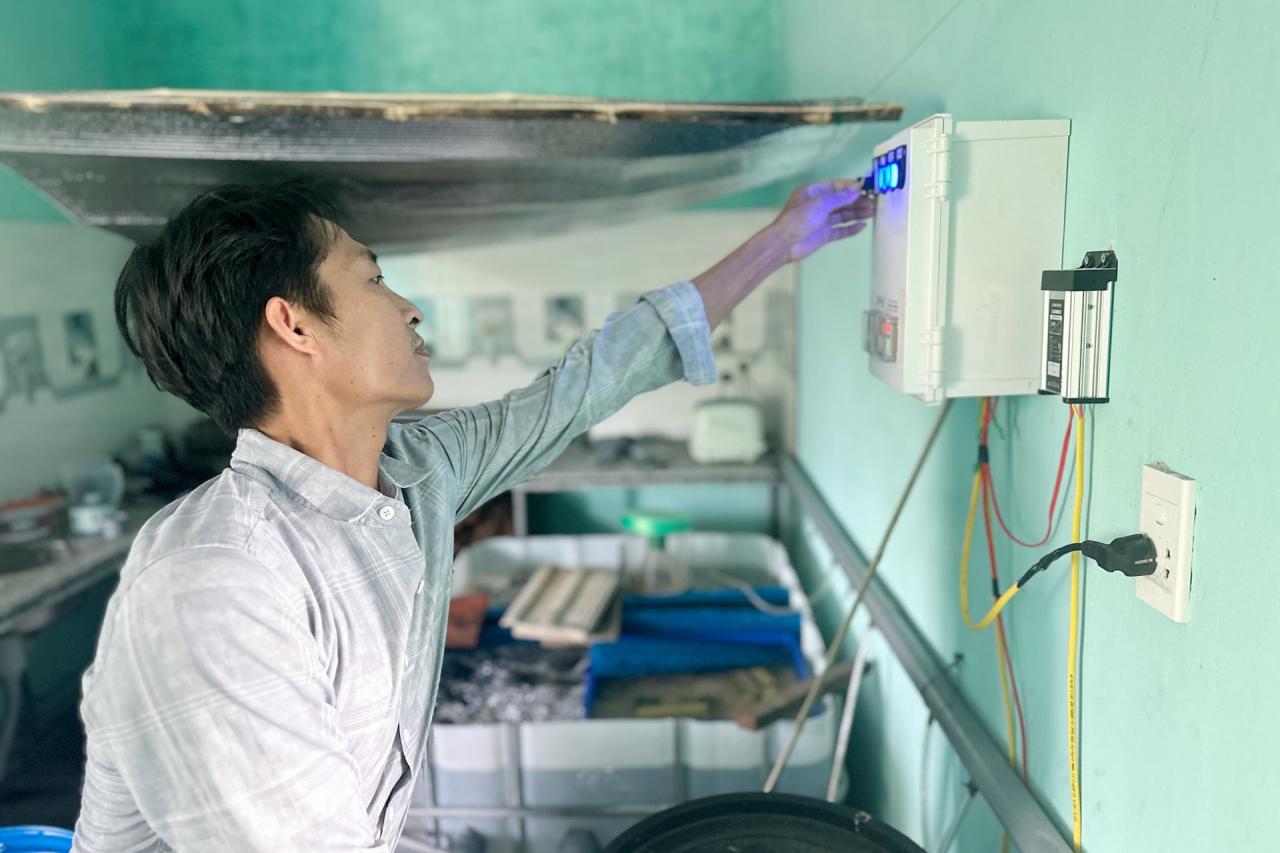
"A 10% mortality rate was something I didn't expect. Within six months of raising them, you can sell them and then raise another batch. You can raise up to two batches per year, depending on the size of the pond and the available water source. In my opinion, this model has considerable potential in the eastern part of Quang Nam province, because the crabs are fed small fish and snails, twice a day. Most importantly, controlling the water source is crucial, as it accounts for 80% of the model's success or failure. Carefully monitoring alkalinity, pH, and salinity levels is essential..." - Mr. Dong shared.
[ VIDEO ] - Mr. Le Ngoc Dong shares his experience in raising crabs on land:
He also stated that, with the investment in technical equipment and reservoirs, farmers can operate two models simultaneously: raising crab larvae from small to large size while also purchasing naturally occurring crabs that are soft or malnourished due to lack of nutrients, raising them until they reach the required quality for sale. With a purchase price of over 100,000 VND/kg for soft-shelled crabs, after 10 days of raising them in Mr. Dong's model, the crabs are sold at 300,000 VND/kg, increasing both in price and weight.
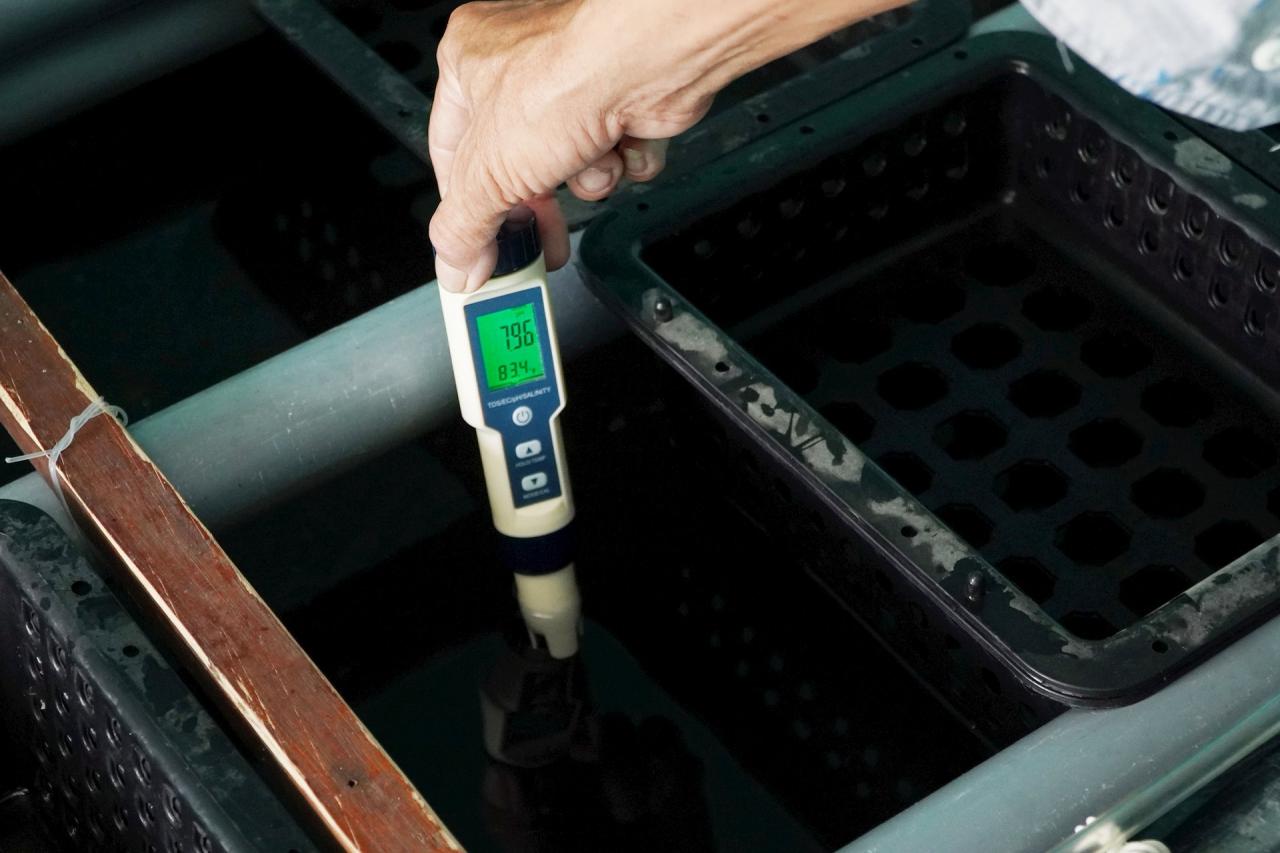
"Up to this point, my model has relatively controlled all the indicators. The number of crab deaths was due to a lack of understanding in the beginning, but since mastering the method, everything has been thoroughly handled. Although it depends on electricity to operate the machinery, crabs can survive for a day without oxygen, so this is not too complicated. In the future, I will expand the model, build more space, add a roof, and ensure the temperature is maintained at 30-32 degrees Celsius," said Mr. Dong.
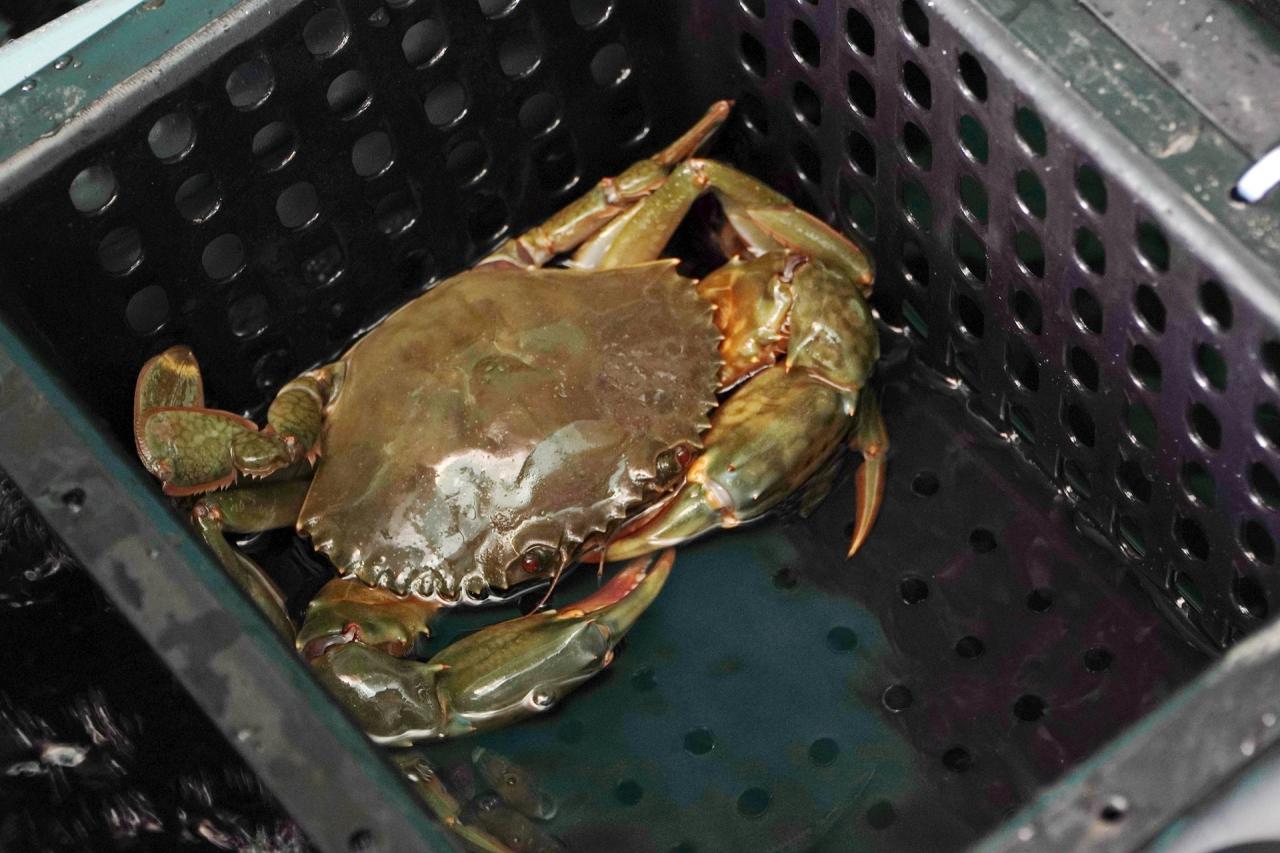
Source: https://baoquangnam.vn/doc-dao-mo-hinh-nuoi-cua-tren-can-3141530.html


















































































Comment (0)