


Let's examine the unique features of AI PCs and whether upgrading to these advanced PCs is worthwhile.

AI is a modern trend, and PCs are no exception.
First, it's important to understand that an AI PC isn't just a regular computer; it's a powerful machine designed to handle artificial intelligence (AI) tasks with ease. More importantly, everything is processed directly on the device, eliminating the need for cloud-based data processing.
So how does all this happen? Unlike traditional computers, AI PCs are equipped with specialized hardware, including AI accelerators and GPUs (graphics processors), which enhance their machine learning capabilities. These computers also have advanced software algorithms that efficiently handle data-intensive AI operations, enabling faster real-time processing and analysis. These powerful features allow AI PCs to perform tasks such as natural language processing and complex data analysis with far greater accuracy than conventional computers.
When will PC AI be released?
PC AI is beginning to enter the market, primarily driven by major players like Intel and AMD. Intel has made significant strides with its Intel Core Ultra line, launched in December 2023. This product line includes integrated NPUs (neural processing units) that enhance AI tasks on laptops.
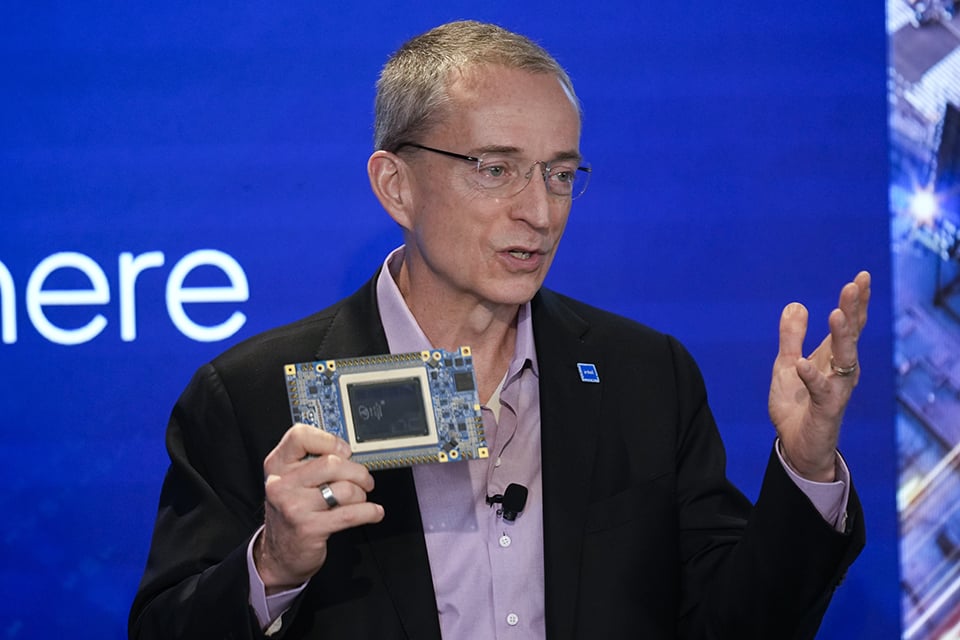
Intel has set ambitious targets for the growth of PC AI in 2025.
Intel aims to sell around 100 million AI PCs by 2025, signaling strong growth and adoption in the field. But consumer choices aren't limited to Intel, as AMD and Qualcomm are also upgrading their CPUs with AI capabilities, with plans for launches this year.
How to identify an AI PC?
A computer's hardware specifications and software capabilities define an AI PC. In terms of hardware, look for mentions of an NPU, dedicated AI accelerators, advanced GPUs, and above-average storage and RAM specifications. These features are crucial for processing large datasets and complex algorithms. However, the simplest way to determine if a Windows computer is an AI PC is by looking for the new Copilot key on the keyboard.
In terms of software, AI PCs typically come with pre-installed applications that leverage AI to improve functionality, including enhanced voice assistants, advanced security features like facial recognition, and applications that personalize content based on user behavior.
In terms of performance, PC AI demonstrates significantly better efficiency and speed in processing large volumes of data, running complex simulations, and rendering high-quality graphics.
Is it worth upgrading from a traditional PC to an AI PC?
This will largely depend on the user's specific needs. To make the best decision, we need to understand some of the advantages and disadvantages we will receive.
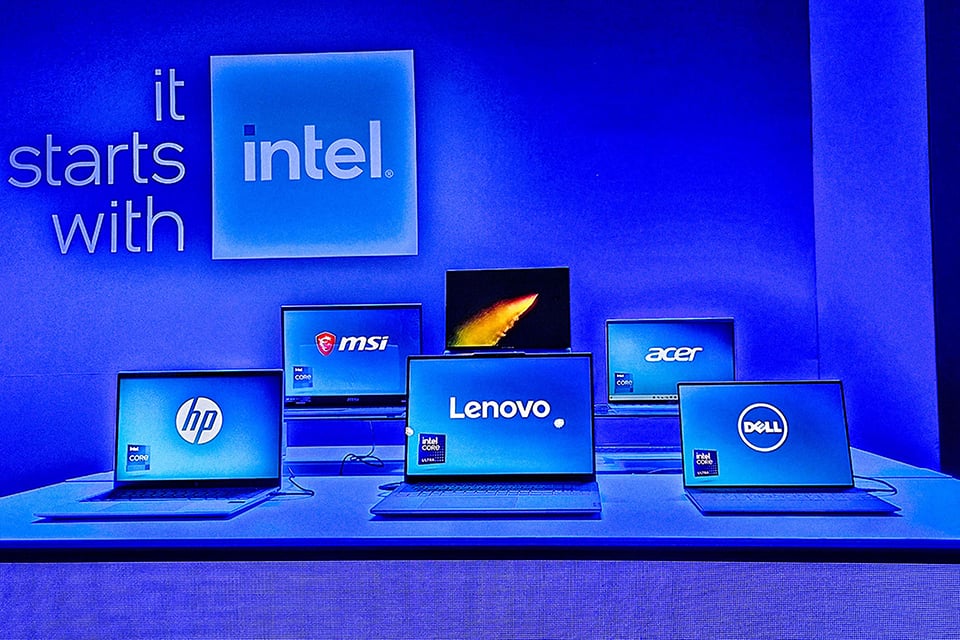
The emergence of AI-powered PCs has prompted users to consider upgrading.
Regarding the advantages of the transition, PC AI will bring several key benefits: enhanced performance and efficiency; personalized experiences; improved security; and compatibility with emerging technologies.
Regarding the drawbacks of the transition, PC AI has higher initial costs; complexity; privacy concerns; and energy consumption for high-performance tasks.
PC AI represents a significant leap forward in computing technology and is poised for a "future of Windows is AI." These devices could be suitable if users need high-performance PCs capable of managing complex datasets and performing AI-related tasks. While cost and complexity may deter some users, those working in fields such as data science and software development may find PC AI offers transformative benefits.
Source: https://thanhnien.vn/dieu-gi-khien-pc-ai-tro-nen-khac-biet-185240512081331352.htm



![[Photo] The General Secretary presents the title of Hero of the People's Armed Forces to the Navy.](https://vphoto.vietnam.vn/thumb/1200x675/vietnam/resource/IMAGE/2026/02/28/1772251730336_vna-potal-tong-bi-thu-to-lam-du-va-trao-danh-hieu-anh-hung-llvt-nhan-dan-cho-quan-chung-hai-quan-8612073-jpg.webp)
































































































Comment (0)