

Despite having the lowest birth rate in the world , the stocks of baby care companies in the country are experiencing strong growth. Analysts attribute this growth to increased spending by parents on their only child.
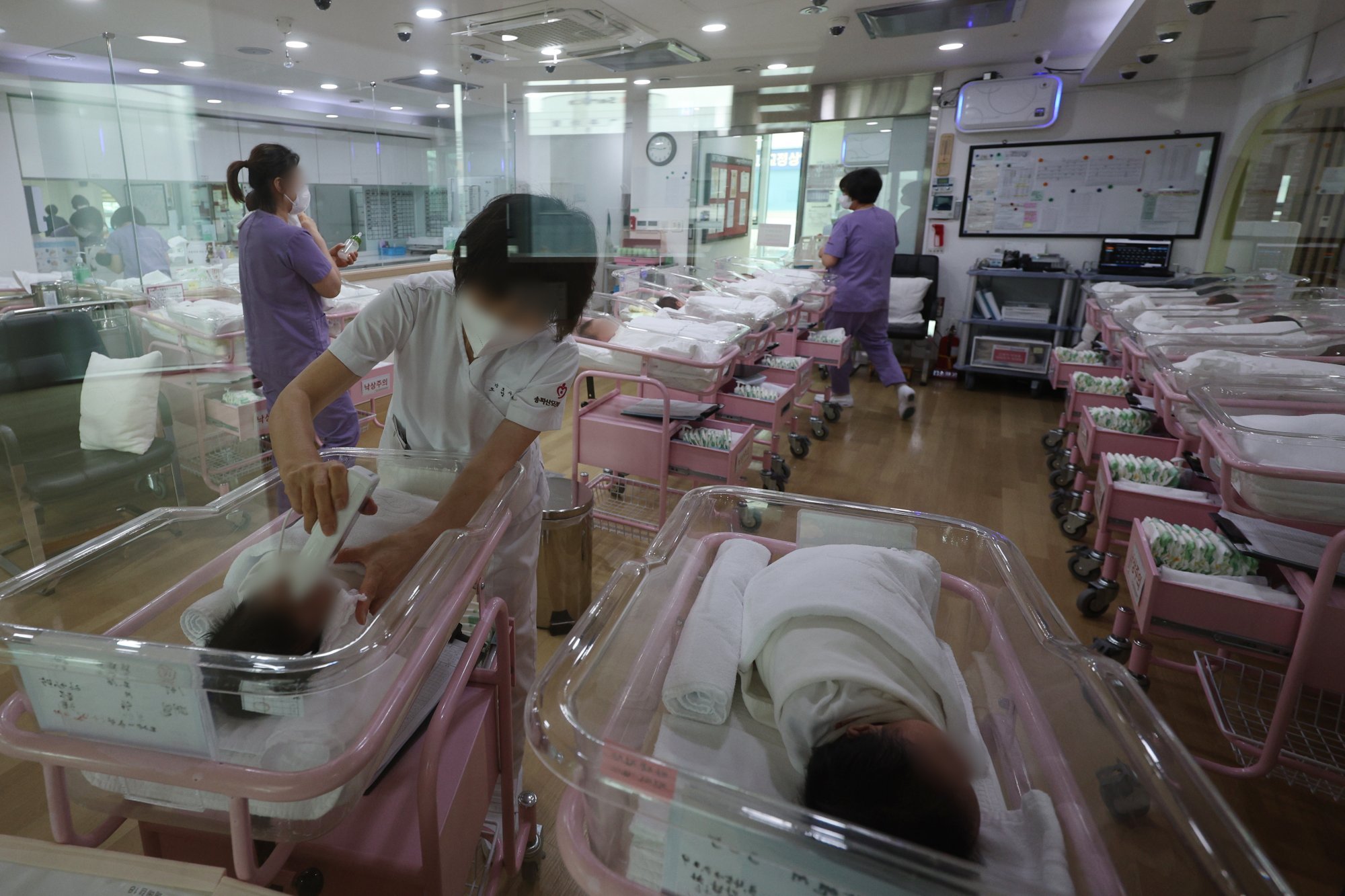
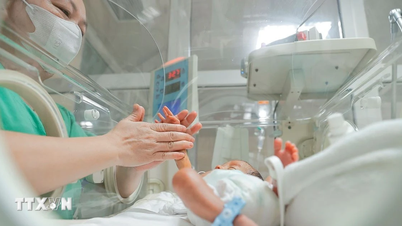
Nurses care for newborns at a postpartum care center in Seoul. Photo: Yonhap
According to the Korea Exchange, Agabang & Company, a company specializing in clothing, skincare products, and various baby care items, has risen more than 70% on the Kosdsaq stock exchange this year. This is considered a significant success for Agabang & Company, given that South Korea's total fertility rate is projected to fall to 0.72 in 2023.
Agabang & Company rose 5.91%, closing at 6,450 won on Thursday, a day after the Korea Statistics Office announced that the country's quarterly total fertility rate had fallen to a historic low of 0.65 between October and December last year.
Explaining Agabang & Company's upward trajectory, an analyst at Yuanta Securities Company referred to the "10 money bags"—a term referring to a family of about 10 members, including parents, grandparents, and aunts and uncles. These families are noted for their lavish spending on a single child, often the only child in the extended family.
"At first glance, it might seem that the declining number of newborns could lead to a shrinking childcare industry," the analyst said. "But in reality, it makes children scarce and special, which in turn forces families to spend more on appropriate goods as a way of showing their love."
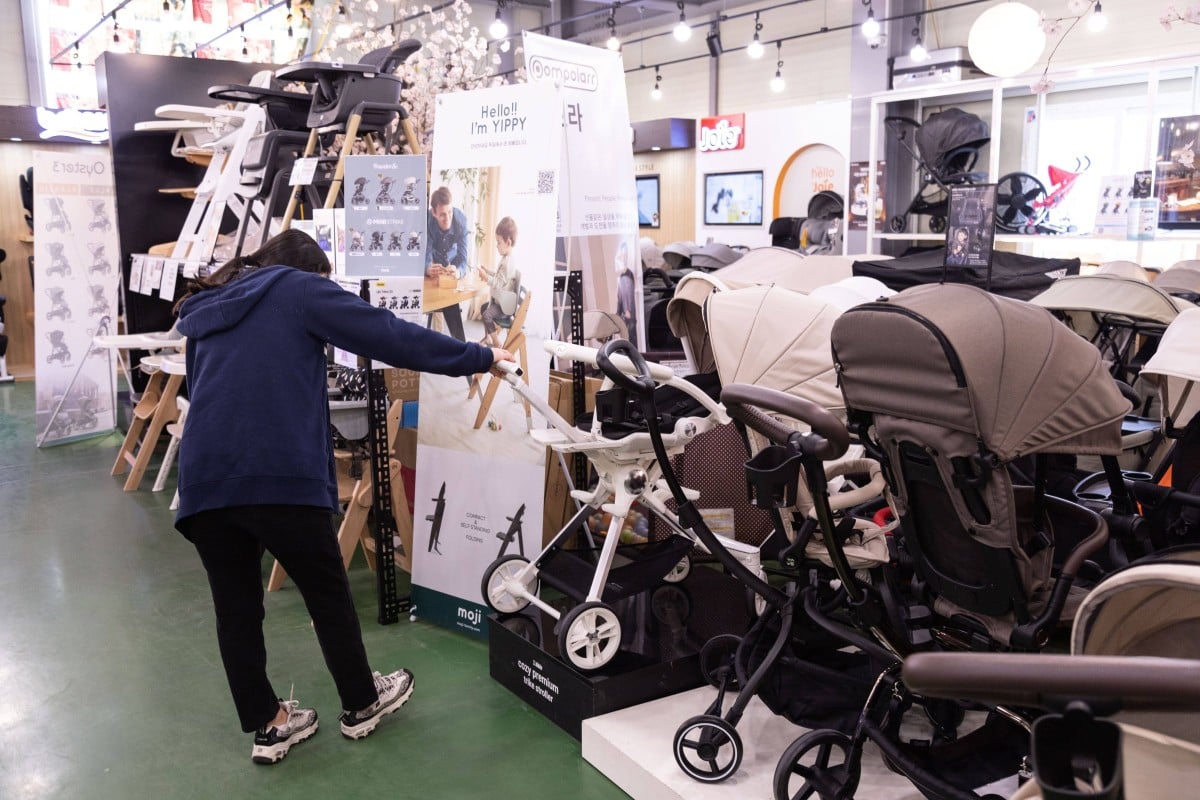
A customer looks at strollers at a baby supplies store in Siheung, South Korea. Photo: Bloomberg.
He pointed out that online transactions for baby care products in 2022 were worth 5.23 trillion won, a 0.7% increase from the previous year. During this period, the number of births decreased to 230,000 from 249,186.
Luxury children's items are also experiencing a surge in sales. Department store Shinsegae reported that total imported children's goods sales increased by 15% last year. Lotte also saw sales of high-end children's brands such as Fendi Kids and Givency Kids increase by 10% last year.
Not all baby care product companies are thriving on the stock market. However, they are receiving attention from foreign investors. This indicates the potential for future growth of baby care service companies in South Korea.
Ngoc Anh (according to SCMP)
Source




















































































Comment (0)