

Proactively secure labor for coffee harvesting.
Dak Nong is currently in the peak coffee harvesting season. This season, Dak Nong has over 131,000 hectares of coffee ready for harvest, with an estimated yield of 350,000 tons.
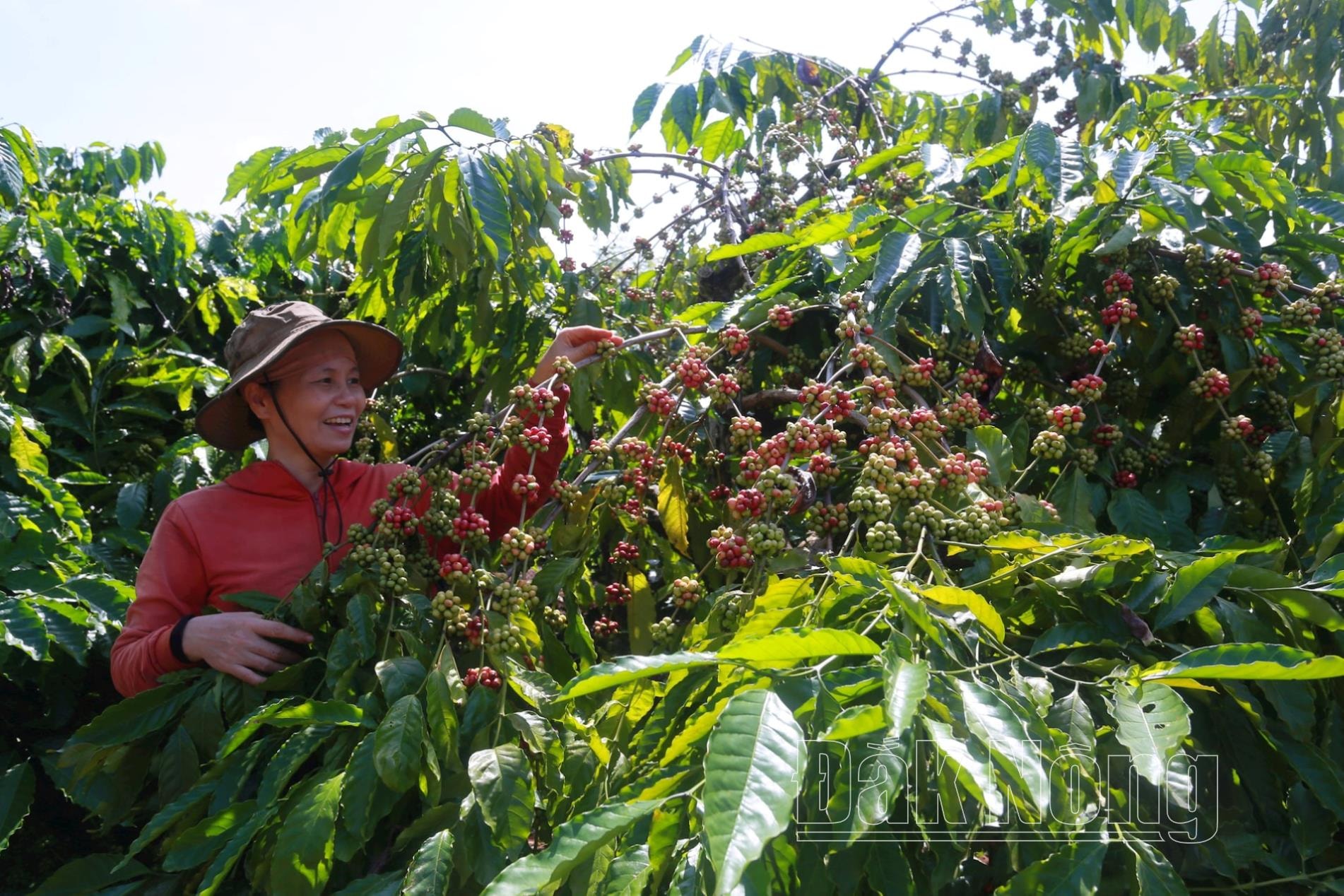
To help farmers harvest coffee in time for the season, about two months ago, the Department of Labor, War Invalids and Social Affairs of Dak Nong Province conducted a review of the labor force available for coffee harvesting.
The Department of Labor, War Invalids and Social Affairs estimates that Dak Nong province will need approximately 257,000 laborers for this coffee harvest. The province's local labor force is estimated to only meet about 50% of the demand, with the remainder having to be hired from other localities.
Mr. Hoang Viet Nam, Deputy Director of the Department of Labor, War Invalids and Social Affairs of Dak Nong, shared: Dak Nong has a large coffee growing area in the Central Highlands, so every year during the harvest season, a large labor force is needed. Every year, during the coffee harvest season, many families lack people to pick, dry, and process the coffee.
We are reviewing the labor needs of the province this season so that people can understand the situation and prepare for hiring workers. The proactive approach of each household, cooperative, and company in securing their own labor force will contribute to the timely harvesting, drying, and processing of coffee.
Mr. Hoang Viet Nam, Deputy Director of the Department of Labor, War Invalids and Social Affairs of Dak Nong Province
Ms. Nguyen Thi Toan, Director of Thinh Phat Agricultural Cooperative in Quang Son commune, Dak Glong district, said that information from the Dak Nong Department of Labor, War Invalids and Social Affairs helped the cooperative develop a thorough coffee harvesting plan.
The cooperative currently has over 200 members cultivating nearly 600 hectares of coffee. If the weather is favorable, each hectare of coffee requires an average of 10 laborers for harvesting over approximately 10 days, not including drying and processing costs. Excluding family laborers, the cooperative needs around 200 workers to harvest coffee this season.
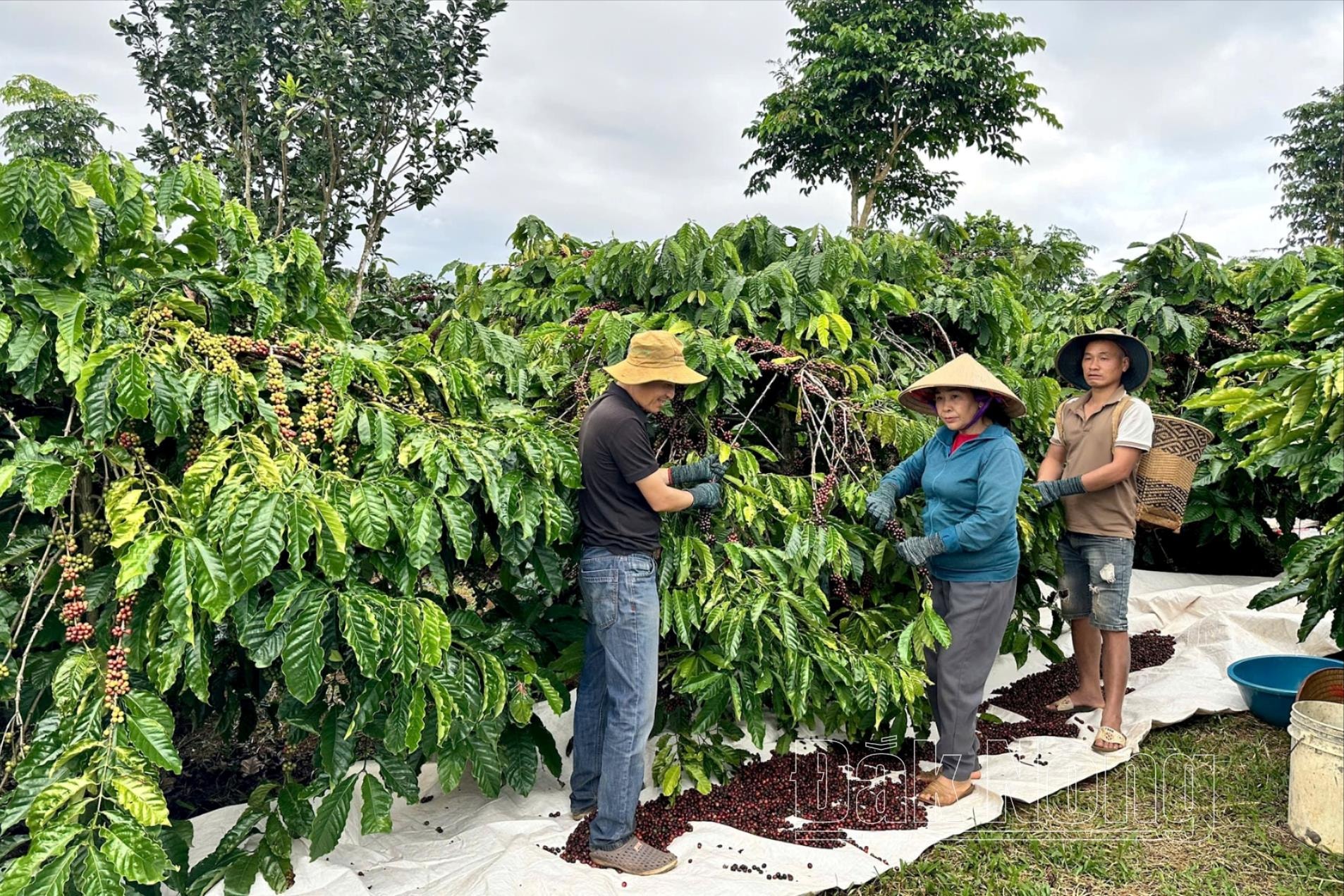
Ms. Toan shared that for the past few years, the locality has been experiencing a severe shortage of coffee pickers. This is because most young people work as factory workers. Given this situation, this year the cooperative has informed households to plan ahead and secure their own labor for harvesting.
The cooperative contacted groups of workers from the North and West of Vietnam who had previously picked coffee and are now returning. These experienced workers increase productivity and prevent damage to the branches.
"If coffee beans are left to ripen too much, their quality will decrease. We're also considering exchanging labor with each other to harvest them quickly, avoiding wasted manpower while ensuring the quality of the coffee," Ms. Toan shared.
Proper coffee harvesting techniques
As early as the beginning of October 2024, the Dak Nong Department of Agriculture and Rural Development issued a document guiding the organization of the coffee harvest for the 2024-2025 crop year.
According to Mr. Ngo Xuan Dong, Deputy Director of the Department of Agriculture and Rural Development of Dak Nong province, most farmers grow coffee, and this is their main source of income. The coffee harvesting process determines the economic efficiency and the fruits of the farmers' labor after a year of hard work.
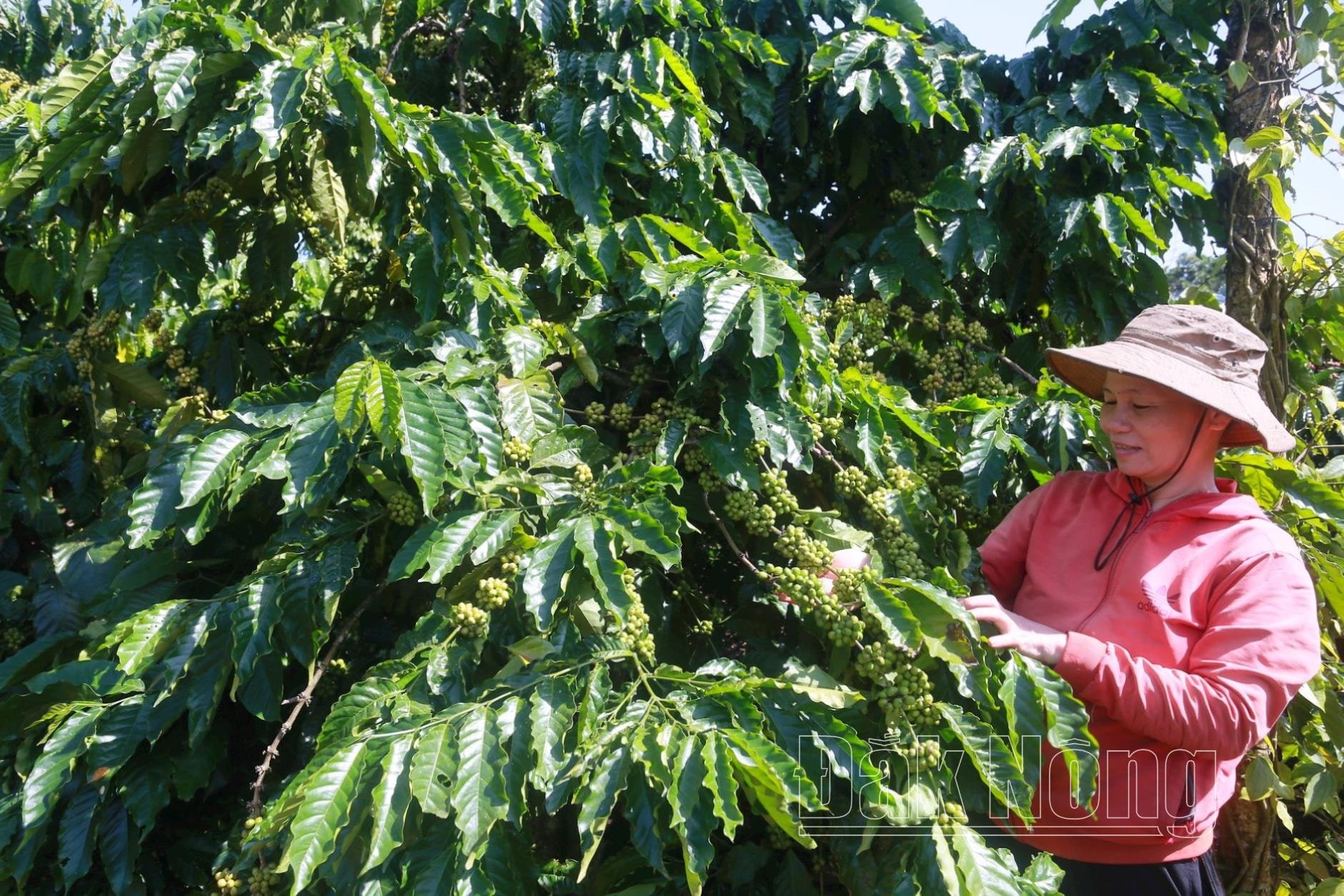
"We have provided thorough guidance on coffee harvesting techniques and hope that farmers will apply them to improve productivity, product quality, and fetch better prices," Mr. Dong shared.
According to Mr. Dong, the Department of Agriculture and Rural Development has also requested units and localities to organize synchronized solutions to guide and support farmers in harvesting coffee to ensure quality and achieve the highest efficiency.
This includes disseminating information and providing guidance to farmers, cooperatives, production groups, and companies involved in coffee production so they know the best techniques for harvesting, processing, and preserving the crop.

Ms. Truong Thi Hanh, from Nghia Trung ward, Gia Nghia city, owns more than 3 sao (approximately 3,000 square meters) of coffee plantation. Ms. Hanh said that this year, the price of coffee has increased right from the beginning of the harvest season, so she is very happy.
Through various information channels, she learned that the first harvest should be done when about 20-25% of the berries in the garden are ripe, so she picks the ripe ones first. To date, she has harvested, selected, and dried 300 kg of coffee.
"The authorities advise people to focus on harvesting coffee quickly and efficiently when the percentage of ripe fruit in the garden reaches the standard. This is to create conditions for the coffee to flower simultaneously in the next season, so my family is focusing on harvesting," Ms. Hanh said.
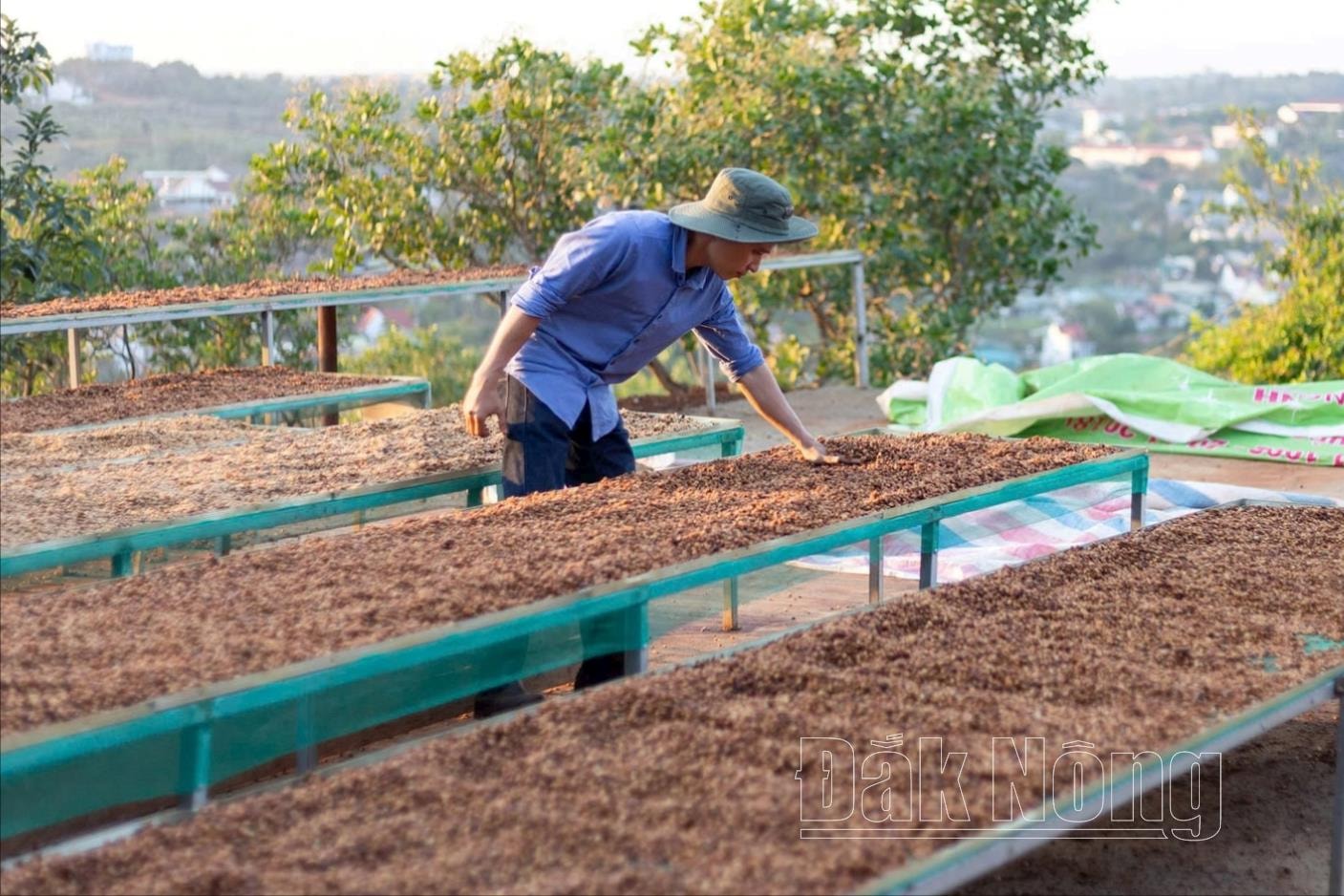
Bazan Coffee Company in Dak Nong, Gia Nghia City, is partnering with farmers to cultivate 100 hectares of clean coffee, creating a raw material area to supply high-quality coffee processing.
According to Mr. Le Van Hoang, the company's director, the company has instructed farmers to harvest coffee when the percentage of ripe fruit reaches 80-100% to ensure the quality of the raw materials.
The company buys coffee with a high percentage of ripe cherries at a higher price, so farmers benefit "doublely" as yield also increases by 10-20% compared to harvesting green or unripe cherries. This season, with high coffee prices, households are focusing on applying techniques for harvesting and drying on racks and in greenhouses to produce high-quality coffee.
Mr. Hoang said: "In previous years, the company had prepared drying yards, drying racks, greenhouses, grinders, and roasters, so this season we are well-equipped to meet harvesting needs and are ready to serve coffee processing."
The Dak Nong Department of Agriculture and Rural Development encourages farmers to harvest coffee when the fruit is ripe to ensure the best quality. Farmers should not harvest green or unripe fruit, or allow the fruit to ripen and dry out before falling off, as this reduces product quality. Farmers should also avoid harvesting entire clusters of fruit along with leaves and small branches to ensure the quality of the remaining branches for the next crop season.
Consuming coffee the right way
In 2024, the coffee market experienced price fluctuations that impacted farmers' psychology during harvesting and product consumption. Authorities provided guidance and information on domestic and international coffee production to help farmers consume their coffee appropriately and increase economic efficiency.
Many farmers in Dak Nong have adopted the "four no's" principle to protect the value of their coffee and the fruits of their labor. These principles are: no harvesting unripe coffee, no harvesting immature coffee, no selling fresh coffee, and no consignment of coffee.
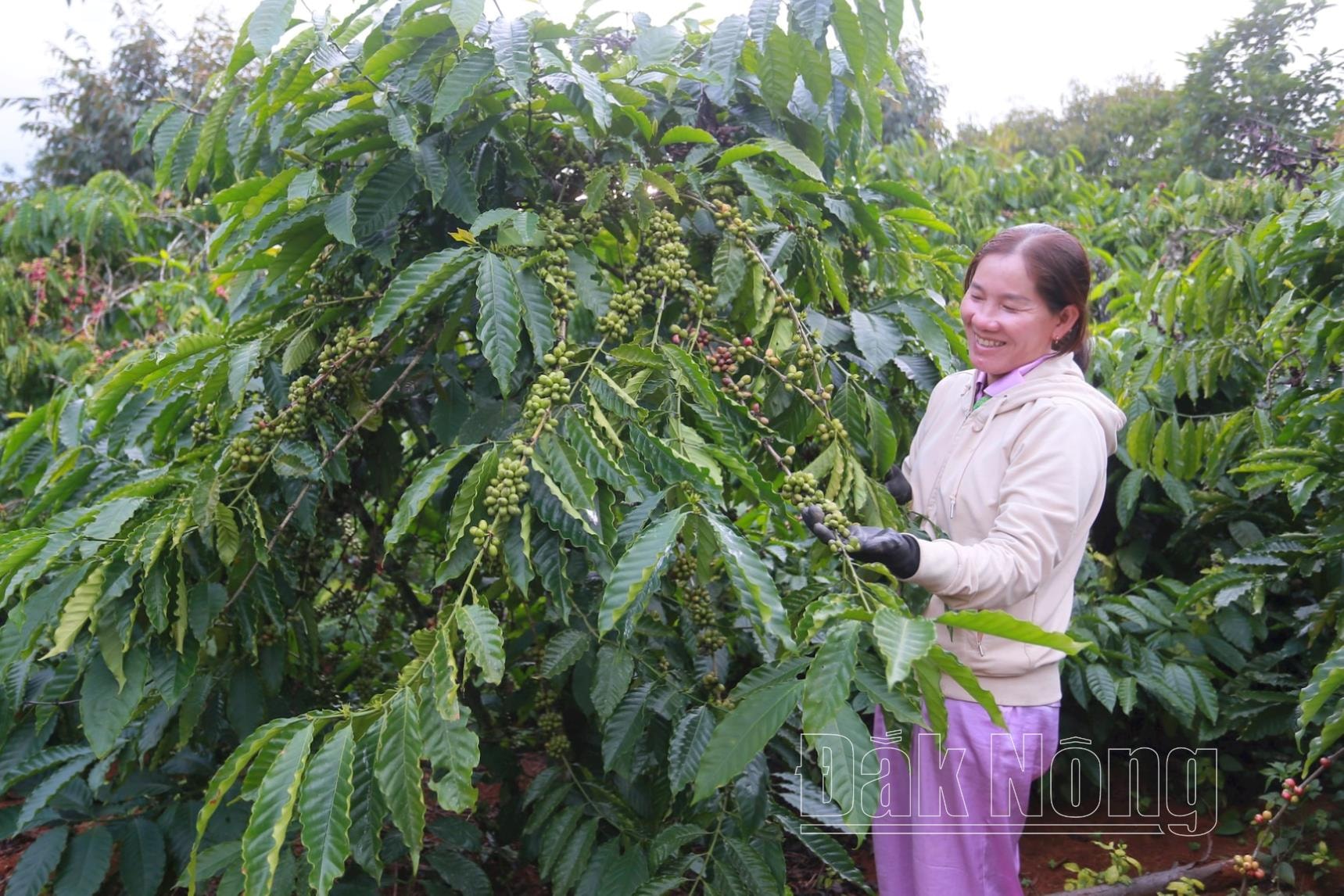
According to Ms. Nguyen Thi Hoai from Nghia Trung ward, Gia Nghia city, she regularly monitors market information and knows that this year the coffee yield in the Central Highlands provinces has decreased, so they are not harvesting unripe coffee beans to improve quality.
Currently, many dealers, companies, and businesses in the market are purchasing fresh coffee beans at higher prices than in previous years. In fact, in the early days of the season, many places were buying coffee beans at 26,000 - 27,000 VND/kg.
However, with 20 years of experience in coffee farming, she's not in a hurry to sell fresh coffee. She harvests ripe coffee beans, dries them, and only sells them when she needs the money or when the price is good.
Ms. Hanh shared: "In recent years, many farmers who consigned their agricultural products to dealers have lost everything because some dealers declared bankruptcy. Based on this experience, I no longer consign coffee."
Recently, the Dak Nong Farmers' Association has intensified its efforts to disseminate information and guide people on techniques for processing, drying, and preserving coffee after harvest, following instructions from specialized agencies.
Coffee must be stored in a dry place to prevent mold and spoilage. Farmers should not store coffee together with agricultural supplies such as fertilizers and pesticides to maintain the best quality.
With 131,000 hectares under harvest, Dak Nong expects the total coffee production for the 2024-2025 crop year to reach 350,000 tons. The average coffee yield across the province is estimated at 2.6 tons/ha.
Dak Nong's coffee yield in 2024 decreased slightly compared to the same period of the previous year. This was due to the impact of a prolonged heatwave and water shortage during the early months of 2024.
This period coincides with the flowering and fruiting stage of coffee plants, causing some coffee plantations to experience wilting leaves, drying of flowers and young fruits, resulting in reduced yield and production.
Strengthening coffee protection for farmers.
Since the beginning of the planting season, authorities have intensified security measures to protect farmers' crops. The Dak Nong Provincial Police and local authorities have implemented numerous solutions to this end.
Dak Song is one of the districts in Dak Nong province with a large coffee growing area. The Dak Song District Police have advised the District Party Committee and the District People's Committee to direct departments, agencies, and mass organizations to work together with the people to maintain security and order and protect crops.
The police in all communes and towns of Dak Song district advised the local Party committee and government to organize conferences to disseminate and implement the plan for protecting the agricultural harvest season.
At the same time, the police force proactively reviewed and promptly detected any signs of protection rackets or price manipulation targeting farmers and traders in the coffee purchasing process.
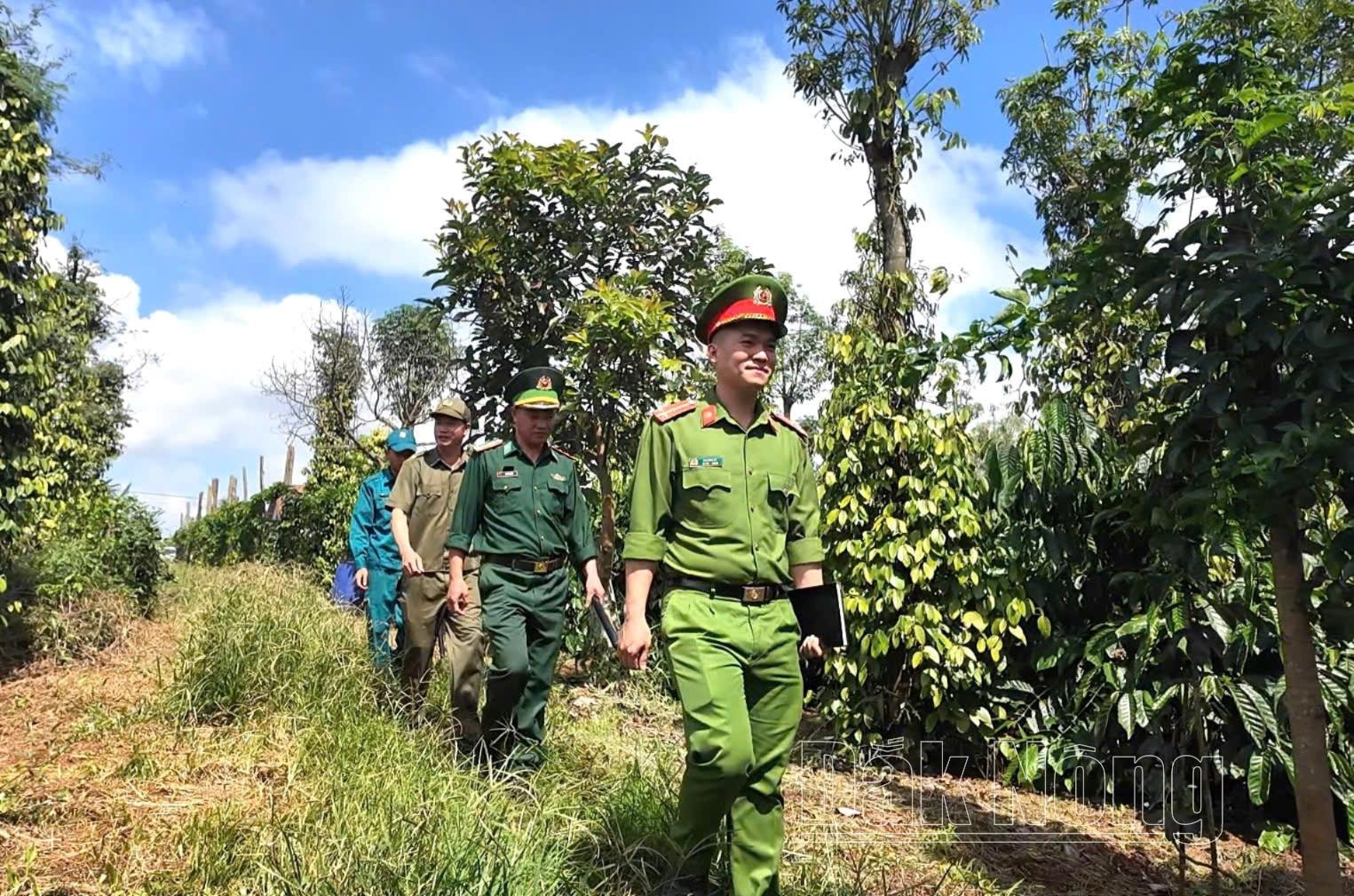
Lieutenant Colonel Le Thua Nam, Head of Thuan Hanh Commune Police Station, Dak Song District, said: The commune police are stepping up propaganda efforts and effectively managing the area; managing individuals and laborers from other localities who come to work seasonally. The commune police are coordinating with functional forces and 11 local security and order protection teams to strengthen patrols and control throughout the area to protect people's property.
In addition, the Thuan Hanh commune police have instructed owners of agricultural product purchasing establishments to sign a commitment not to purchase unripe coffee, coffee that does not meet quality standards, or coffee of unknown origin.
The commune police are encouraging owners of agricultural product purchasing establishments to actively detect and report individuals exhibiting suspicious behavior related to theft and the sale of stolen coffee.
Mr. Dang Cao Khang, Head of the Security and Order Protection Team of Thuan Binh village, Thuan Hanh commune, shared: “We regularly coordinate with the Thuan Hanh commune police and other functional forces to go to the fields, farms, and houses to raise people's awareness of crime prevention. At the same time, we strengthen patrol and control work to cover the entire area.”
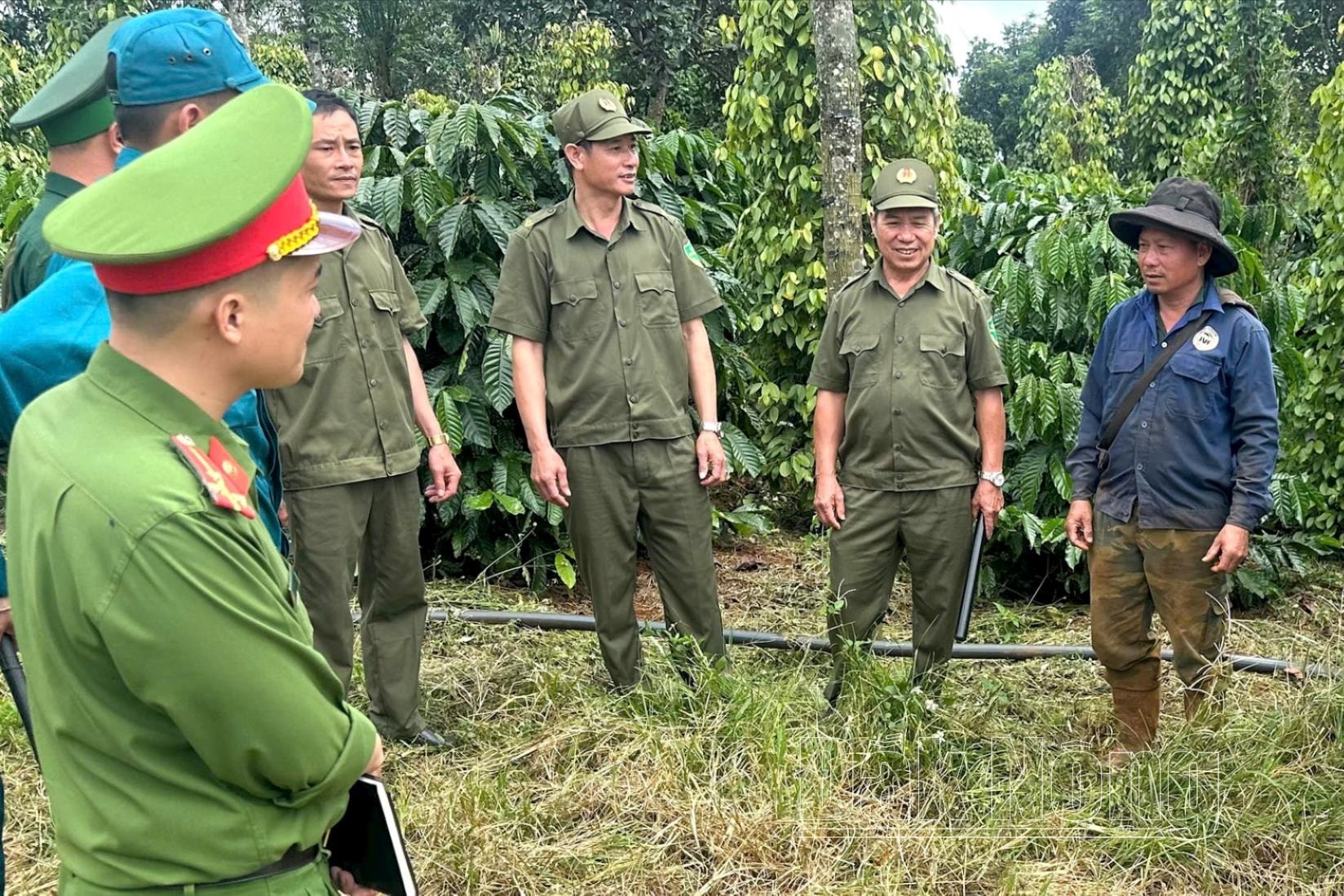
Mr. Tran Quoc Cuong from Thuan Hanh commune shared: “Thanks to the awareness campaigns, we clearly understand the methods and tactics of various types of criminals, so we can work together to prevent and maintain security and order. In particular, the police, border guards, and local security teams regularly patrol and monitor the fields, so we feel secure and wait for the coffee to ripen before harvesting to improve product quality.”
The end of the year is the time when freelance workers flock to the Central Highlands provinces, including Dak Nong, to harvest coffee. This workforce has made a significant contribution to helping the people of Dak Nong harvest their coffee in a timely manner.
However, this is also the time when criminals and fugitives from other localities blend into the crowds, posing as hired coffee harvesters to commit crimes.
Therefore, in addition to the decisive involvement of all levels and sectors and the core role of the police force, every citizen needs to raise their vigilance.
Everyone needs to proactively protect their property and actively participate in the nationwide movement to protect national security, detect and report crimes, and contribute to maintaining security and order at the local level.
Source: https://baodaknong.vn/de-mua-ca-phe-thom-ngat-doi-cho-235480.html


![[Photo] Golden season of organic farming under the canopy of the vast Mang Den forest.](/_next/image?url=https%3A%2F%2Fvphoto.vietnam.vn%2Fthumb%2F1200x675%2Fvietnam%2Fresource%2FIMAGE%2F2026%2F01%2F24%2F1769247398190_ndo_br_cam-15-jpg.webp&w=3840&q=75)


Comment (0)