

Delayed puberty in children can have many causes, ranging from genetics to medical conditions, and may require intervention to ensure optimal brain and physical development.
Puberty is the process by which a child's body changes into adulthood. Most girls go through puberty between the ages of 8 and 14, and boys between 9 and 15. If a child does not experience any physical changes at this age, they may be experiencing delayed puberty.
Symptom
Girls may show signs of puberty as early as age 8. Major bodily changes include breast development, increased height, the appearance of underarm and pubic hair, the onset of menstruation, wider hips, and the development of curves. Most girls experience these changes before age 14; if they don't, it's considered delayed puberty.
Changes during puberty in boys include an enlarged penis, growth of facial, armpit, and pubic hair, rapid height increase, broader shoulders and muscle development, and voice changes. Puberty is considered delayed if these signs are absent by age 15.
Reason
Family history : If either parent experiences delayed puberty, this condition may also occur in the child.
Endocrine : The pituitary gland does not secrete hormones to stimulate the ovaries or testes. Estrogen or testosterone are not produced, and puberty is delayed.
Chronic diseases such as cystic fibrosis, diabetes, kidney disease, asthma, celiac disease, and others can cause delayed puberty. Appropriate treatment can control the disease and help puberty occur.
Malnutrition : Inadequate food intake and a diet poor in nutrients can hinder growth. Excessive physical activity, eating disorders, or an unbalanced diet can also cause delayed puberty.
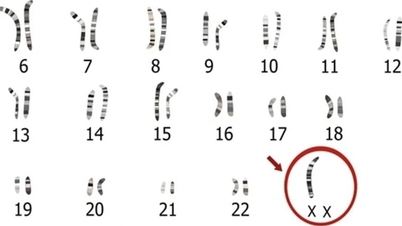
Genetic disorders : Chromosomal abnormalities such as Turner syndrome and Klinefelter syndrome can prevent or delay puberty.
Other causes include chemotherapy or radiation therapy, diseases or surgery on the ovaries or testicles, and metabolic disorders such as galactose intolerance. Certain medications can also delay this process.

Girls typically go through puberty between the ages of 8 and 14, while boys usually reach it between 9 and 15. (Illustration: Freepik)
Treatment
Doctors conduct a comprehensive physical examination and perform several tests, including bone X-rays, for children with delayed puberty. If an underlying medical cause is found, treating that cause usually yields positive results.
During this stage, children need a proper diet, exercise, and rest , and can grow 8-12 cm taller each year. After that, their growth rate gradually slows down.
A healthy diet helps children develop well and reduces the risk of chronic diseases in adulthood. Parents need to provide their children with a diverse and complete range of nutrients from food after determining the child's micronutrient deficiencies or excesses, and with appropriate recommendations from a doctor.
Most children who experience delayed puberty reach normal height and physical development as adults, but some may also experience mental health issues.
Le Nguyen (According to WebMD )
Source link

![[Photo] General Secretary and President To Lam presides over a meeting on preparations for the review of one year of operation of the three-tiered government system.](https://vphoto.vietnam.vn/thumb/1200x675/vietnam/resource/IMAGE/2026/06/02/1780391821195_a1-bnd-4595-9717-jpg.webp)





































































































Comment (0)