

Ambassador Hynek Kmoníček shared his secret to promoting his country, emphasizing that a diplomat needs not only talent but also the ability to become a "star" in the eyes of the international community through their own unique values.
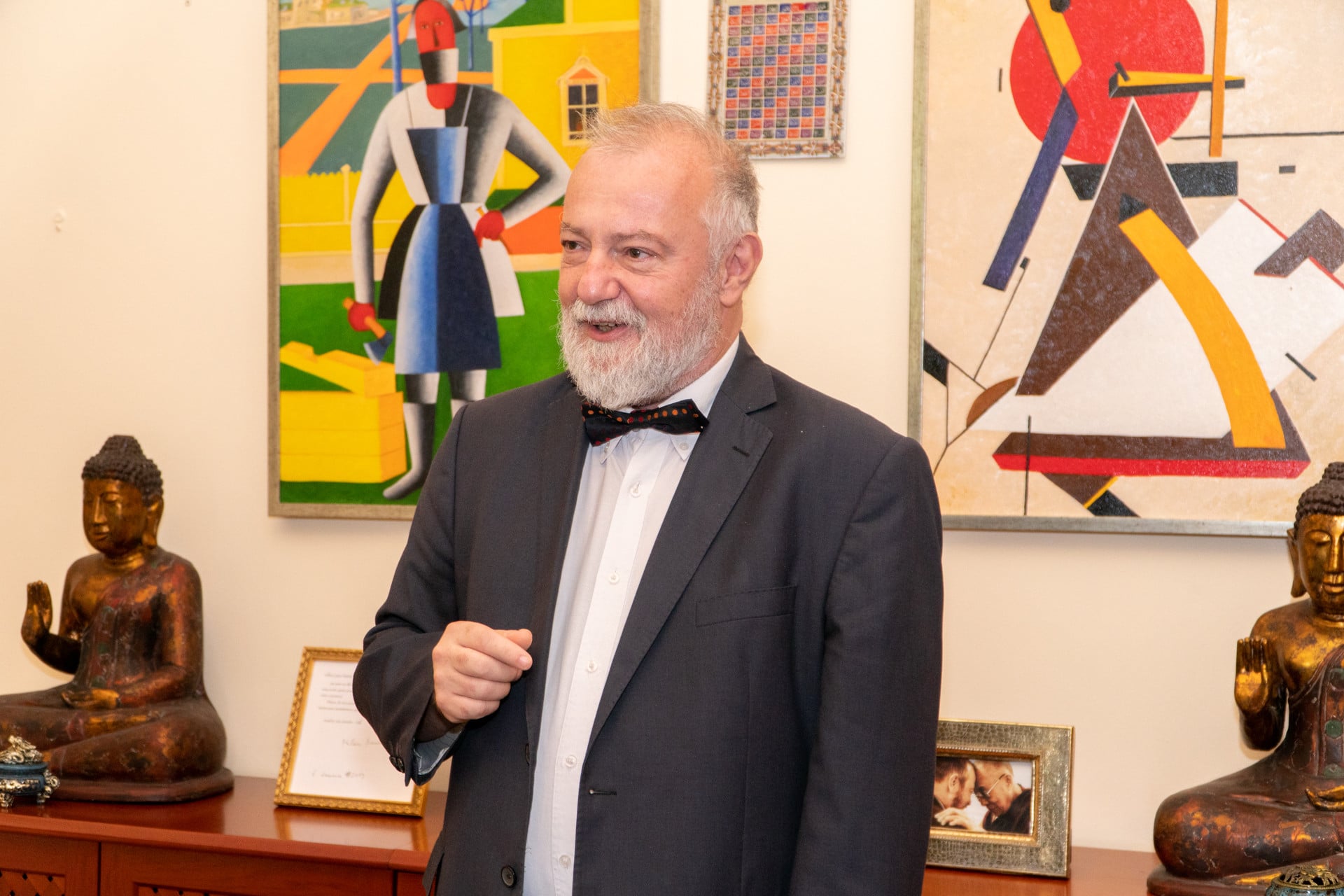
Ambassador of the Czech Republic to Vietnam, Hynek Kmoníček. Photo: Dan Nguyen
I understand you've had an interesting journey from musician to diplomat. What makes diplomacy so appealing to you? Ambassador Hynek Kmoníček: Diplomacy is a field with many traditions, and some things only really make sense when you experience them firsthand. For example, why do diplomats have to adhere to a strict dress code? At first glance, this might seem unimportant. But in reality, a diplomat's attire shows respect for their partners and is also a way to project a professional image. When you dress neatly, what you say will be listened to more seriously. And as a diplomat, you represent not only yourself but also an entire nation. For instance, you're entering an important meeting. If you're dressed neatly and politely, your partners will focus on what you're saying. But if you show up with a pink feather on your head, all the attention will be on your odd appearance instead of the content of the conversation. That's why diplomats always adhere to certain rules of conduct, even if they sometimes seem rigid. Rules of dress, communication, and diplomatic protocol are tools that help us build a professional and trustworthy image. This is similar to some traditions in Asia, where rituals that seem incomprehensible and unnecessary to outsiders play a crucial role in maintaining community cohesion. That's why many Europeans don't understand Asian culture. Diplomacy is the same. These seemingly simple rules of conduct are the foundation for building long-lasting relationships. So how can you bridge the cultural gap, especially between Europe and Asia? Ambassador Hynek Kmoníček: First and foremost, one must have an open mind. We cannot force someone to change to fit our own. Diplomacy is not a battle, but a dance, in which each side must find a way to harmonize with the other. To build good relationships, we need to understand each other. It is important to listen, understand the other person's perspective, and seek common ground. When we understand why others think and act the way they do, we will find the right solution. One of the biggest challenges of a diplomat is finding a balance between integration and preserving identity. How can I understand Vietnam without actually becoming Vietnamese? My job is to understand Vietnam and its needs, but not to accept them as my own. We need to have a deep understanding of the culture of the country we work for, but at the same time, we must remember that we are representing our own country. Becoming a complete native is unnecessary and can even lead to unnecessary misunderstandings. The art of diplomacy lies in knowing how to connect with other cultures without losing oneself. It is a continuous learning process that requires patience, tact, and an open heart. 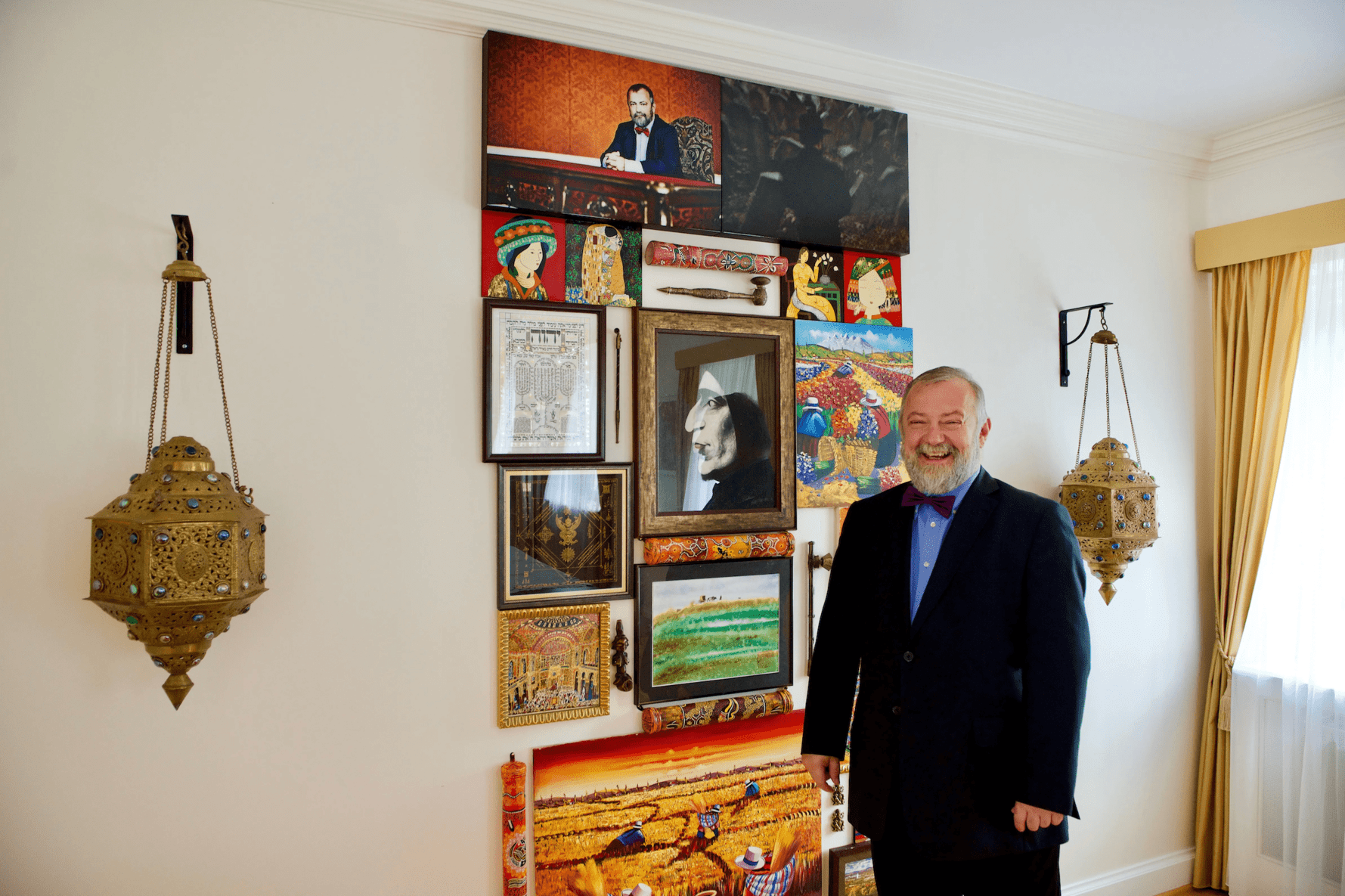
At his home while serving as Ambassador to the United States, Kmoníček erected a wall displaying paintings collected from around the world , including Vietnam, Israel, Thailand, Peru, India, etc. Photo: Michele Bendal.
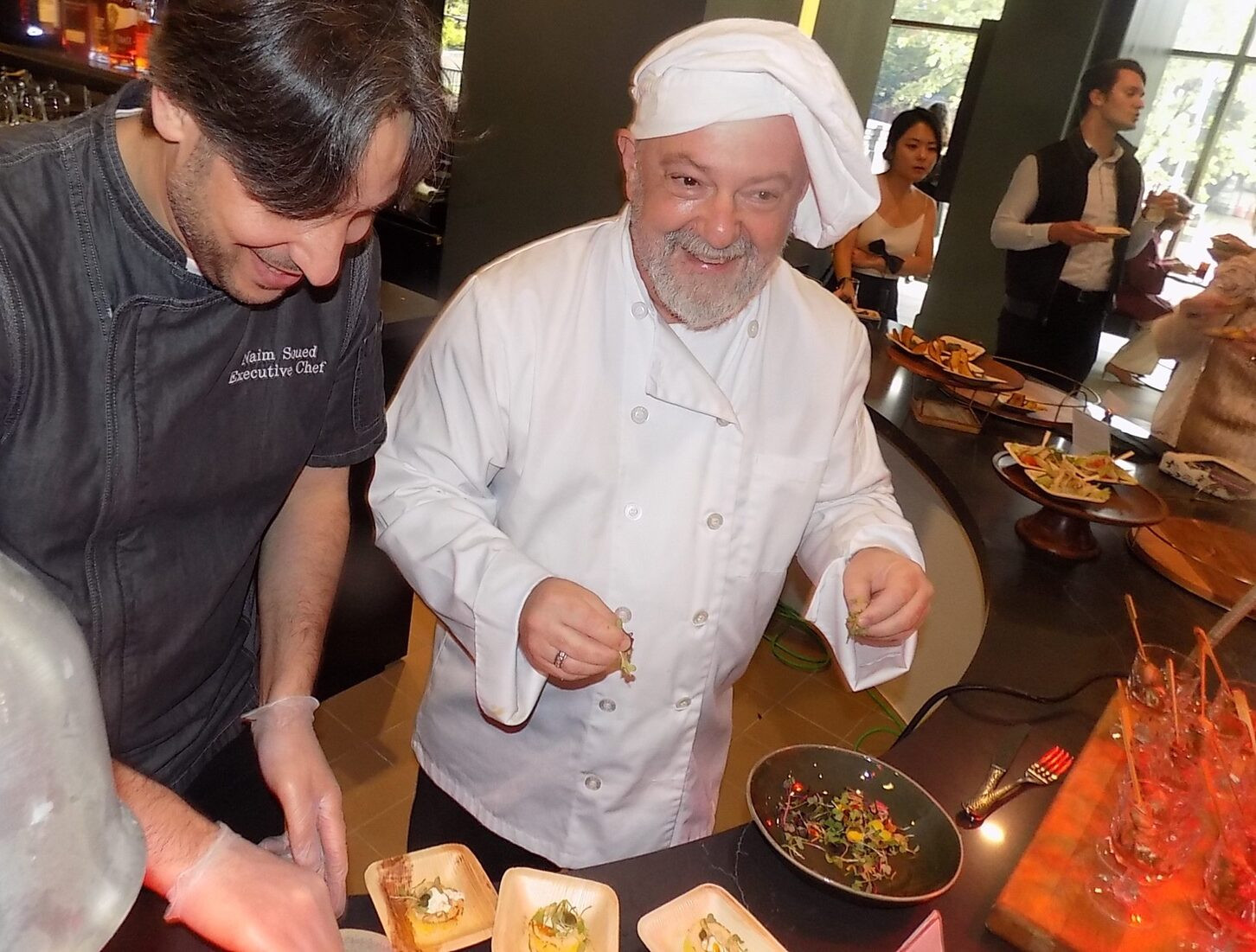
What advice would you give to young people who want to enter the diplomatic field? Ambassador Hynek Kmoníček: Diplomacy is a profession that demands great passion and sacrifice. Before deciding to pursue this path, young people need to understand the challenges it presents. The life of a diplomat is not just about glamorous business trips and high-level meetings, but also about months away from home, adapting to new living environments, and constant changes. Frequent relocation can cause many difficulties for oneself and one's family. Your children will have to adapt to a new learning environment, and your spouse will also face challenges integrating into a different culture. That is why I often compare diplomacy to military life. You need to be mentally and emotionally prepared to face these changes. In addition, diplomats also need to prepare themselves mentally to face feelings of loneliness and homesickness. After years of working abroad, you may feel like a stranger in your own country. However, these diverse and enriching experiences will help you mature and gain a deeper understanding of the world. Therefore, before deciding to pursue a career in diplomacy, you need to ask yourself if you are truly ready for such a life. If you prefer stability, diplomacy may not be the right choice. However, if you are passionate about exploration , enjoy communicating, and want to contribute to your country, then this will be an exciting and meaningful career.At an international food festival held in Washington DC in June 2021, Czech Ambassador Hynek Kmoníček prepared a traditional Czech dish for the audience. Photo: The Georgetowner.
I happened to learn something interesting about the Ambassador while reading his biography — he is known to be passionate about cooking, has a knack for collecting art, and regularly enjoys other cultural activities such as music and film. According to the Ambassador, what role can cultural diplomacy play as a bridge in this field? Ambassador Hynek Kmoníček: Cultural diplomacy is not just a diplomatic tool, but also a bridge between cultures. Sharing personal interests, such as food or art, helps me connect with people on a deeper level. If you are the Ambassador of a major power, you have justification for your monotonous and bureaucratic nature. But for a small country like the Czech Republic, you need something interesting about yourself to build a reputation in diplomatic circles. I'll give you an example of my experience as ambassador in Washington. My ability to cook a variety of dishes, from Czech cuisine to snake meat, has helped me gain attention in diplomatic circles in the US! This is an unexpected way I've been able to build good relationships with colleagues and partners. If they find you interesting, they'll find your country interesting too. Finally, can you share some of the takeaways from your diplomatic career? Ambassador Hynek Kmoníček: I hope I've brought a breath of fresh air to diplomacy. I always think of doing things a little differently. Many diplomatic officials tend to live in a safe, predictable world. So they make things more boring to avoid any risks. My approach is the opposite! I try to make boring rules and procedures more interesting. If this is how I am to be remembered, as someone who brought diplomacy to life, then those are the things I am most proud of and find most memorable.Pham Vu Thieu Quang
Vietnamnet.vn
Source: https://vietnamnet.vn/dai-su-sec-hynek-kmonicek-nha-ngoai-giao-thuong-co-don-2330819.html























































Comment (0)