


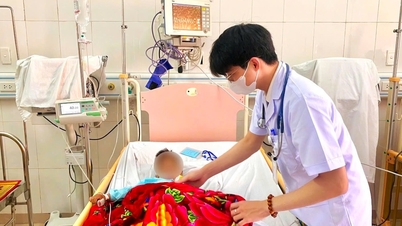
On November 15th, Dr. Nguyen Minh Tien, Deputy Director of the City Children's Hospital, stated that after nearly two months of treatment, baby D. was saved thanks to the "dual" V-VA ECMO extracorporeal membrane oxygenation technique.
According to the medical history, before being admitted to the hospital, two brothers, T. (5 years old) and D. (3 years old), along with their cousin M. (8 years old), were playing in the backyard when a sudden gust of wind blew a beehive from a tree down. Wasps flew out and stung the children on their heads, faces, bodies, arms, and legs. Their family discovered them and took the two children to the local hospital. M. was stung less and managed to escape in time, so her condition is stable.
At the local hospital, the two brothers, T. and D., showed signs of lethargy, hematuria (blood in urine), difficulty breathing, and cold extremities. They received emergency treatment and were then transferred to the City Children's Hospital. T. had 28 bee stings, severe liver damage, and respiratory failure, requiring intubation, mechanical ventilation, intravenous fluids, and liver support treatment. The child gradually improved, was weaned off the ventilator, became alert, and urinated adequately.
Baby D. was in the most critical condition: lethargic, experiencing cardiovascular collapse, difficulty breathing, cyanosis, jaundice, decreased urination, hematuria (hemoglobinuria), and approximately 55 bee stings were recorded on the head, neck, back, arms, and legs. The baby was intubated for respiratory support, treated for shock, and underwent emergency tests.
The results showed that baby D. suffered from severe lung damage, liver failure, severe kidney failure, blood clotting disorders, metabolic acidosis, and hyperkalemia.
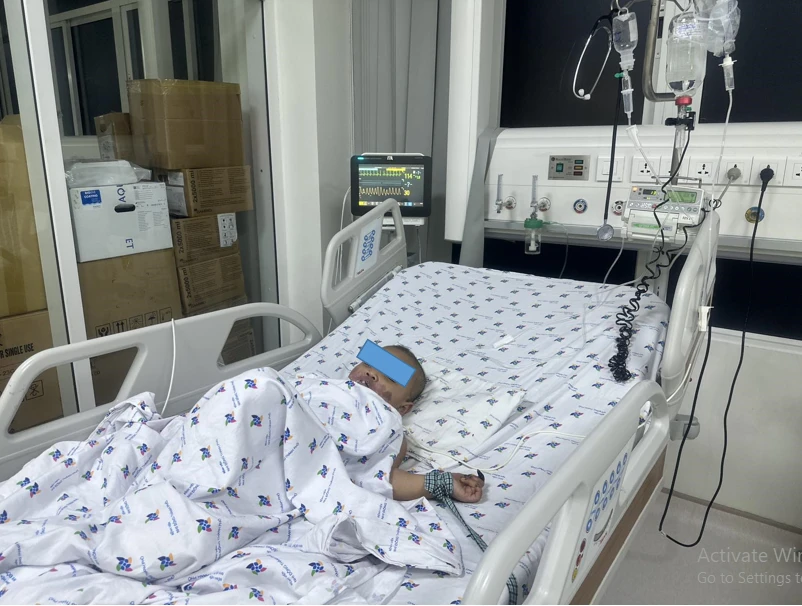
The child was weaned off the ventilator after 2 months of treatment.
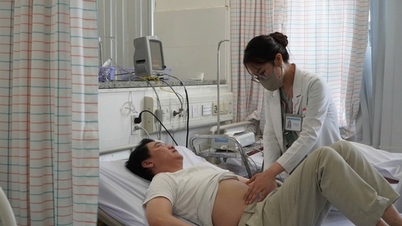
Baby D. was quickly transferred to the Intensive Care Unit and received continuous hemodialysis. After two rounds of hemodialysis, Baby D.'s condition improved significantly, with less jaundice, but then complicated, developing severe respiratory failure, manifesting as severe acute respiratory distress syndrome (ARDS), circulatory failure - shock, and increased inflammation. Therefore, the doctors decided to insert an additional intravenous line to enhance blood oxygenation through the oxygen exchange membrane to provide sufficient oxygen to the tissues (using V-VA ECMO). In addition, the baby was monitored and treated for liver and kidney damage and inflammation, combined with hemoadsorption and continuous hemodialysis.
After nearly two months, baby D. gradually recovered, showing improved consciousness, alertness, respiratory and circulatory function, and liver and kidney function. The child was weaned off ECMO and the ventilator, breathing ambient air, and urinating fairly well…
Quick overview of the news at 12 PM on November 15th: Current events in general.
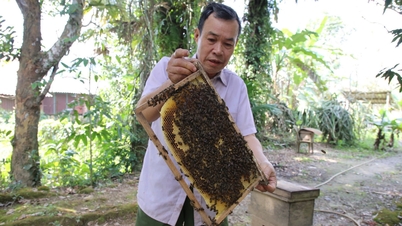
Dr. Tien explained that the wasp family (smooth-haired) includes wasps, ground hornets, and yellow wasps. This group has a smooth, barbed stinger that can sting multiple times. Wasps are insectivorous and feed on spider larvae. Only worker wasps sting people and animals in self-defense when their nest is disturbed or threatened. Wasps are attracted to people wearing brightly colored clothes, spraying perfume, or running away after disturbing a nest.
If stung by a wasp, remove the stinger if present by gently scraping it out with tweezers, avoiding squeezing with your hands as this may spread the venom; wash the stung area with soap and warm water; apply a cold compress to the sting to reduce pain and swelling; take the victim to a medical facility if hives appear, the victim complains of fatigue, has cold hands and feet, reddish urine, infrequent urination, or has been stung more than 10 times.
"To prevent bee stings, avoid wearing brightly colored clothing when going on excursions in the countryside or forest, avoid climbing trees to pick fruit as accidents can occur due to falls and bee attacks from accidentally or intentionally disturbing beehives, and control and clear beehives around the house and in the garden," Dr. Tien advised.
Source link




























































































Comment (0)