


Donald Trump's return not only marks a turning point in American politics but also promises to have a profound impact on international relations, particularly in the Southern Hemisphere.
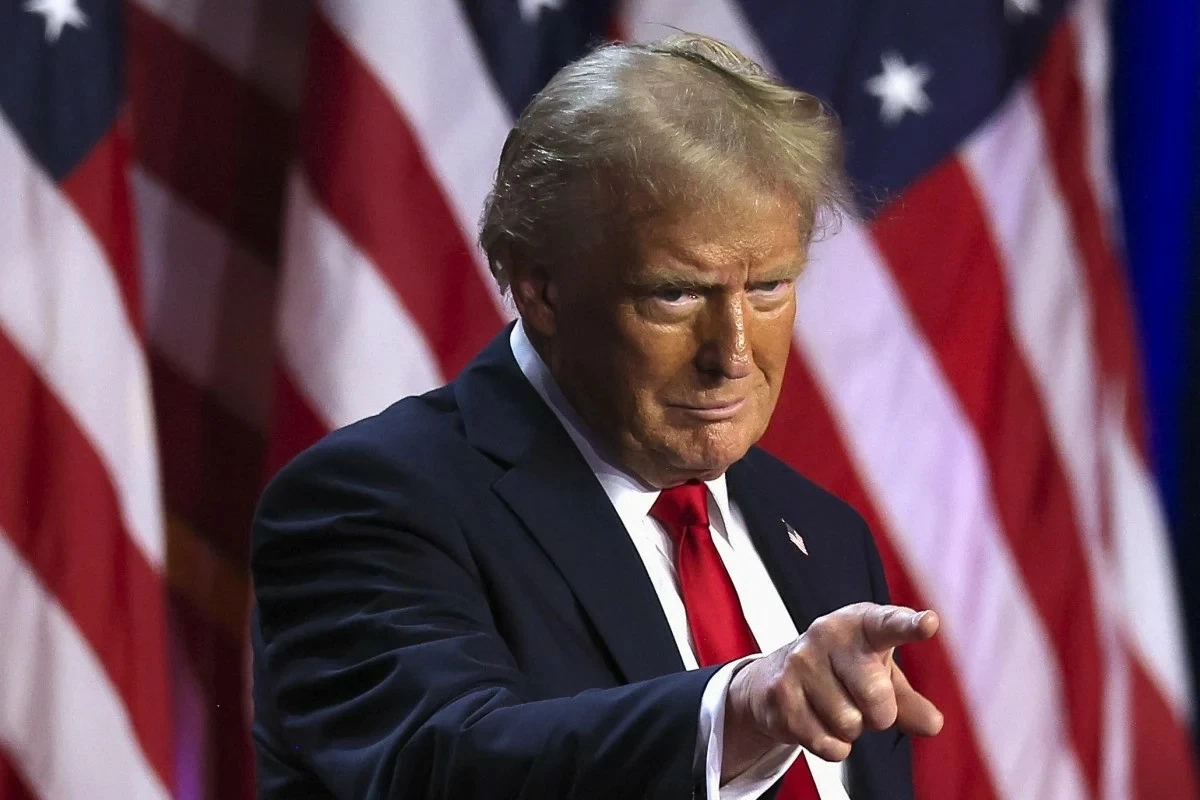 |
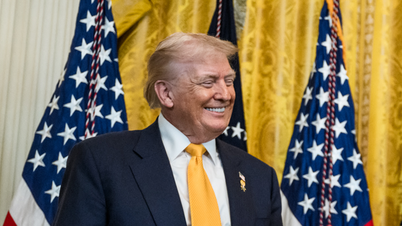
| With the motto "America First," a "Trump 2.0" term could bring profound and far-reaching impacts to the Southern Hemisphere. (Source: South China Morning Post) |
The US presidential election, which captivated international attention, concluded with Donald Trump's successful "return" to the White House against his opponent Kamala Harris. This historic comeback promises to have many impacts on the world , particularly on the situations in Ukraine, the Gaza Strip, and the Indo-Pacific region. Notably, a key topic of discussion in recent academic circles has been the impact of President-elect Trump's term on the Southern Hemisphere.
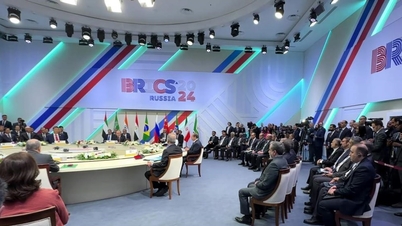
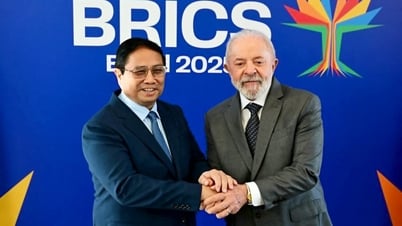
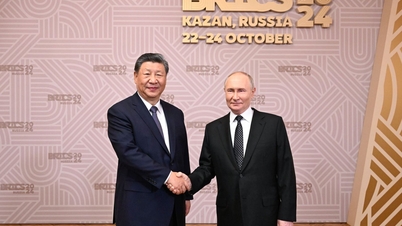
Emerging powers in the Southern Hemisphere, such as Brazil, Mexico, India, Indonesia, and South Africa, are playing an increasingly significant role in world politics. Recent BRICS summits (in Kazan 2024) and the G20 summit (in New Delhi 2023) are concrete evidence of the influence of these rising stars in the Southern Hemisphere in restructuring the multilateral system, making superpowers no longer the sole driving force in international relations.
During the "Trump 1.0" term, the group of Southern Hemisphere countries faced pressure to maintain distance in their relations with China. New Delhi, in particular, became part of the US Indo- Pacific strategy through the Quadrilateral Security Dialogue (Quad). Historically, New Delhi and Beijing have had many unresolved disagreements, and border tensions between the two countries frequently disrupted the geopolitical and security situation in South Asia.
A second term for Trump could lead to diplomatic tensions, particularly with Mexico, given his confrontational approach to immigration. If Mexico does not align its interests closely with those of the U.S., it could face serious geopolitical instability. If the new Washington administration reduces its security commitments to Mexico, the Latin American nation will need to strengthen its defense autonomy.
A "Trump 2.0" term could trigger economic upheaval in the Southern Hemisphere due to President-elect Trump's protectionist stance. During his campaign, Trump mentioned increasing tariffs on US imports, which could impact developing countries and have significant consequences for the workforce and cause market instability, particularly in Asia and Latin America. Furthermore, Trump has declared his opposition to electric vehicles (EVs) and stated he would repeal mandatory EV regulations on his first day in office.
Trump has promised to impose tariffs of around 60% on imports from China, revoke Most Favored Nation (MFN) status for Beijing, and potentially restart the US-China trade war. If Beijing is removed from the MFN list, tensions between the two superpowers could cause businesses to relocate their manufacturing facilities to other countries in the Southern Hemisphere.
If the US President-elect imposes interest rates on international imports, the consequence will be inflation. To address this, Washington will need to adjust fiscal policy to raise interest rates. This could disrupt global trade flows, as the US dollar is currently considered a barometer of global economic growth.
As the saying goes, "When the US sneezes, the world catches the cold," Trump's return to the White House could trigger undercurrents of volatility in global markets, as the US President-elect is predicted to reverse the policies of his predecessor Joe Biden and reinstate the policies of his first term.
By leveraging the slogan "Make America Great Again" and the principle of "America First," Washington may reduce funding for international organizations, as well as pose economic and political challenges to allies such as the European Union.
Source: https://baoquocte.vn/ong-donald-trump-tai-xuat-cuc-dien-nam-ban-ca-u-co-da-o-chie-u-294681.html
![[Photo] General Secretary To Lam attends the opening session of the Peace Council on Gaza.](https://vphoto.vietnam.vn/thumb/1200x675/vietnam/resource/IMAGE/2026/02/19/1771516865192_tbttolam5-jpg.webp)























































Comment (0)