

Positive signs
The film industry is thriving, with more and more films grossing over 100 billion VND. In the first few months of 2025, the film market was quite competitive, with many films quickly becoming hits and reaching the 100 billion VND mark. The race between "The Four Vengeful Spirits" (Tran Thanh), "The Billion-Dollar Kiss" (Thu Trang), "The Ghost Lamp" (Hoang Nam), and "The Ancestral House" (Huynh Lap) was quite intense.
In particular, the film "Tunnels: The Sun in the Darkness," which premiered in Hanoi on the evening of April 2nd, received much praise from critics and is considered one of the best Vietnamese war films ever made.
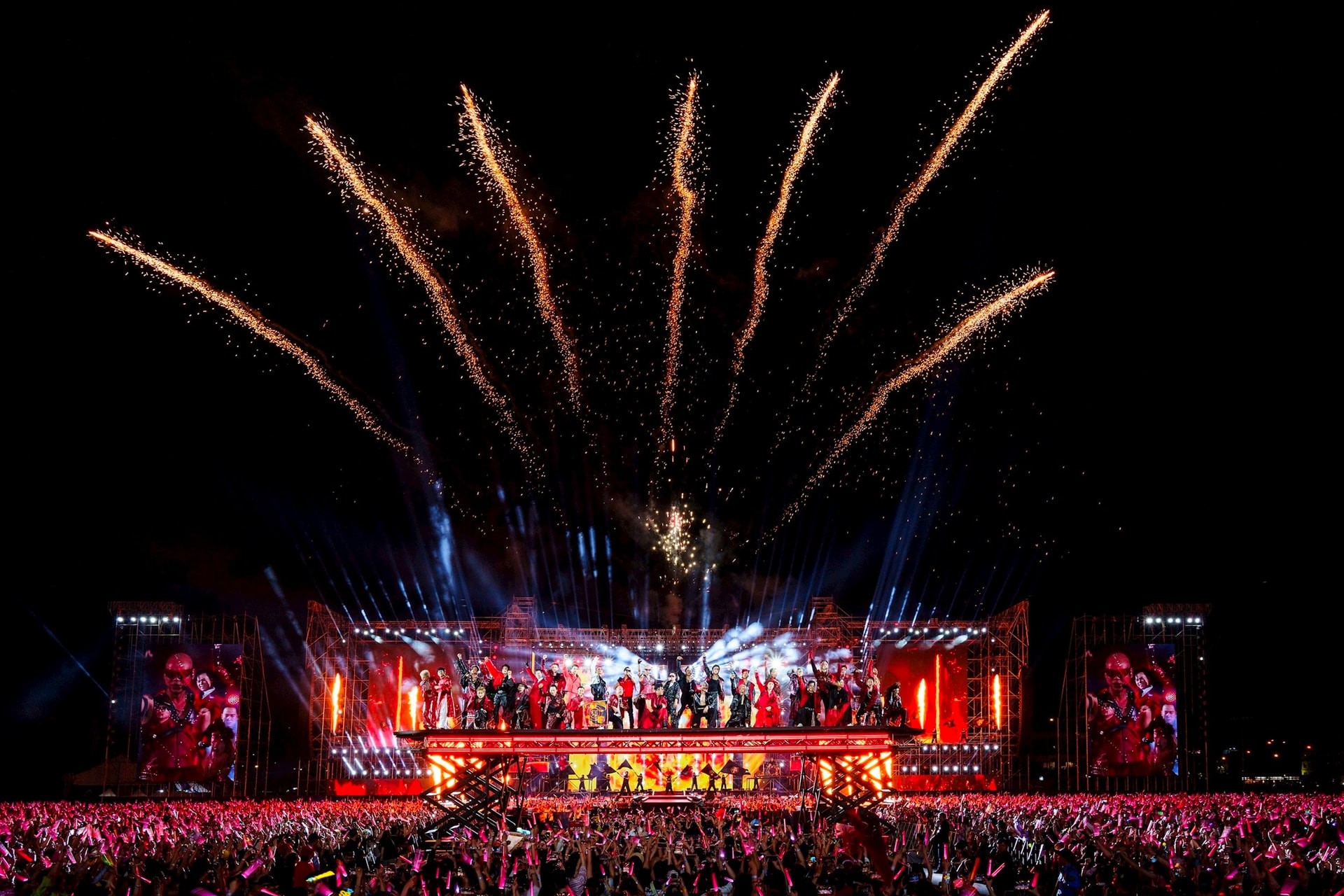
Similarly, the wave of music programs has become vibrant and achieved considerable success. Many young artists have found success on digital platforms and collaborated internationally. Sơn Tùng M-TP, Hoàng Thùy Linh, Da LAB, Suboi… have all contributed to taking Vietnamese music further.
Most notably, the program "Brother Overcoming Thousands of Obstacles" not only became a sensation with viewers but also continuously set new records, demonstrating the strong appeal of entertainment products in the cultural industry.
For example, recently, singer Hoa Minzy's music video "Bac Bling" topped the charts in Australia, Singapore, South Korea, and other countries. In addition, the development of digital platforms and social media has facilitated the wider dissemination of creative content.
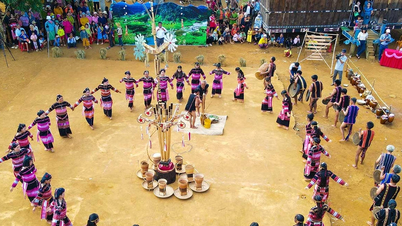
In the field of heritage, the Temple of Literature - National University is not only a place to preserve cultural heritage values but also a space to promote and exploit them economically in an effective way. Utilizing heritage in this manner not only contributes to honoring cultural values but also helps to promote the image of the Temple of Literature - National University more widely, reaching international levels.
The above examples demonstrate that if the cultural industry is properly invested in, it will not only bring economic benefits but also play a crucial role in the sustainable dissemination and development of culture.
Looking back at the achievements of the country's cultural industry in recent years, Dr. Nguyen Viet Chuc - former Vice Chairman of the National Assembly's Committee on Culture, Education, Youth, and Children (now the Committee on Culture and Society) - highly appreciated the efforts of the cultural sector, cultural workers, and organizations in preserving and promoting cultural values. "This is a positive sign, offering hope for even better results for the cultural industry in the future," said Dr. Chuc.
Lack of connection between art and the market.
Despite these positive signs, objectively speaking, Vietnam's cultural industry still faces many significant challenges. One of the key weaknesses is the lack of professionalism in the commercialization of cultural products. Many excellent works have not received systematic investment in marketing and distribution, making it difficult to access the wider market.
For example, the film "Song Lang," despite receiving much praise from critics, did not achieve high box office revenue due to an ineffective marketing strategy. Similarly, "Children in the Mist" is one of the rare works that achieved a breakthrough. The film participated in nearly 100 international film festivals, was screened in many theaters in the US, the Netherlands, Singapore, etc., and won dozens of prestigious awards and nominations. However, the journey of "Children in the Mist," as well as the fate of some other Vietnamese films that once made a splash, largely depended on the individual efforts of the filmmakers.
Discussing this issue, Associate Professor Bui Hoai Son, Standing Member of the National Assembly's Committee on Culture and Education, stated that we do not lack unique ideas, profound works, and works with strong cultural identity and the ability to move people's hearts. However, many of them remain "good within limits," unable to strongly penetrate the market. Perhaps this is because the process of transforming a cultural product into a commodity – a true "cultural asset" – still has incomplete links, lacking connection between art and the market, between creativity and strategy.
“For a cultural work to go far, it cannot have just a good start. It needs to be ‘nurtured’ with serious investment, from idea development and market research to product design, brand positioning, communication, and distribution. But what many artists and production units in Vietnam lack is an ecosystem mindset – a mindset that views cultural products not just as works for display, but as a stream that can generate profit, create synergy, and spread value,” Mr. Son said.
Multiple bottlenecks
The development of the cultural industry in Vietnam faces not only difficulties in connecting and bringing cultural products to the international market, but also a number of barriers that limit the ability to fully exploit its potential and advantages. These challenges stem from many aspects, including inconsistent policies, limited infrastructure, insufficient human resources, and a lack of in-depth social awareness of this field.
Dr. Pham Viet Long, former Chairman of the Management Board of the Institute for Cultural and Development Research, frankly pointed out the obstacles that are "blocking" the breakthrough path of the cultural industry in Vietnam.
According to Mr. Long, one of the biggest obstacles is the incomplete legal framework and supporting policies. Although the Government has issued several policies to promote the cultural industry, implementation still faces many difficulties, lacks consistency, and has not created a favorable environment for businesses and individuals operating in this field.
Businesses operating in the cultural industry, especially small and medium-sized enterprises (SMEs), often face difficulties in accessing capital, leading to a shortage of funds for creating, producing, and promoting products to international markets. Furthermore, the lack of strict enforcement of copyright and intellectual property protection is a major obstacle. Widespread copyright infringement causes significant losses for creators and businesses, reducing the motivation for innovation and creativity. Finally, there is a shortage of high-quality human resources in the cultural industry.
According to Dr. Nguyen Viet Chuc, we still haven't viewed culture as a field with production potential, but mainly see it from a consumption perspective. This approach has persisted for too long, gradually becoming a habit, making the transition to a new mindset difficult. Furthermore, related regulations and rules lack consistency, while those working in the cultural sector themselves are not yet accustomed to a production-oriented mindset and have not created products that meet market demands.
Sharing the same view, Associate Professor Bui Hoai Son believes that the major challenge is that the institutional and policy framework has not kept pace with the development of reality. And there is a shortage of high-quality human resources.
Strengthening public-private partnerships
To promote the cultural industry, Vietnam needs a comprehensive reform. From improving policies and investing heavily in infrastructure to developing human resources and raising social awareness, all play a crucial role. Only when these issues are thoroughly addressed can the cultural industry truly flourish, assert its position, and become one of the important pillars of the national economy.
According to Associate Professor Bui Hoai Son, in order to overcome obstacles and enable Vietnamese cultural products to truly reach further and assert their position on the international stage, a synchronized, long-term, and creative strategy is needed.
A long-term strategy for Vietnam's cultural industry cannot be merely about target figures or plans on paper. It must begin with aspiration – the aspiration to create a creative economy with its own identity, global competitiveness, and above all, the ability to awaken national pride in every cultural product created.
“There can be no cultural industry without a generation of creative citizens – people who not only dare to dream and think differently, but are also equipped with the knowledge, skills, and confidence to realize those dreams. A truly effective strategy needs to create a transparent, flexible, and sufficiently open legal framework to embrace new business models, new technologies, and new forms of expression that the market constantly produces. The cultural industry must be placed within a larger national development strategy – linked to tourism, diplomacy, education, and the national brand. Every cultural product brought to the world must be an ambassador – not just for sale, but also to tell a story of Vietnam,” Mr. Son said.
According to Dr. Nguyen Viet Chuc, for the cultural industry to make a breakthrough, it needs proper attention. First and foremost, there must be a reform in working methods and a long-term vision for the development of the cultural industry. At the same time, synchronized coordination among agencies and departments is a prerequisite – no one can go alone; to go far, we must go together.
The state plays the role of a "midwife" for the cultural market.
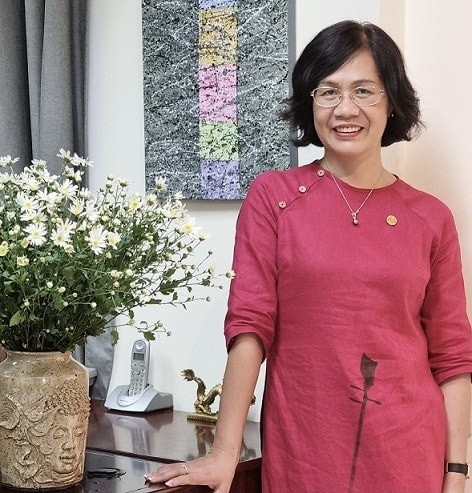
Assoc. Prof. Dr. Nguyen Thi Thu Phuong
According to Associate Professor Dr. Nguyen Thi Thu Phuong, Director of the Vietnam Institute of Culture, Arts, Sports and Tourism: The role of local authorities in developing creative cultural industries needs to be strengthened. Local authorities need to invest appropriately, placing culture and creativity at the center of socio-economic development policies. Besides central government funding, localities must commit to allocating at least 2% of their budget to culture, ensuring that the investment growth rate is not lower than the revenue growth rate.
The state manages cultural activities through legal, economic, financial, and administrative tools, while also playing a crucial role in the production, distribution, and consumption of cultural products.
Digital transformation is an inevitable trend. It is necessary to develop a digital culture strategy, prioritize budget allocation for digitalization, apply modern technology to areas of strength such as film, music, and performing arts, while simultaneously creating digital cultural products and expanding distribution, publishing, and export channels on digital platforms.
Building brands and boosting exports of cultural products.
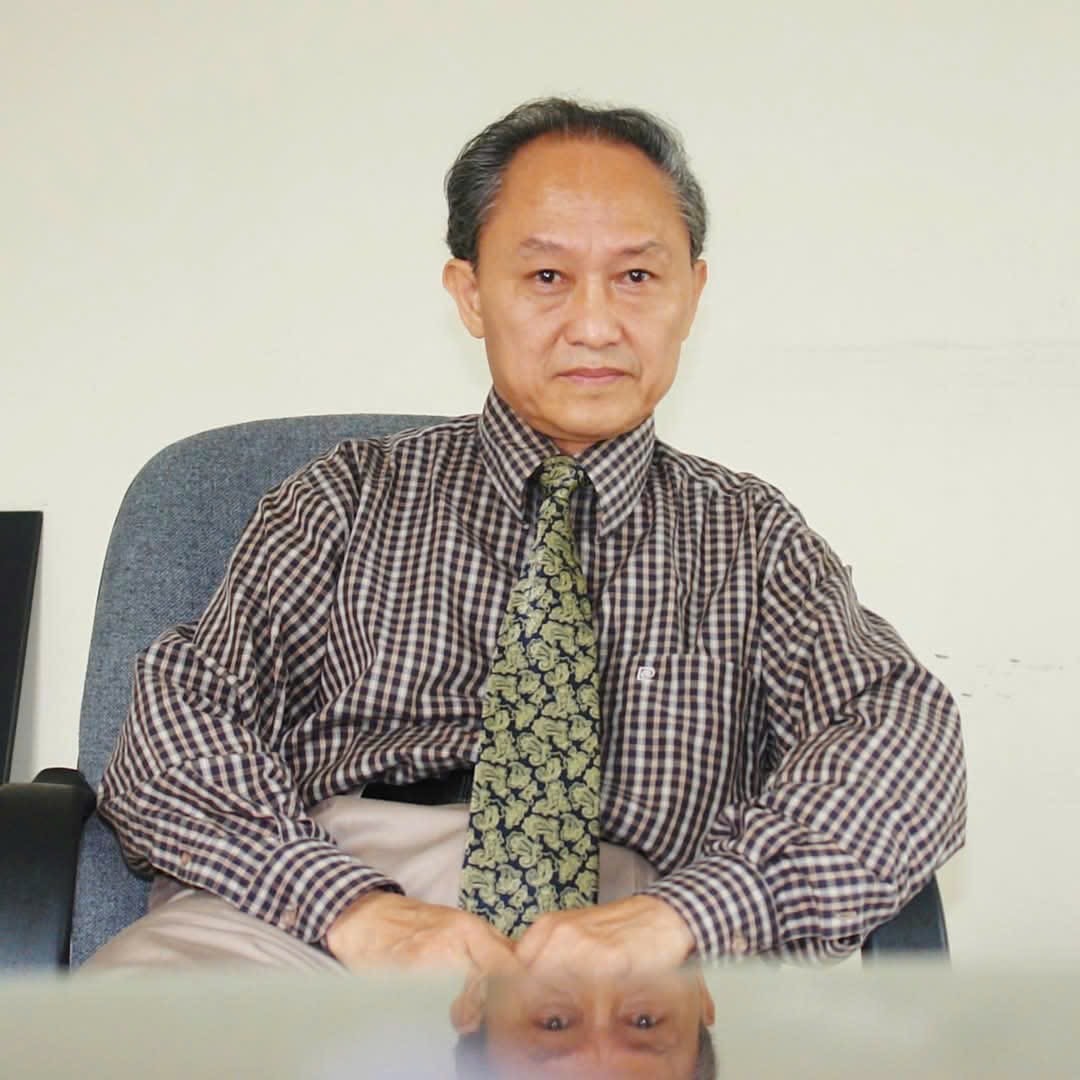
Dr. Pham Viet Long
Dr. Pham Viet Long, former Chairman of the Management Board of the Institute for Cultural and Development Research, believes that with a comprehensive, synchronized, and long-term strategy, Vietnam's cultural industry can absolutely become a key economic sector, making a significant contribution to the country's development in the future.
However, to achieve this, it is first necessary to build a theoretical framework for Vietnam's cultural industry. The legal system and policy mechanisms must be perfected to create favorable conditions for businesses and artists to develop. The State needs policies to encourage investment, provide financial support, and promote public-private partnerships in this field.
Building a national cultural brand and boosting the export of cultural products is a necessary step. Promoting Vietnamese culture to the world not only strengthens the nation's influence but also brings significant economic value. Finally, raising awareness and promoting copyright protection within the cultural industry is crucial. This is essential to ensure the rights of creators, thereby fostering innovation and sustainable development.
Source: https://baolaocai.vn/cong-nghiep-van-hoa-nhin-tu-cac-hieu-ung-moi-post399744.html































































Comment (0)