

DILIGENTLY STUDYING REGULAR COURSES AND EXTRA CLASSES
Many opinions reflect that the practice of forcing students to attend extra classes is taking place in very subtle ways. In schools, it's integrated into the regular timetable, using the afternoon session for extra lessons; outside of school, teachers open classes or centers for extra lessons but register them under the names of relatives... Students who don't attend extra classes face all kinds of pressure.
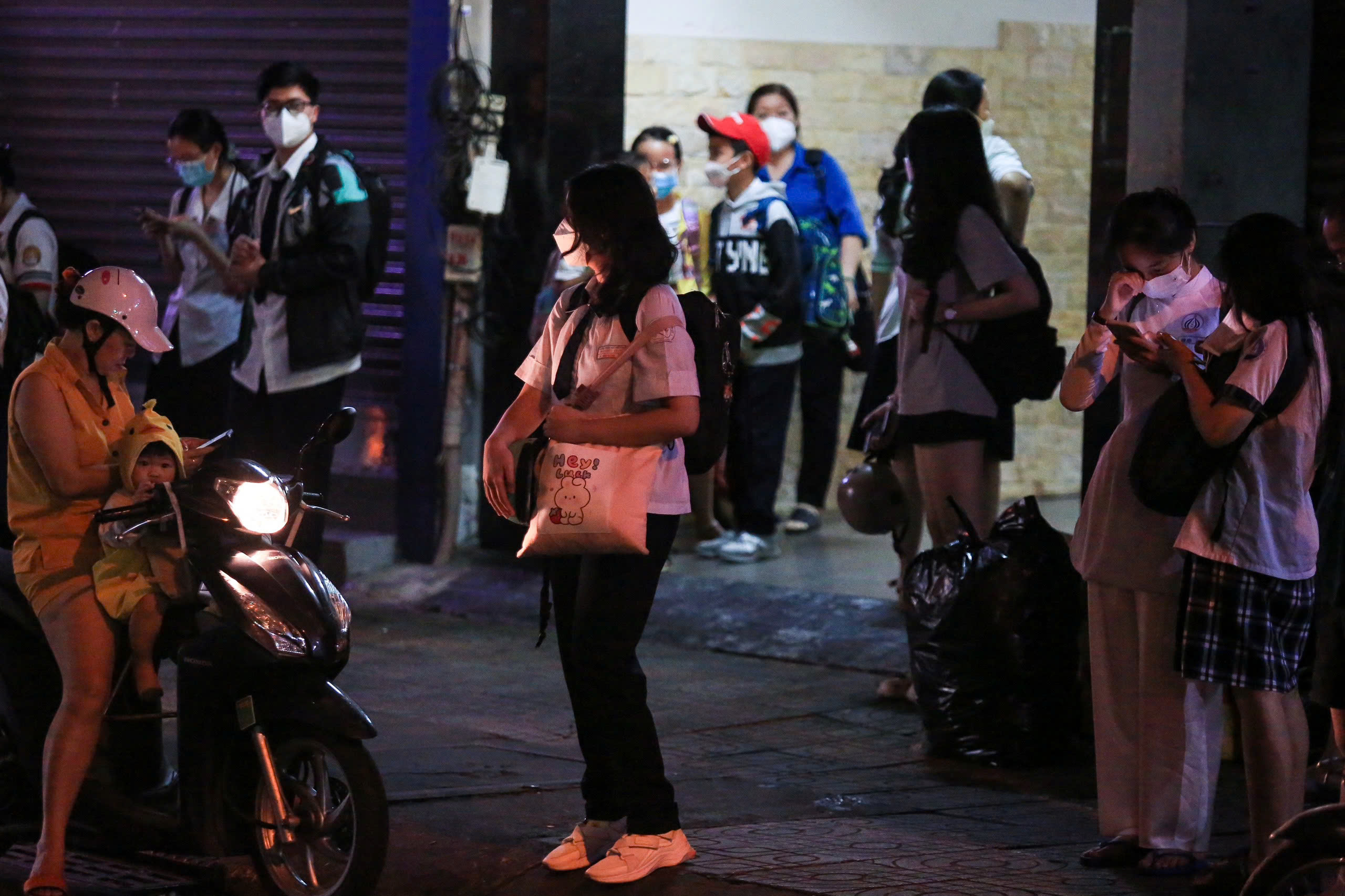
Students after extra classes at a center in Ho Chi Minh City.
Meanwhile, the need for extra tutoring from skilled teachers is real, but many of the teachers who teach regular classes are not the ones students and parents want to take extra lessons from. This leads to a situation where many students and parents have to accept taking extra lessons twice for the same subject. They take extra lessons with the same teacher to "please" their teachers and avoid being seen as out of place; and they take extra lessons outside of class with skilled teachers who suit each student's needs…
Recently, on some parent forums, a shocking school schedule for first-grade students has been shared: school all day; extra classes from 7 PM to 9:30 PM; homework from class and additional exercises from advanced textbooks until midnight; and if there's a test, practicing with the teacher until 1 or 2 AM...
The veracity of this information is unknown, but it has received many mixed reactions. Many parents shared that such a demanding school schedule for graduating students is nothing new.
A parent in Dan Phuong District ( Hanoi ) said that last school year, to prepare for the 10th grade entrance exam, his child had extra classes at a teacher's house starting at 5 AM, then went to school for regular classes, continued with extra classes until 10 PM, and then returned home to do homework and practice exam questions.
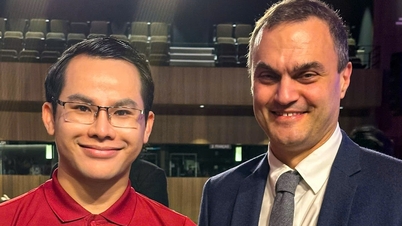
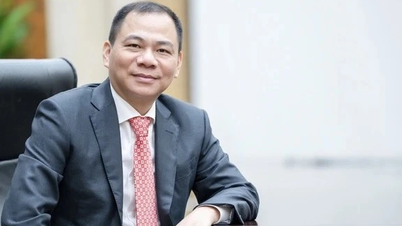
Mr. Le Truong Tung, Chairman of the Board of Directorsof FPT University
CAMPAIGN FOR THE "8-HOUR SCHOOL DAY"
Mr. Le Truong Tung, Chairman of the Board of Directors of FPT University, cited the regulation that employees only have to work 8 hours/day and suggested that students should also be required to study for no more than this amount of time to give them back their childhood.
"The major problem in Vietnamese education at the beginning of the 21st century is 'exam-oriented education,' leading to students being overwhelmed with studying all day: studying at school, doing homework at home, attending extra classes outside of school... Many children are losing their childhood. 'Exam-oriented education' gives rise to many social consequences, as an entire generation of children is forced to study excessively, without time for a normal childhood and normal development," Mr. Le Truong Tung shared.
Based on that reality, Mr. Tung proposed: "Perhaps it's time, for the future of our children – and also for the future of the country – to establish and promote the '8-Hour School Day' movement. The 8 hours here include all classroom time, homework time, and extra tutoring time. Schools should calculate the amount of homework based on the time spent at school, ensuring the total time does not exceed 8 hours. If 8 hours of school time is already sufficient, no homework or extra tutoring should be assigned. If school is a half-day session, the maximum amount of homework is 2 hours, and extra tutoring, if any (including time spent on homework), should also be a maximum of 2 hours. Individuals and organizations providing extra tutoring outside of school must ensure that the extra tutoring time is counted within the 8 hours of the student's regular school day."
According to Mr. Tung, the above proposal is entirely feasible in the context of the National Assembly discussing the Law on Teachers, as General Secretary To Lam stated: "We certainly don't have a law on students, but when we talk about teachers, we must talk about students, and the law must address the very important teacher-student relationship very well."
INCLUDING ADDITIONAL EDUCATION IN THE CATEGORY OF CONDITIONAL BUSINESS ACTIVITIES
Associate Professor Chu Cam Tho, from the Vietnam Institute of Educational Sciences, stated: "We can easily see that tutoring truly has a significant impact on society as a whole. If we consider criteria that affect social welfare, such as the prevalence of the profession and the development of human resources, we will see that tutoring is indeed a special profession."
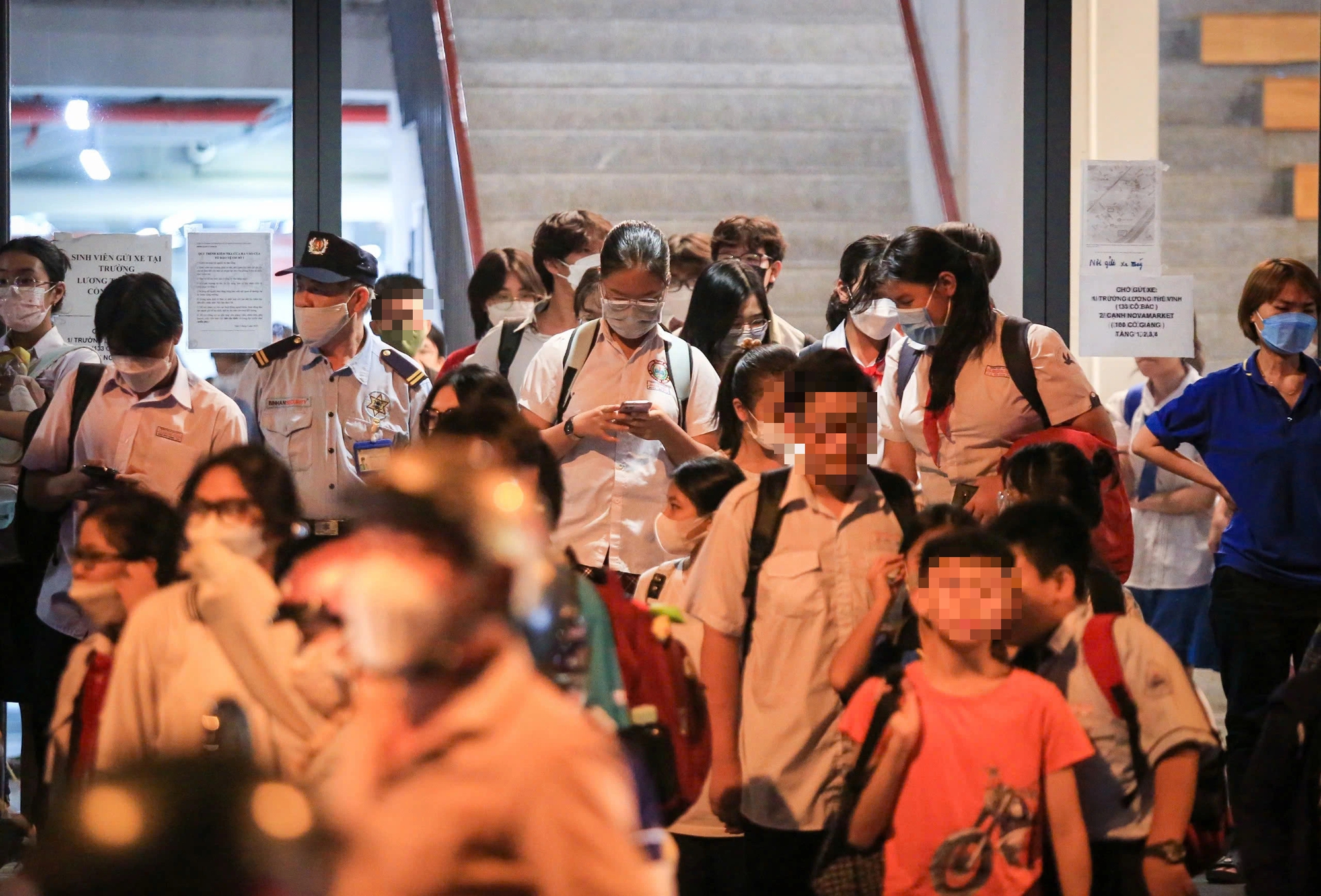
"Exam-oriented education" leads to a situation where students are constantly busy studying all day: studying at school, doing homework at home, and attending extra classes outside of school.
Therefore, including tutoring in the list of conditional business activities will help to better control tutoring centers, prevent the pursuit of high grades, and avoid overloading tutoring centers, which puts pressure on both students and teachers."
Associate Professor Chu Cam Tho believes that tutoring service providers need to operate professionally, meeting standards for teaching quality, facilities, and teaching staff, improving the quality of care and coordination, and creating a healthy and safe learning environment for students. These measures will contribute to ensuring the quality of education. When managed as a conditional business category, tutoring activities will be more strictly regulated. Including tutoring in the list of conditional business categories will help to increase transparency regarding tutoring service providers, making it easier for parents, students, and teachers to choose and compare options, and preventing illegal and substandard tutoring activities.
In particular, Associate Professor Chu Cam Tho stated that including tutoring in the list of conditional business activities would help differentiate between tutoring and supplementary knowledge activities in schools. This is important in the current reality, where the boundary between these two activities is blurred, causing many schools and educational organizations to fail to fulfill their educational roles and missions, leading to the abuse of tutoring. Supporting the inclusion of tutoring in the list of conditional business activities raises the issue of managing both the demand for tutoring and the capacity of tutors.
The target group for tutoring is students, mostly those still under guardianship, lacking independence and autonomy, and unable to clearly identify their own tutoring needs. The individuals involved in tutoring also have a unique characteristic: in our country, most are teachers already engaged in regular school education.
The Law on Teachers needs to clearly define regulations regarding tutoring.
Mr. Hoang Ngoc Vinh, former Director of the Department of Professional Education (Ministry of Education and Training), pointed out that tutoring is not clearly regulated in the draft Law on Teachers, and this is a controversial point. "I believe that tutoring should not be considered an official professional activity of general education teachers because it can lead to many negative consequences. It not only negatively impacts students but also erodes public trust in the teaching profession. When tutoring becomes an official activity without strict control, it can create inequality between students who can afford tutoring and those who cannot."
Mr. Vinh cited the experiences of countries like South Korea and Singapore with very successful models of extracurricular learning support, where teachers can legally and systematically provide supplementary tutoring, but are not allowed to teach their own students to avoid conflicts of interest. Therefore, if Vietnam decides to include supplementary tutoring within the scope of teachers' professional activities, there needs to be strict and transparent regulations on the conditions for implementation and ensuring that supplementary tutoring does not affect the quality of regular teaching. This will help make supplementary tutoring a beneficial activity for students without causing injustice. Mr. Vinh also suggested that the draft Law on Teachers should regulate supplementary tutoring in general education at each level.
According to National Assembly representative Nguyen Thi Viet Nga (Hai Duong delegation), some teachers prioritize tutoring and extra classes to supplement their income, partly related to teachers' salaries. Therefore, to combat the widespread and distorted practice of tutoring and extra classes, improving teachers' income is also a solution. Furthermore, the coercion of teachers to provide extra classes is related to teacher ethics; solutions are needed to improve teacher ethics and definitively resolve this issue.
Source: https://thanhnien.vn/coi-day-them-la-nghe-dac-biet-185241128224132219.htm





















































































Comment (0)