

TechCrunch , citing a declassified US government document, highlights details of domestic intelligence agencies purchasing large quantities of commercially available information (CAI) belonging to US citizens. CAI is publicly available information, accessible to anyone, and transactions are often facilitated by brokers. However, this information still raises concerns about citizens' rights and privacy, highlighting the need for stricter policies and regulations to protect personal data.
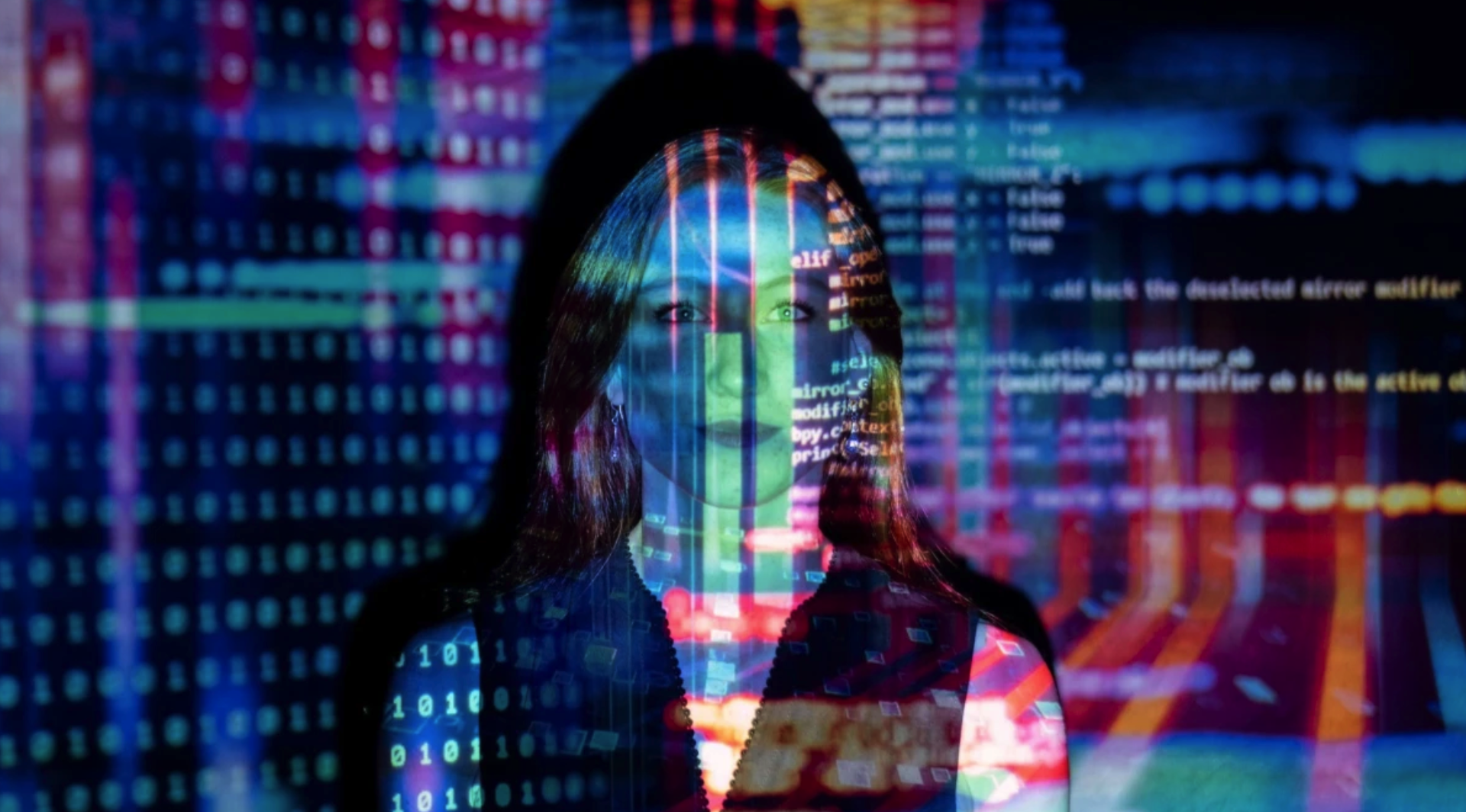
Data on American citizens is being acquired by numerous government intelligence agencies.
This also marks the first time a government-level report has confirmed that U.S. intelligence agencies are increasing their reliance on data like CAI. This data includes details about connected vehicles, web browsing activity, and smartphones, which can be purchased from a wide variety of sources. The report, released by the Office of the Director of National Intelligence (ODNI), highlights the risks associated with the uncontrolled sharing and sale of Americans' personal information.
The document also cites several examples of "brokers" offering large amounts of data for sale, such as Thomson Reuters CLEAR, LexisNexis, Exactis, and PeekYou. This data is often used in the advertising industry, but no one knows for sure who the buyers are or what they are actually using it for.
A report from ODNI highlights the potential impact on privacy and civil liberties from the widespread sale of CAI data. According to Phone Arena , Washington lacks privacy or data protection laws that would limit the sharing and purchase of information by American citizens.
Senator Ron Wyden requested the declassification of the report and expressed concerns about how the government manages personal data. He argued that current policies have failed to protect the privacy of Americans and lack oversight of government agencies that purchase and use personal data.
According to the report, when sold in large quantities, CAI data could be exploited to identify citizens' personal identities. For example, location data obtained from smartphones, smartwatches, or other devices could reveal where people live or work. The data could also be used to determine if someone is involved in protests, gatherings, or any form of political group activity, thereby providing grounds for opposing them. Furthermore, the report reveals the potential for misuse of information for blackmail, surveillance, harassment, or public defamation.
Source link




![[Photo] The General Secretary, President and his wife begin their state visit to the Philippines.](https://vphoto.vietnam.vn/thumb/1200x675/vietnam/resource/IMAGE/2026/05/31/1780230559452_anh-man-hinh-2026-05-31-luc-19-28-11.png)
![[Image] Hanoi Police officially crowned champions of V-League 2025/2026](https://vphoto.vietnam.vn/thumb/1200x675/vietnam/resource/IMAGE/2026/05/31/1780244769054_ndo_br_039d561b692be875b13a-jpg.webp)




















![[Video] Sunset at Lap An Lagoon – Where the sun sets over the fishing nets](https://vphoto.vietnam.vn/thumb/340x192/vietnam/resource/IMAGE/2026/05/31/1780192137701_beach-landscape-sea-water-nature-grass-745871-pxhere-com.jpeg)






![[Photo] Solemn bathing ceremony and Buddha procession in Hue](https://vphoto.vietnam.vn/thumb/1200x675/vietnam/resource/IMAGE/2026/05/31/1780228263543_1-jpg.webp)
![[Photo] Admire the coral "masterpiece" amidst the million-year-old heritage of Dak Lak province.](https://vphoto.vietnam.vn/thumb/1200x675/vietnam/resource/IMAGE/2026/05/31/1780221235105_anh-man-hinh-2026-05-31-luc-16-53-27.png)









































































Comment (0)