

(NLĐO) – Tra Que vegetable village in Quang Nam province is an attractive tourist destination, drawing many domestic and international visitors to explore and experience it.
As reported by Nguoi Lao Dong Newspaper, yesterday (November 15), the United Nations Tourism Organization (UN Tourism) awarded the "Best Tourist Village" award for 2024 to Tra Que Vegetable Village (Hoi An City, Quang Nam Province).
Video: Tra Que Vegetable Village - Hoi An honored as the world's best tourist village in 2024
The UN Tourism "Best Village" award aims to highlight the role of tourism in protecting rural villages, encompassing landscapes, knowledge systems, biodiversity and culture, and local activities including agriculture, forestry, livestock, fisheries, and cuisine. Selected villages must excel in natural and cultural resources and demonstrate innovative actions and a commitment to tourism development aligned with the United Nations Sustainable Development Goals (SDGs).
Tra Que is a village with a history spanning over 300 years. According to historical records, in its early days, the village cultivated many kinds of aromatic herbs, including one called Nhu Que, which had a strong cinnamon-like fragrance.
In the 19th century, King Gia Long had the opportunity to visit and was impressed by the flavor of the vegetables here, so he named the village Tra Que. That name has been passed down and used to this day.
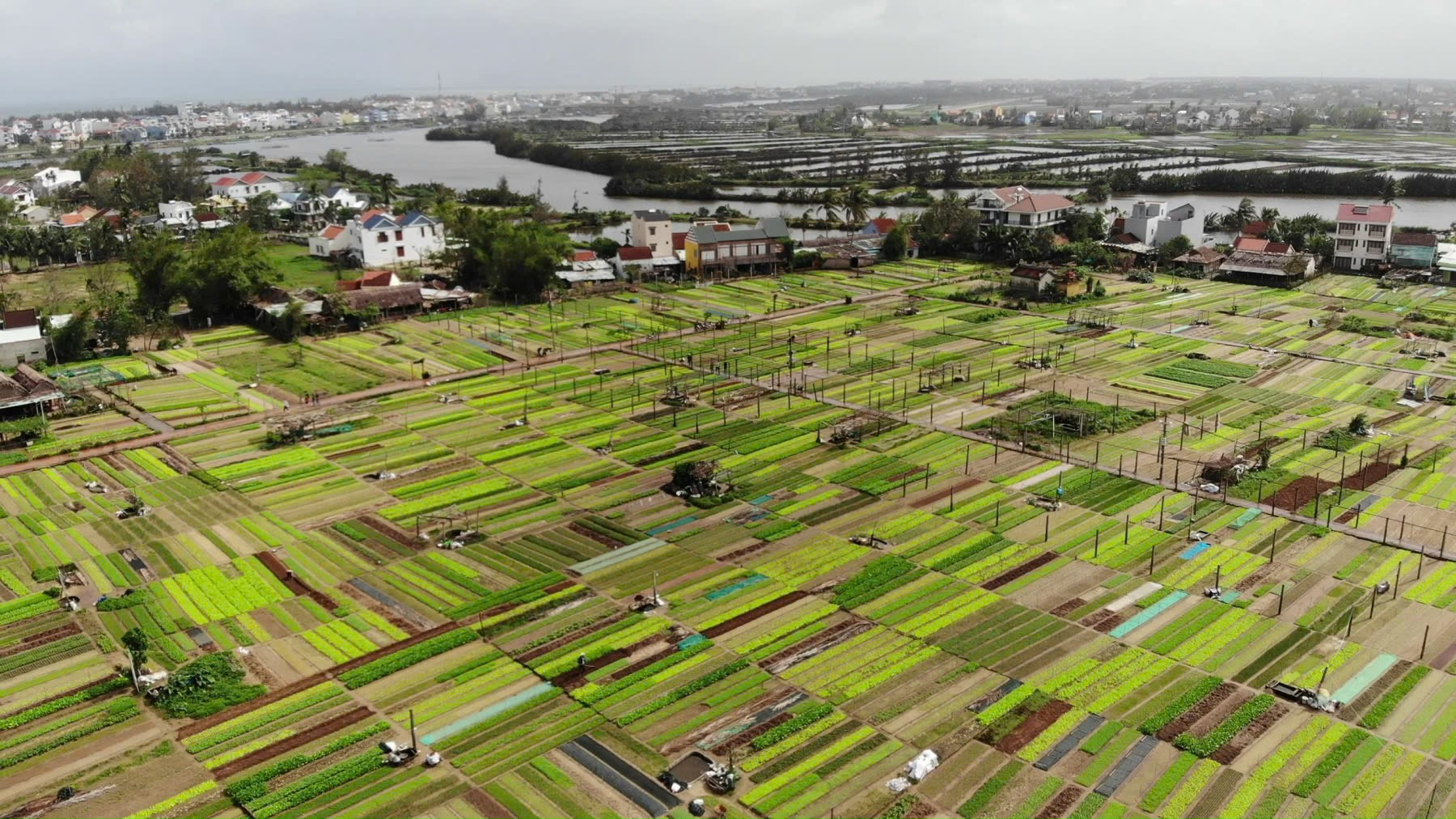
Located about 3 km northeast of Hoi An ancient town center, Tra Que village has the unique characteristics of a river island near the sea, surrounded by the Co Co River and Tra Que lagoon, providing a mild climate and fertile soil, creating favorable conditions for the local people to innovate and develop the long-standing practice of organic vegetable farming.
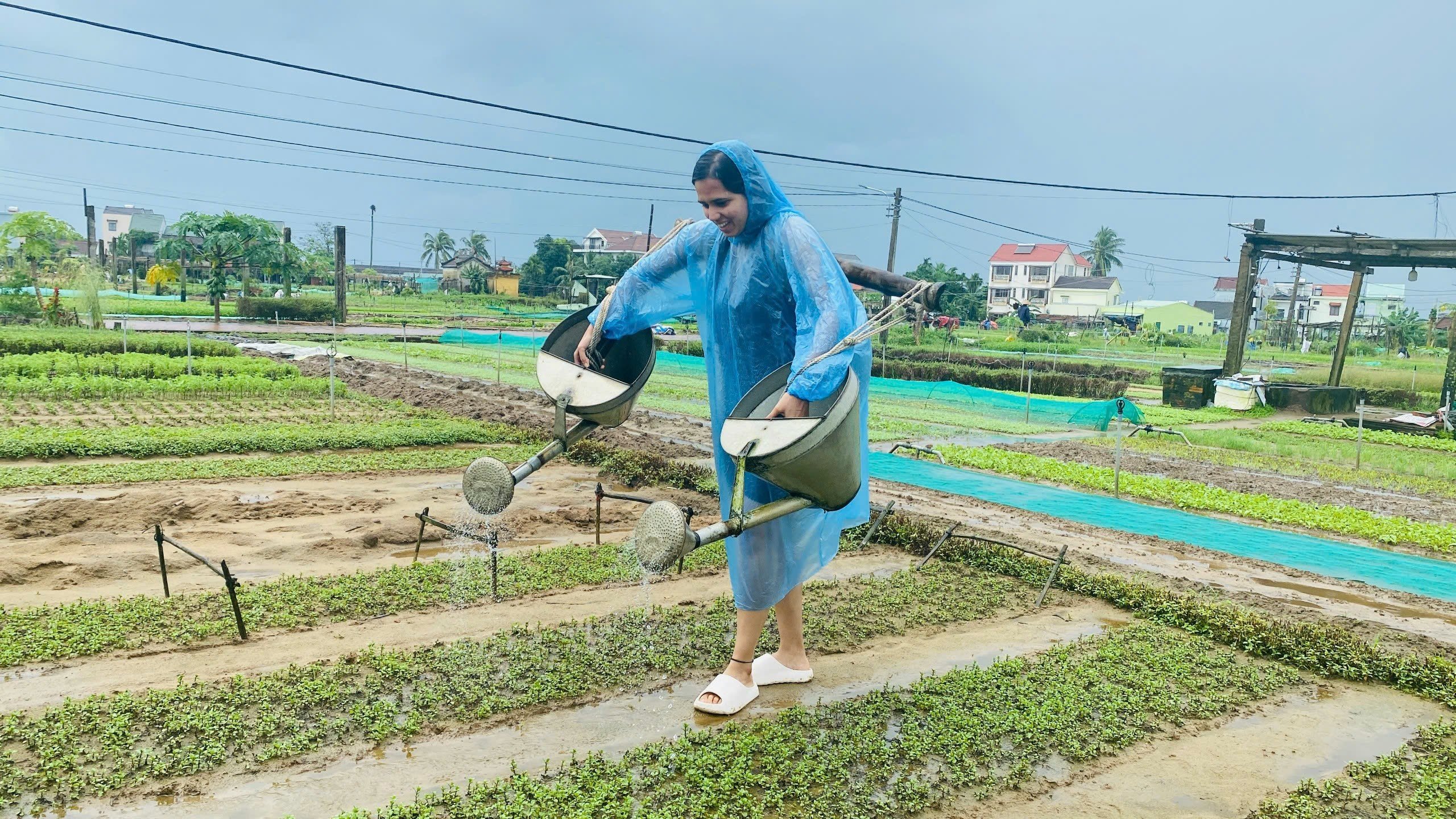
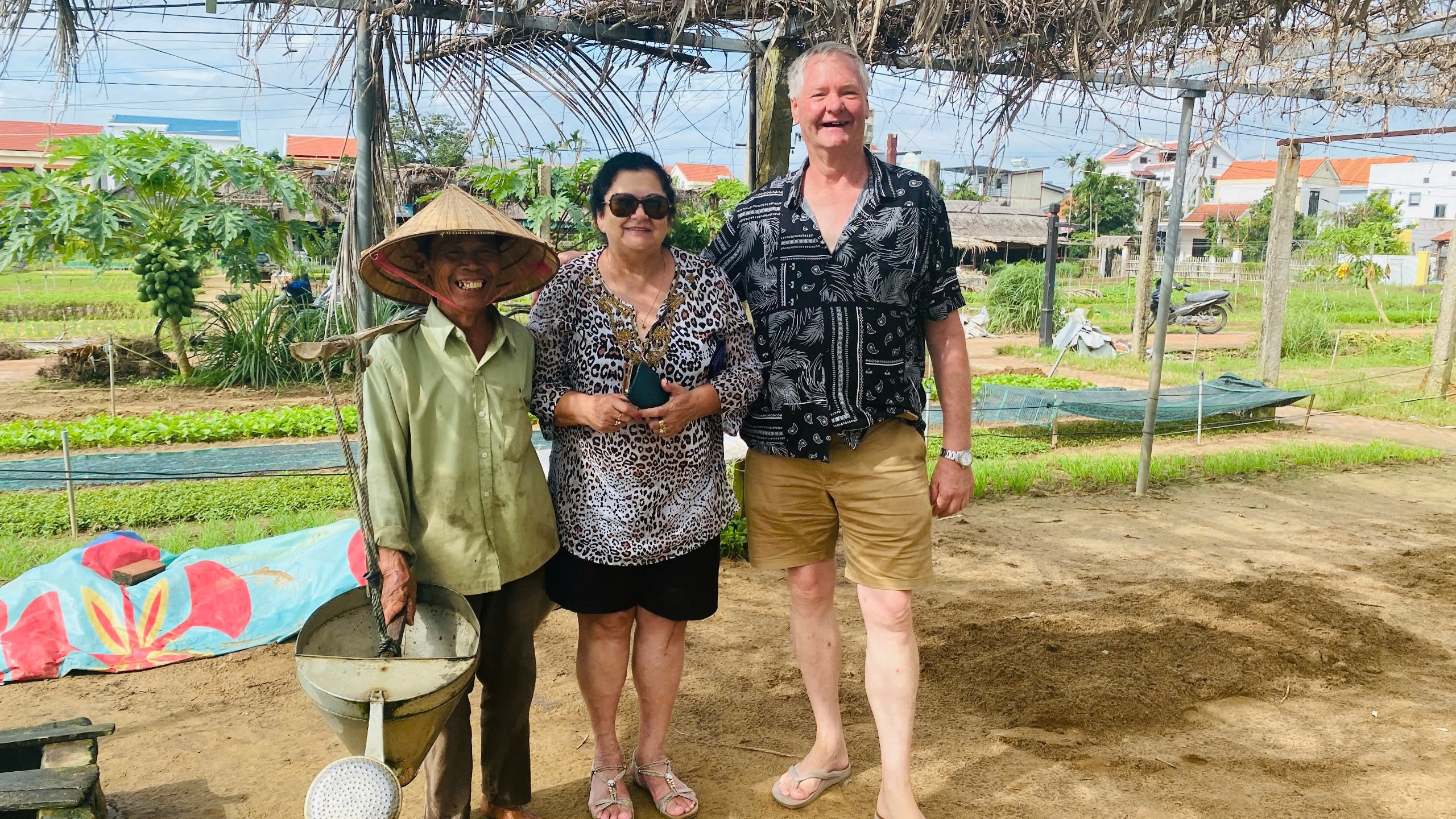
Currently, Tra Que village has 202 households engaged in vegetable farming, employing 326 direct laborers on 18 hectares of cultivated land, providing a stable source of income.
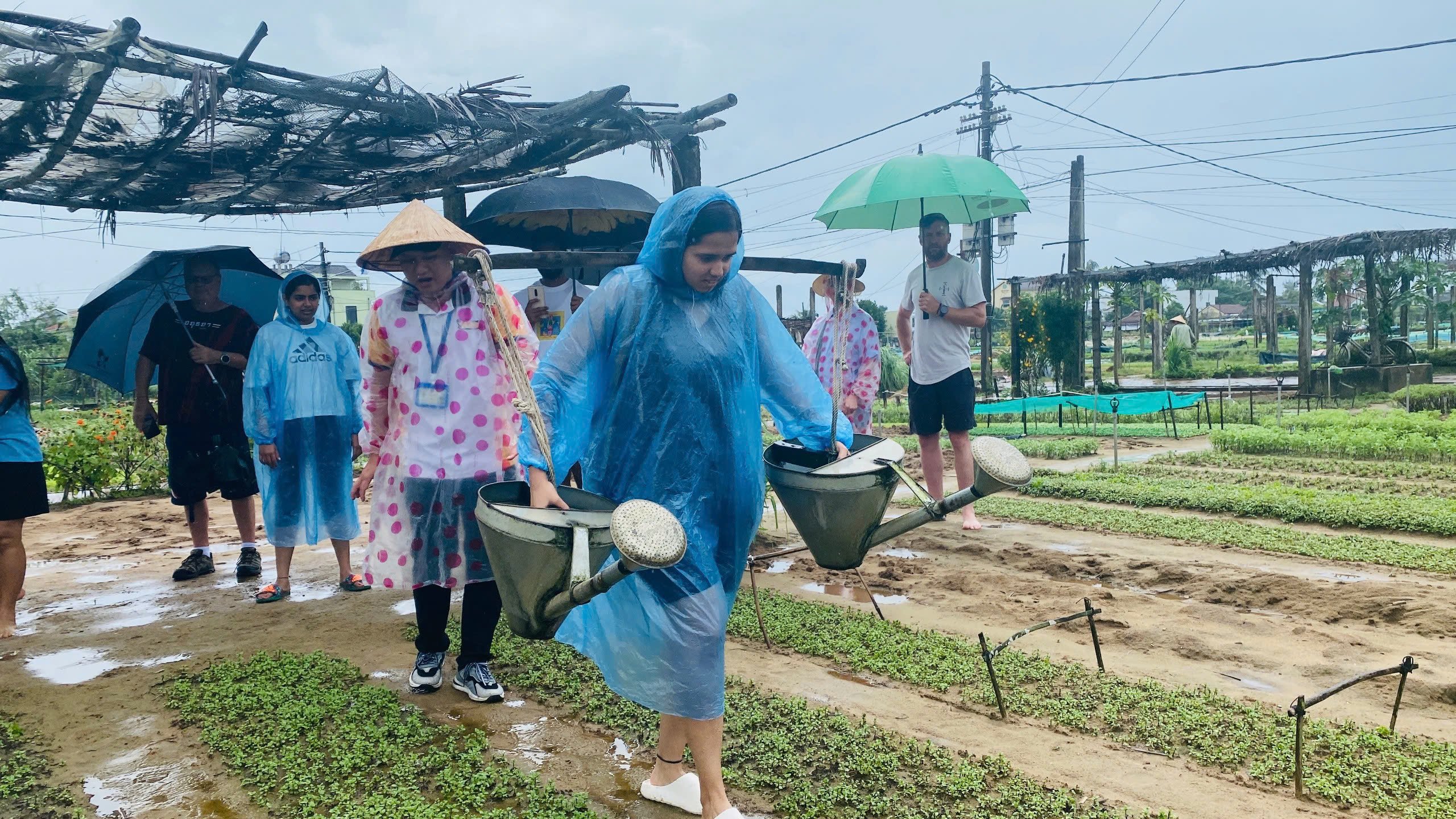
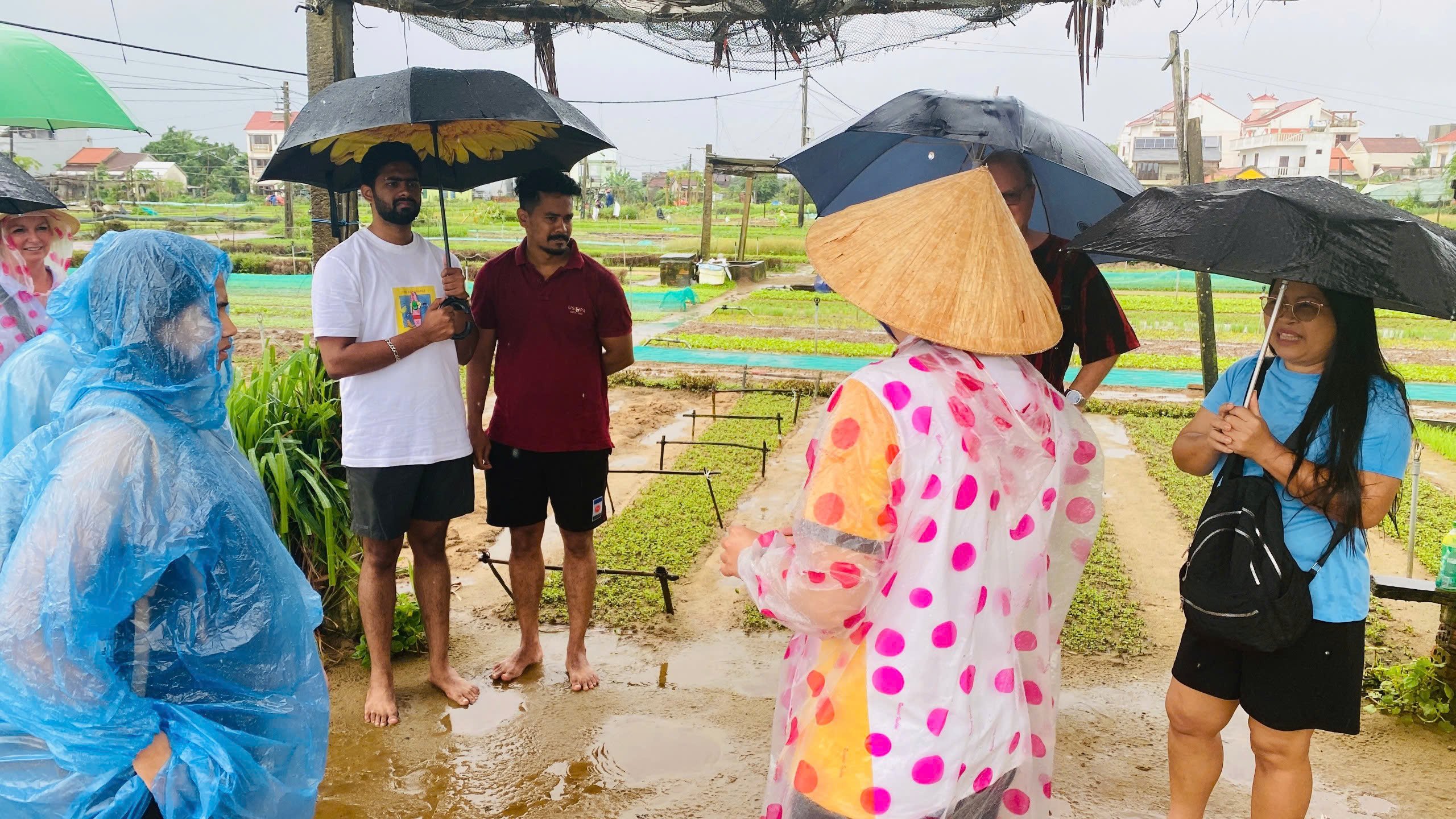
Along with the rapid development of tourism and services in Hoi An, especially the city's orientation towards green and sustainable tourism, Tra Que village has implemented a community-based tourism village model. This model connects the labor and production processes of the local people with tourism and service activities to create unique and attractive tourism products that meet the needs and tastes of customers.
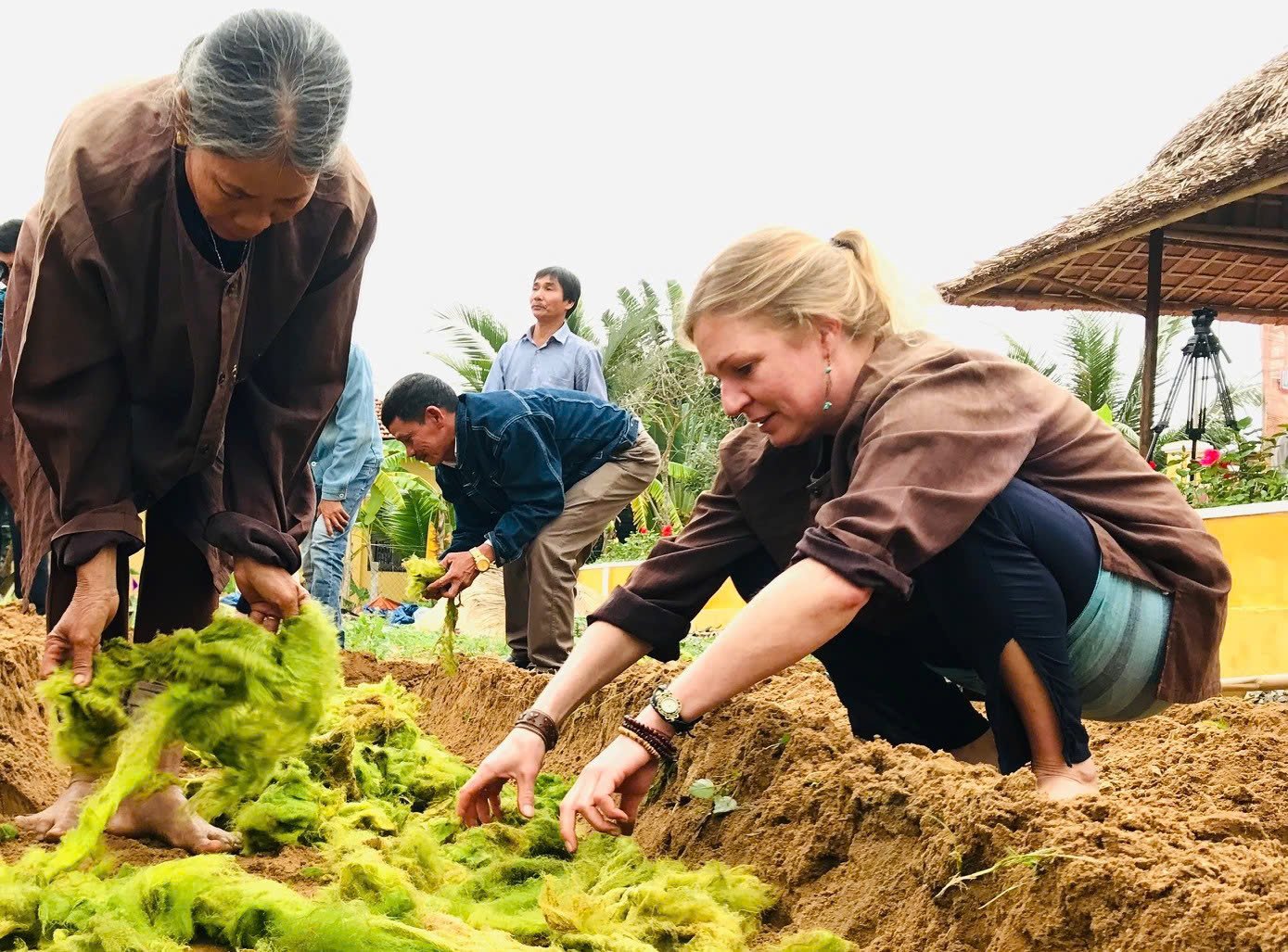
Tra Que Village currently has 23 accommodation establishments, 16 restaurants, and various supplementary services, providing job opportunities and direct benefits to the villagers and surrounding areas.
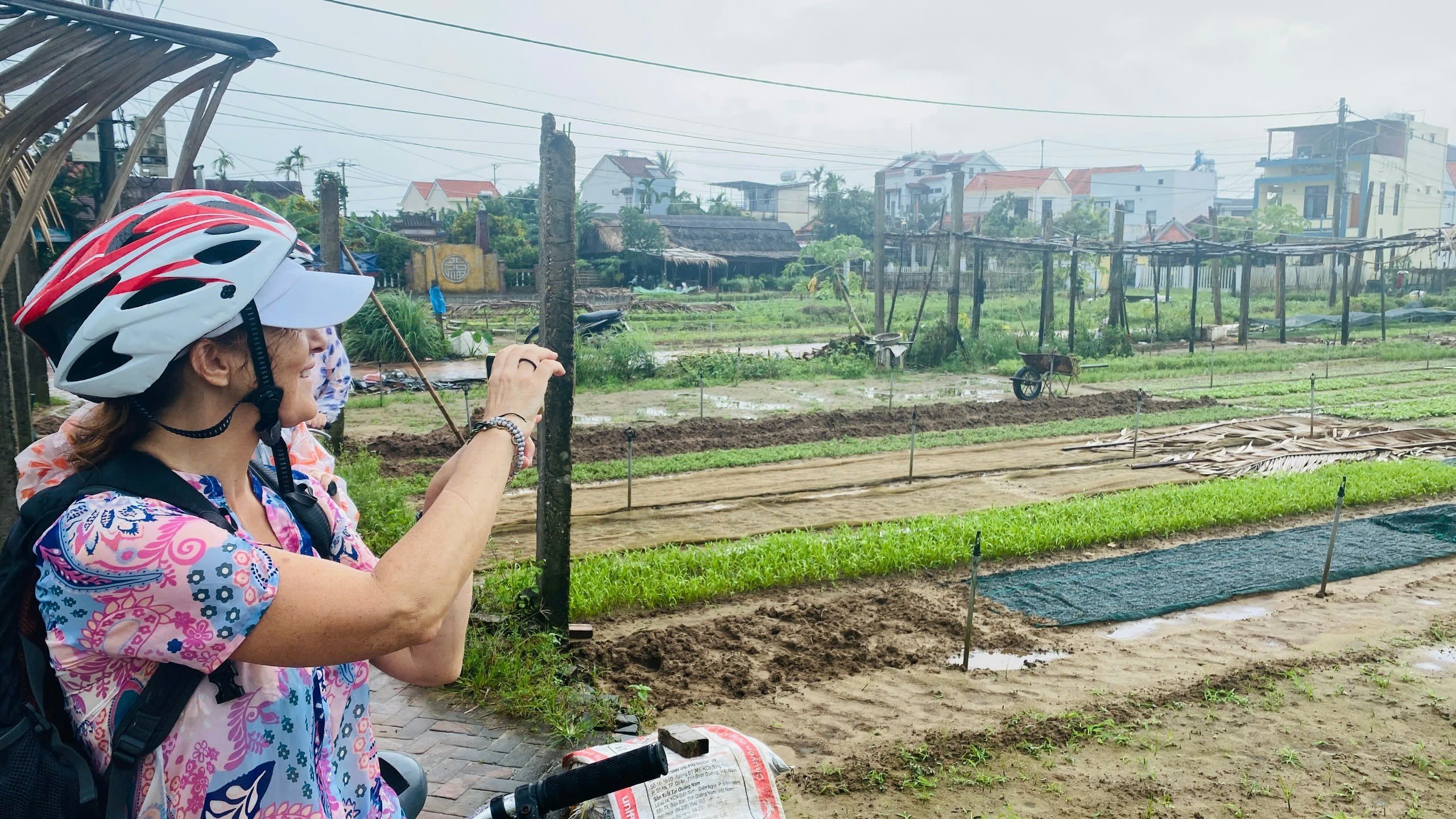
The city of Hoi An is currently implementing a guided tour program at Tra Que Vegetable Village, which is yielding far-reaching positive results.
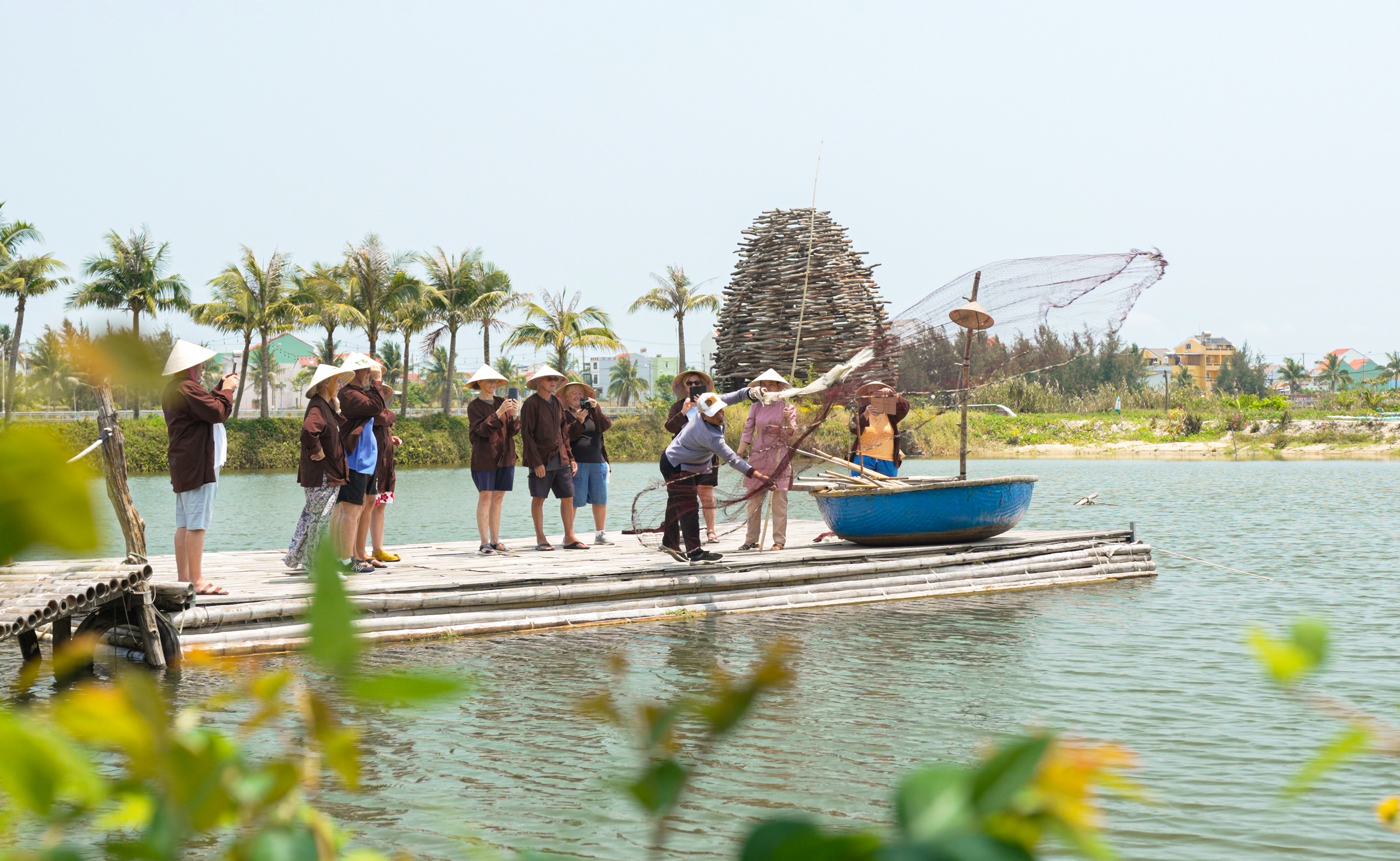
In addition, many creative ideas from the locals have been implemented and received attention from tourists, such as: homestay accommodation services, the "A Day as a Farmer in Tra Que" program, "Cooking Classes and Enjoying Village Cuisine", "Relaxation and Wellness Tourism"...
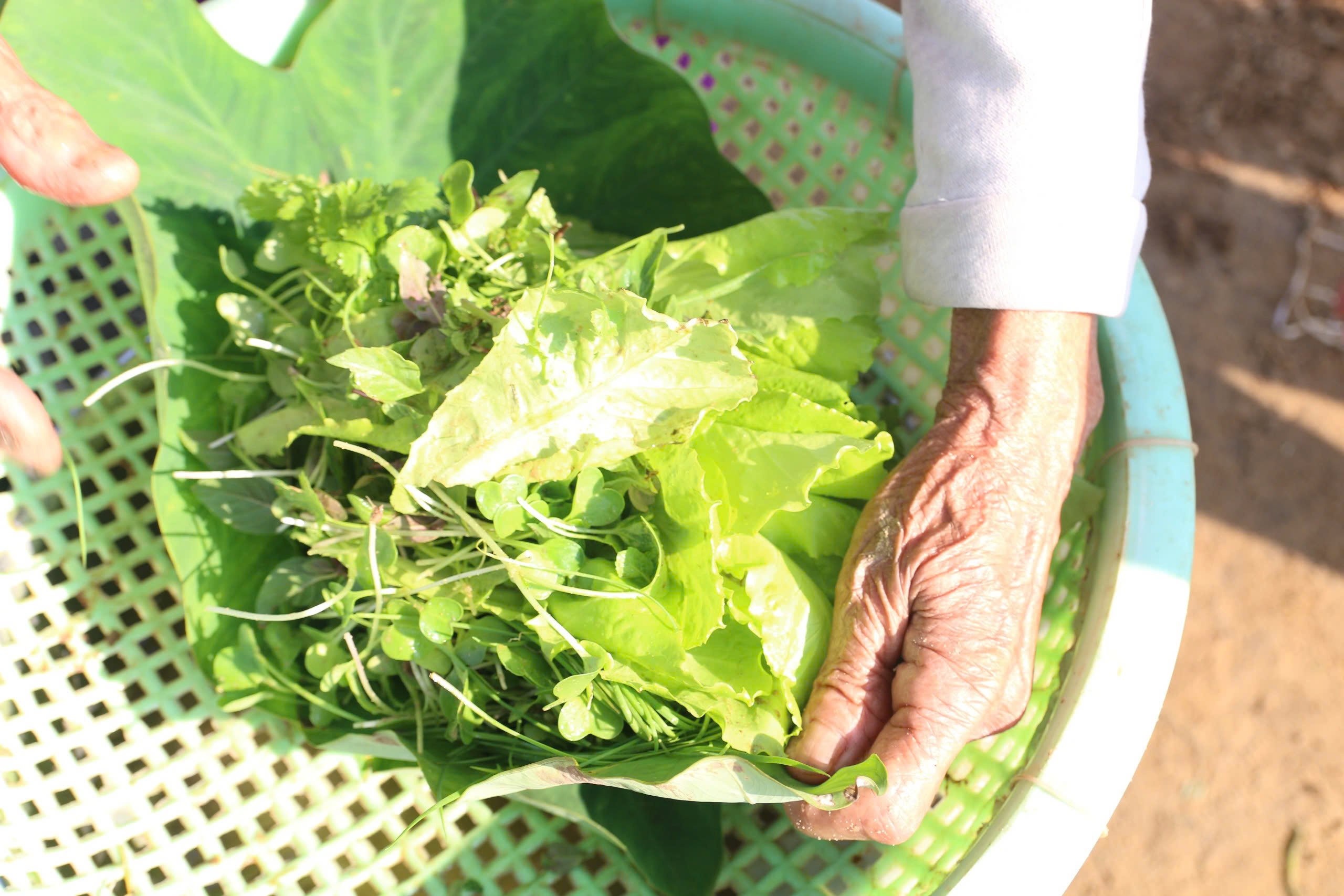
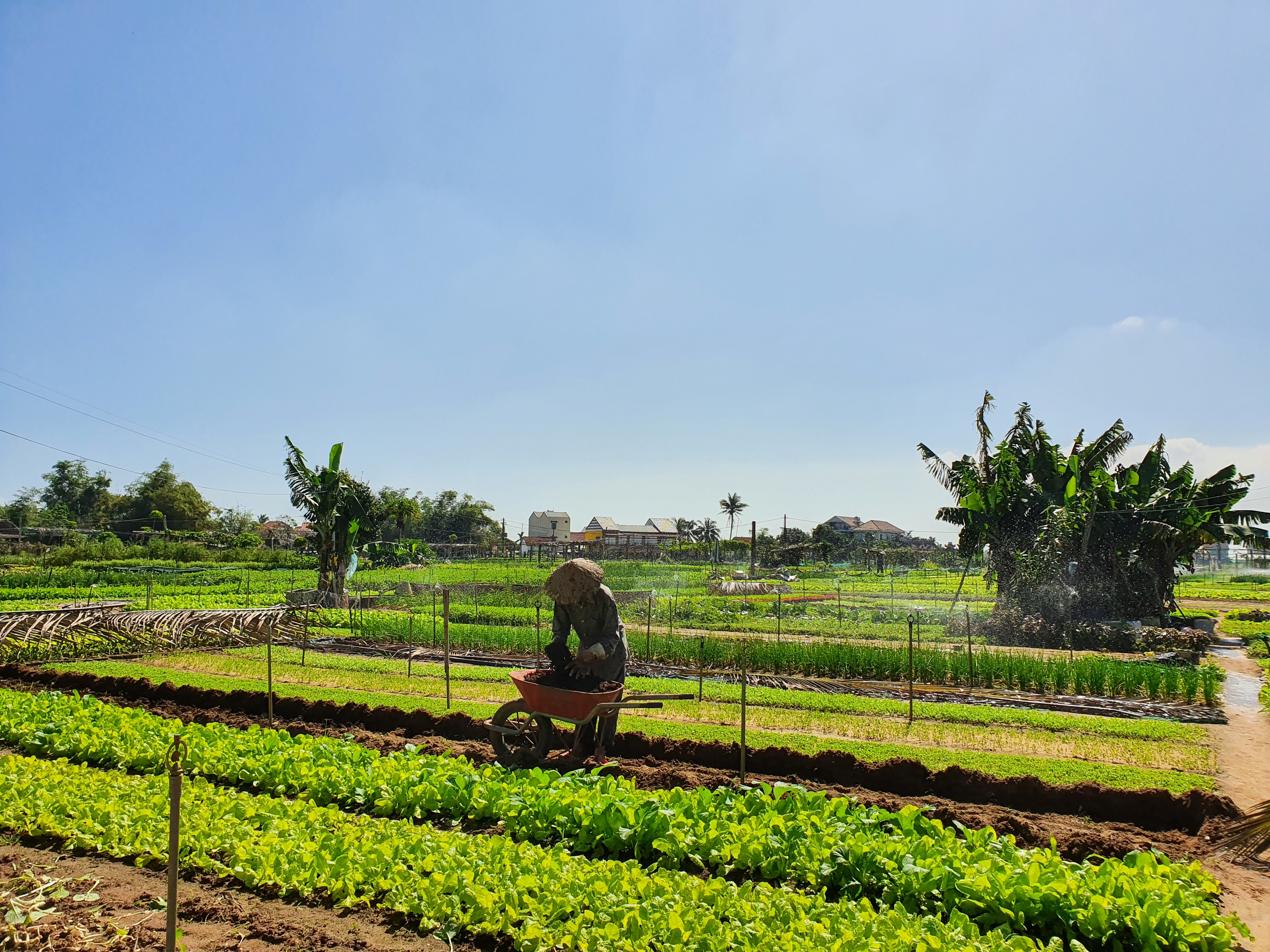
In April 2022, vegetable farming in Tra Que was recognized by the Ministry of Culture, Sports and Tourism and included in the list of National Intangible Cultural Heritage, under the category of folk knowledge and traditional crafts.
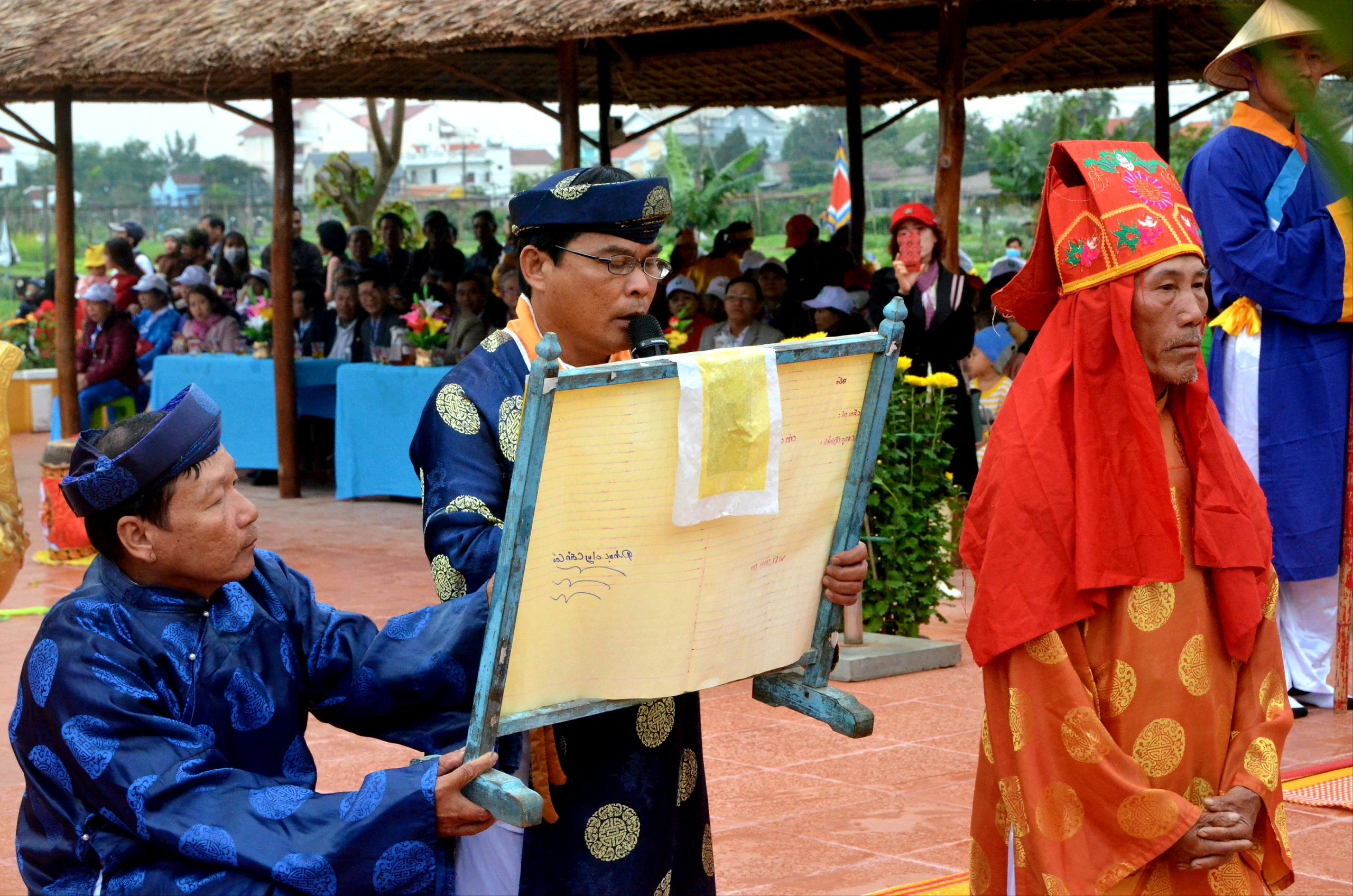
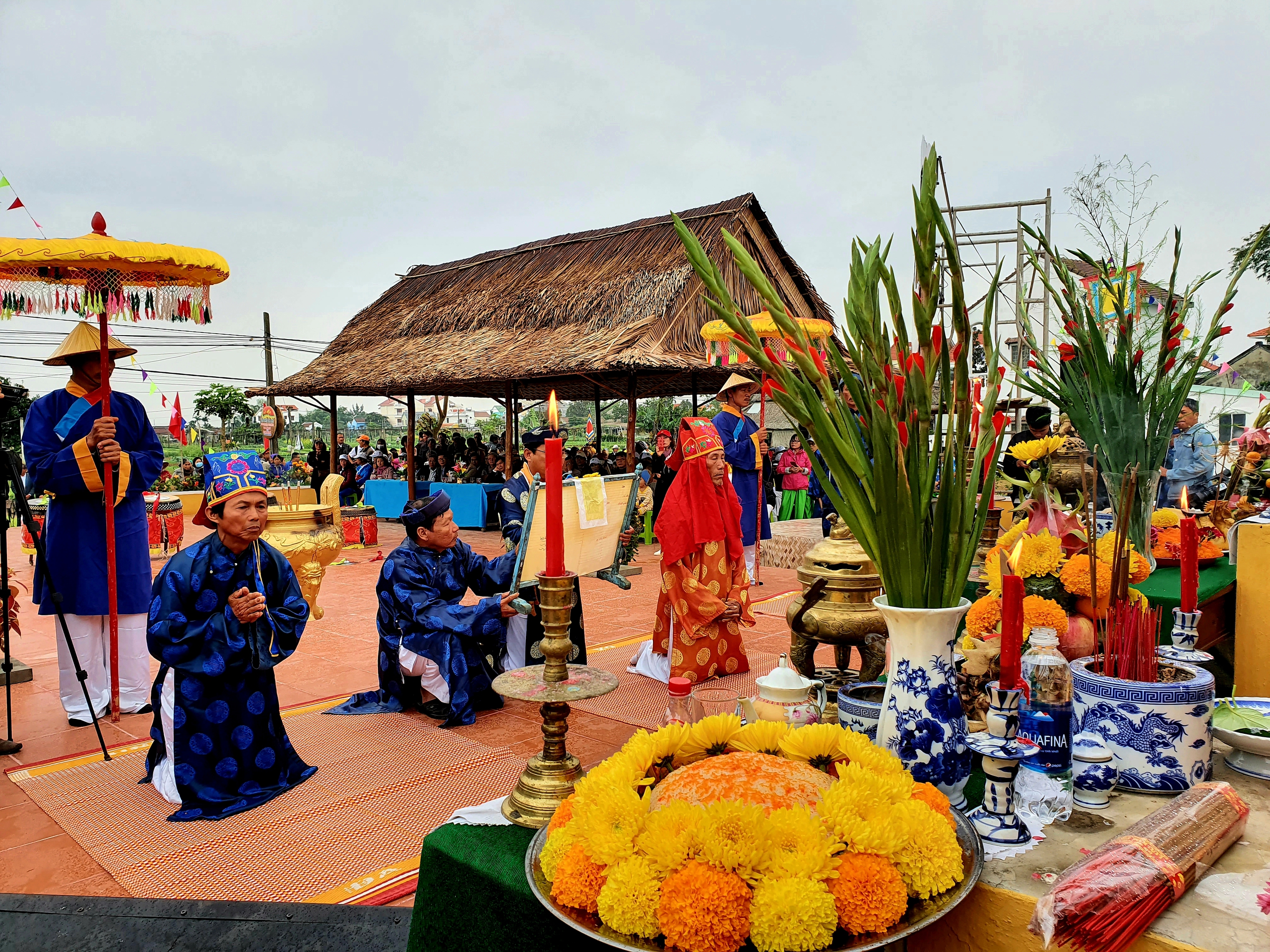
In Tra Que village, historical relics such as the Cham stone well, the Earth God shrine, the Five Elements shrine, the tomb of Mr. Nguyen Van Dien, etc., as well as the Cau Bong ceremony and customs, traditions, beliefs, and culinary culture are being effectively preserved and promoted, serving as evidence of the village's long-standing development.
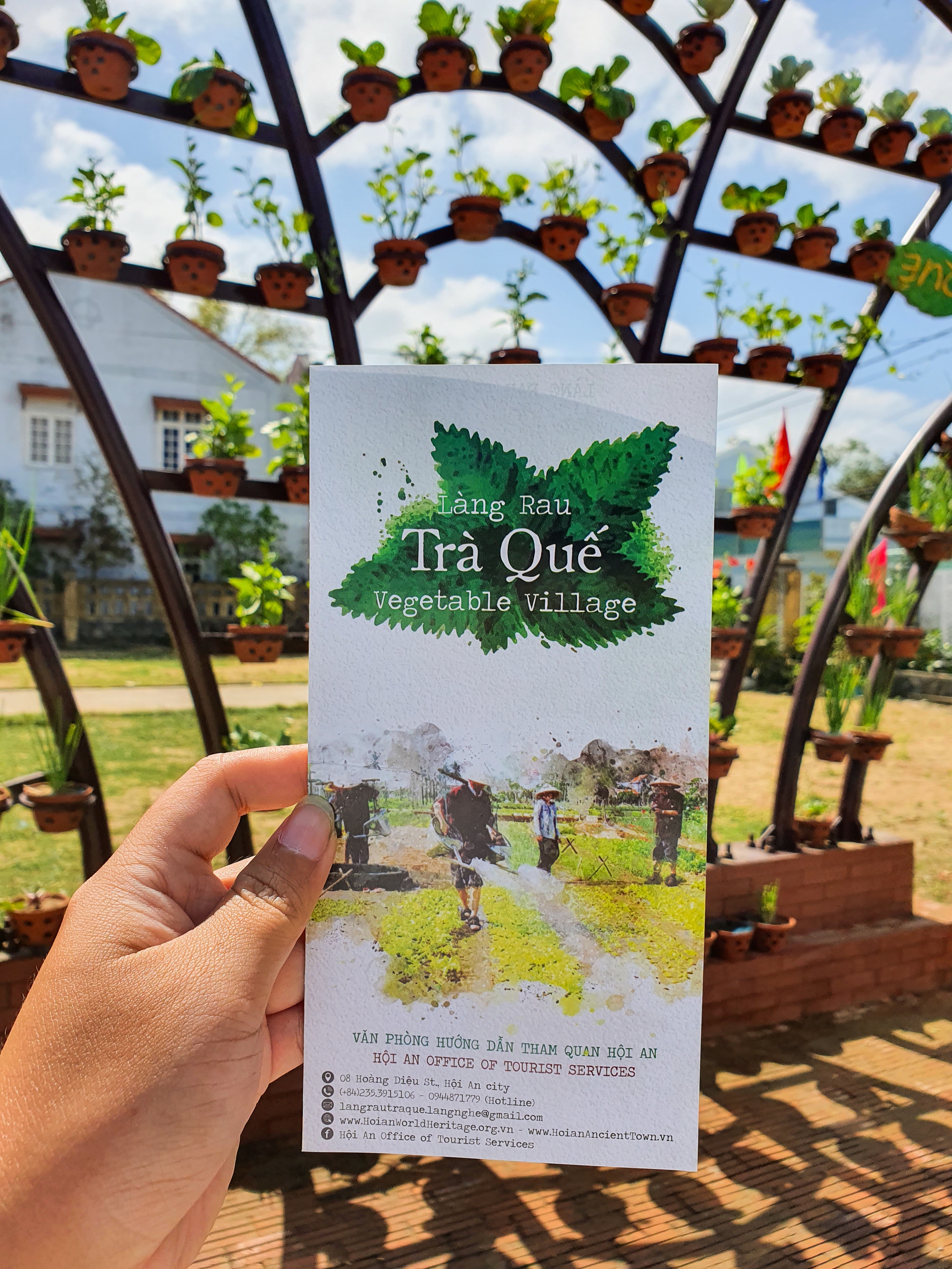
The city of Hoi An has implemented numerous policies to support the economic, social, and tourism development of Tra Que Vegetable Village. These policies focus on supporting: the development of traditional crafts, new production models, capital support, and improved seeds to facilitate farmers' reinvestment; developing community tourism, promoting the image of the craft village and Tra Que vegetable products to contribute to local economic development; and developing technology, digital transformation, expanding sales channels, and online payment methods.
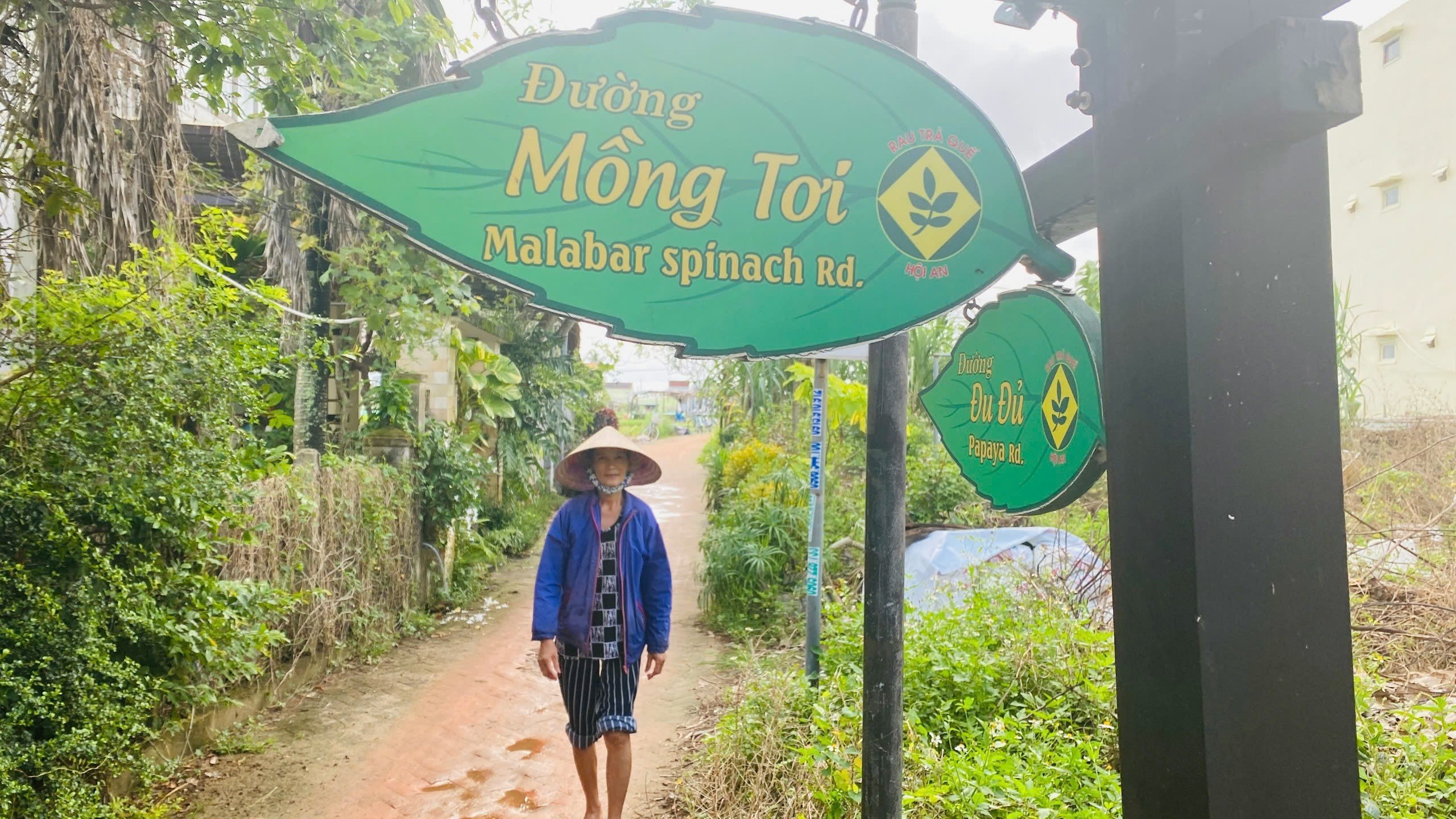
In addition, the city pays special attention to investing in many essential infrastructure items such as parking lots, roads, reception centers, rest stops, as well as opening training courses to improve tourism skills, foreign languages, and soft skills for the people in order to enhance the quality of service for tourists.
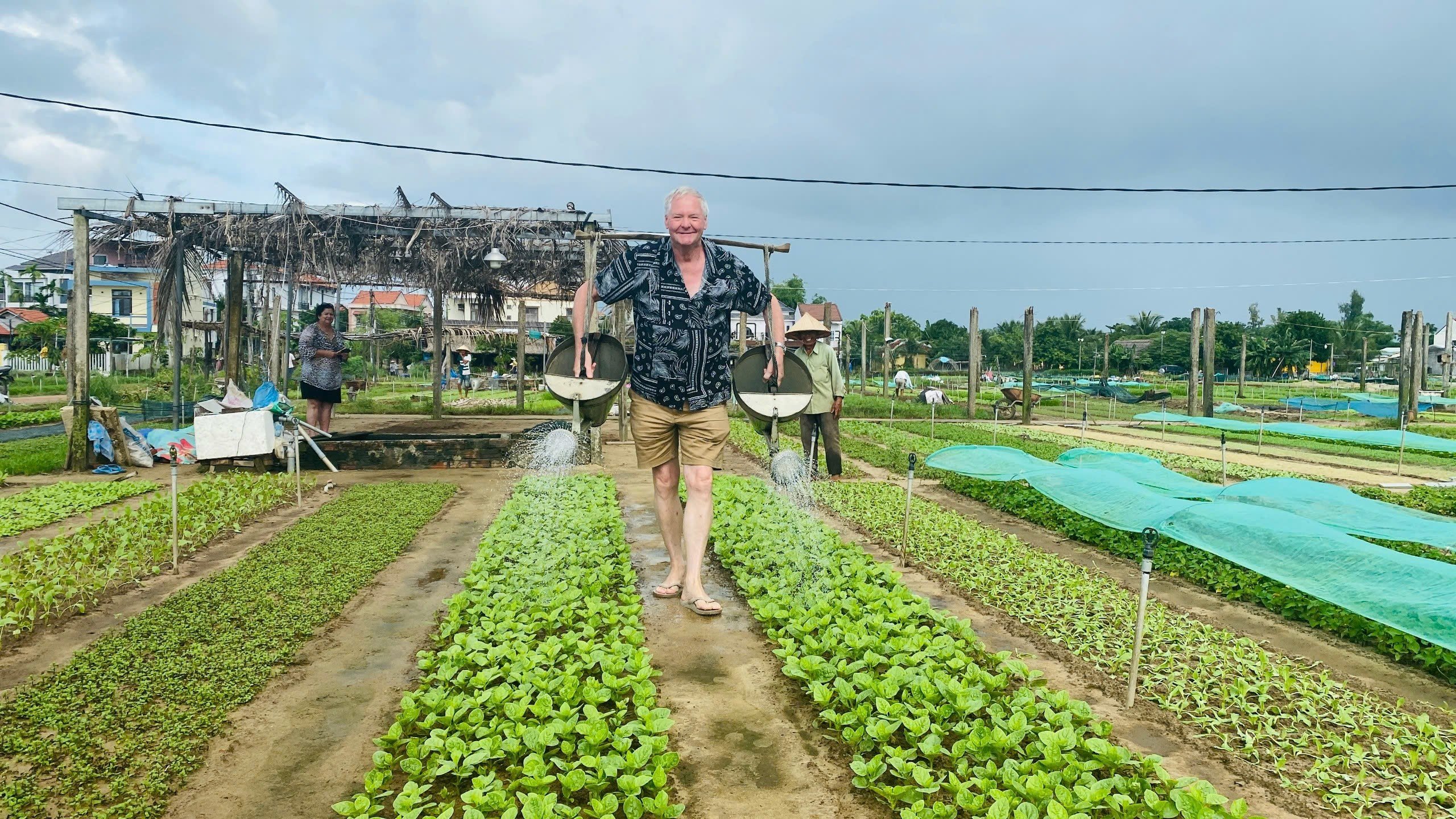
After evaluating over 260 applications from 60 countries, UN Tourism recognized the rich and outstanding cultural and natural resources of Tra Que Vegetable Village, along with the village's commitment and actions in adhering to the three main pillars of sustainable tourism development. Following the recommendation of the award jury, UN Tourism officially recognized Tra Que Vegetable Village as one of UN Tourism's Best Tourist Villages.
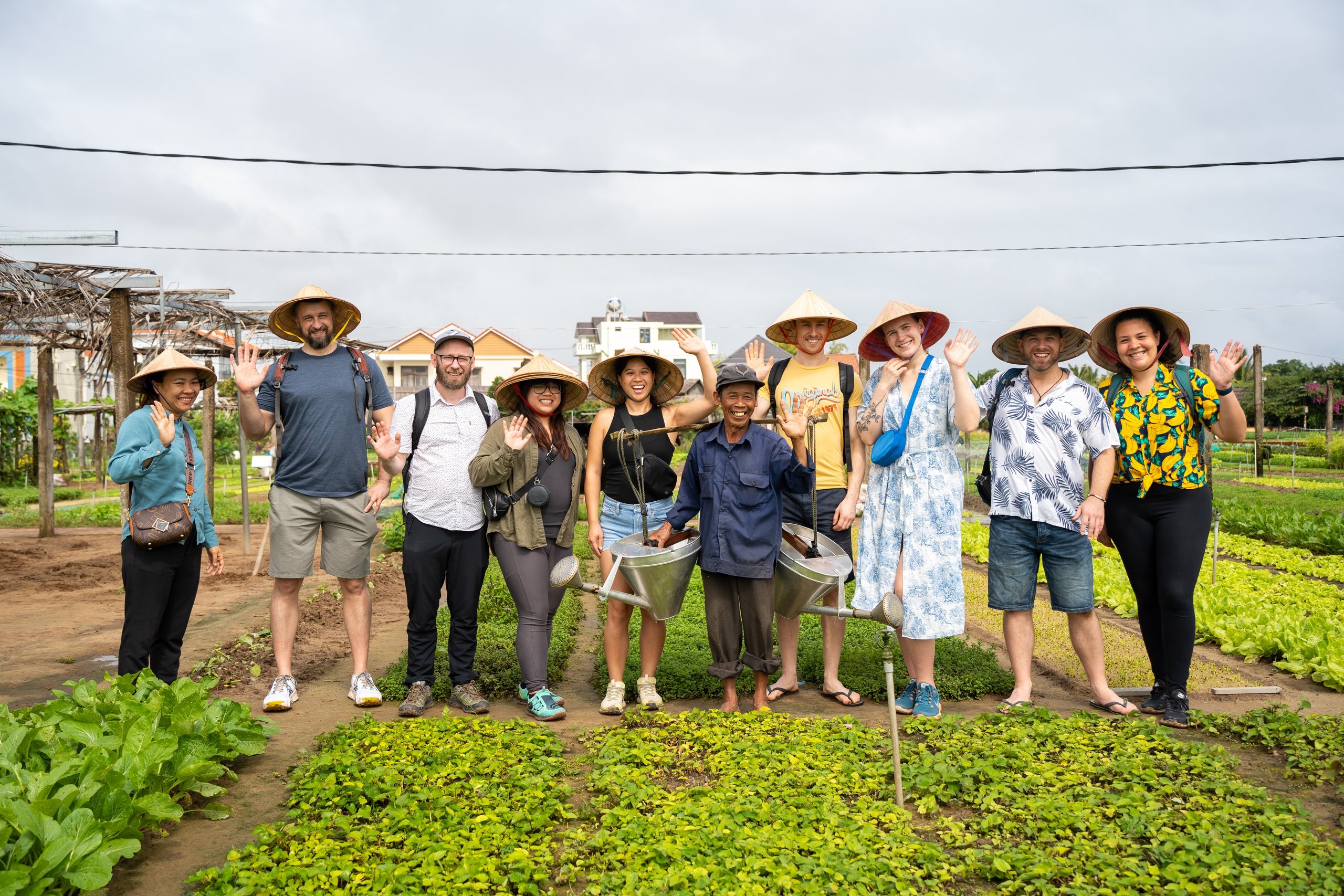
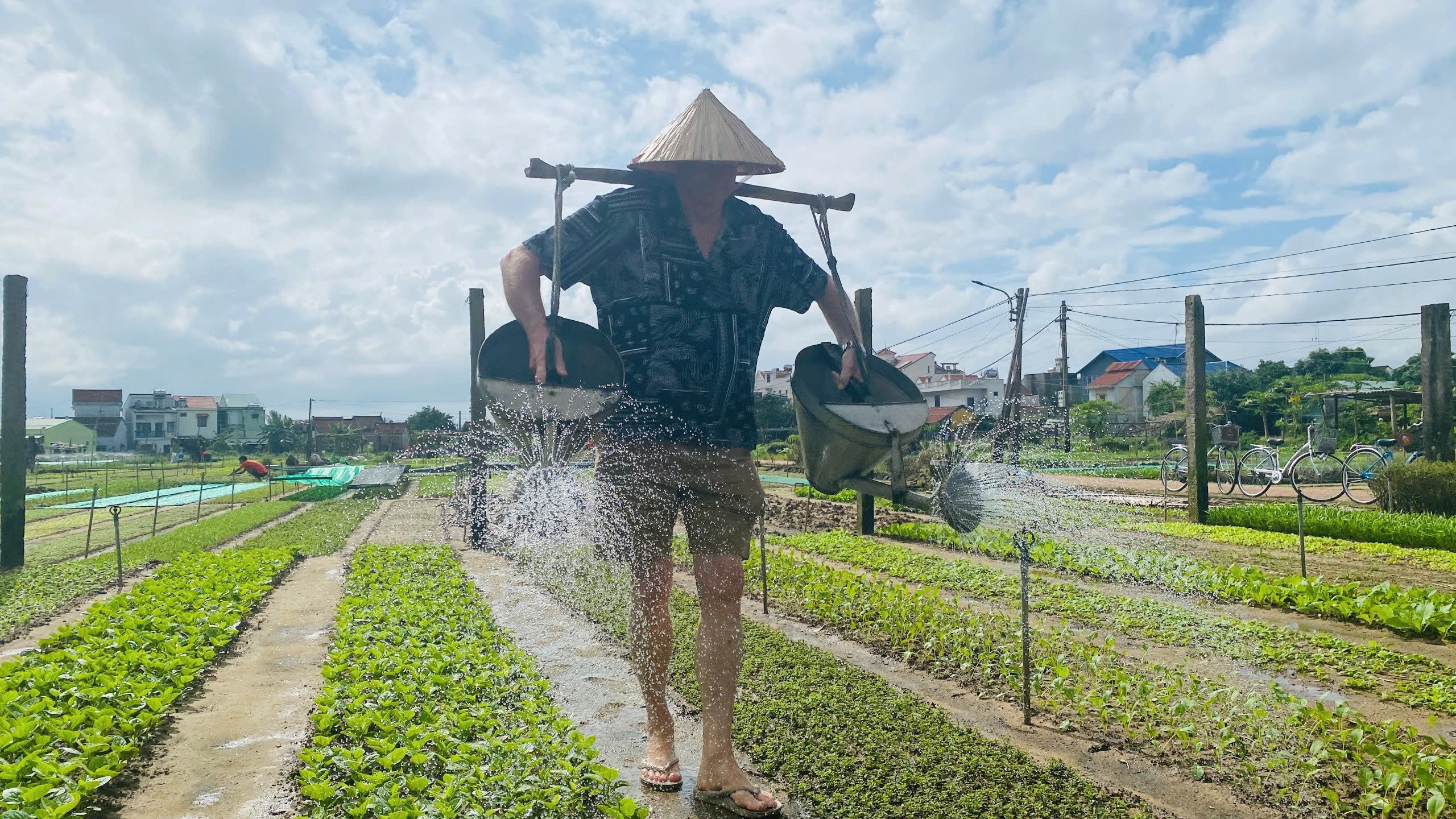
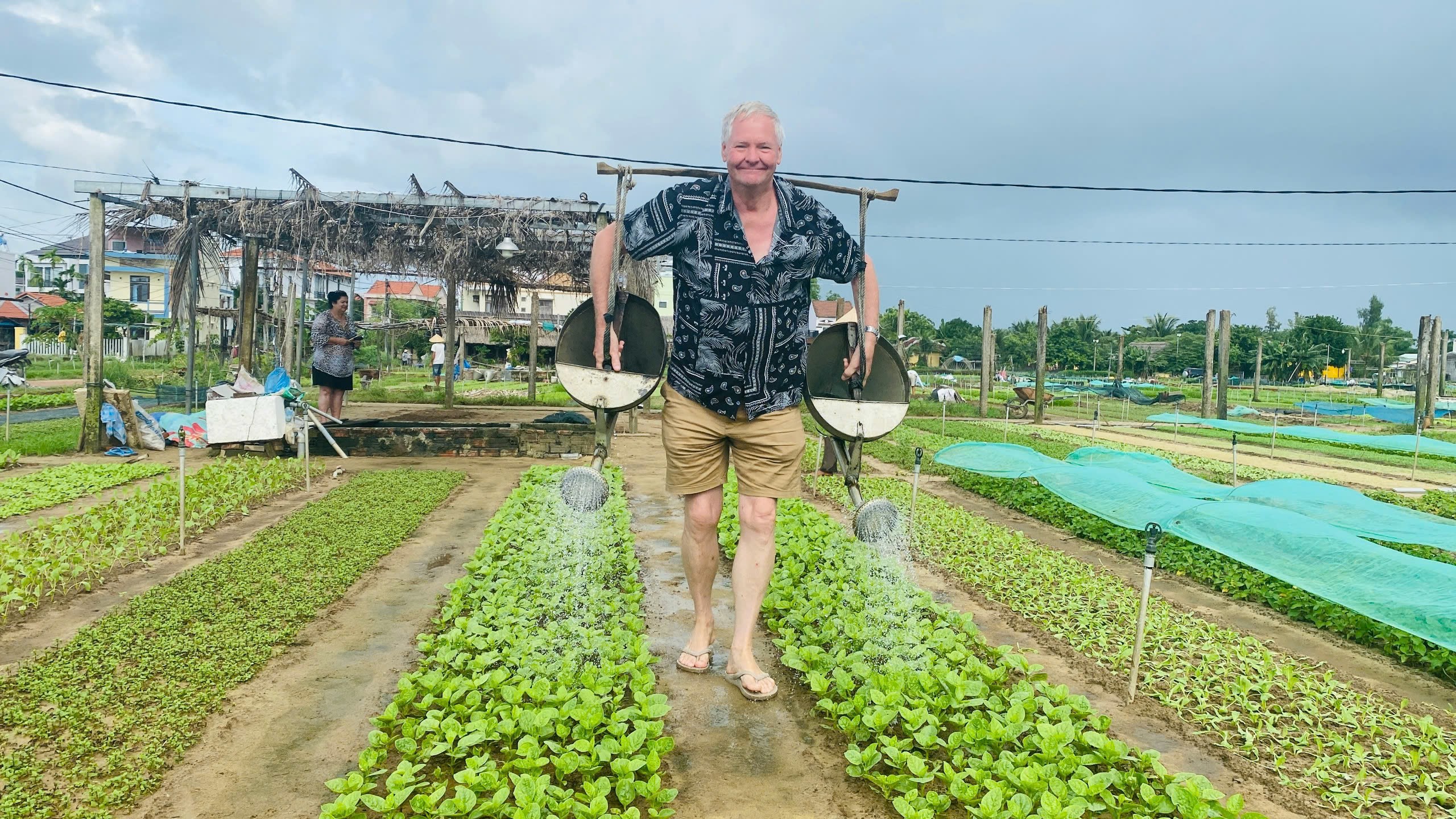
Foreign tourists enjoy the experiential activities at Tra Que Vegetable Village.
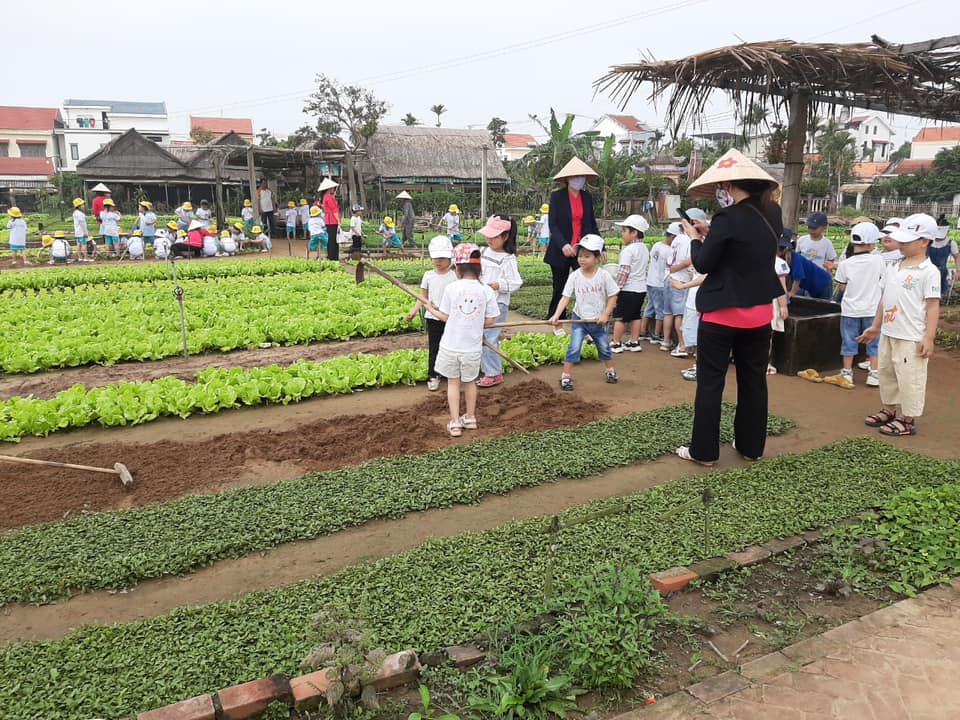
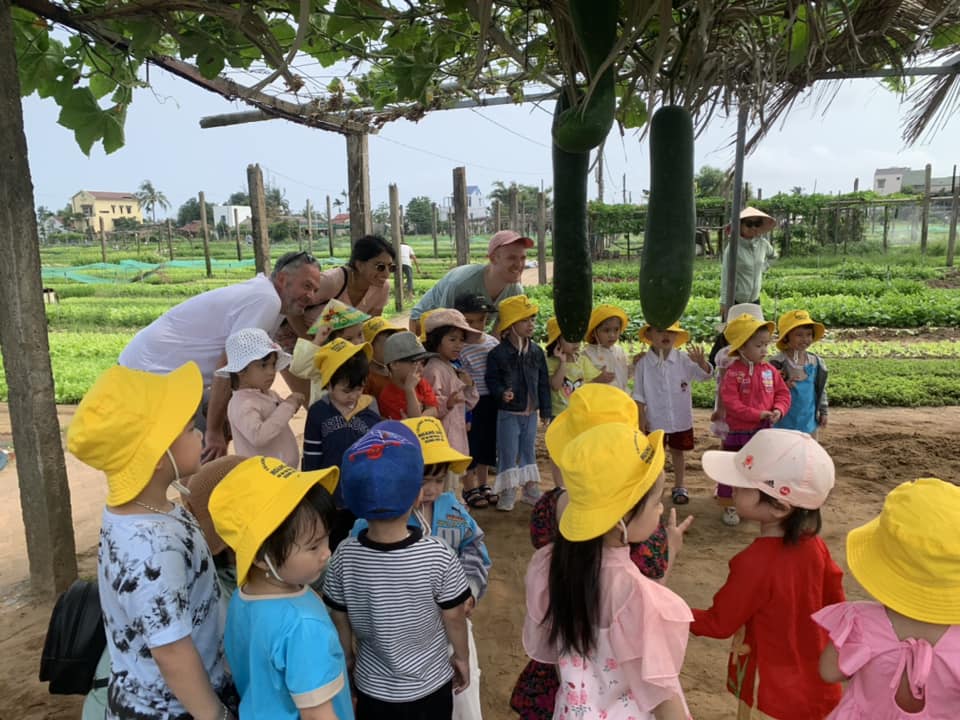
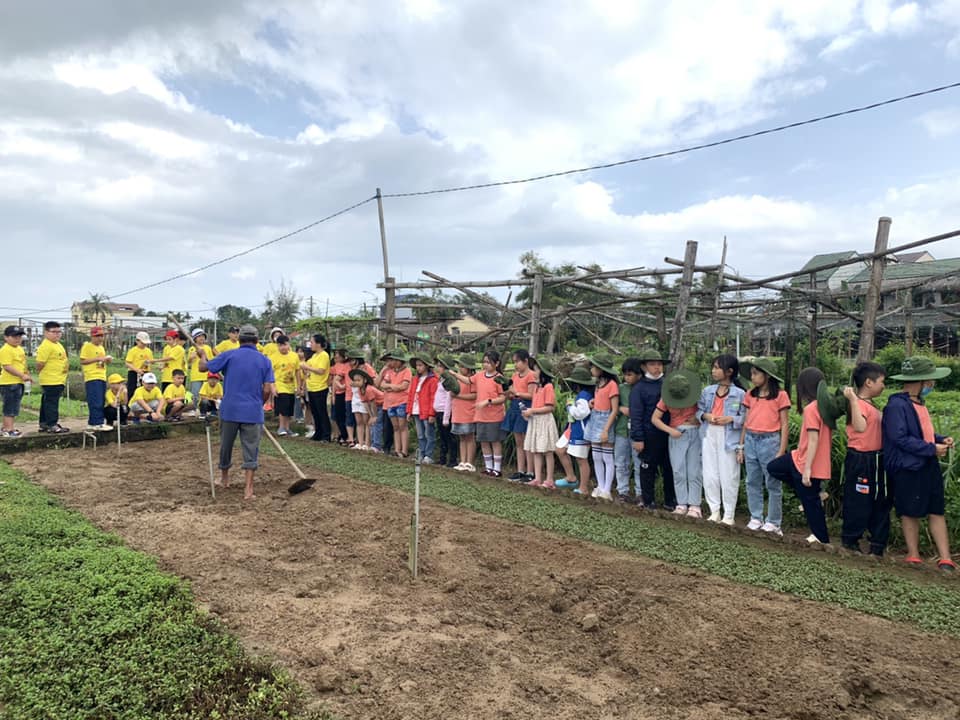
Students in Hoi An get to experience being farmers at Tra Que Vegetable Village.
Source: https://nld.com.vn/co-gi-hap-dan-o-tra-que-quang-nam-lang-du-lich-tot-nhat-the-gioi-196241116100202504.htm


![OCOP during Tet season: [Part 1] Ba Den custard apples in their 'golden season'](/_next/image?url=https%3A%2F%2Fvphoto.vietnam.vn%2Fthumb%2F402x226%2Fvietnam%2Fresource%2FIMAGE%2F2026%2F01%2F26%2F1769417540049_03-174213_554-154843.jpeg&w=3840&q=75)



Comment (0)