

Are land brokers becoming increasingly disregardful of regulations?
At a recent regular government press conference, Deputy Minister of Construction Nguyen Viet Hung stated that there is a situation where land brokers are inflating prices, causing chaos in the housing market. For example, at many land auctions in the outskirts of Hanoi, these individuals have artificially inflated prices to very high levels, then forfeited their deposits.
To control the market, Deputy Minister Nguyen Viet Hung stated that there are very clear legal regulations such as the Criminal Law, the Competition Law, the Land Law, and especially the 2023 Real Estate Law with many provisions prohibiting price manipulation and market disruption.
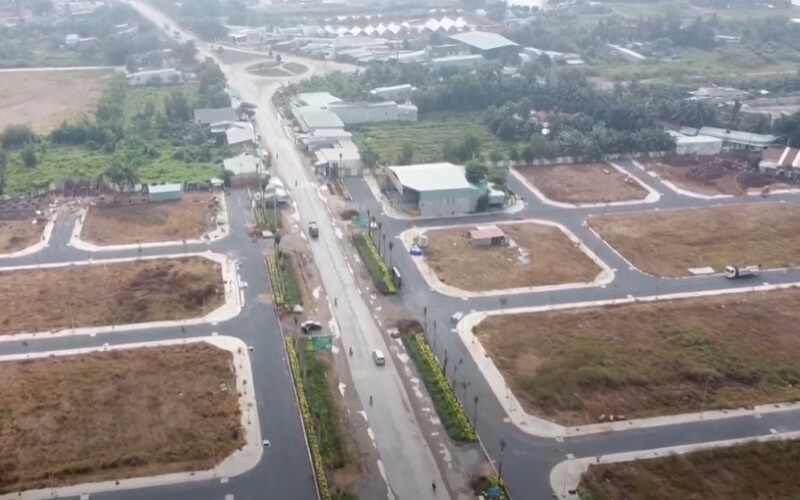
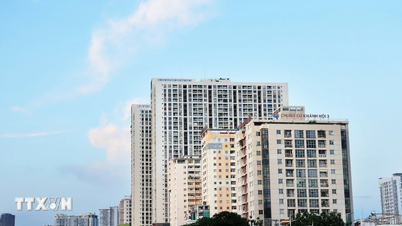
According to leaders of the Ministry of Construction, there is a situation where land brokers are inflating prices, causing chaos in the housing market. (Photo: ST)
At the same time, the Government , the Ministry of Construction, and local authorities have also issued their own regulations to prevent price manipulation and profiteering from real estate. However, it seems that current regulations have not completely resolved the issue of "land brokers" disrupting the market.
According to real estate expert Nguyen Trung Tuan, "Land brokers today are like a 'virus that has become resistant to medicine,' due to their many tricks and ways of circumventing the law."
For example, in land auctions, regulations state that "if the winning bidder fails to complete the transaction, they will forfeit their deposit." However, the deposit amount is very low and lacks sufficient deterrent effect.
Or, in the buying and selling of apartments, many "real estate brokers" create fake transactions to inflate apartment prices. However, it is very difficult to verify which agency will authenticate these transactions as fake, or whether they are simply "selling through illicit means." Therefore, with current regulations, it is difficult to completely resolve the issue of "real estate brokers" disrupting the market.
Some new proposals
Recently, the Ministry of Construction proposed that the Ministry of Finance jointly research and propose tax policies for individuals owning multiple houses/land plots; and also tax abandoned or unused real estate. The Ministry hopes this decision will help curb speculation and short-term trading that disrupts the market.
Many have also suggested taxing second properties to "cool down" housing prices. For years, the issue of taxing second properties has been discussed but has yet to be enacted. Currently, many continue to argue that this is not an effective measure.
Dr. Dinh The Hien, Director of the Institute for Applied Informatics and Economics Research, assessed that the proposal to tax second properties at the present time is completely inappropriate. This is because it would not only erode market confidence but could also drive up housing prices, depriving people of access to housing. More dangerously, it could backfire, leading to a vicious cycle of tightened spending and economic recession.
Mr. Hien analyzed: Over a long period, the real estate market has repeatedly faced shocks. Initially, there was the pandemic, international geopolitical difficulties, then tightened credit policies, and later a number of negative incidents. After many efforts, the market is beginning to recover but is still facing many challenges.
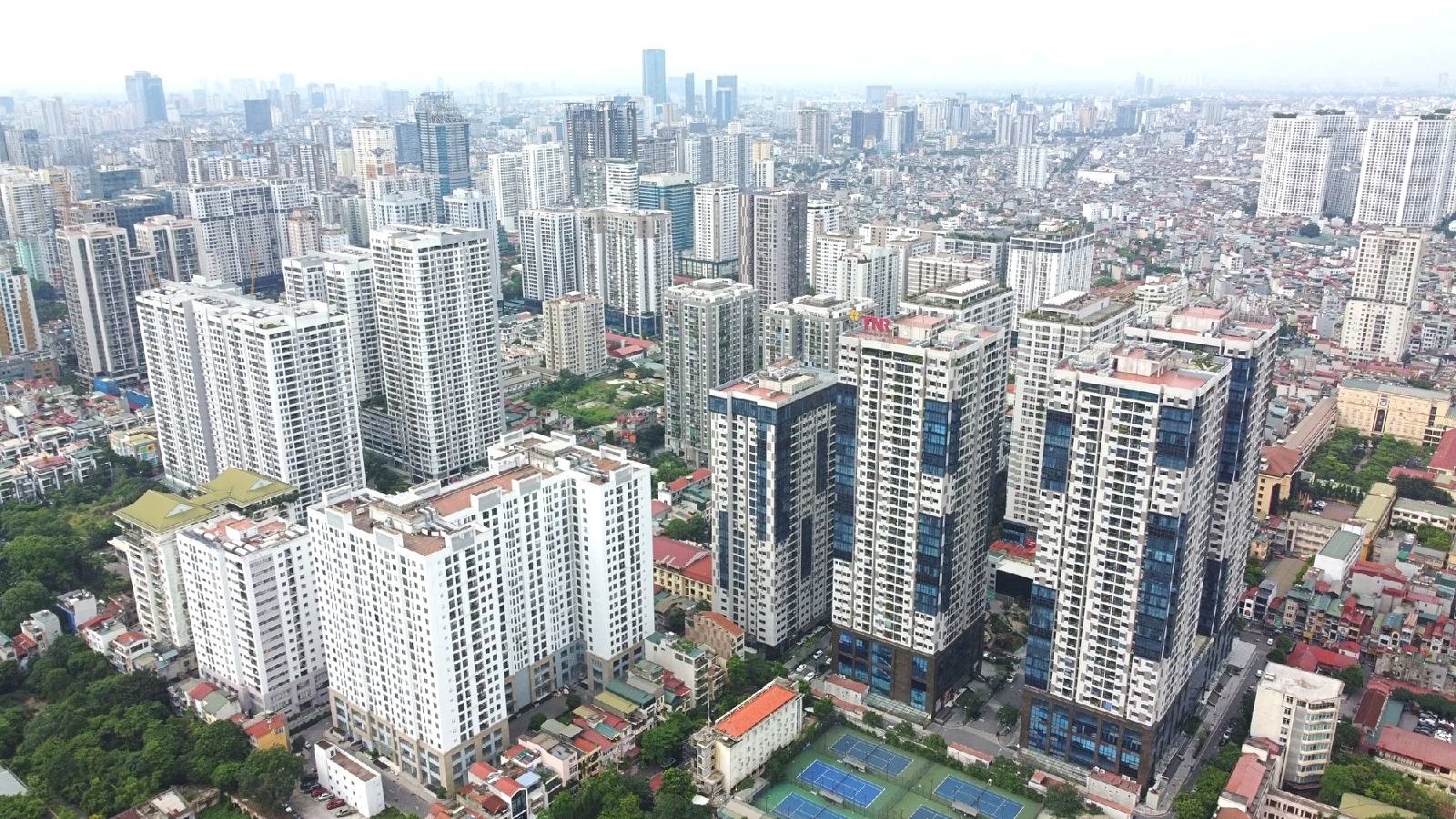
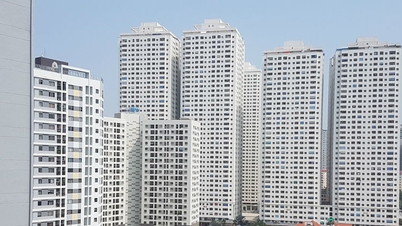
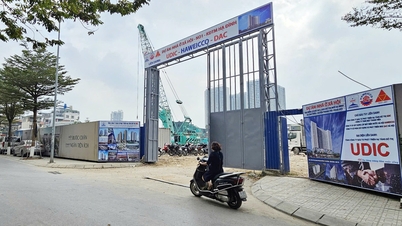
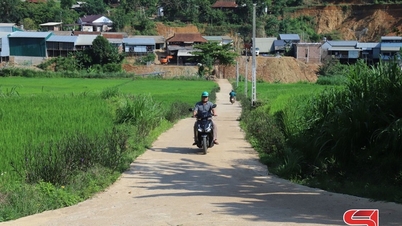
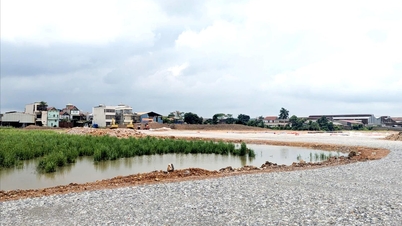
Illustrative image. (Source: ST)
The most important issue right now is to regain market confidence and avoid any new shocks or obstacles, such as adding another tax on real estate. In fact, Ho Chi Minh City recently proposed a new land price framework, but it immediately failed to gain public support.
Moreover, when people buy a piece of land, they already pay personal income tax and land tax in full, creating jobs for brokers, helping land sellers earn money, and injecting money back into the economy. When they build a house on that land, the investor contributes to the construction industry, helping to consume iron, steel, wood, and furniture. Therefore, it is inappropriate for them to bear more taxes.
Furthermore, real estate is not only a place to live but also plays a role as an input for economic activities. For example, for producers and businesses, in addition to their primary property such as factories and shops, they must also own or rent a second property for residence. Imposing a tax on this second property in this case would add an annual tax to the price of goods and services they sell, and ultimately, the consumer would bear the burden.
In addition to the above proposal, the Ministry of Construction has also just issued two documents requesting localities to strictly implement Prime Minister's Directive No. 82. These documents emphasize strengthening inspection and supervision of the implementation of legal regulations related to projects where developers and brokers are engaging in price manipulation and profiteering, and taking immediate preventive and corrective measures.
Continue to accelerate the progress of resolving administrative procedures related to investment, land clearance, and determining land use fees to ensure market revenue, reduce profiteering, especially in Hanoi and Ho Chi Minh City.
We propose that the Government assign the Ministry of Construction, in coordination with the Ministry of Natural Resources and Environment and other relevant ministries and agencies, to research and propose to the competent authorities for consideration the model of a State-managed real estate and land use rights transaction center to mitigate price risks.
Source: https://www.congluan.vn/co-dat-dang-nhon-quy-dinh-phap-luat-post315809.html























































































Comment (0)