

The 2024 Global Methane Emissions Forum, held in Geneva, Switzerland from March 18 to 21, is expected to continue making progress in addressing this climate-changing greenhouse gas emission issue.
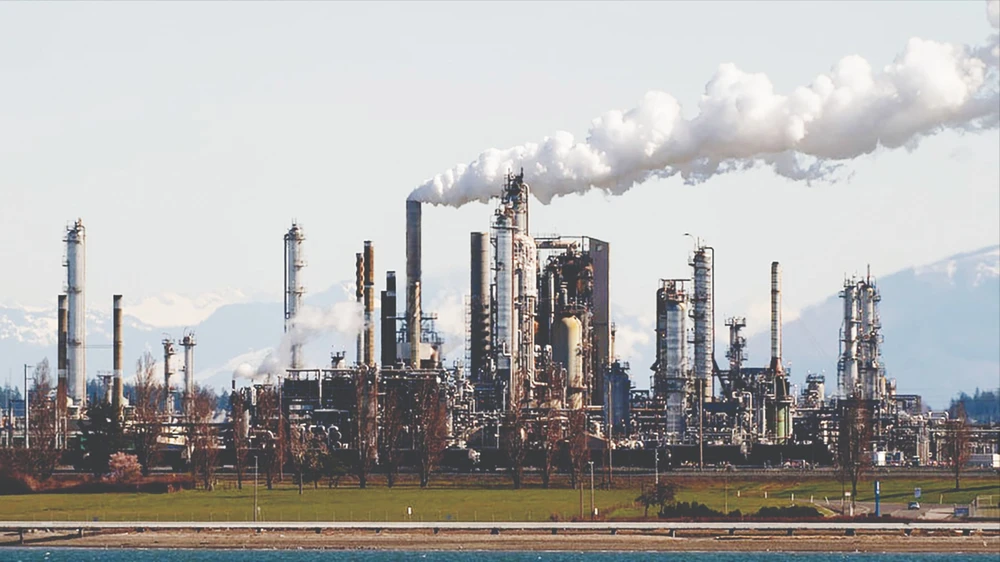
The forum was jointly organized by the Global Methane Initiative, the United Nations Economic Commission for Europe, the Global Methane Centre, and the Climate and Clean Air Alliance.
The forum brings together international policymakers, national leaders, project developers, financial institutions, scientists , researchers, and experts on climate change.
Over the three working days, delegates will participate in discussion sessions sharing information on technical, policy, financial, and regulatory issues related to methane policy and the development of methane utilization projects in power generation, as well as attracting and enhancing private sector participation in methane reduction in production activities.
The forum was held against the backdrop of methane emissions emerging as a leading threat to the global climate. The International Energy Agency affirmed that reducing methane emissions is essential to achieving international climate change goals.
In the long-running battle over climate change and its complex global impacts, CO2 has been placed at the center as the primary cause of global warming. However, in recent years, scientists have frequently compared the global warming effects of methane and CO2 over more than a century and found that methane is 28 times more harmful.
According to a recent study, methane has become 80 times more toxic over the past 20 years. The climate impact of methane is doubly concerning because the Earth is nearing the point where counter-climate cycles begin to perpetuate global warming.
According to the US Environmental Protection Agency website, China, Russia, India, Brazil, Indonesia, Nigeria, and Mexico emit nearly 50% of global methane. Currently, the US, the European Union, and many other countries have agreed to boost efforts to achieve the goal of reducing methane emissions by at least 30% by 2030, focusing on the oil and gas industries.
Compiled by THANH HANG
Source






























![[Photo] Reception to welcome General Secretary and President To Lam and his wife on their State visit to the Philippines](https://vphoto.vietnam.vn/thumb/1200x675/vietnam/resource/IMAGE/2026/06/01/1780295488620_vna-potal-chieu-dai-chao-mung-tong-bi-thu-chu-tich-nuoc-to-lam-va-phu-nhan-tham-cap-nha-nuoc-toi-philippines-8798060-7855-jpg.webp)





























































Comment (0)