

The number of people over 65 will double by 2043.
Citing data from the United Nations (UN), Japan's Nikkei newspaper reported that Southeast Asia (ASEAN) is aging rapidly. The proportion of people in the working age group is predicted to reverse its upward trend this year.
Worryingly, the population in Southeast Asia is aging rapidly, but the social security system is weak, and the pension rate is very low compared to developed countries.
The labor shortage in Southeast Asia is structural and therefore likely to persist. According to UN estimates, the proportion of people of working age in 11 countries in the region peaked at 68% in 2023. This peaked in Thailand much earlier, in 2013, and in Vietnam in 2014. In Indonesia, the most populous country in Southeast Asia and the fourth largest in the world (270 million people), this proportion is projected to peak in 2030.
Despite the early retirement age, only a quarter of the total working-age population (ages 15 to 64) will receive a pension. With a dwindling demographic, many countries are under pressure to strengthen their social safety nets to ensure the well-being of the elderly.
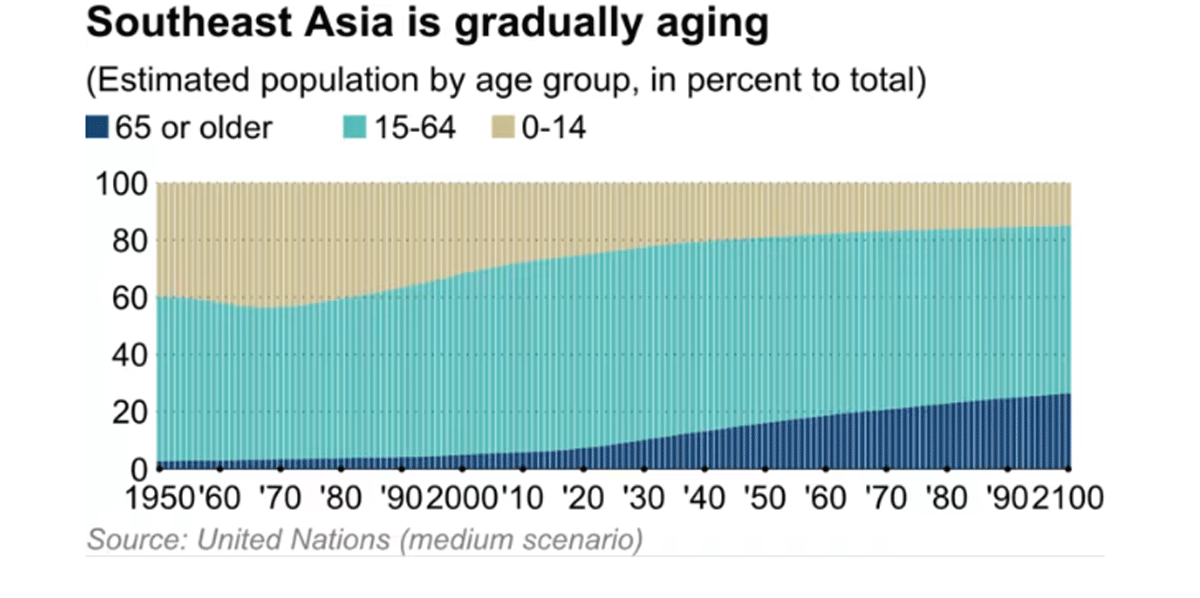
The proportion of people aged 65 and over in Southeast Asia exceeded 7% in 2019. This is the threshold for an “aging society.” This figure is projected to reach 14% by 2043, placing the region in the aging population category.
According to the Organization for Economic Cooperation and Development (OECD), in Indonesia and Vietnam, less than 30% of the working-age population receives a pension. Even in Singapore, this rate is below 60%, much lower than the OECD average of 87%. Furthermore, many Southeast Asian countries have early retirement ages – for example, 55 for the average worker in Thailand and Malaysia. Pension coverage rates in Thailand and the Philippines also hover around 40%.
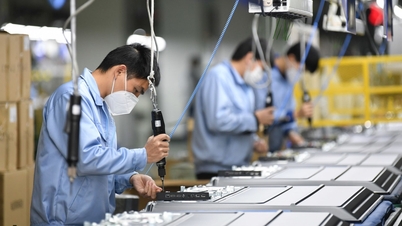
In addition, there are many warnings about a shortage of workers for low-paying jobs in urban areas around the world, including major cities in Vietnam and Indonesia, over the next decade.
This is not a far-fetched forecast. At the beginning of the year, according to the Ho Chi Minh City Center for Human Resource Demand Forecasting and Labor Market Information, Vietnam's largest city will face a shortage of approximately 320,000 workers in the new year of 2024.
A declining workforce could negatively impact economic activity.
With the rapidly aging population, labor shortages will be a major problem for the Vietnamese economy in the next 10-20 years. At that time, elderly people with low incomes may have to continue working low-paying jobs such as waiters or cleaners, as has happened in some other countries.

Opportunities in new jobs?
Previously, according to The Economist , in 2018, people over 60 years old in Vietnam accounted for 12% of the population. This figure is projected to increase to 21% by 2040. This is one of the fastest growth rates in the world.
There are many reasons, but one factor is the increase in life expectancy, from around 60 years in the 1970s to approximately 73 years now. The birth rate has also dropped from 7 to less than 2 children per woman.
Population aging is a phenomenon occurring in many countries. However, what sets it apart is that it is happening when Vietnam is still a poor country.
In South Korea and Japan, when the proportion of the working-age population peaked, GDP per capita reached approximately $32,000. In China, this figure was over $9,500. Meanwhile, in Vietnam, when the proportion of the working-age population peaked in 2014, GDP per capita was only slightly over $2,000.
Currently, the government provides support for the elderly, but only for those aged 80 and above. They are also considering lowering the retirement age to 75 for those without a pension or social insurance benefits. The allowance is also proposed to be increased to 500,000 VND per month from the state budget, instead of the current 360,000 VND, and free health insurance cards will be provided.

In rural areas, the number of elderly people without pensions is higher, and they often have to do manual, strenuous work until they are no longer healthy enough.
It is clear that, given current trends, in the next one to two decades, many elderly people from the 70s and 80s generations will have to continue working to make ends meet. Many will have to take on manual labor jobs such as waiters or domestic helpers.
However, in the era of Industry 4.0 and the digital economy, there may be less demanding jobs available for the elderly. These could include online sales, value-added jobs on social media platforms, and so on.
This is also a trend that many countries are interested in. A few years ago, Thailand established the Ministry of Digital Economy and Society, replacing the Ministry of Information and Communication Technology, to plan, develop, and implement activities related to the digital economy.
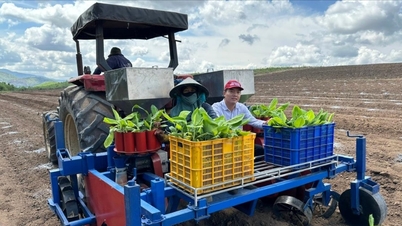
Vietnam has one of the highest rates of high-speed internet and mobile phone usage in the world. In recent years, rural residents have also learned to apply science and technology to agricultural production and sell their products online throughout the country and internationally.

Source
![[Image] Vietnam's colorful journey of innovation](/_next/image?url=https%3A%2F%2Fvphoto.vietnam.vn%2Fthumb%2F1200x675%2Fvietnam%2Fresource%2FIMAGE%2F2025%2F12%2F14%2F1765703036409_image-1.jpeg&w=3840&q=75)

































































![[Image] Vietnam's colorful journey of innovation](https://vphoto.vietnam.vn/thumb/402x226/vietnam/resource/IMAGE/2025/12/14/1765703036409_image-1.jpeg)
































Comment (0)