


SGGP
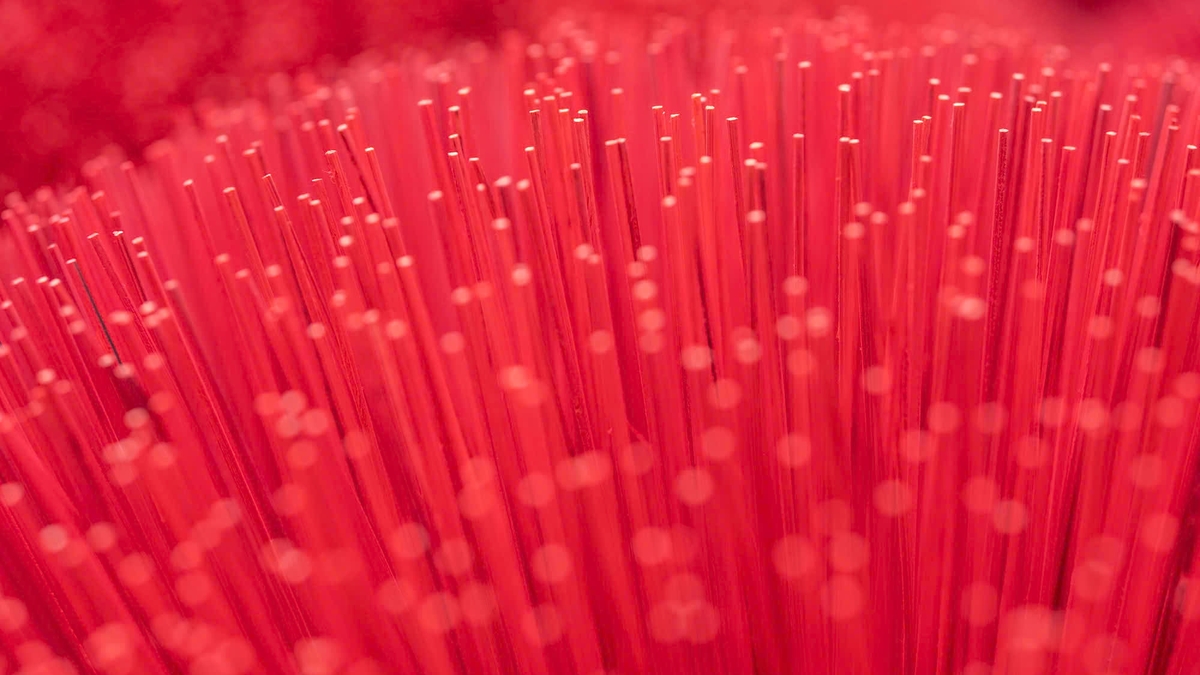
Each year, approximately 6 million tons of used coffee grounds (pictured) are discarded, the majority of which end up in landfills.
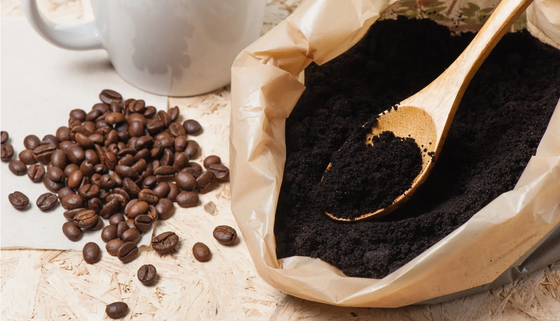 |
Researchers at the University of Texas El Paso (UTEP) have begun creating caffeic-acid carbon quantum dots (CACQDs) from soil (derived from coffee grounds) that have the potential to protect brain cells, laying the groundwork for treatments of non-hereditary neurodegenerative diseases.
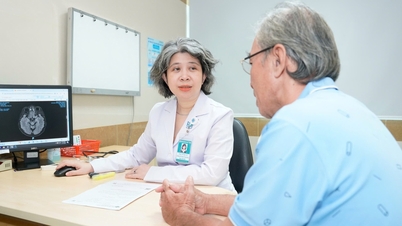
Jyotish Kumar, the lead researcher, said: “Caffeic acid-based carbon quantum dots have the potential to treat neurodegenerative disorders. Our goal is to find a cure by addressing the atomic and molecular foundations that drive these capabilities.”
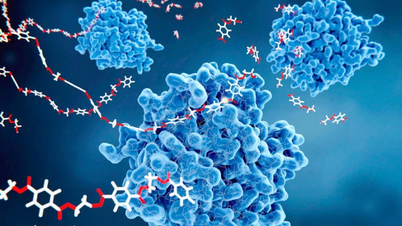
Researchers discovered that CACQD eliminates free radicals or prevents them from causing harm, while also inhibiting the synthesis of amyloid proteins. Importantly, CACQD does not cause side effects that affect cells.
Source


![[Photo] Walking amidst the coffee blossoms in the Central Highlands](https://vphoto.vietnam.vn/thumb/1200x675/vietnam/resource/IMAGE/2026/02/22/1771736214034_ndo_bl_img-3460-8365-jpg.webp)






















































































Comment (0)