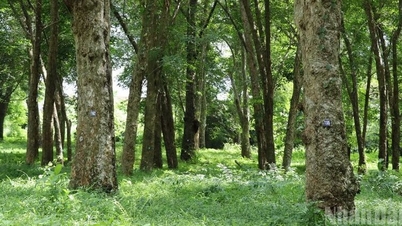
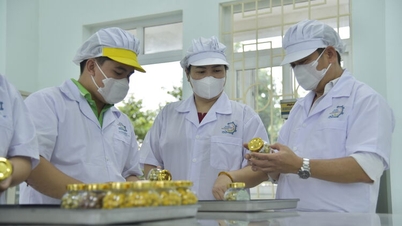
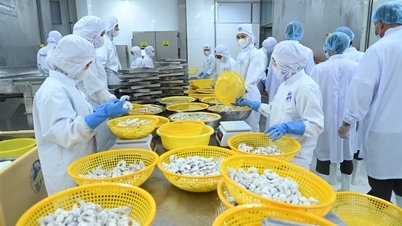
Vietnam has a tradition of valuing education, possesses a diverse system of historical and cultural relics and heritage sites, along with a rich ecosystem of national parks and nature reserves. These are favorable conditions for developing educational tourism products. The growth of studying abroad and student exchange programs further opens up opportunities for a more vibrant educational tourism market.
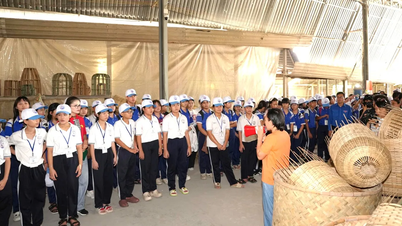
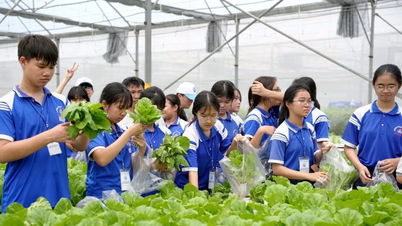
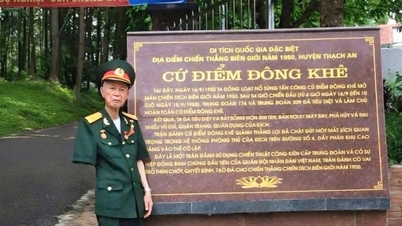
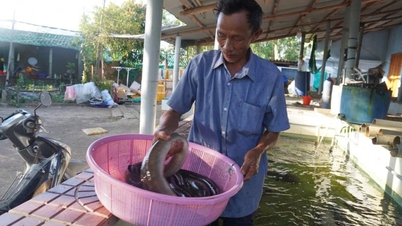
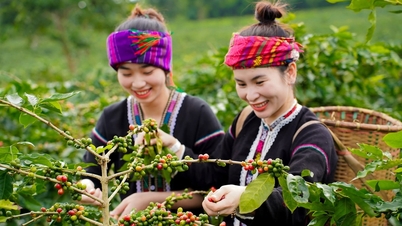
In recent years, many educational tourism products have been implemented by training institutions and tourism businesses, such as tours experiencing traditional craft villages, agricultural and ecological tourism at farms; and studying history and culture at museums and historical sites. However, the development of this type of tourism still has many limitations. Educational tours are still organized based on market promotion and supply, rather than stemming from the actual needs of participants.
Educational tourism products are largely spontaneous and lack systematic research and investment, leading to a focus on entertainment rather than academic value. Many destinations lack diversity and supporting services, causing tourists to become bored and not stay long. Educational tourism in Vietnam is currently focused on quantity rather than quality. Duplication of content at various destinations is common.



To ensure the in-depth and sustainable development of educational tourism, thorough market research and understanding of the aspirations of target tourists are necessary to create suitable products, especially in a context where personalization and creativity are increasingly valued. According to experts, developing this type of tourism requires collaboration between educational institutions and tourism businesses to design programs that both meet learning needs and are rich in creativity with diverse activities.
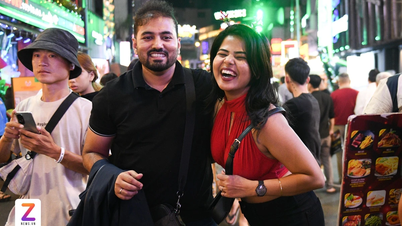
Currently, in addition to its strong natural and cultural resources, Vietnam is also highly regarded for its security, safety, and competitive cost of living. This creates favorable conditions for Vietnam's tourism industry to attract international visitors to participate in educational tourism programs.
To attract international students and employees of multinational companies, tourism businesses can collaborate with foreign companies, organizations, and institutions that provide study abroad consulting services in Vietnam, especially by leveraging licensed and reputable international joint training programs.



Experts emphasize that enhancing the experiential element in educational tourism products is the "key" to attracting tourists. It is necessary to increase practical and interactive activities during the trip, apply creative learning methods such as games, storytelling, and technology to enhance the experience. Educational tourism will become more vibrant and attractive, contributing to the sustainable development of Vietnamese tourism.
![[Photo] "Hanoi Lotus Festival" honors the lotus flower that has been associated with Vietnam for thousands of years.](https://vphoto.vietnam.vn/thumb/1200x675/vietnam/resource/IMAGE/2026/06/27/1782516943048_sen-ha-noi-2026-minh-duy-1-jpg.webp)































![[Photo] A phone-free summer afternoon at the village library](https://vphoto.vietnam.vn/thumb/402x226/vietnam/resource/IMAGE/2026/06/27/1782551770949_anh-1-jpg.webp)


















![[Infographic] 16 fireworks display locations to celebrate the 50th anniversary of Ho Chi Minh City being honored with the name of President Ho Chi Minh](https://vphoto.vietnam.vn/thumb/402x226/vietnam/resource/IMAGE/2026/06/27/1782539591308_man-ban-phao-hoa-ruc-ro-dem-khai-mac-638jpg-17242995540161175940469.jpeg)