

GĐXH - Eating at irregular times, consuming many different dishes, drinking alcohol, and traveling frequently are some of the reasons why people are more likely to get sick during Tet (Lunar New Year).
After the long Tet holiday with its disruptions to daily routines, eating habits, and rest patterns... In particular, the frequent consumption of foods high in fat and sugar, low in fiber, and excessive consumption of alcohol, beer, and sugary soft drinks... can increase the risk of certain diseases after Tet.
To have a happy and healthy Lunar New Year, pay attention to protecting yourself and your loved ones from some common illnesses:

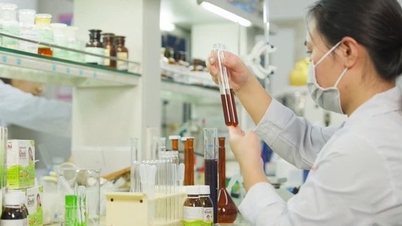
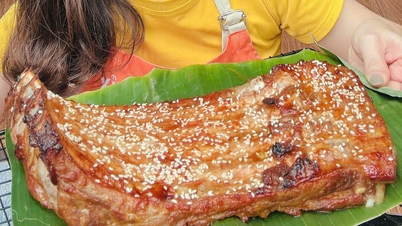
Illustration photo
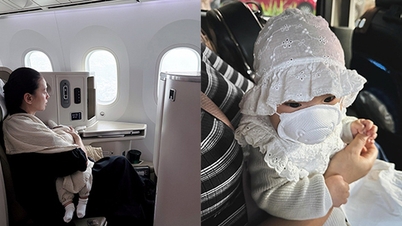
Be wary of 8 common illnesses during Tet holiday.
Respiratory tract infection
During Tet (Vietnamese New Year), the temperature in Northern Vietnam is usually cold and humid, creating favorable conditions for harmful bacteria to thrive and spread through the respiratory tract, causing illnesses such as colds, rhinitis, pharyngitis, and sinusitis.
To prevent acute respiratory infections, it's important to keep your body warm, especially your feet, hands, chest, neck, and head, when the weather turns cold. At the same time, try to avoid contact with people showing signs of infectious diseases and limit visits to crowded places.
Diarrhea
During Tet (Vietnamese New Year), there is often a lot of leftover food after each meal. If these dishes are not stored properly in the refrigerator or are left for too long, they are easily contaminated by bacteria or spoil. Eating them can cause prolonged diarrhea.
To prevent diarrhea, you need to eat nutritious foods to boost your immune system. You should limit leftover food and remember to wash your hands frequently with soap before eating and drinking.
Food poisoning
Uncontrolled eating habits during the Lunar New Year holiday, along with the consumption of processed foods, contaminated food, and food that does not meet food safety and hygiene standards, are factors that increase the risk of food poisoning.
Therefore, careful selection is necessary before buying food, and it's especially important to limit consumption of raw dishes like sashimi, raw fish salad, or rare meats such as rare beef pho or beefsteak.
Constipation
Besides diarrhea, constipation is also a common problem for many people during Tet (Lunar New Year). The causes of constipation include excessive consumption of high-protein foods, low-fiber foods, sweets, sugary drinks, and insufficient water intake.
In addition, an unhealthy lifestyle and lack of exercise further increase the risk of constipation.
Gastritis
Drinking excessive amounts of alcohol, using stimulants like coffee, or eating a lot of spicy food can put you at risk of acute gastritis. Mild cases may present with symptoms such as: gnawing abdominal pain, burning sensation in the upper abdomen, belching, heartburn, or nausea and vomiting.
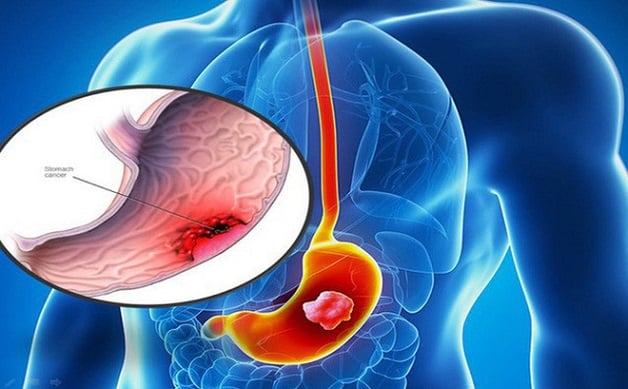
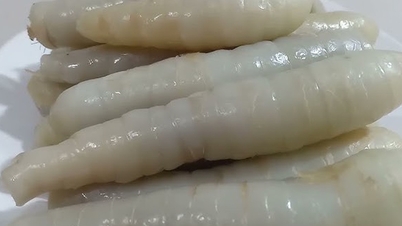
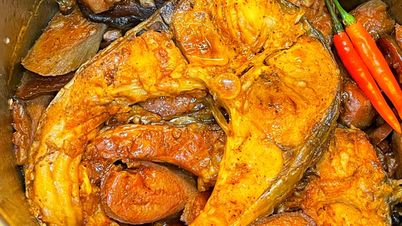
Illustration photo
Increased liver enzymes
In the period after the Lunar New Year, the number of people with elevated liver enzymes increases, especially men. If not detected and treated promptly, elevated liver enzymes can lead to other dangerous liver diseases such as hepatitis, fatty liver disease, cirrhosis, etc. Therefore, regular liver check-ups, especially after the Lunar New Year, are absolutely necessary, particularly for people with diabetes, overweight or obese individuals, and those with a family history of liver diseases.
High blood fat
This condition is common in people with high-fat diets or those with family members who also have high blood cholesterol. In addition, people with diabetes, obesity, or the elderly are at a higher than normal risk of having high blood cholesterol.
In particular, stimulants, alcoholic beverages such as wine and beer, tobacco, and a diet consistently high in fatty foods also significantly increase the likelihood of having high blood cholesterol.
Diabetes
The Lunar New Year holiday is a time when daily routines are disrupted, significantly impacting blood sugar and blood lipid levels, particularly causing post-meal hyperglycemia and increasing the risk of atherosclerosis.
Most diabetic patients, 50-70% of whom have cardiovascular complications, will not have their blood sugar controlled without proper diet and treatment, leading to many dangerous complications.
Source: https://giadinh.suckhoedoisong.vn/canh-giac-voi-nhung-benh-thuong-gap-trong-diptet-nguyen-dan-172250126223920629.htm
![[Photo] Explore the US Navy's USS Robert Smalls warship](/_next/image?url=https%3A%2F%2Fvphoto.vietnam.vn%2Fthumb%2F1200x675%2Fvietnam%2Fresource%2FIMAGE%2F2025%2F12%2F10%2F1765341533272_11212121-8303-jpg.webp&w=3840&q=75)
![[Photo] The captivating scenery of the fragrant maple forest in Quang Tri](/_next/image?url=https%3A%2F%2Fvphoto.vietnam.vn%2Fthumb%2F1200x675%2Fvietnam%2Fresource%2FIMAGE%2F2025%2F12%2F10%2F1765353233198_lan09046-jpg.webp&w=3840&q=75)














![[Video] The craft of making Dong Ho folk paintings has been inscribed by UNESCO on the List of Crafts in Need of Urgent Safeguarding.](https://vphoto.vietnam.vn/thumb/402x226/vietnam/resource/IMAGE/2025/12/10/1765350246533_tranh-dong-ho-734-jpg.webp)























































Comment (0)