

According to statistics from the Ministry of Health , after the COVID-19 outbreak, nearly 10,000 healthcare workers resigned or transferred to other positions. One of the main reasons for this large number of resignations is the extremely low income compared to the cost of living.
15,000 VND for food is no longer appropriate.
According to Mr. Nguyen Tri Thuc, Deputy Minister of Health and Director of Cho Ray Hospital (Ho Chi Minh City), Decision No. 73/2011/QD-TTg dated December 28, 2011, of the Prime Minister stipulates the allowances for civil servants, public employees, and workers in public health facilities and the epidemic prevention and control regime, including: on-call allowance, surgical and procedural allowance, epidemic control allowance, and meal support. After many years of application, with the current socio -economic situation and living standards, the applied allowance levels are no longer appropriate and need to be adjusted to be commensurate with the workload.
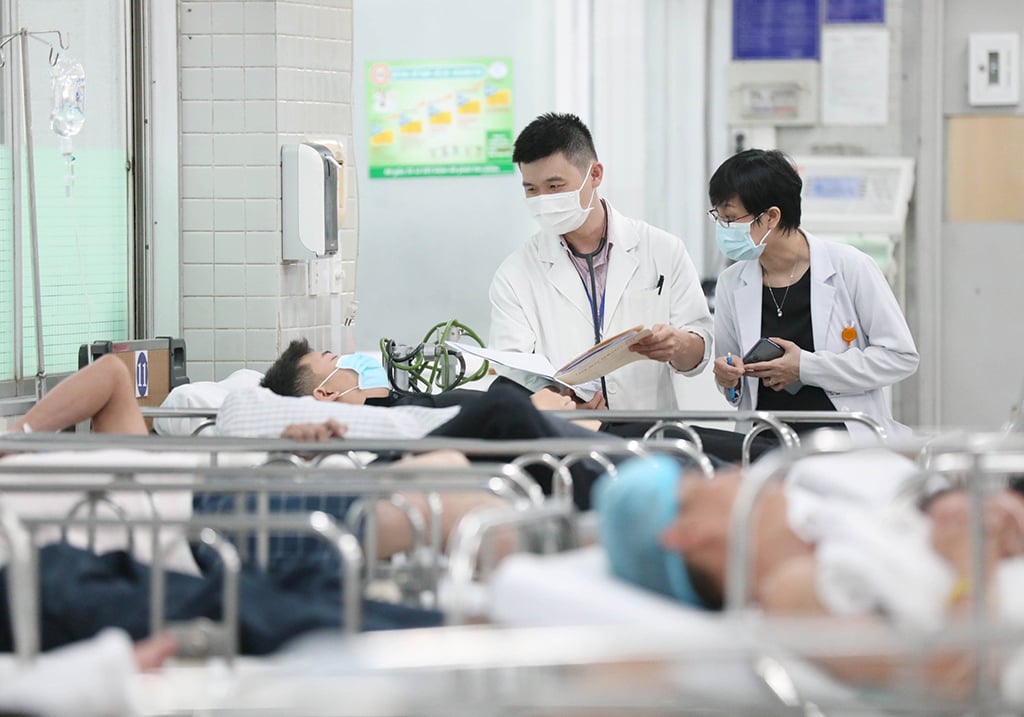
Some National Assembly deputies believe that the salary and allowance policies for doctors and medical staff need to be improved.
For example, the 24/7 on-call allowance is 115,000 VND/person/shift, and the meal allowance is 15,000 VND/person/shift for hospitals of category 1 and special category. This is too low and no longer appropriate given the current cost of living. It needs to be increased to allow workers, especially those in the healthcare sector, to recover their energy.
Similarly, the current surgical allowance for the lead surgeon for special surgeries is 280,000 VND/case, while for type 1 surgeries it is 125,000 VND/case, which is no longer appropriate. A typical special surgery lasts 4-6 hours, sometimes even over 8 hours, but the total allowance is only 1.48 million VND for a surgical team of 7 people, with the lead surgeon receiving 280,000 VND/case. Such an allowance is truly disproportionate to the doctors' labor.
If hospitals don't "retain" good doctors in public hospitals , poor patients will suffer.
The Ministry of Health is developing a proposal to increase allowances for surgical procedures, on-call duty, and meals for healthcare workers, in line with current inflation and consumer price index increases. This proposal will replace the allowance levels issued in 2011 and is expected to be implemented in 2024.
In addition, the Ministry of Health is amending and supplementing Decision No. 73 on regulating some specific allowances for civil servants, public employees, and workers in public health facilities and allowances for epidemic control. The amendments and supplements include: increasing allowances for surgery and procedures; increasing on-call and meal allowances for medical staff to reflect current inflation and consumer prices.
Sharing more about professional allowances, a director of a surgical hospital in Hanoi said that the current allowance for surgeons is 150,000 VND per case, regardless of whether it's a common surgery or a major operation. "Saving lives is priceless; we shouldn't discuss the 'price' of life. However, it's necessary to ensure that doctors in public hospitals have a suitable income to cover their living expenses, support their families, and pay for their children's education," he said.
"The healthcare sector is proposing an adjustment to allowances; I'm not sure by how much, compared to the allowances that have been in place for a long time. But I think that if anyone is still debating how much more money should be added for a doctor or healthcare worker, they should think about the time when they or their loved ones need medical treatment and care. Therefore, they should make a decision, instead of debating further," a doctor shared.
This doctor stated: "It's true that many doctors from public hospitals have moved to private hospitals with much higher salaries. But don't discriminate against them, don't call it brain drain, because they do their jobs well everywhere. Doctors everywhere practice their profession with their professional skills. However, the issue to consider is that good doctors moving to private hospitals is only for the wealthy, while patients with health insurance and poor patients have fewer opportunities to receive treatment from skilled doctors. Therefore, if we don't 'retain' good doctors in public hospitals, poor patients will be at a greater disadvantage."
WAGE AND ALLOWANCE POLICIES NEED TO BE ADJUSTED AND IMPROVED
Sharing her perspective on the inadequacies of doctors' salaries and allowances, National Assembly representative Le Thi Ngoc Linh (Bac Lieu delegation) analyzed: Medical training typically takes a longer time, usually 6 years, sometimes up to 7 years, and the training costs are very high. However, upon graduation, doctors receive very low salaries, especially those working at the provincial and district levels, where salaries are even lower. Because of this, many doctors, after graduation, do not work at provincial hospitals but stay in cities for higher incomes. This leads to a shortage of personnel at the provincial and district levels, causing difficulties in providing medical care at these levels and affecting the public.
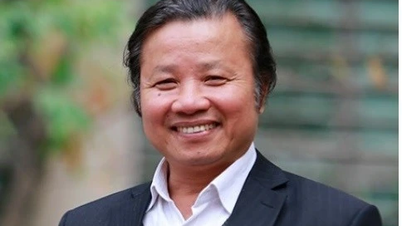
A doctor in Hanoi
Therefore, the salary and allowance policies for doctors and medical staff need to be improved. This will help attract young, skilled doctors and medical staff to work at provincial and district levels. When the diagnostic and treatment capacity of provincial and district levels is improved with a skilled workforce, it will reduce the number of patients who need to go to higher-level facilities for examination and treatment. This will ensure better healthcare for the people, support and encourage people to participate in health insurance, and attract skilled doctors and medical staff to provincial and district levels.
Currently, the National Assembly and the Government are very concerned about teachers' salaries, stipulating that teachers' salaries are ranked at the highest level in the salary scale system for administrative and public service units. The medical field is also very important, because while teachers educate people, doctors and medical staff treat people. These are two very important fields that go hand in hand. Therefore, if possible, it is suggested that the National Assembly and the Government should consider the salary and allowance system for doctors and medical staff as well as teachers so that they can feel secure in their work of treating people and contributing to society.
Given the reality of "expensive" medical training costs, National Assembly representative Nguyen Cong Hoang (Thai Nguyen delegation), Director of Thai Nguyen Central Hospital, stated that tuition fees for medical training are currently very high, especially at autonomous training institutions that determine their own tuition rates. Tuition fees for medical training are significantly higher compared to other universities and vocational schools. Furthermore, medical training is longer, and graduates still need to continue their studies.
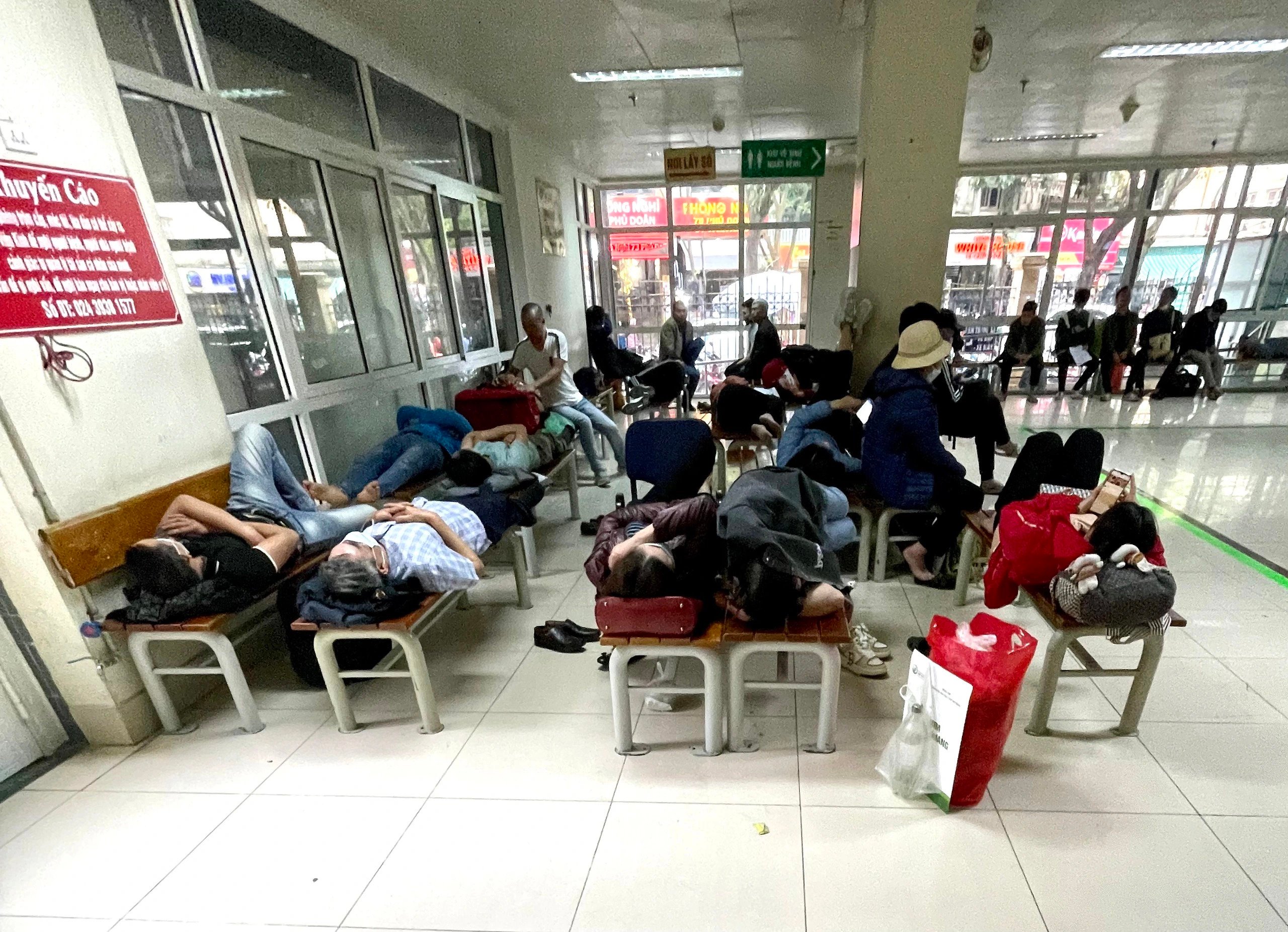
There is a need for incentives to retain skilled doctors in public hospitals to avoid disadvantaging poor patients who cannot afford the high costs of medical services.
"I believe that the medical profession, being considered a special profession, also needs special and specific policies, just like teachers. Currently, doctors and medical staff have the same basic salary as other civil servants. Some autonomous units may have additional income, but non-autonomous units or primary healthcare facilities without additional income face difficulties. This will make it hard to attract skilled doctors and medical staff to serve in remote areas and lower-level hospitals," Representative Nguyen Cong Hoang stated.
Representative Hoang also suggested that there should be a better salary and allowance policy for doctors and medical staff, and that a law on doctors and medical staff, similar to the Law on Teachers currently being submitted to the National Assembly, should be considered. Only then, according to Mr. Hoang, will there be strategic solutions for the future development of grassroots healthcare.
Adjusting allowance schemes should have been done a long time ago.
Decision No. 73/2011 came into effect at the beginning of 2012, and has been in effect for over 12 years now. At the time the decision was issued, the basic salary was 830,000 VND/month. Since then, the basic salary has been adjusted 8 times and is currently at this level.
The salary is 2.34 million VND/month, meaning an increase of 182%, but the allowances related to surgery, procedures, on-call pay, and meals have not been adjusted accordingly.
This situation necessitates an adjustment to increase allowances, in order to match the efforts and living standards of healthcare workers, significantly improving their lives so they can focus on their work. I have repeatedly proposed adjusting the allowances for healthcare workers; this should have been done a long time ago.
Deputy Minister of Health Nguyen Tri Thuc
Source: https://thanhnien.vn/dao-tao-bac-si-nghich-ly-hoc-phi-va-luong-can-chinh-sach-dac-biet-dac-thu-185241024220908563.htm


![[Image] 500 regional dishes introduced to the people of Ho Chi Minh City and tourists.](https://vphoto.vietnam.vn/thumb/1200x675/vietnam/resource/IMAGE/2026/03/27/1774576163392_001-jpg.webp)









































































































Comment (0)