

So, is there a way to test for lead in cosmetics? The answer lies in the article below, so don't miss it.
Lead in cosmetics
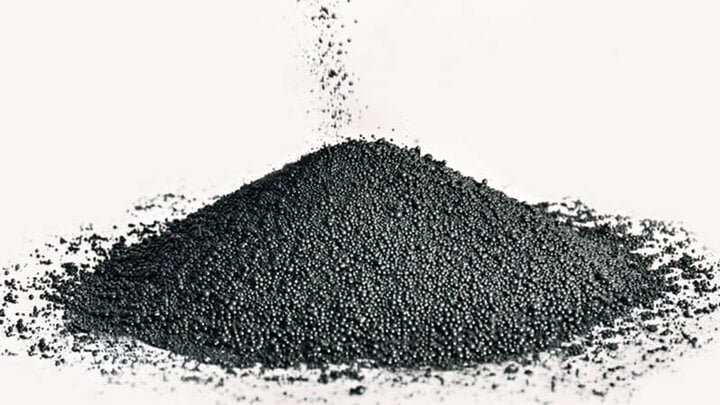
If the lead level exceeds the permissible limit, it will affect the health and skin of the user.
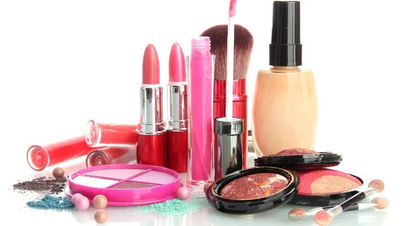
Lead is a highly toxic heavy metal that can cause many harmful effects to users, yet it is used in the production of cosmetics such as lipsticks and body creams. In cosmetics, lead helps create adhesion and a smooth texture when applied to the skin. However, for safety reasons, the lead content must be below 10 ppm.
According to the FDA (Food and Drug Administration), 10 ppm of lead in cosmetics poses absolutely no health risk to users.
However, in reality, not all products comply with the above regulations, which is why many cases of poisoning occur when using beauty products. The cosmetics market is chaotic; alongside reputable brands and safe production lines, there are also many cheap, counterfeit cosmetics circulating.
In the US, before production, brands must submit the additives they use to the FDA for approval. After reviewing the ingredients, the FDA further examines information such as usage instructions and quantities to determine if they are safe for consumers. Only after passing all these hurdles can the brand begin production.
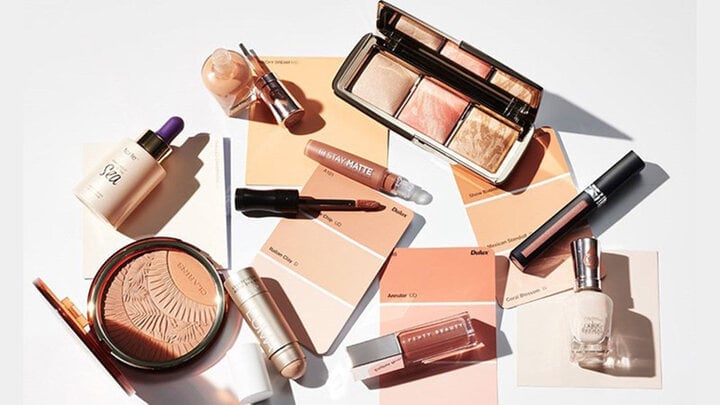
Don't be tempted to buy cheap, counterfeit cosmetics on the market because they can have serious consequences.
The harmful effects of lead in cosmetics
Lead in cosmetics doesn't usually affect customers' health immediately, but it gradually absorbs through the skin. After prolonged use, lead can cause skin darkening, freckles, acne, etc. More serious consequences include insomnia, weight loss, headaches, and even adverse effects on the brain and kidneys.
How to test for lead in cosmetics
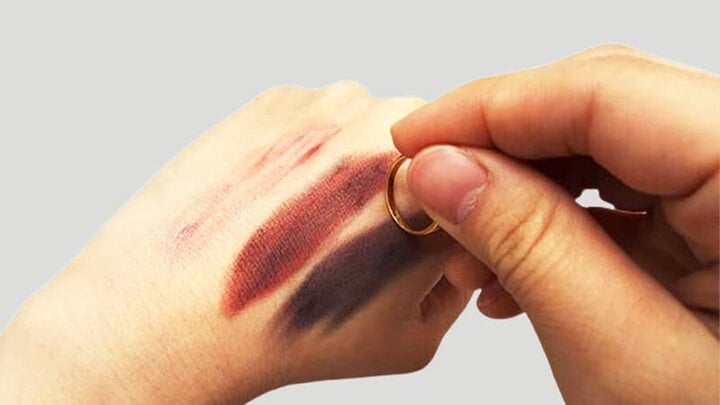
Many people use gold rings to test for lead content in lipstick.
Using gold to detect lead in cosmetics: This method is widely shared, especially when buying lipstick. Before deciding to buy, women apply lipstick to their hand and then rub a gold ring back and forth over it several times. If the lipstick doesn't change color, it doesn't contain lead; conversely, if it turns dark, the amount of lead in the product is quite high.
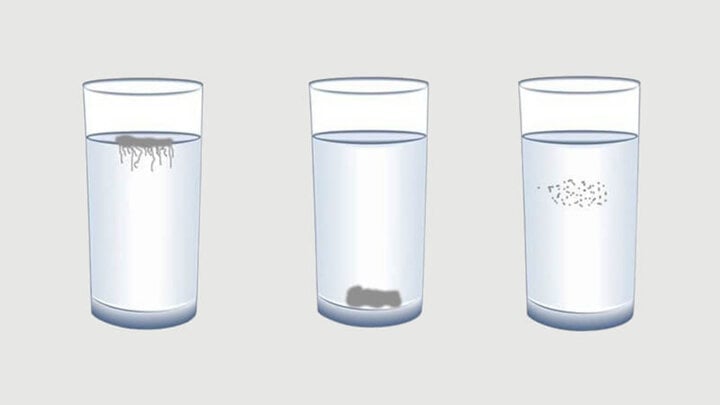
With just a glass of clean water, you can somewhat estimate the amount of water used.
Using water to detect lead in cosmetics: With this method, the cosmetic product is finely ground into a powder and then stirred into a prepared glass of water. By observing what happens afterward, you can get a sense of the ingredients used.
If cosmetics stick to the sides of the cup, it means they were made with animal oils.
If cosmetics float on the surface of the water, they contain a high concentration of mineral oil.
If cosmetics settle at the bottom of the glass, it means they contain heavy metals such as lead and mercury.
If the cosmetic product is water-soluble, congratulations, you've purchased a safe product.
Trang Anh
Source








































































































Comment (0)