

Mooncakes are primarily made from flour, sugar, butter, and lard. The crust of traditional mooncakes, as well as the fillings such as bean paste and lotus seed paste, are heavily seasoned with fat and sugar. Therefore, mooncakes are very rich and sweet.
Although a delicious and familiar treat for many families, caution is needed when consuming this type of cake. According to nutrition experts, traditional mooncakes often contain large amounts of sugar, fat, and salt. Each 250g cake can provide 800-1,100 kcal, making it a high-energy food.
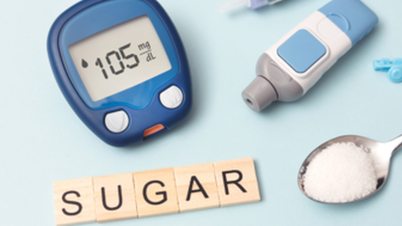
In particular, glutinous rice mooncakes often contain more sugar than baked mooncakes, which can easily lead to hyperglycemia, affecting people with diabetes . Furthermore, frequent consumption of mooncakes can cause problems such as weight gain, increased blood pressure, and high cholesterol, which are not good for cardiovascular patients.
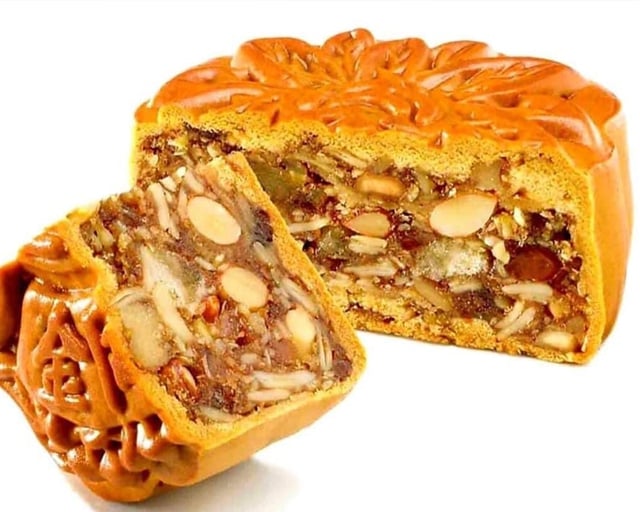
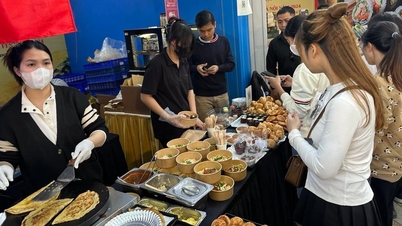
Illustrative image
How many mooncakes are enough to eat?
In terms of nutritional content, a 176g mooncake with mung bean and egg yolk filling provides approximately 648 calories. A mooncake with taro filling contains about 700 calories, higher than a mung bean mooncake. A 170g mooncake with mixed filling provides 566 calories, and a 170g mooncake with mixed filling contains 706 calories.
Nutrition experts say that the average adult needs 2000 calories per day, or 667 calories per meal if they eat three meals a day. A medium-sized mooncake contains approximately 565 calories. Eating two mooncakes would provide your body with 1130 calories.
Eat only 1/6 to 1/8, or at most 1/4, of a medium-sized mooncake at a time. A quarter of a mooncake already contains over 200kcal, equivalent to a breakfast. Furthermore, we should only enjoy them about once a week or less frequently, not every day.
In addition, if you eat mooncakes, you need to reduce the amount of other food. You can't just eat mooncakes freely and then still eat snacks, drink bubble tea, eat noodles, or pho freely, because that will result in a very high calorie intake.
How to eat mooncakes safely and healthily.
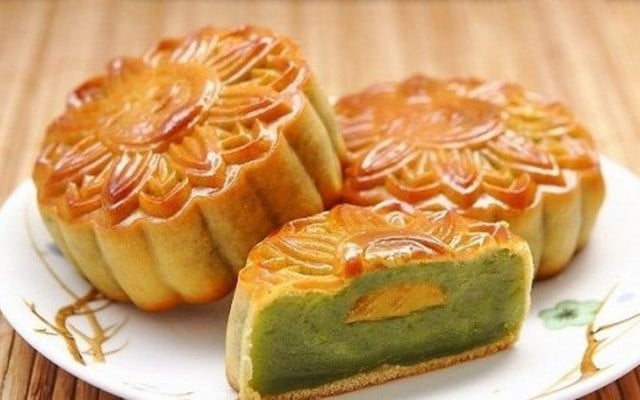
Illustrative image
It's best to eat it in the morning, not in the evening.
According to MSc. Dr. Dzoãn Thị Tường Vi (former Head of Nutrition Department, Hospital 198): Because mooncakes are high in calories, they are a good breakfast option when people need to replenish energy after a good night's sleep. However, mooncakes should not be eaten in the evening or immediately after a full meal because it will cause energy to accumulate, easily leading to overweight, obesity, and increased cholesterol in the blood.
You should eat one piece of cake and skip one bowl of rice.
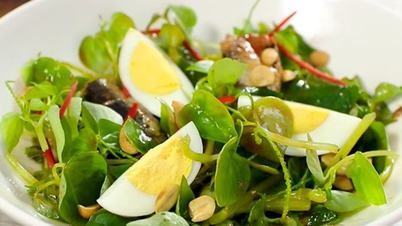
According to nutrition experts, mooncakes usually contain a very high amount of sugar and starch. Therefore, if you eat half a mooncake (either glutinous or baked), you should reduce your rice intake by about one bowl and the corresponding amount of other food for the rest of the day, and increase your intake of green vegetables to help eliminate the fat. It's important to note that mooncakes should only be eaten for enjoyment, not to satisfy hunger.
It should be cut into small pieces and eaten slowly.
When eating mooncakes, you should cut them into small pieces and eat slowly to control blood sugar levels, which can lead to faster weight gain.
According to China Daily, green tea and peppermint tea can help speed up the metabolism of sugar and reduce sweetness, making them very suitable for mooncakes.
You should exercise more.
A single mooncake contains a huge amount of calories, far more than a hearty meal. To avoid weight gain from eating mooncakes, you should only eat them in moderation and exercise more. Simple exercises like jogging or cycling help burn off the calories consumed.
6 groups of people who should limit their mooncake consumption.
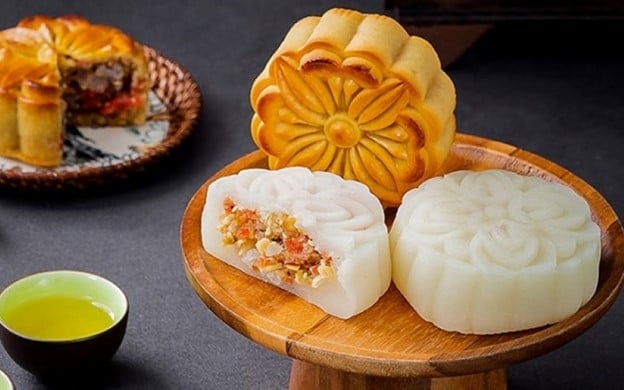
Illustrative image
- If you are taking traditional Chinese medicine, you should not eat mooncakes with mung bean filling. The reason is that mung beans are incompatible with many traditional Chinese medicine prescriptions, potentially neutralizing the herbs and sometimes causing adverse reactions with unpredictable consequences.
- People with kidney inflammation should avoid eating mooncakes with savory fillings, as the high content of Chinese sausage and salted egg yolks can further harm the kidneys. Eating salty foods increases blood circulation, forcing the kidneys to work harder, which can easily lead to kidney failure.
- People with a history of stomach problems, cardiovascular disease, cholecystitis, gallstones, high blood pressure, high cholesterol, etc., should limit their consumption of mooncakes, as it increases the risk of severe disease recurrence, impaired blood circulation, heart fatigue, myocardial infarction, and more difficult treatment.
- People who are prone to allergies, acne, pimples, and other skin conditions should limit their consumption of this food as it may increase sebum secretion.
- People with diabetes, high cholesterol, cardiovascular disease, high blood pressure, etc., should limit their consumption of this food because it can worsen atherosclerosis and lead to strokes and heart attacks.
- Overweight people and those trying to lose weight should avoid this cake because it is very high in fat and sugar; eating too much will lead to weight gain and worsen obesity.
Source: https://giadinh.suckhoedoisong.vn/cach-an-banh-trung-thu-an-toan-khong-so-tang-duong-huyet-va-khong-so-tang-can-17224091611351316.htm

![[Image] The tenacious fighting spirit of Vietnamese women's football](/_next/image?url=https%3A%2F%2Fvphoto.vietnam.vn%2Fthumb%2F1200x675%2Fvietnam%2Fresource%2FIMAGE%2F2025%2F12%2F17%2F1765990260956_ndo_br_4224760955870434771-copy-jpg.webp&w=3840&q=75)





















































































Comment (0)