

According to experts, infectious, environmental, and lifestyle factors are all linked to an increased risk of stomach cancer. Diet, in particular, has a significant impact on this disease.
Therefore, scientists from Tianjin Medical University, Inner Mongolia Medical University, the National Center for Chronic and Non-Communicable Disease Control and Prevention of China, and the Liaoning Key Laboratory of Clinical Tumor Metabolism (China) have conducted a new study aimed at exploring the relationship between diet and the risk of stomach cancer.
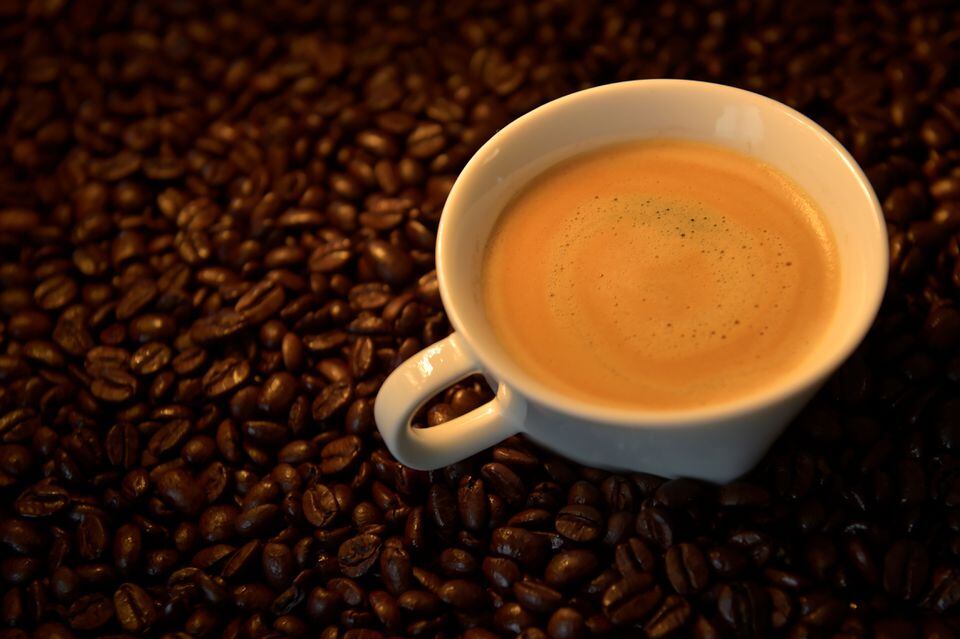
Here's some more great news for coffee lovers!
A total of 2,468 people participated in the study, including 696 cases of stomach cancer and 1,772 control cases. All participants were asked to answer a questionnaire about their food consumption frequency.
Six food models were included in the study, including:
1. Flavor profile, garlic, and protein.
2. Fast food model.
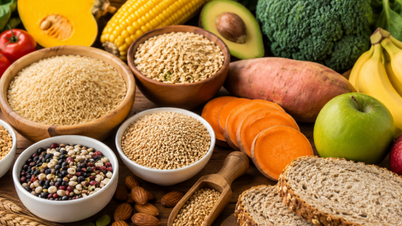
3. Vegetable and fruit farming model.
4. Models of pickled foods, processed meats, and soy products.
5. The non-essential food pattern includes many snacks and sugary drinks.
6. Coffee and milk model.
The relationship between diet and stomach cancer risk
The results revealed that the fast food pattern doubled the risk of stomach cancer, while the non-essential food pattern increased the risk by 60%.
Conversely, there are models that help reduce the risk of stomach cancer, as follows:
The combination of flavor, garlic, and protein helps reduce the risk of stomach cancer by 21.4%.
The model of pickled foods, processed meats, and soy reduced the risk of stomach cancer by 19.6%. For this model, previous studies have shown that some types of pickled foods may increase the risk of stomach cancer, but soy is extremely effective in fighting stomach cancer, thus offsetting the harmful effects of other foods.
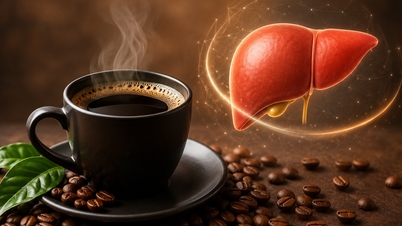
In particular, the coffee and milk model stood out the most, showing the highest reduction in stomach cancer risk, reaching 31%, according to Frontiers .
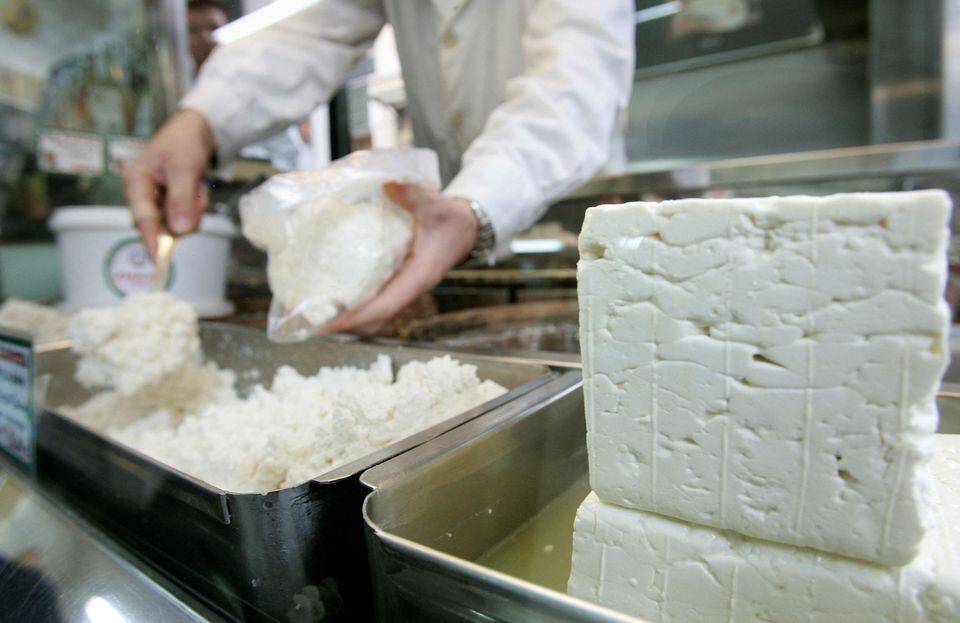
Cheese contains lactic acid bacteria, which can inhibit the growth of H. pylori bacteria.
Why do coffee and milk have this particular effect?
Experts explain that coffee is a mixture of bioactive compounds. It contains phenolic compounds and two lipids (cafestol and kahweol), which may inhibit cancer growth due to their antioxidant, anti-genotoxic, anti-mitochondrial, and anti-inflammatory environmental modulating properties.
Dairy products contain several components, including vitamin D, minerals, calcium, and conjugated linoleic acid. The protective effects of these components against stomach cancer may be due to their antitumor properties.
Fermented dairy products such as cheese and yogurt contain lactic acid bacteria, which can inhibit the growth of H. pylori by producing inhibitory substances, including lactic acid and bacteriocin. H. pylori is a major cause of stomach diseases and can lead to stomach cancer.
Consuming plenty of coffee and milk can reduce the risk of stomach cancer by up to 31%.
Source link
![[Image] "Journey of Hope" promotes the organ and tissue donation movement in Vietnam.](https://vphoto.vietnam.vn/thumb/1200x675/vietnam/resource/IMAGE/2026/05/20/1779294400833_1-8910-jpg.webp)


![[Photo] National Assembly Chairman Tran Thanh Man working with the Standing Committee of the National Assembly's Ethnic Council](https://vphoto.vietnam.vn/thumb/1200x675/vietnam/resource/IMAGE/2026/05/21/1779337435930_ndo_br_1-jpg.webp)































































Comment (0)