

The 4-5-1 nutritional balance formula helps people easily understand the components of a nutritious meal, and also understand how to combine different food groups to vary their diet while still ensuring the quality of each meal.
Specifically, number 4 represents a balanced diet encompassing four key elements: balance between the three energy-producing nutrient groups (carbohydrates, fats, and proteins); balance in protein (between animal and plant proteins); balance in lipids (between animal and plant lipids); and balance in vitamins and minerals.
Therefore, to achieve a balance between the three energy-producing nutrient groups, protein should account for 13-20% of daily meals; lipids for 20-25%; and carbohydrates for 55-65%.
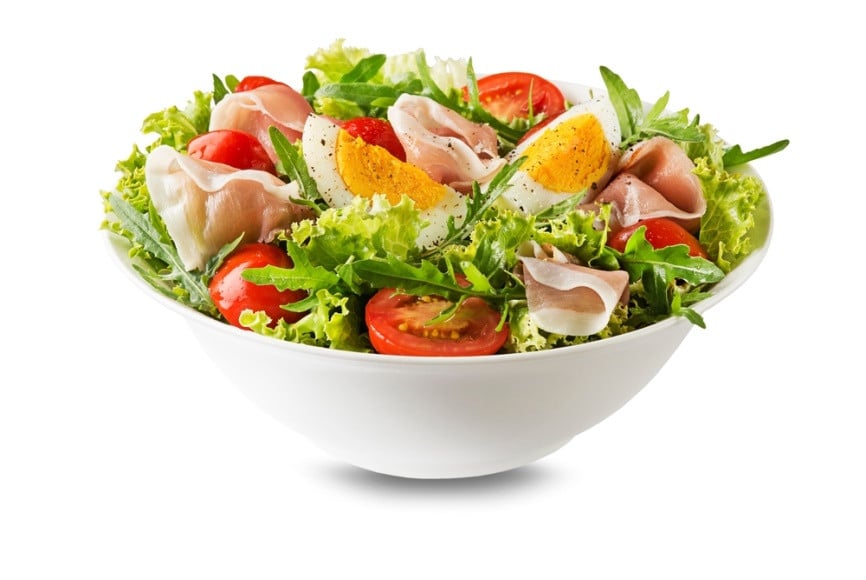
Besides balancing the four food groups, ensuring a diverse meal requires including at least five of the eight food groups, with fats being a mandatory component. Specifically:
Group 1 - staple foods: Rice, instant noodles, corn, potatoes, cassava… are basic foods, the main source of energy for the body.
Group 2 - Seeds: Beans, peas, sesame seeds, and peanuts are sources of plant-based protein for the body.
Group 3 - milk and dairy products, provide animal protein and calcium, which are important for the body.
Group 4 - meats, fish, and seafood provide animal protein, especially essential amino acids that the human body cannot synthesize on its own.
Group 5 - eggs and egg products are a source of animal protein and many valuable nutrients for the body.
Group 6 – yellow, orange, and red fruits and vegetables such as carrots, pumpkins, gac fruit, tomatoes, or dark green leafy vegetables – are the main sources of vitamins and minerals for the body. The darker the color of the vegetable, the higher its nutritional value.
Group 7 - other vegetables such as kohlrabi and radishes provide vitamins, minerals, and fiber.
Group 8 - cooking oils and fats are sources of energy and essential fatty acids for the body.
Finally, number 1 represents a meal or daily nutrition plan that requires a harmonious balance of food groups and nutrients. Accordingly, the 4-5-1 nutritional formula shows that each meal must ensure diversity and balance, without restricting or overusing any particular food. This includes choosing safe foods, both fresh and processed.
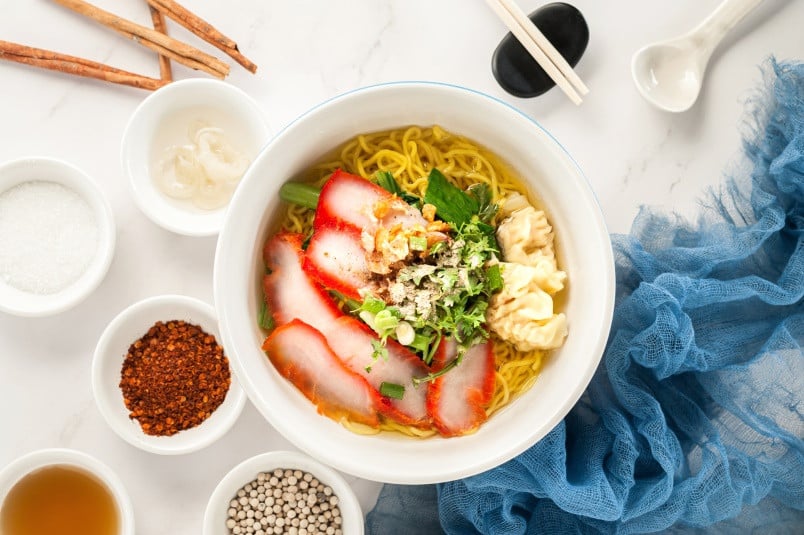
Nowadays, many people enjoy instant noodles in their meals. However, one packet of noodles may not meet the nutritional needs of many people. To make noodles tastier and more nutritious, consumers can supplement them with other foods following the 4-5-1 formula. They can add protein from eggs, meat, seafood, etc., and vary the ingredients for a more palatable meal. Besides animal protein, they can combine mushrooms and beans for plant-based protein. They can also add vegetables and root vegetables to their noodle bowl to provide vitamins and minerals, such as yellow bell peppers, carrots, pumpkin, kale, bok choy, cabbage, cucumber, and green beans, helping to balance nutrition. Additionally, they can add fruit to their daily meals.
Ngoc Minh
Source
![[Image] Hanoi's urban life under the challenge of a "scorching hot" environment](https://vphoto.vietnam.vn/thumb/1200x675/vietnam/resource/IMAGE/2026/05/25/1779706979265_nang-nong-t5-2026-minh-duy-7-4636-jpg.webp)


![[Image] Close-up view of the interchange connecting the two expressways and Long Thanh Airport.](https://vphoto.vietnam.vn/thumb/1200x675/vietnam/resource/IMAGE/2026/05/25/1779703378210_ndo_br_z7863716673926-224453a31600126cce10622af6290afd-4549-jpg.webp)



























































































Comment (0)