

2023 was a year of overall global instability, with a complex security environment and the outbreak of numerous conflicts in hotspots such as the Middle East, the Korean Peninsula, the Russia-Ukraine conflict, and the Taiwan Strait.
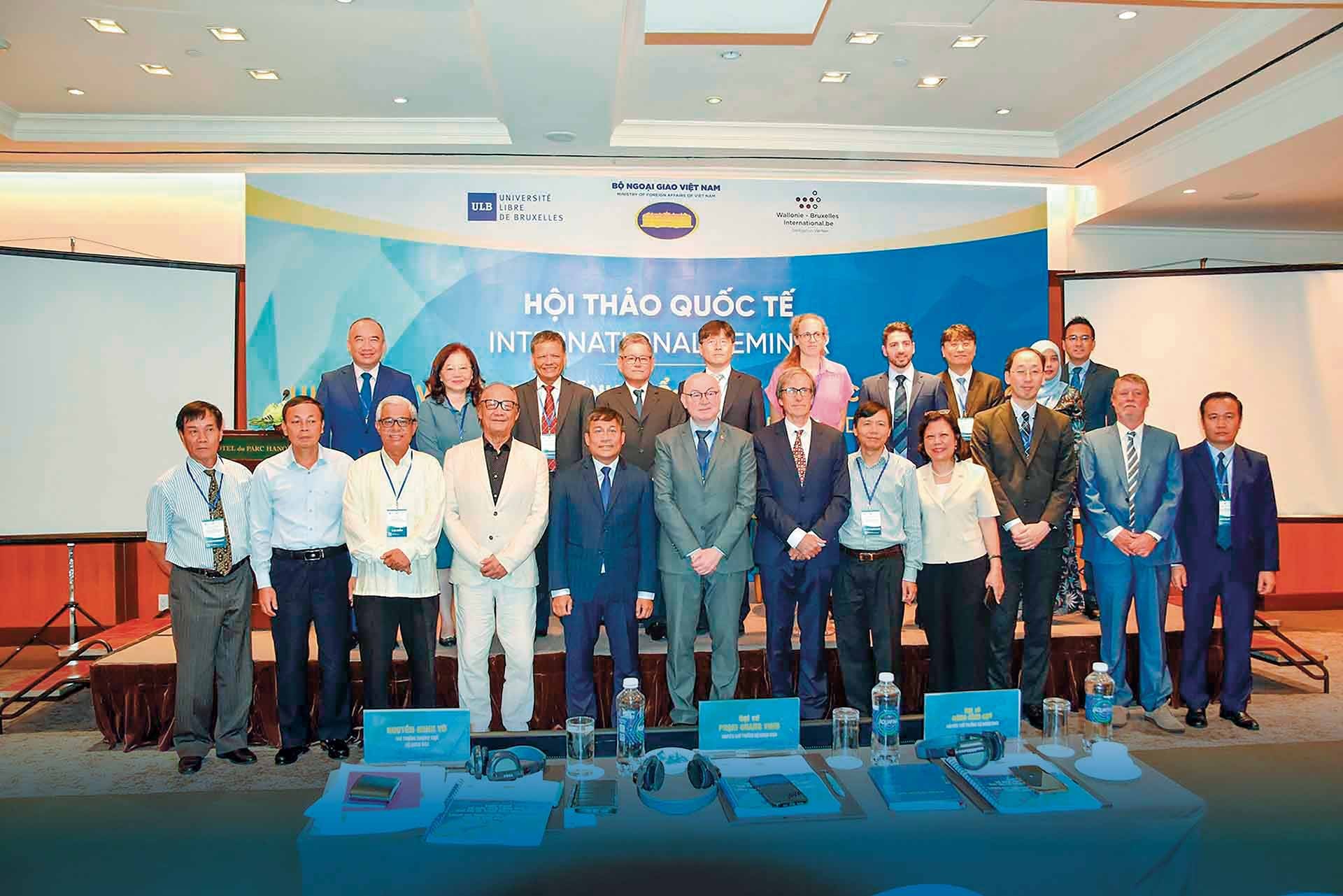 |
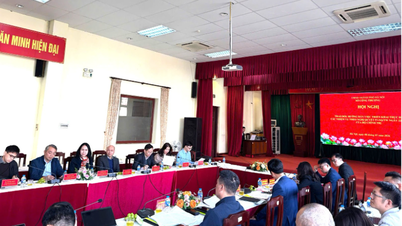
| The Ministry of Foreign Affairs, in coordination with the Wallonie-Bruxelles Delegation (Belgium) in Vietnam, organized the international workshop "Law on Borders and Territories: Values and Practical Application" in Hanoi on September 7, 2023. (Source: dangcongsan.vn) |
Against this backdrop, the situation in the South China Sea remains complex. Clashes and confrontations, including laser attacks, collisions, and water cannon attacks, between China and the Philippines have caused considerable concern in the region, but this is only part of the story.
2023 is an opportunity to reflect on the long-standing instability and complexity of the South China Sea situation. First, there has been a continued violation of international law and encroachment on the legitimate maritime zones of other countries. Second, there has been a lack of effective implementation of commitments regarding restraint and confidence-building measures. Third, and most concerning, is the continued use of force to impose unreasonable sovereignty claims, especially through what are often referred to as gray zone tactics or disguised non -military operations .
Clearly, the region needs to make greater efforts, especially in upholding international law and the 1982 United Nations Convention on the Law of the Sea (UNCLOS 1982); strengthening mechanisms for confidence-building, restraint, and avoiding complicating the situation; and particularly opposing the coercive use and illegal encroachment on the maritime territories of other countries.
ASEAN's relentless efforts
Over the past year, ASEAN has continued its efforts in community building; strengthening cooperation and connectivity with partners; promoting respect for international law; and playing a central role in regional issues, including the South China Sea issue. ASEAN's role and voice have been supported and highly appreciated by other countries.
Regarding the South China Sea, it is noteworthy that: Firstly , peace, stability, security, safety, and freedom of navigation in the South China Sea are issues of common concern to ASEAN and the region, as addressed in ASEAN conferences and documents.
Secondly, ASEAN continues to emphasize the principles of adherence to international law, the 1982 UNCLOS, restraint, avoiding further complicating the situation, building trust, and peacefully resolving disputes.
Thirdly , continue to promote ASEAN-China consultations to fully implement the DOC Declaration and build a substantive and effective Code of Conduct (COC), while emphasizing the need for all parties to create a favorable environment for these negotiations by not complicating the situation at sea.
Fourth, it is noteworthy that in the past year, ASEAN issued, for the first time, a Statement on promoting a peaceful and stable “maritime space in Southeast Asia” at the Foreign Ministers' level. This Statement is of significant importance. Firstly, it links the South China Sea to the peace and stability of the entire region and the maritime space of Southeast Asia in general. Secondly, it connects ASEAN's responsibility and central role, as well as its cooperation mechanisms with partners, to peace, stability, and cooperative development in Southeast Asia, including the South China Sea. Thirdly, these processes will complement each other, striving together for the common goal of peace, stability, and cooperative development in the region, including the maritime space of Southeast Asia and the South China Sea. Meanwhile, ASEAN continues to promote ASEAN-China dialogue on the implementation of the DOC and the development of the COC on the South China Sea.
Vietnam with a spirit of consistency
Vietnam is consistent on maritime issues, resolutely and persistently asserting its sovereignty, sovereign rights, and legitimate interests in its maritime areas. Vietnam has repeatedly issued statements on this matter; simultaneously, it opposes acts of infringement on Vietnam's maritime areas; and demands that all parties abide by international law and the 1982 UNCLOS.
Vietnam consistently values and supports ASEAN in playing a central role and making positive and responsible contributions to peace, stability, cooperation, and development in the region, including the South China Sea.
First, we emphasize peace, security, safety, and freedom of navigation and overflight in the South China Sea. Second, we address the issue of adherence to international law and the 1982 UNCLOS. Third, we advocate for the peaceful resolution of disputes, avoiding the use of force in international relations, while exercising restraint, building trust, and refraining from complicating the situation. Fourth, we promote the full implementation of the DOC by ASEAN and China, and progress towards a substantive, effective COC that is consistent with international law and the 1982 UNCLOS.
Finally, ASEAN needs to speak out against the infringement of other countries' legitimate maritime territories, violations of international law, and actions that complicate the situation, while continuing to play a role in matters of common regional interest.
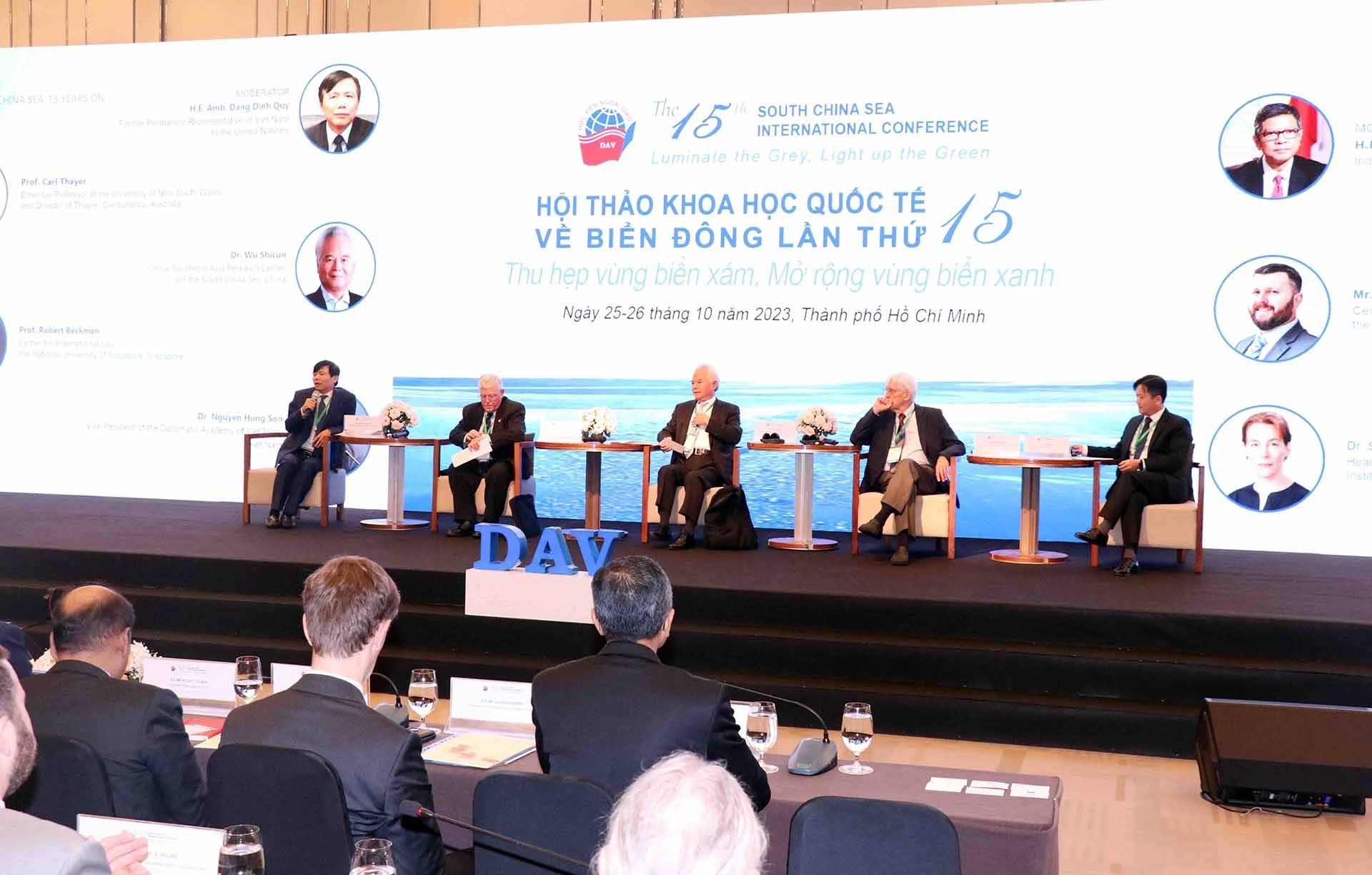 |
| The first working session of the 15th International Scientific Conference on the South China Sea. (Source: VNA) |
The ability to overcome challenges
The year 2024 is predicted to be even more complex, while the South China Sea continues to harbor undercurrents and risks of instability.
Therefore, ASEAN needs to continue building on the achievements already made and further strengthen its role in promoting peace, stability, and cooperation in Southeast Asia, the Asia-Pacific region, and the South China Sea. Accordingly, it is necessary to:
Firstly, ASEAN needs to reiterate its principles on peace, security, stability, and cooperative development in the region, as well as on the South China Sea issue, particularly regarding adherence to international law and the 1982 UNCLOS.
Secondly, we should encourage ASEAN and China to work together to implement the DOC and negotiate an effective and efficient COC based on international law and the 1982 UNCLOS.
Thirdly, ASEAN needs to strengthen the development of common norms of conduct in the region, including the maritime space of Southeast Asia, promoting existing ASEAN principles and documents that have been supported by partner countries, such as the Treaty of Friendship and Cooperation in Southeast Asia (TAC) and the ASEAN Vision on the Indo-Pacific (AOIP).
Fourth, leverage ASEAN mechanisms and engage with partners to jointly contribute to peace, stability, and cooperation in the region, including the maritime space of Southeast Asia and the South China Sea.
Fifth, to encourage the international community to support ASEAN's role and efforts in the region and on the South China Sea issue, including speaking out against acts of infringement on the legitimate maritime zones of other countries.
With the recent achievements, we are confident that ASEAN will continue to develop and further enhance its central role in peace and development cooperation in the region, continuing to make positive contributions to building a peaceful, stable, and confidence-building South China Sea region, based on adherence to international law and UNCLOS 1982. In 2024, with its active and responsible role, Laos will certainly successfully assume its role as ASEAN Chair and contribute effectively to the development of the ASEAN Community, as well as peace and cooperation in the region.
Source



















































































Comment (0)