

The US dollar rose against expectations.
The dollar fell on Friday but still recorded its third consecutive weekly gain, as investors bet on higher interest rates for a longer period to curb inflation and anxiously awaited a resolution to the final US debt ceiling negotiations.
The apparent progress on Thursday in talks between President Joe Biden and Republican Senator Kevin McCarthy helped ease anxieties, but markets remain wary of any potential default risks ahead of the long banking weekend in the U.S.
Currency analysts at MUFG said: “Monday is a bank holiday in the U.S., so market participants will have to wait until Tuesday, May 30th, to trade positions again, so there is strong belief that Washington needs to make a deal today.”
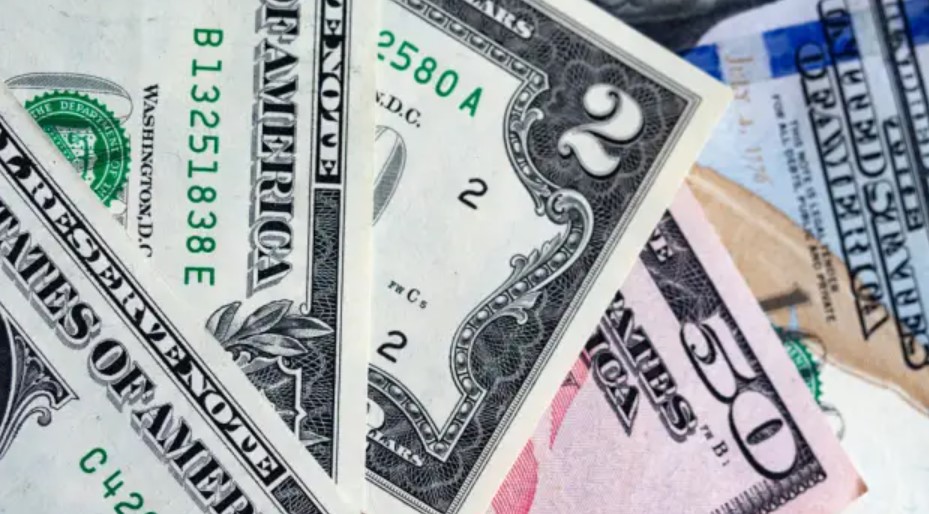
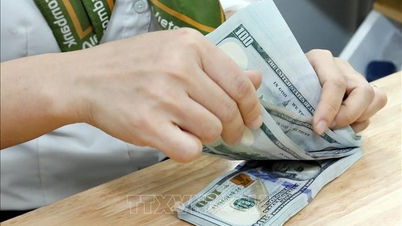
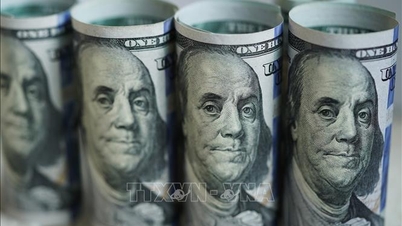
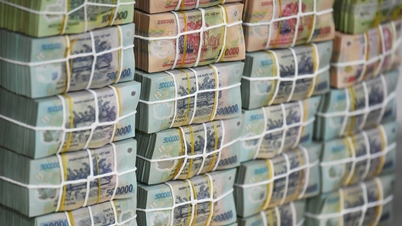
Concerns about a potential US default led investors to believe the US dollar would depreciate. However, the greenback unexpectedly surged. (Illustrative image)
Wall Street traders have become increasingly wary of U.S. government debt securities, but the prospect of an imminent deal helped boost sentiment across markets on Friday and propelled more risk-sensitive currencies to take losses on the dollar.
The U.S. dollar index – which tracks the greenback against six major currencies – ultimately fell 0.05% on the day to 104.20, just after Thursday's two-month high of 104.31. However, it was on track for a weekly gain of around 0.8%. As such, the greenback has had its third consecutive week of gains.
The recent rise in the dollar has also been fueled by increasing expectations that the Federal Reserve (FED) will have to keep interest rates higher for a longer period to curb inflation.
The money market is currently pricing in a 42.5% chance that the Fed will implement another 25 basis point interest rate hike at its policy meeting next month, while expectations that the Fed will begin cutting interest rates later this year have diminished.
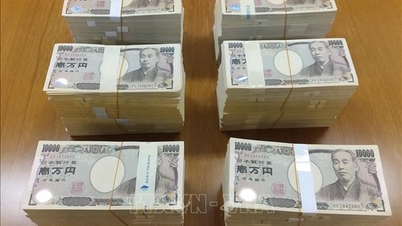
The dollar rose from a six-month high against the yen and stood at 139.67, after reaching 140.23 yen in the previous session, its highest level since November.
The euro and the pound have recovered somewhat, but are struggling to offset recent losses against the dollar.
Croatian policymaker Vladimir Vujcic said it remains unclear whether the European Central Bank can lower its price increase target to 2% within two years, and inflationary pressures persist across the bloc.
The currency ultimately rose 0.07% against the dollar to $1.0727, but was not far from the two-month low of $1.0708 reached in the previous session.
The pound rose 0.23% to $1.2349 after data showed UK consumers increased spending in April, although the currency remains on track for a weekly decline.
The USD/VND exchange rate remains stable.
Despite the US dollar recording a significant increase for the third consecutive week in the global market, despite concerns about a potential US debt default, the USD/VND exchange rate remained relatively stable in the domestic market.
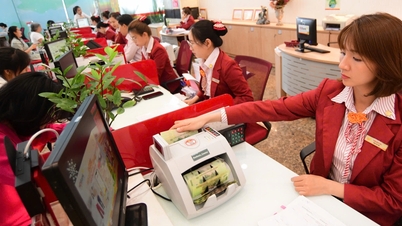
In the banking market, most banks saw a slight increase in the value of the US dollar. Only a few places experienced negligible impacts on the exchange rate.
After several minor daily fluctuations, the USD/VND exchange rate at Vietcombank closed the week at 23,290 VND/USD – 23,660 VND/USD, unchanged from the end of the previous week.
Meanwhile, most other entities increased the price of the USD.
At Vietnam Joint Stock Commercial Bank for Industry and Trade (VietinBank), the exchange rate is trading at: 23,232 VND/USD – 23,692 VND/USD, an increase of 22 VND/USD in both buying and selling rates, equivalent to 1%.
At the Vietnam Investment and Development Bank (BIDV), the USD/VND exchange rate closed the week at 23,330 VND/USD – 23,630 VND/USD, an increase of 10 VND/USD. The Vietnam Export Import Bank (Eximbank) adjusted its exchange rate upwards by 10 VND/USD to 23,250 VND/USD – 23,630 VND/USD after a week of trading.
Source























![[Photo] Tran Cam Tu, Standing Member of the Secretariat of the Central Committee, presides over the first meeting of the Central Steering Committee on the Development of Vietnamese Culture.](https://vphoto.vietnam.vn/thumb/1200x675/vietnam/resource/IMAGE/2026/03/19/1773895004549_ndo-br-bnd-1195-2-jpg.webp)


























































Comment (0)