

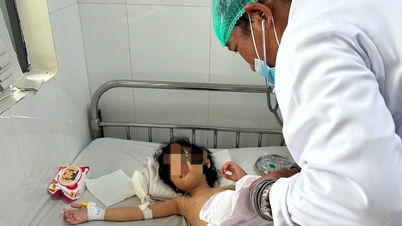
The child was admitted to the hospital with acute abdominal pain, bloating, and fever; doctors discovered that 40 cm of the small intestine was filled entirely with cotton wool.
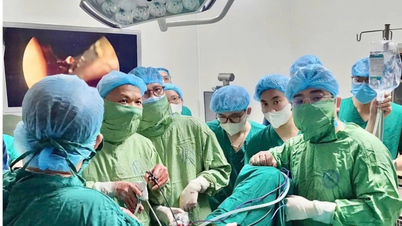
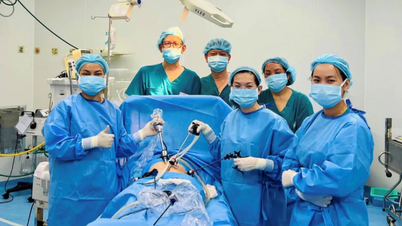
Dr. Nguyen Do Trong, a specialist in Cardiovascular and Pediatric Surgery at Tam Anh General Hospital in Ho Chi Minh City, said today (June 23) that the child came for examination in a state of continuous crying. Through examination and paraclinical tests, doctors discovered numerous foreign objects in the child's small intestine, causing intestinal obstruction, and the stomach and the initial segment of the small intestine were greatly dilated. The surgical team spent 1.5 hours removing dozens of cotton balls that were crammed and obstructing the small intestine.
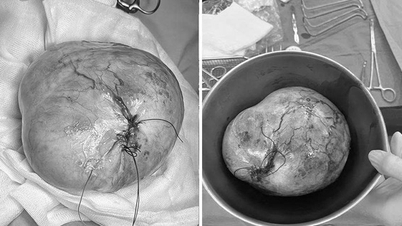
"The cotton balls filled a 500ml bowl, indicating that the baby swallowed them a long time ago and couldn't digest them, causing intestinal obstruction. Abdominal fluid has accumulated, and the stomach and the beginning of the small intestine are greatly distended," Dr. Trong explained.
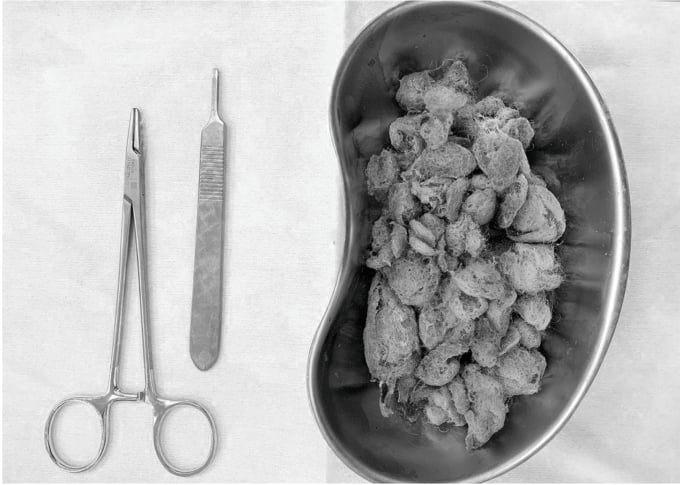
The amount of cotton wool removed from the intestines of the 4-year-old girl. Photo: Hoang Chuong
Two days prior, the child had shown symptoms of loss of appetite, constipation, and vomiting, leading the family to believe it was a digestive disorder. On the afternoon of June 20th, the child developed a fever and cried incessantly, so they took her to the emergency room.
According to the family, when the child started kindergarten, they sent a small teddy bear for her to cuddle with during nap time. After the child was taken to the emergency room, the family found that the teddy bear had a tear and half of its stuffing was missing.
"At home, my child watches TV and uses a phone and enjoys videos of eating, especially scenes of people eating cotton candy. Although the classroom has cameras, she covers herself completely with a blanket while sleeping, so she didn't realize she had eaten the cotton candy," shared Ms. Tuong Khanh (the child's mother).
According to Dr. Trong, small bowel obstruction is not uncommon in children. Causes can include worms, undigested food particles; recently, foreign objects such as magnetic toys have become a frequent occurrence. However, this case of a child eating cotton from a teddy bear is quite rare. Without timely surgery, the child risks electrolyte imbalance, bowel perforation, peritonitis, septic shock, and even death.
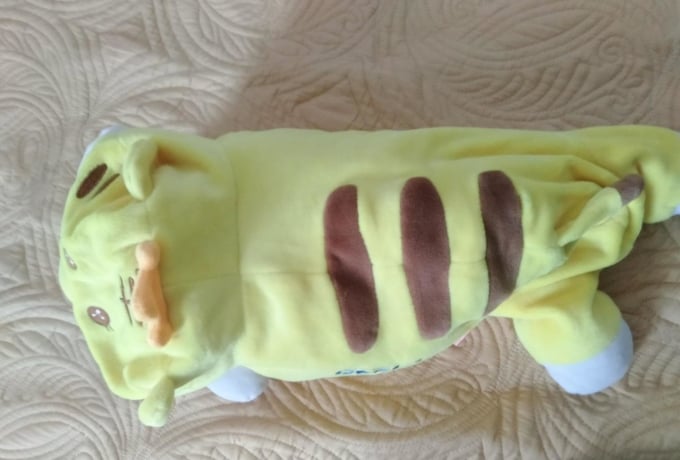
The teddy bear belonging to the child patient now has half the amount of stuffing left over. Photo: Hoang Chuong
Children likely eat cotton balls due to a lack of awareness and the influence of eating videos on social media. Some cases are related to psychological factors, such as Rapunzel syndrome or Pica syndrome. Rapunzel syndrome is often seen in girls who like to eat hair; Pica syndrome involves a craving for non-food items like clothing, wool, hair, and small metal objects. These are eating disorders that can occur in children with autism or other psychological issues.
Dr. Trong advises that intestinal obstruction in children is often difficult to identify in its early stages because it can easily be mistaken for constipation or common digestive disorders. The section of the intestine above the obstruction will become distended and stretched, increasing pressure within the intestinal lumen, causing venous stasis and reduced capillary blood flow, leading to damage, edema, and congestion of the intestinal mucosa, resulting in reduced and lost absorption. In addition, children vomit frequently, causing dehydration and electrolyte imbalance.
The initial sign is abdominal pain. Children experience sudden, intense, and progressively worsening pain, along with crying; vomiting or nausea accompanied by bloating.
To prevent intestinal obstruction in children, parents need to teach their children which foods are safe and which are not. When children show signs related to the digestive tract as described above, parents should take them to see a doctor.
Tue Diem
Source link


![[Photo] Explore the US Navy's USS Robert Smalls warship](/_next/image?url=https%3A%2F%2Fvphoto.vietnam.vn%2Fthumb%2F1200x675%2Fvietnam%2Fresource%2FIMAGE%2F2025%2F12%2F10%2F1765341533272_11212121-8303-jpg.webp&w=3840&q=75)

























![[Video] The craft of making Dong Ho folk paintings has been inscribed by UNESCO on the List of Crafts in Need of Urgent Safeguarding.](https://vphoto.vietnam.vn/thumb/402x226/vietnam/resource/IMAGE/2025/12/10/1765350246533_tranh-dong-ho-734-jpg.webp)














































Comment (0)